


Edwardian Wine Server
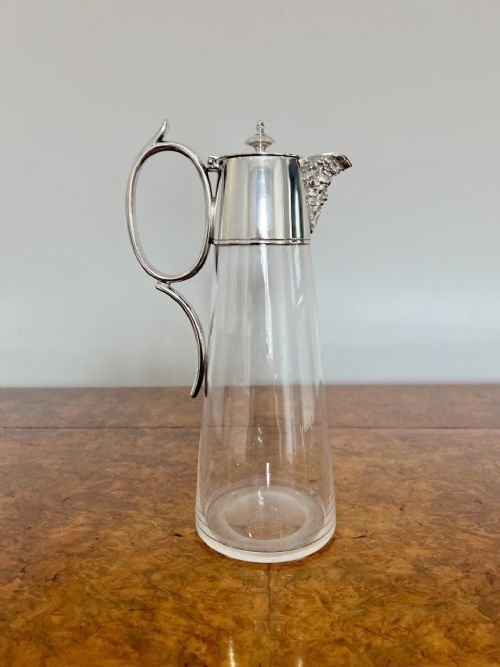
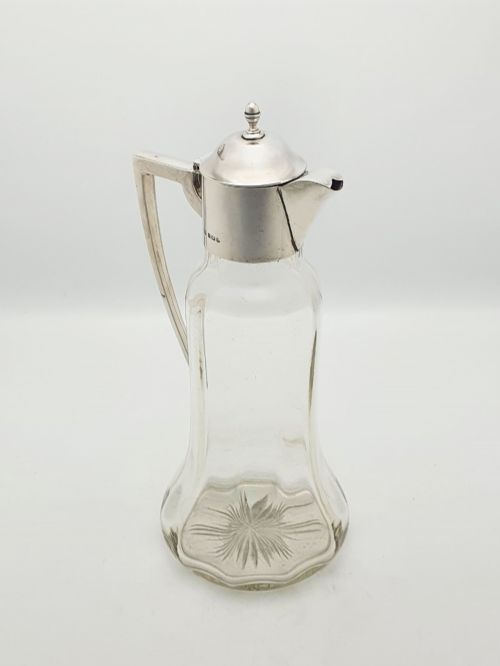
These Edwardian wine server pieces combine cut glass and silver mounts to bring genuine period elegance to any gathering.
Edwardian Wine Server
An Edwardian wine server typically takes the form of a claret jug, a decanter, or a drinks table designed for entertaining. These items reflect the domestic habits of the early twentieth century, focusing on the presentation of wine and spirits.
The objects seen here range from silver-plated claret jugs to large oak sideboards and inlaid drinks tables. The claret jugs combine glass bodies with metal mounts, while the larger furniture pieces provide storage and serving space.
Most examples date from the Edwardian period and the surrounding decades of 1890 to 1910, often incorporating styles such as Art Nouveau alongside traditional Edwardian design. Buyers meet a mix of tabletop vessels and larger furniture items when searching this phrase.
Materials and construction
Makers utilised cut glass and crystal glass for the vessels, often pairing transparent bodies with sterling silver or silver-plated mounts. Brass and plain mounts also appear across the selection, providing structural support and decorative contrast to the glass.
Furniture pieces like sideboards and drinks tables employ English oak and mahogany, sometimes featuring inlay work. The construction relies on traditional joinery methods suited to domestic furniture and serving tables of the period.
Current listings span the years 1890 to 1910, encompassing the Edwardian era and featuring materials from oak and mahogany to cut glass and sterling silver.
Judging quality
Quality rests upon the clarity and depth of the cut glass alongside the weight and finish of the silver or silver-plated mounts. Finer pieces demonstrate precise faceting in the glass and substantial metalwork that fits securely.
In furniture and drinks tables, the standard is determined by the selection of timbers like oak and mahogany, the precision of any inlay, and the overall structural integrity of the piece.
The Edwardian Wine Server Glossary
- Claret jug
- A vessel specifically shaped for serving red wine, usually featuring a handle, a hinged lid, and a pouring spout. These often combine glass bodies with metal mounts.
- Sterling silver
- A silver alloy containing substantial pure silver content, frequently used for the mounts on higher-end serving vessels. It carries hallmarks that help verify its composition.
- Silver plate
- A base metal coated with a layer of silver, offering the appearance of solid silver at a different scale of production. Many serving pieces from this era utilise this technique.
- Drinks table
- A specialised table designed to hold bottles, glasses, and serving equipment during social gatherings. Edwardian versions often incorporate decorative inlay work.
- Art Nouveau
- A stylistic influence seen on some pieces, characterised by organic lines and natural motifs. It appears alongside more traditional Edwardian forms in the period's design vocabulary.
Edwardian Wine Server: Frequently Asked Questions
What is an Edwardian wine server?
An Edwardian wine server refers to glassware vessels like claret jugs and decanters, or larger furniture items such as drinks tables and sideboards from the period.
These items were used to hold, pour, and present wine and spirits during dining and social occasions.
How do I identify an Edwardian claret jug?
Edwardian claret jugs typically combine cut glass or crystal bodies with silver-plated or sterling silver mounts, dating from around 1890 to 1910.
They often feature hinged lids, handles, and occasional Art Nouveau stylistic influences in the metalwork.
What materials were used?
The primary materials include cut glass, crystal glass, sterling silver, and silver plate for the smaller serving vessels.
Larger items like sideboards and drinks tables are constructed from English oak and mahogany, occasionally featuring wood inlay.
How do I care for silver-mounted glass?
Silver mounts require gentle cleaning with appropriate metal polishes while avoiding contact with the glass body where possible.
Glass components respond well to warm water and mild detergent, avoiding harsh abrasives that could damage the cut surfaces.
Are drinks tables different from sideboards?
Drinks tables are smaller, dedicated items meant for holding glassware and bottles during service, whereas sideboards and buffer units provide larger storage.
Both serve the broader category of dining room furniture and entertaining equipment from the Edwardian era.