

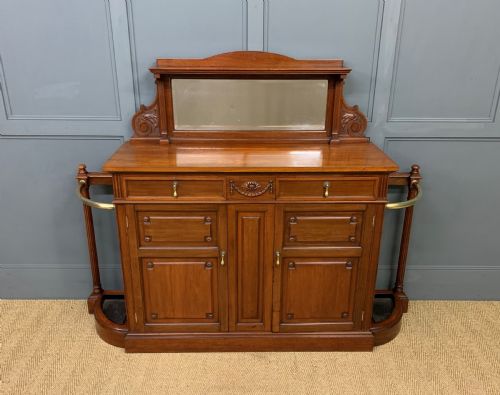
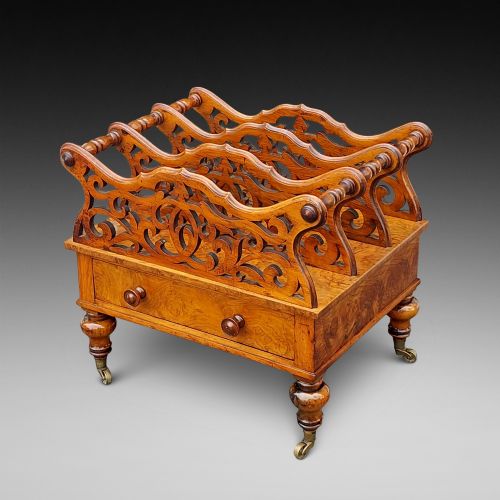
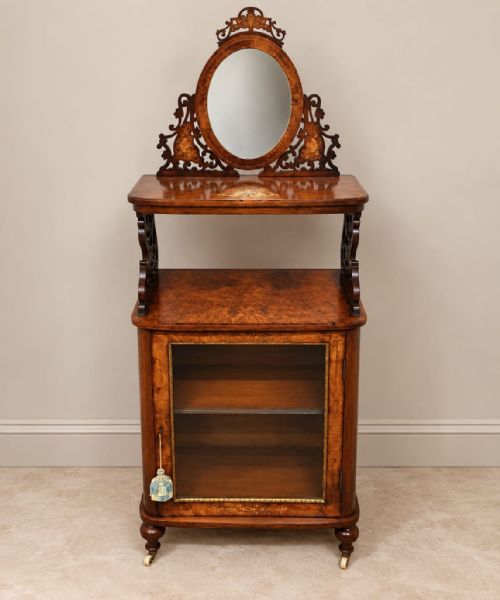
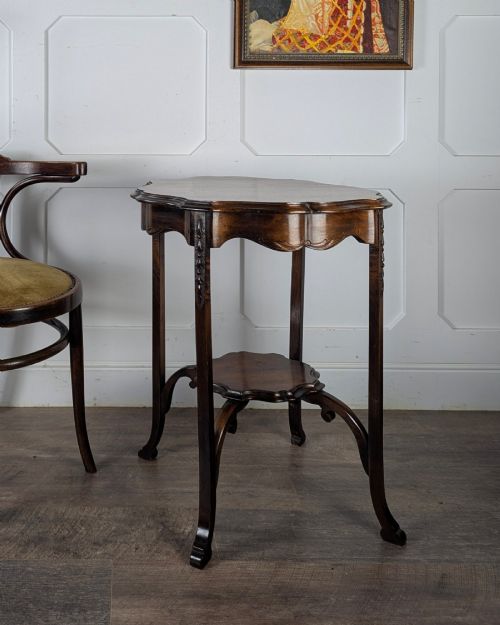
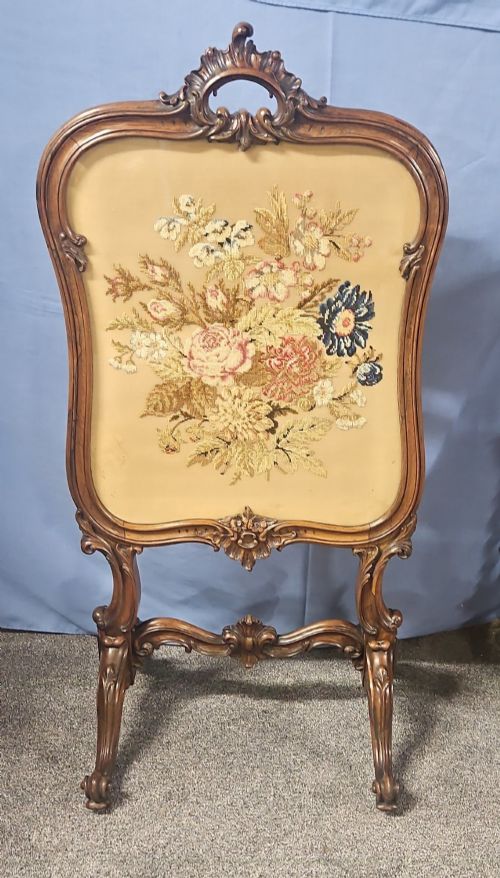
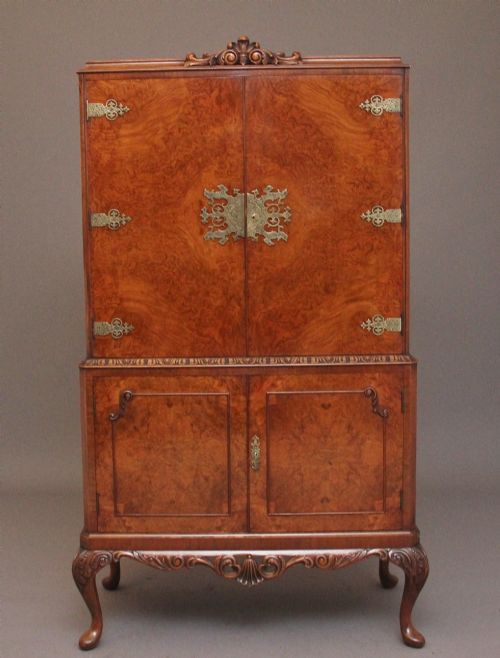
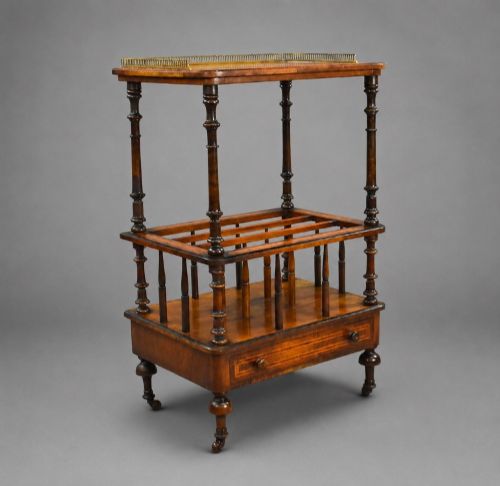
Edwardian Walnut Stand
When searching for an edwardian walnut stand, you encounter pieces designed for the hallway, plant display, or cloakroom, bringing rich timber grain into practical daily use.
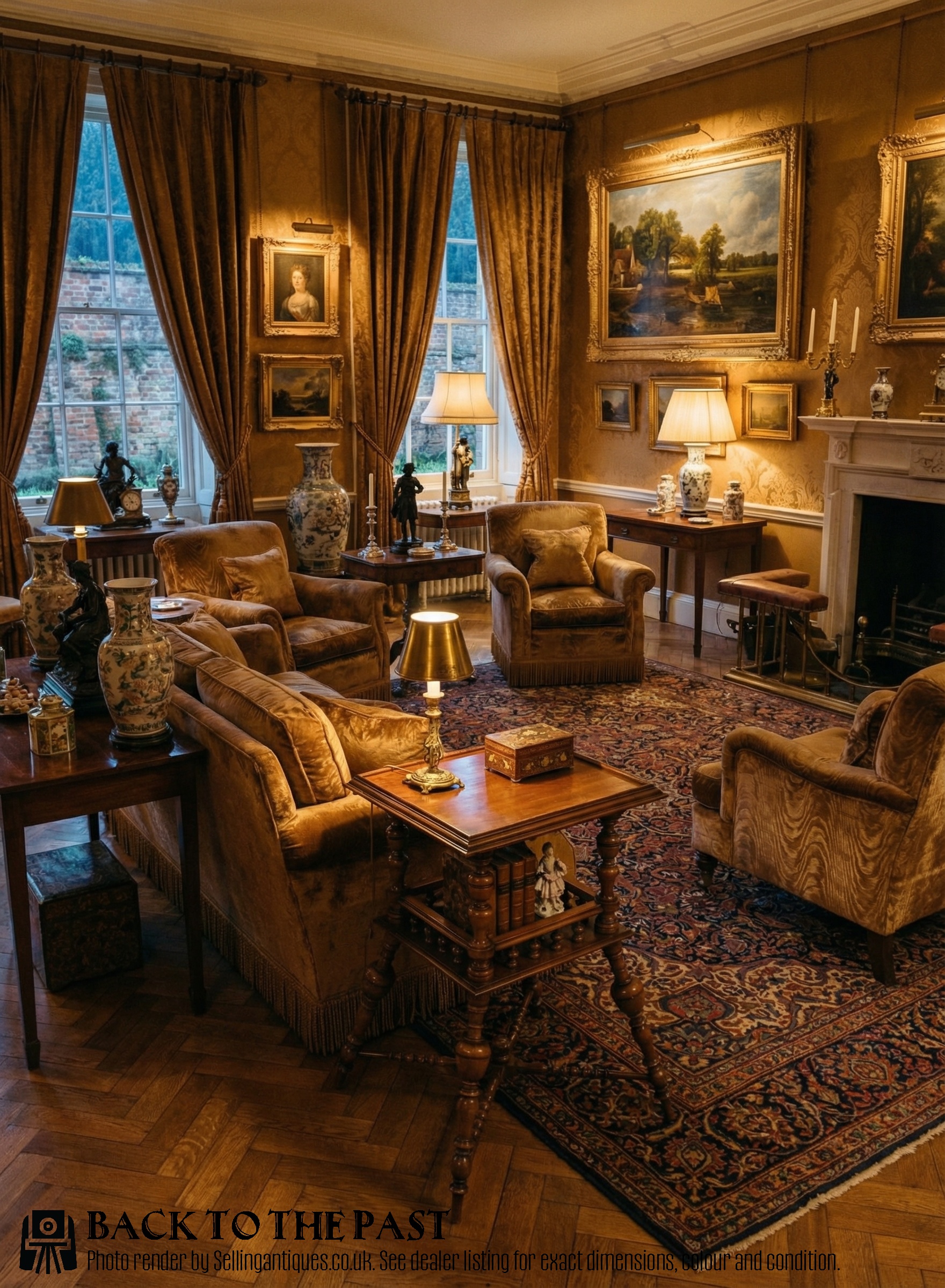
Edwardian Walnut Stand
An edwardian walnut stand encompasses utilitarian furniture created for the early twentieth-century interior, focusing on utility and display in domestic spaces. The selection includes hall stands for coats and umbrellas, plant stands, and smoking or shaving stands.
While the phrase points specifically to the Edwardian period, the selection also draws on Victorian precursors and interwar variations. These forms range from towering hat and coat structures with integrated umbrella wells to compact tripod plant supports.
How They Were Made
Cabinetmakers utilised solid walnut and decorative burr walnut veneers, frequently incorporating brass hooks, ceramic elements, or marble tops for functional surfaces. Frames were constructed using traditional joinery, sometimes complemented by marquetry inlay or carved detailing.
Secondary timbers such as elm or mahogany appear in structural components, while metal fittings provide sturdy hanging points and hardware for daily utility.
The archive records pieces spanning the Victorian era, the Edwardian period, and the 1920s.
What Varies in Quality
The standard of an edwardian walnut stand rests on the selection of the timber, particularly where figured burr walnut veneer is matched across prominent surfaces. Finer examples display crisp, hand-carved ornamentation and robust structural joints rather than mass-produced uniformity.
The presence of original hardware, such as brass coat hooks, drip pans, or ceramic tiles, distinguishes better-preserved utilitarian items from those modified over time.
Shoolbred & Co.·Maple & Co.·Gill & Reigate·Heals Of London·Wylie & Lochhead
The Edwardian Walnut Stand Glossary
- Burr Walnut
- A figured wood grain obtained from the growths on walnut trees, prized for its swirling patterns. Cabinetmakers utilised this veneer on prominent surfaces of cabinets and stands.
- Marquetry
- The art of applying pieces of veneer to a structure to form decorative patterns. Craftsmen employed contrasting woods to create floral or geometric designs.
- Washstand
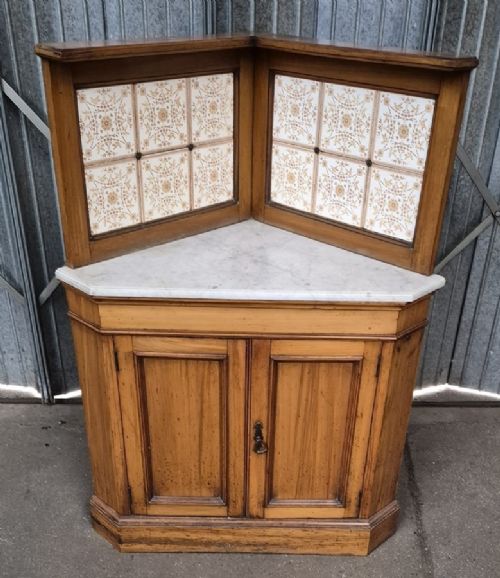
- A piece of furniture designed to hold a basin and pitcher for personal washing. Many feature marble tops and tiled backs to protect walls from splashing.
- Tripod Base
- A three-legged support structure commonly found on small tables and plant stands. This configuration provides stability on uneven flooring.
Edwardian Walnut Stand: Frequently Asked Questions
Where were hall stands placed?
Hall stands were positioned near the primary entrance of a home to accommodate outdoor garments, hats, and walking sticks. Their vertical orientation kept hallways tidy while greeting visitors with polished timber.
They served as the central drop-off point for household members returning from the outdoors.
How do I care for walnut stands?
Maintain walnut surfaces by dusting with a soft cloth and occasionally applying natural beeswax to nourish the grain. Avoid placing wooden items near direct heat sources to prevent the timber from drying.
Keeping humidity stable protects both solid wood and applied decorative veneers.
What is a plant stand used for?
Plant stands elevate potted greenery to improve interior lighting and display foliage at varying heights. They occupy minimal floor space while adding organic texture to corners or windows.
These compact furnishings became increasingly popular for indoor ferns and floral arrangements.
Are these stands suitable for modern hallways?
Compact footprints and vertical designs allow these stands to fit narrow contemporary corridors effectively. They offer genuine utility for hanging coats and storing umbrellas.
Original hooks and compartments integrate practical storage with historical character.