

Edwardian Walnut Armchairs
Edwardian walnut armchairs combine sturdy timber frames with comfortable upholstered or caned seating, offering enduring utility for studies and living rooms.
Edwardian Walnut Armchairs
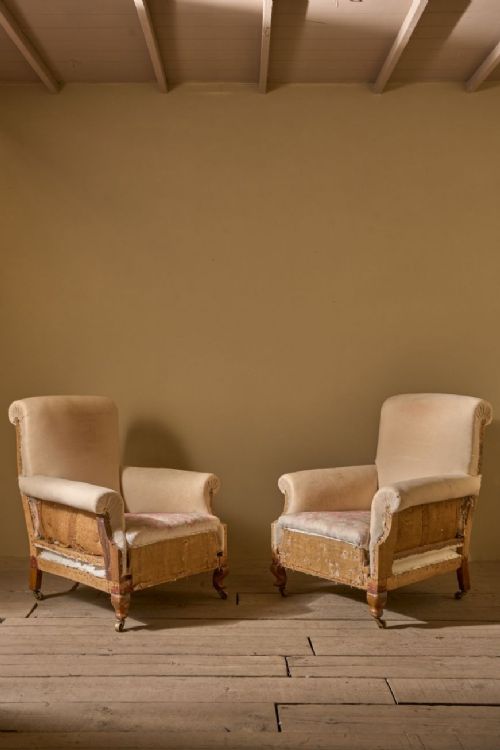
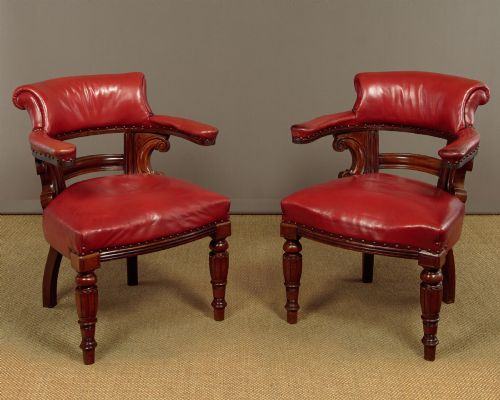
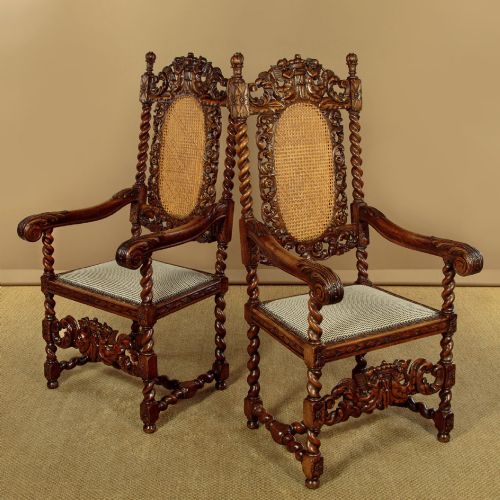
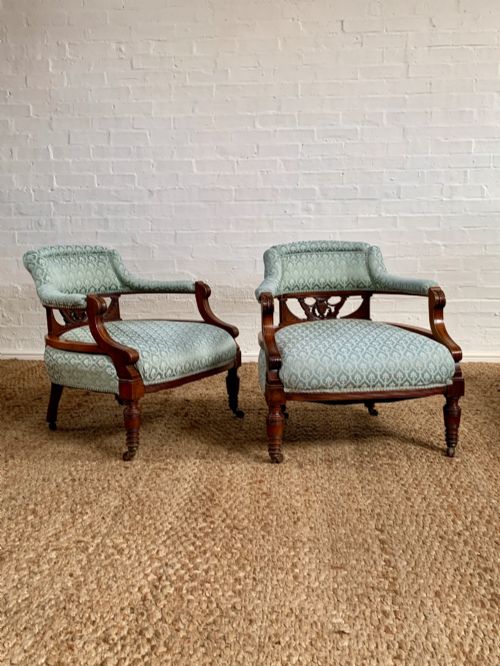
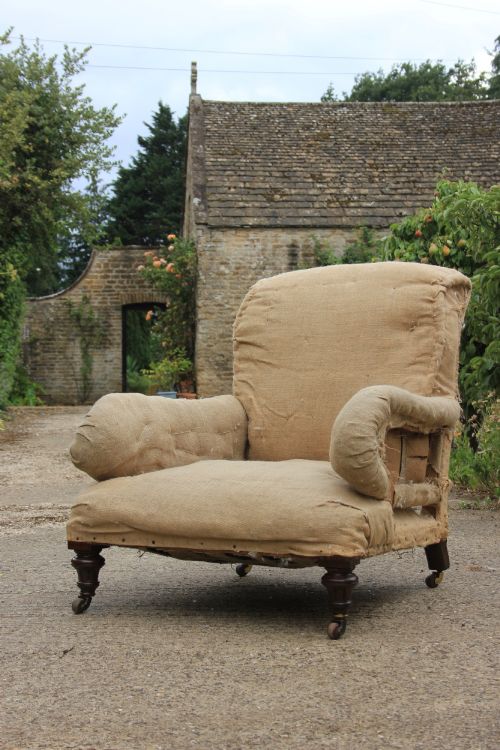
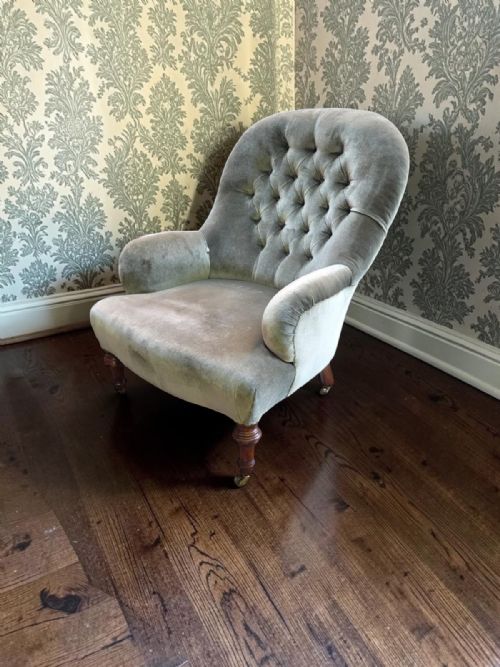
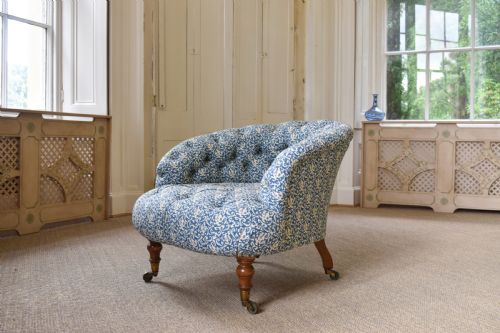
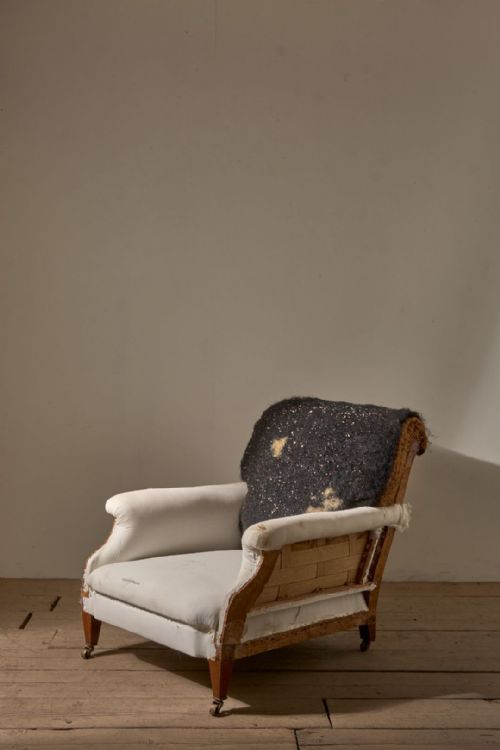
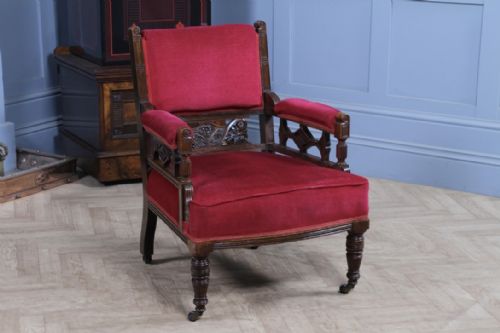
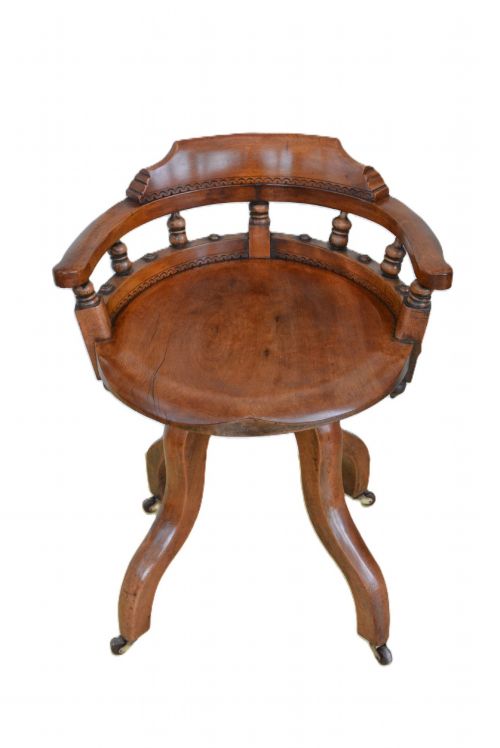
Edwardian walnut armchairs form a distinct category of seating that bridges late nineteenth-century revival styles and early twentieth-century domestic comfort. When searching for Edwardian walnut armchairs, buyers encounter diverse forms ranging from solid timber desk chairs to carved parlour seats and tub armchairs.
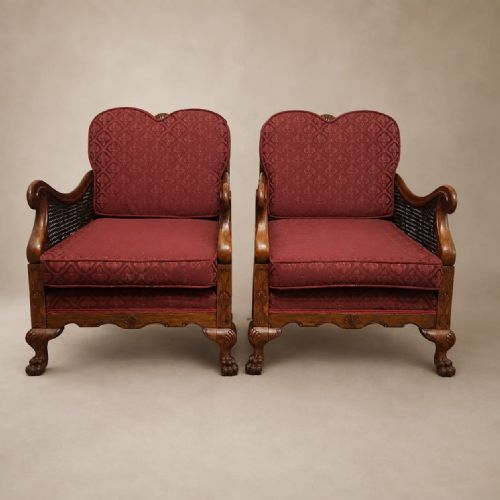
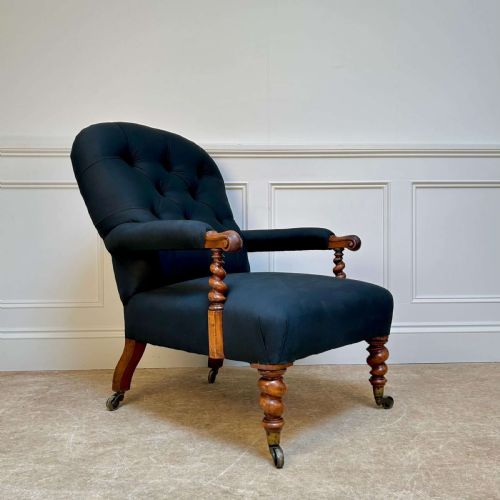
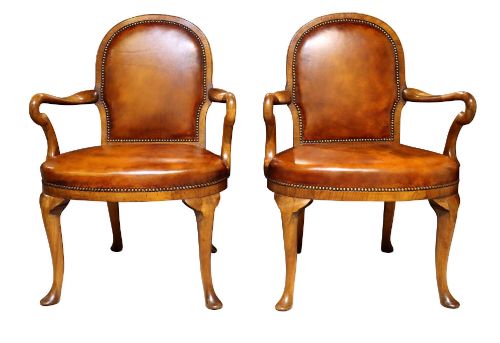
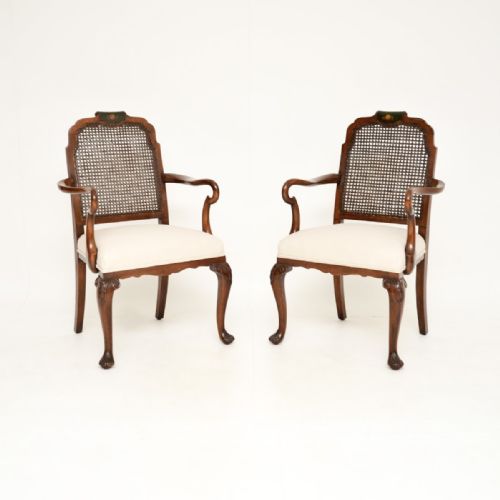
The selections span pieces featuring open arms, split cane bergere panels, and fully upholstered button-back designs. Many examples reflect historical revivals, incorporating Queen Anne style cabriole legs or decorative carving alongside simpler vernacular forms.
Materials and Construction
Makers utilised solid walnut and lacquered walnut for the primary framing, often shaping the timber into curved arms and cabriole supports. Carved details and show-wood frames display the natural grain of the hardwood.
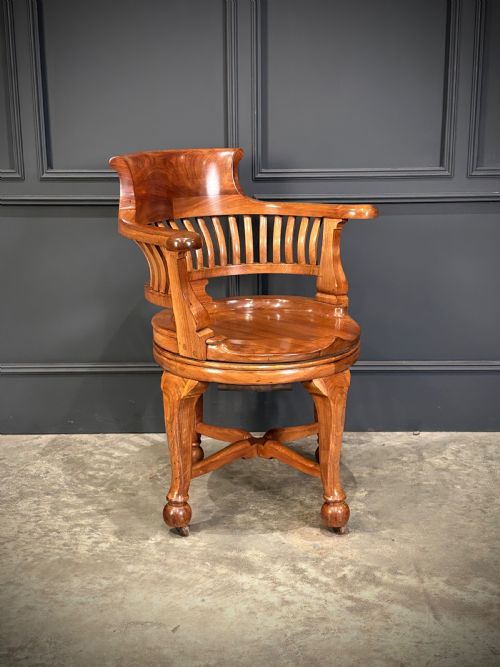
Seating areas rely on textiles such as leather, velvet, fabric, and split cane inserts. Internal construction incorporates traditional upholstery methods, webbing, and metal or brass components where swivel mechanisms are fitted.
Some sturdy office chairs from this era swiveled so smoothly that busy clerks spent more time spinning than filing.
Assessing Quality
Quality in these armchairs rests upon the weight and selection of the walnut timber, the crispness of any carved ornamentation, and the structural integrity of the frame joints. Denser, well-seasoned hardwoods provide stability that lighter or lesser timbers lack.
The standard of upholstery materials, whether original leather, traditional textile, or cane work, dictates the overall finish. Pieces retaining well-preserved cane panels or high-grade leather upholstery demonstrate superior craftsmanship.
Howard and Sons·Hindley and Sons·Shoolbred·SF Cullen
The Edwardian Walnut Armchairs Glossary
- Bergere
- An enclosed armchair with cane or wicker side panels. These seats frequently feature upholstered loose cushions.
- Tub chair
- A curved armchair where the back and arms form a continuous semi-circular enclosure. This form provides a snug and supportive seat.
- Show-wood
- Exposed wooden framing on an upholstered chair. This highlights the carved walnut structure around the fabric.
- Corner chair
- A chair designed to fit into the corner of a room with a diagonal seating orientation. They often feature curved backrests supported by turned wooden pillars.
- Queen Anne style
- A design aesthetic characterised by curving lines, pad feet, and cabriole legs. Walnut was the primary timber utilised during this period.
Edwardian Walnut Armchairs: Frequently Asked Questions
How do I identify an Edwardian armchair?
Edwardian armchairs generally date from the period between eighteen-ninety and nineteen-ten. They often feature lighter proportions than heavy Victorian pieces.
Makers frequently drew inspiration from earlier designs, producing walnut frames with subtle carvings or revival styles.
Are these chairs suitable for a desk?
Certain variations, such as swivel desk chairs and open armchairs, were specifically built for use at a desk or table. Solid walnut construction provides the necessary durability for daily office use.
Buyers can find adjustable swivel mechanisms and stationary office chairs within this category.
How should I care for walnut furniture?
Walnut frames benefit from being kept away from direct heat sources and strong sunlight to prevent the timber from drying out. Occasional dusting with a soft cloth maintains the finish.
Leather and fabric upholstery require cleaning methods specific to their respective textiles.