


Edwardian Wall Shelf
An edwardian wall shelf brings architectural timber and practical display into compact spaces, offering sturdy timber ledges designed to lift storage off the floor.
Edwardian Wall Shelf
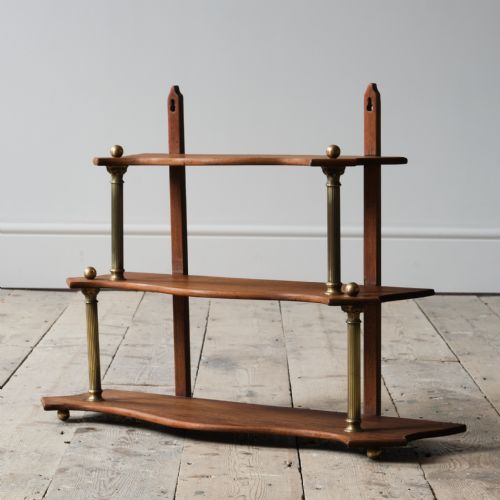
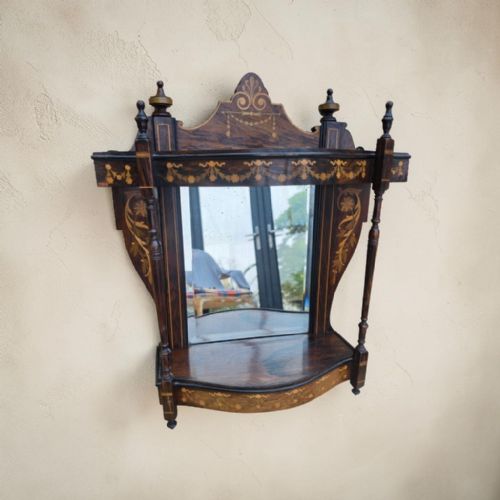
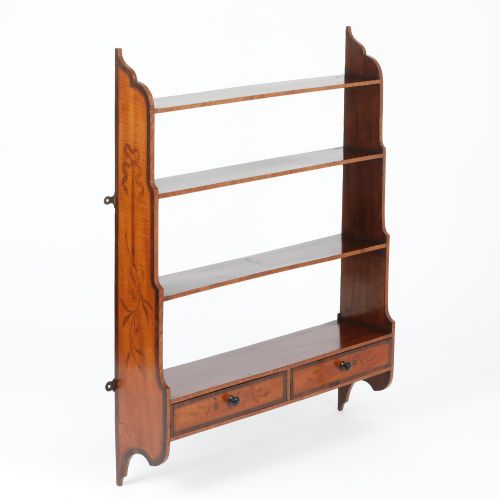
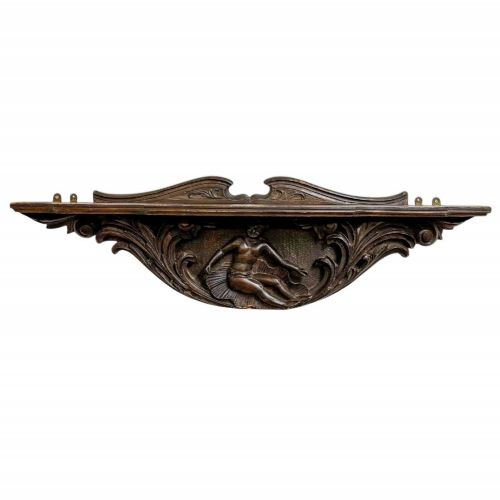
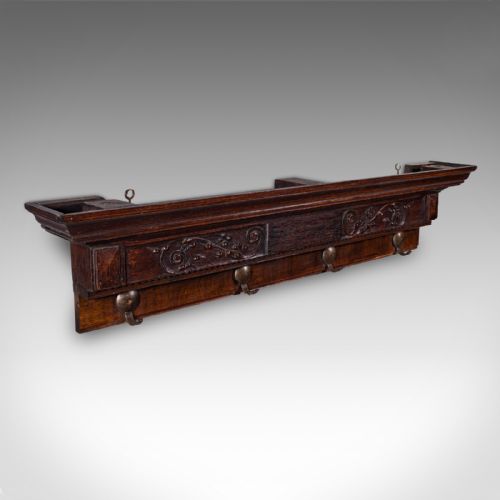
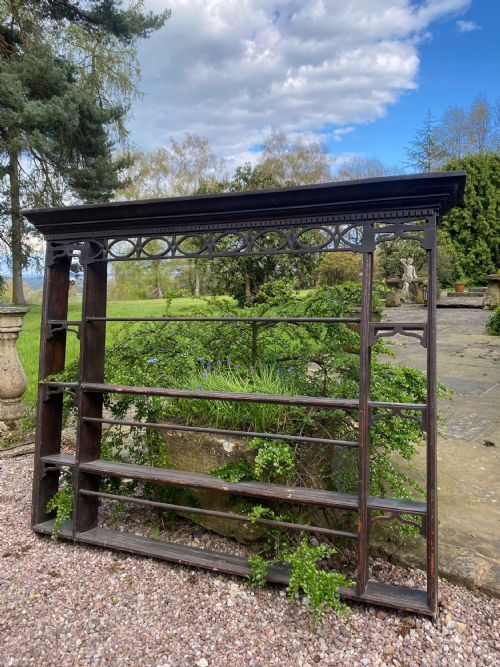
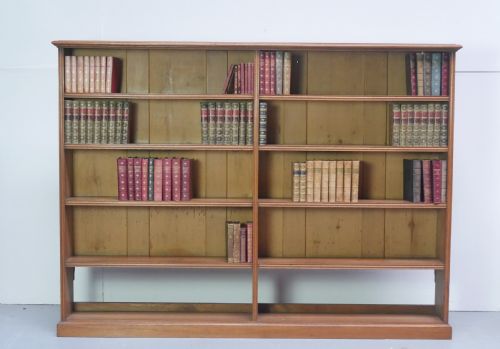
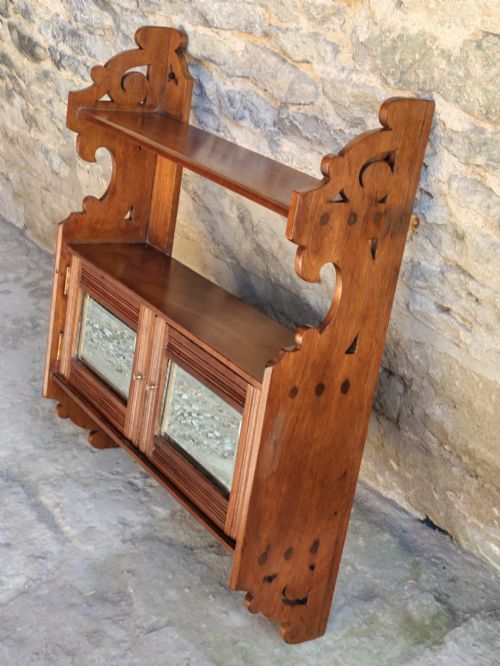
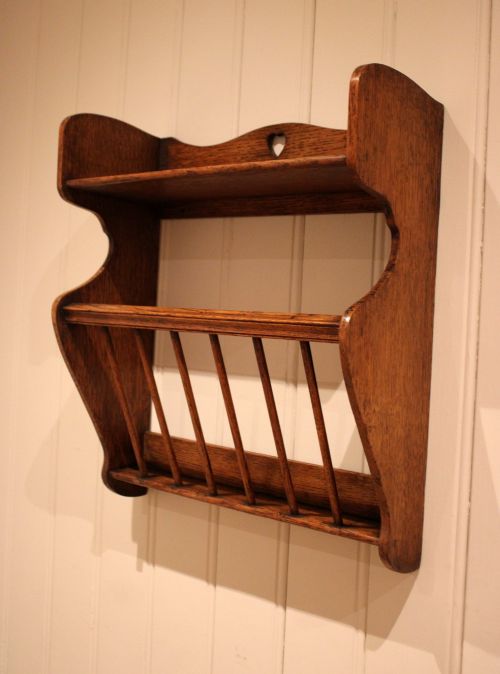
An edwardian wall shelf represents a diverse group of hanging timber furniture designed for display, storage, and utility across domestic interiors. The selections span compact open shelving units, hanging bookcases, combination mirror-and-shelf fixtures, and compartmentalised cabinets intended for hallways, bedrooms, and reception rooms.
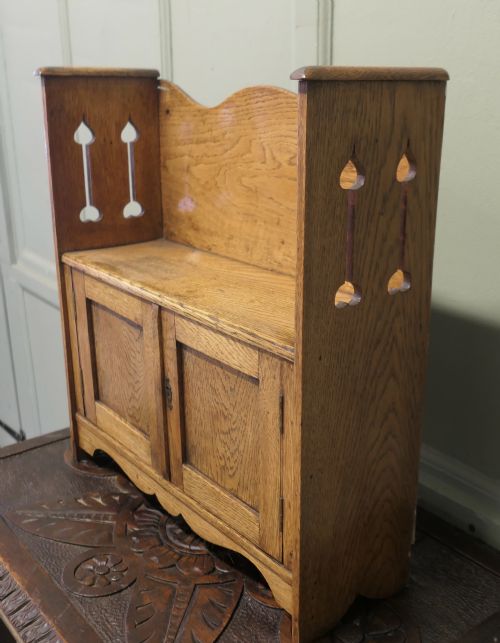
The variants most frequently encountered on this page date from the late nineteenth century through to the early decades of the twentieth century. These include walnut and mahogany hanging shelves, oak arts and crafts book racks, and painted display units designed to utilise vertical wall space effectively.
How they were made
Cabinet makers utilised a range of domestic and imported timbers, predominantly mahogany, oak, walnut, and satinwood, occasionally incorporating brass brackets, hooks, and glass panels for structural support and decorative contrast. Surfaces were finished with polished veneers, intricate inlay work, or applied paint finishes such as traditional pigments.
Construction relied on traditional joinery techniques suited to hanging weight, combining solid timber shelves with panelled backs, carved pediments, and secure mounting brackets. Arts and crafts examples often showcased exposed joinery and hand-carved details, whereas formal Edwardian and Regency styles favoured polished mahogany with delicate stringing.
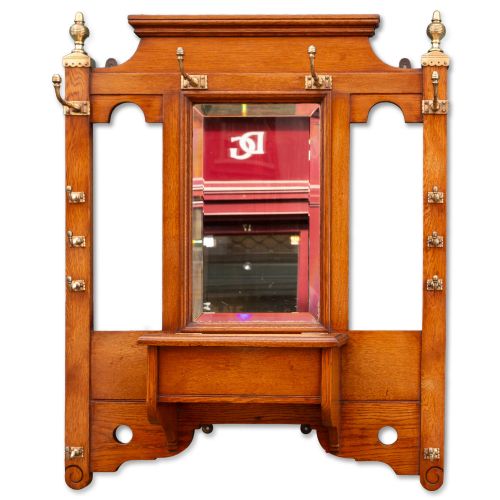
One Edwardian mirror explicitly functions as a last look utility piece, ensuring residents caught a final glimpse of themselves before heading out.
What varies in quality
Quality rests primarily in the selection of timber grain, the precision of inlay or carving, and the structural integrity of the hanging joints. Superior examples exhibit carefully matched veneers, solid brass hardware, and well-proportioned architectural mouldings that remain stable under weight.
Secondary factors include the retention of original glass, mirrors, and hanging fixtures, alongside the finesse of hand-finished surfaces. Pieces displaying refined proportions, such as slim waterfall profiles or integrated mirror frames, demonstrate superior craftsmanship compared to plain utility items.
John Moyr Smith·Liberty & Co·Arthur Simpson
The Edwardian Wall Shelf Glossary
- Overmantel
- A mirror or shelf designed to be hung specifically above a fireplace mantelpiece. These often incorporate small ledges for ornaments or candles.
- Whatnot
- An open set of multi-tiered shelves used for displaying ornaments and small decorative objects. They can be floor-standing or adapted for wall hanging.
- Aesthetic Movement
- A late nineteenth-century design style that emphasised visual beauty over narrative meaning. Pieces from this movement often feature clean lines and artistic craftsmanship.
- Inlay
- A decorative technique where contrasting woods or materials are inserted into recessed portions of a timber base. This creates flat patterns and decorative borders on cabinet fronts and shelves.
- Waterfall bookshelves
- Shelving units where each successive shelf steps back or graduates in depth from top to bottom. This arrangement creates a cascading visual profile against the wall.
Edwardian Wall Shelf: Frequently Asked Questions
How do I hang a heavy wall shelf safely?
Secure the fixture directly into wall studs or masonry using appropriate heavy-duty screws and wall plugs matched to the weight of the timber.
Check that the original hanging brackets or plates on the back of the antique are structurally sound before mounting.
What rooms suit an Edwardian wall shelf best?
These shelves suit hallways, bedrooms, and studies where floor space is limited but surface storage is required for small items.
Combinations featuring integrated hooks or mirrors function particularly well in entrance halls for coats, keys, and final appearance checks.
How do I tell Edwardian styles from Victorian ones?
Edwardian designs generally favour lighter timbers, simpler proportions, and brighter painted or satinwood finishes influenced by neoclassical revivals.
Victorian pieces often display denser, darker walnut and mahogany timbers with heavier carvings, bolder mouldings, and more complex fretwork.
Can these shelves hold heavy books?
Smaller open shelves and delicate hanging bookcases are designed for light volumes, pamphlets, and display ornaments rather than heavy folios.
Inspect the depth of the ledges and the strength of the side supports to determine whether the piece is suited to heavy loading.