

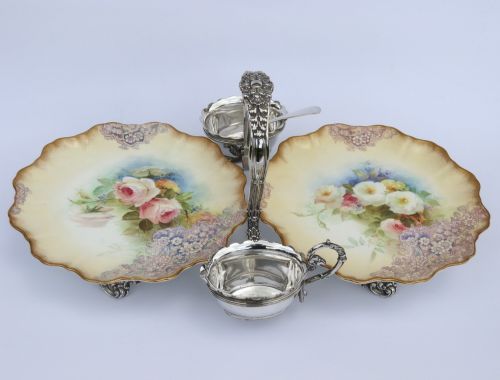


Edwardian Walker Hall Silver
edwardian walker hall silver encompasses functional and decorative metalware produced by a notable Sheffield maker, prized for domestic refinement.

Edwardian Walker Hall Silver
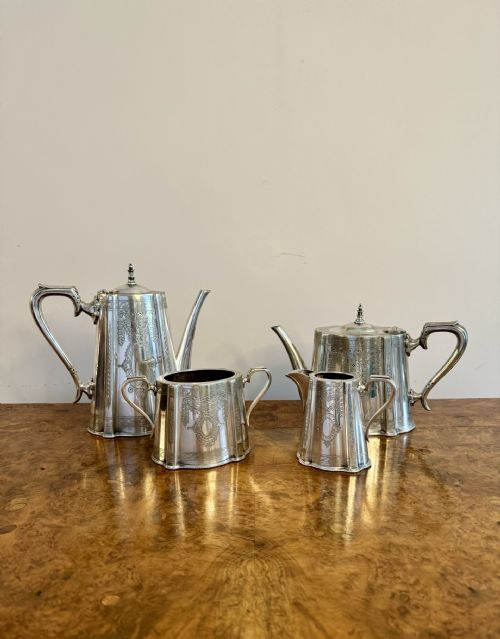
When searching for edwardian walker hall silver, buyers encounter an array of domestic items ranging from tea services and cruet sets to desk accessories and table centrepieces. These objects reflect the formal dining and entertaining habits of the period, produced by the established Sheffield firm Walker and Hall.
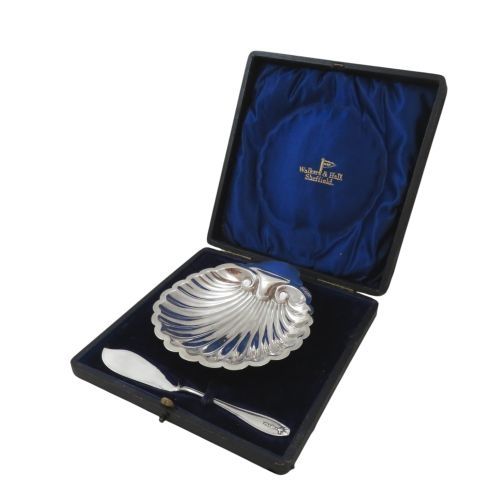
The pieces appearing on this page span solid sterling silver and silver plate, frequently taking the form of tea pots, salvers, baskets, and small boxes. Many retain their original fitted cases or incorporate materials like glass, wood, and enamel.
While the firm operated across multiple decades, the output heavily represents the Edwardian era alongside late Victorian and early Art Deco periods. Tableware and desk items dominate the current selection, offering practical utility alongside decorative metalwork.
How they were made
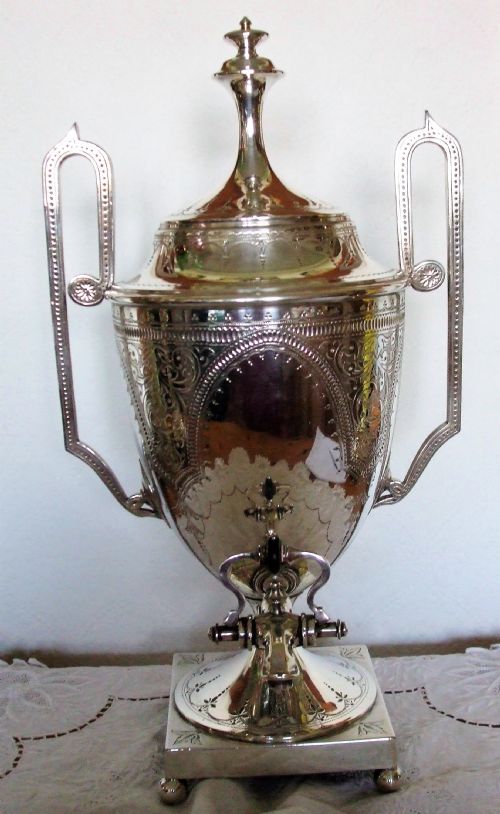
Makers utilised sterling silver and electroplated nickel silver as the primary base metals, shaping them through spinning, stamping, and casting techniques. Items requiring structural durability, such as large trays and samovars, typically rely on plated metal bases.
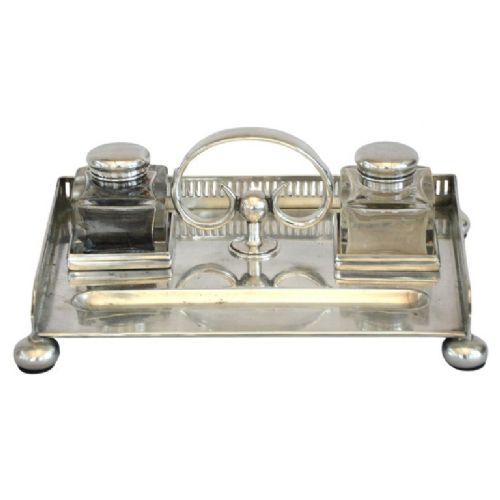
Decorative elements often include pierced lattice work, cast borders, and hand-engraved details applied by Sheffield artisans. Glass inserts, ebonised wood handles, and velvet linings complement the metal components in items like inkstands, decanters, and cutlery canteens.
What varies in quality
Quality in these items rests upon the weight of the metal, the crispness of any chased or pierced ornamentation, and the preservation of the original plating or silver surface. Heavier gauge metal resists denting and maintains sharper decorative relief.
The integrity of secondary materials also influences overall standard, such as the clarity of associated cut glass, the soundness of fitted wooden cases, and the absence of wear on electroplated finishes.
Walker and Hall
The Edwardian Walker Hall Silver Glossary
- Electroplated Nickel Silver
- A base metal alloy of copper, nickel, and zinc coated with a layer of pure silver through electrolysis.
- Sterling Silver
- An alloy consisting of ninety-two point five percent silver and seven point five percent other metals, usually copper.
- Samovar
- A large heated metal urn traditionally used to boil water for tea.
- Cruet Set
- A matched collection of small bottles or containers for holding condiments and sauces at the dining table.
- Epergne
- A large ornamental centrepiece for a dining table featuring multiple branching dishes or baskets.
- Salver
- A flat metal tray used for presenting items or serving drinks.
Edwardian Walker Hall Silver: Frequently Asked Questions
What is Walker and Hall silver?
Walker and Hall was a prominent English manufacturing silversmith and electroplater based in Sheffield, operating extensive works and showrooms.
The firm produced a vast catalogue of domestic silverware, hollowware, and cutlery from the nineteenth century through the mid-twentieth century.
How do I identify Edwardian silver?
Edwardian silver is generally identified through official assay office hallmarks stamped directly onto the metal, which include date letters corresponding to the reigns of King Edward VII.
Stylistic indicators from this period often lean towards neoclassical revivals, lighter pierced work, and distinct floral motifs compared to heavier Victorian designs.
Are these items solid silver or plated?
Walker and Hall produced items in both solid sterling silver and electroplated nickel silver, commonly abbreviated as silver plate.
Hallmarks on the pieces indicate whether the metal is sterling, while plated items typically display the maker's specific marks and trade symbols.
How should I clean silver plate?
Silver plate requires gentle cleaning with a specialised non-abrasive silver polish and a soft cloth to remove tarnish without wearing away the thin coating of pure silver.
Avoiding harsh chemical dips preserves the underlying base metal and any factory-applied oxidised shading within engraved details.