


Edwardian Velvet Seating
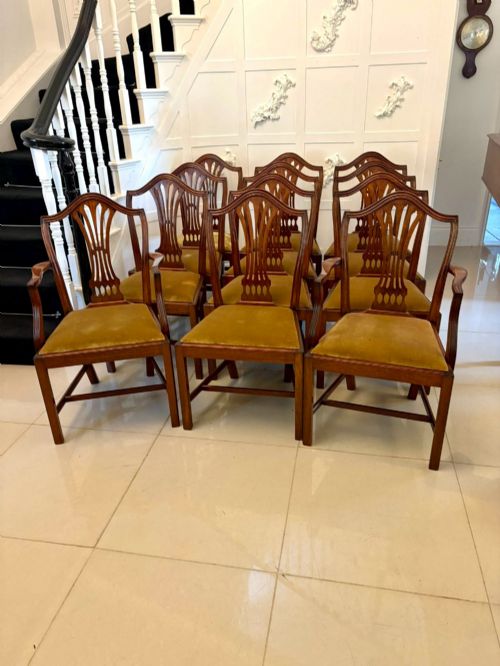
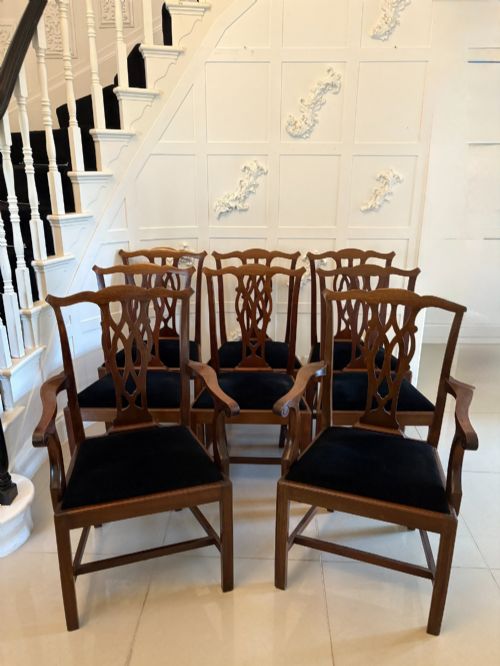
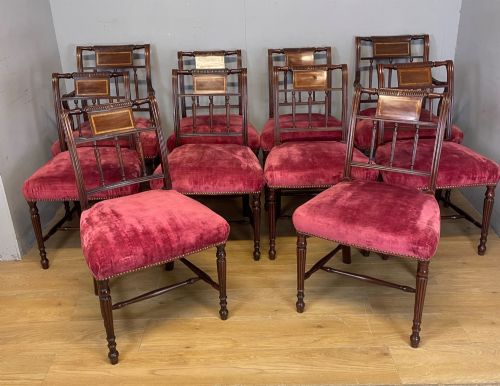
Edwardian velvet seating brings tactile warmth and period elegance to a room, offering comfortable armchairs, settees and dining chairs upholstered in rich pile.
Edwardian Velvet Seating
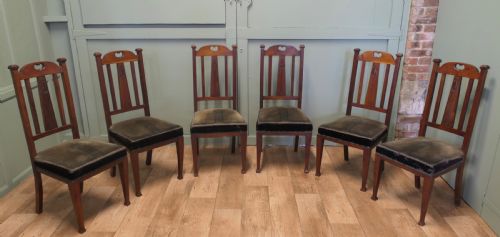
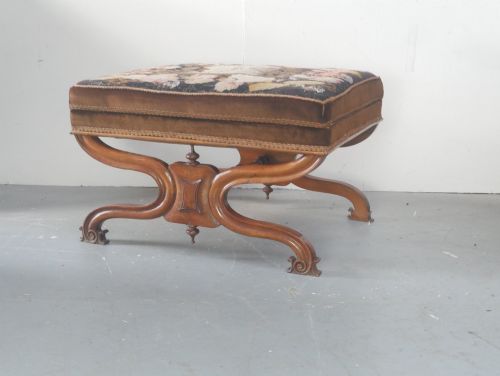
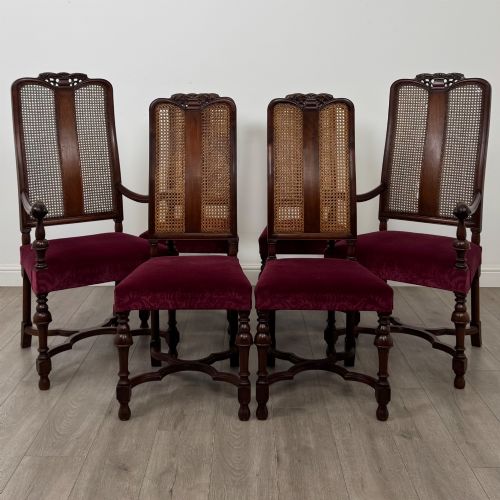
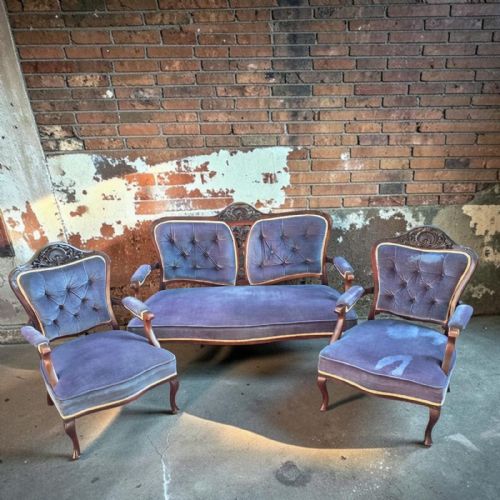
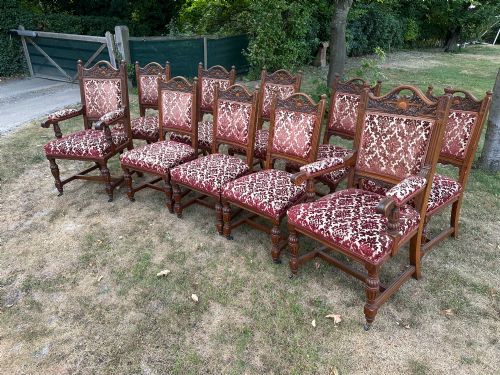
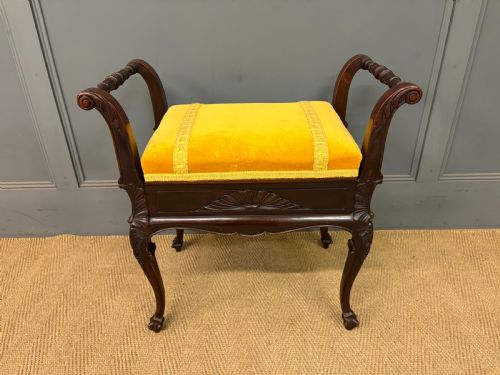
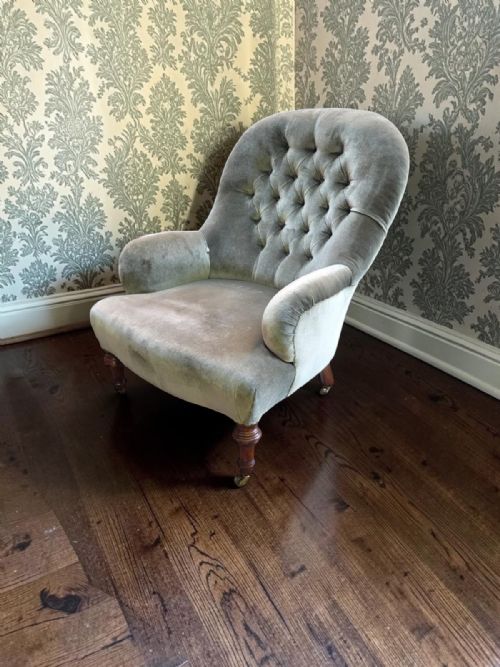
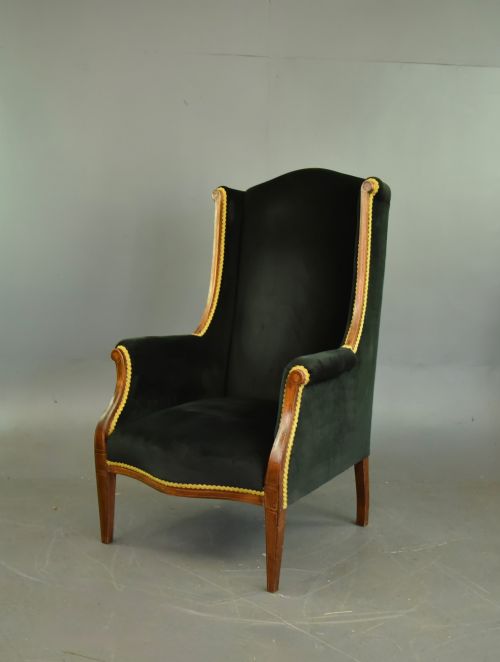
Edwardian velvet seating comprises upholstered furniture designed around the turn of the twentieth century, combining period forms with soft fabric coverings. These pieces range from intimate button-back armchairs and petite sofas to sets of dining chairs and piano stools.
The selection on this page centres heavily on Edwardian and related nineteenth-century examples. Alongside dedicated Edwardian items, buyers frequently encounter Victorian and early twentieth-century pieces executed in revival styles such as Sheraton, Chippendale, and Jacobean.
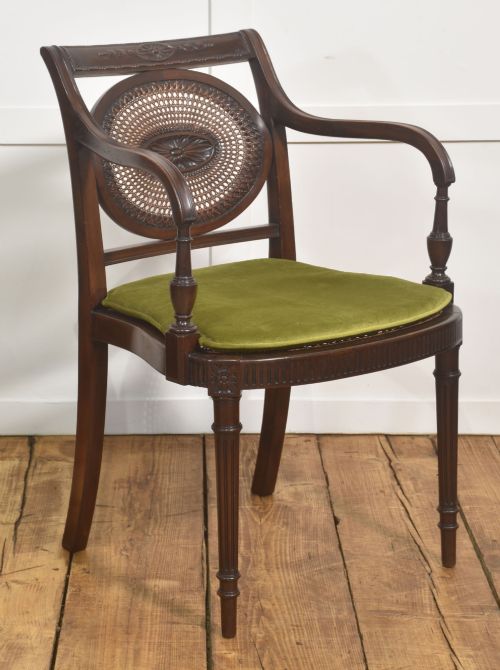
Forms span individual occasional seating, library armchairs, and multi-piece salon suites. Mahogany, walnut, and oak frequently frame the velvet upholstery, supported occasionally by brass details and turned wooden legs.
How they were made
Makers constructed the supportive frames of these seats using hardwoods such as mahogany, walnut, oak, and occasionally ebonised wood or rosewood. Joinery relied on traditional methods suited to the demands of daily use.
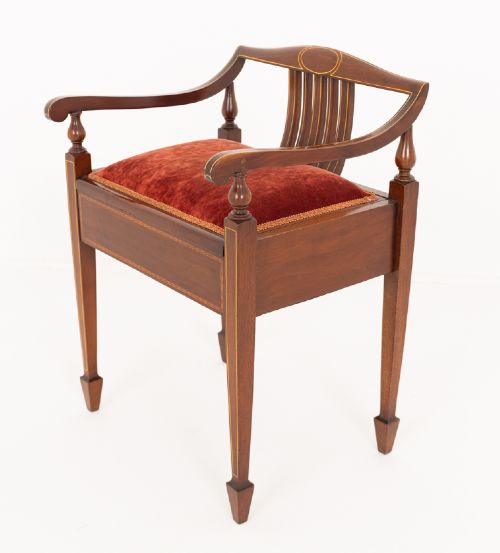
Upholstery techniques incorporated deep buttoning, sprung interiors, and rich velvet textiles, sometimes complemented by cane panels, brass fittings, and intricate inlaid woodwork.
Object forms include dining chairs, piano stools, settees, and library armchairs.
What varies in quality
Quality rests in the crispness of the frame carving, the integrity of the timber selection, and the sophistication of any inlaid details. Finer examples display meticulous attention to structural proportion and decorative harmony.
The execution of the upholstery and the choice of textile elevate a piece, distinguishing standard utility seating from refined salon furnishings designed for formal reception rooms.
Hampton and Sons·James Shoolbred·Blyth and Sons
The Edwardian Velvet Seating Glossary
- Edwardian
- Pertaining to the reign of King Edward VII, spanning from 1901 to 1910, characterised by lighter proportions and refined revival designs. This era follows the heavier Victorian aesthetic.
- Bergère
- An enclosed upholstered armchair with wooden framing, often featuring cane work to the sides and back. It provides a lighter appearance than fully padded upholstered seats.
- Settee
- A small upholstered sofa or bench designed for two or more people, frequently featuring an upholstered back and arms. They appear in both formal salon settings and intimate rooms.
- Inlaid
- Decorated by embedding contrasting pieces of wood, brass, or shell flush into the timber surface. This technique creates delicate geometric or floral patterns.
- Button back
- An upholstery style where depressions are formed in the padding by pulling thread tightly through the stuffing and securing it with covered buttons. It creates a distinctive tufted texture.
Edwardian Velvet Seating: Frequently Asked Questions
What defines Edwardian seating style?
Edwardian seating typically displays lighter proportions and brighter woods than its Victorian predecessor. Makers favoured revival styles like Sheraton and Chippendale alongside simpler inlaid designs.
The aesthetic values comfort combined with elegance, making these pieces adaptable to contemporary interiors while retaining historical character.
How do I identify velvet upholstery?
Velvet is a woven tufted fabric with a dense, short pile that gives it a distinctively soft texture and a rich response to light. It creates a luxurious surface sheen.
In period pieces, velvet appears on button-back armchairs, salon suites, and occasional seats, providing both visual warmth and tactile comfort.
Where were these chairs used?
These pieces originated in formal drawing rooms, libraries, and parlours of large homes. Settees and salon suites furnished reception areas, while piano stools and armchairs served specific domestic tasks.
Today, they transition easily into living spaces, studies, and bedrooms as statement seating.
How do I care for antique velvet?
Antique velvet requires gentle treatment to preserve its delicate pile and historic textile structure. Avoid direct sunlight and moisture to prevent fading and staining.
Light brushing with a soft bristled brush helps maintain the nap, while professional cleaning preserves the integrity of older fabrics.
What is a salon suite?
A salon suite is a matching set of upholstered seating designed for formal entertaining rooms. These groupings typically include a settee and matching armchairs or occasional chairs.
They offer a cohesive decorative scheme that reflects the coordinated interior design tastes of the period.