



Edwardian Vanity
When you search for edwardian vanity pieces, you meet dressing tables, washstands, silver boxes and mirrors made to hold the small items of daily grooming.
Edwardian Vanity
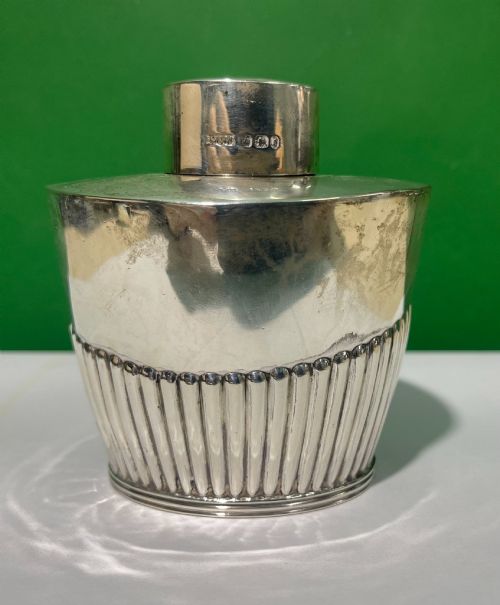
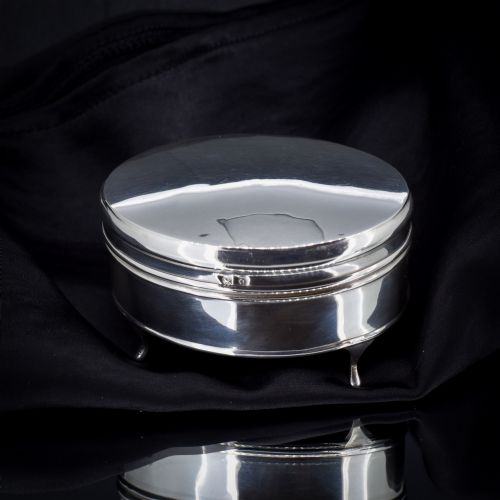
An edwardian vanity selection brings together dressing furniture and tabletop accessories from the early twentieth century alongside adjacent Victorian and George V items. The material evidence centres on mahogany, walnut, sterling silver, glass and brass formed into dressing tables, washstands, mirrors and boxes.
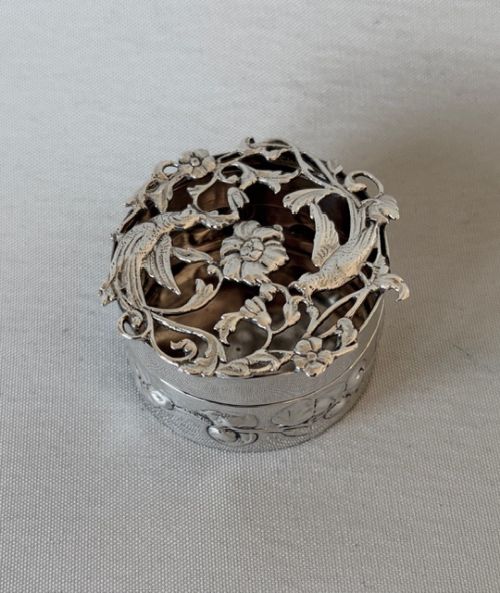
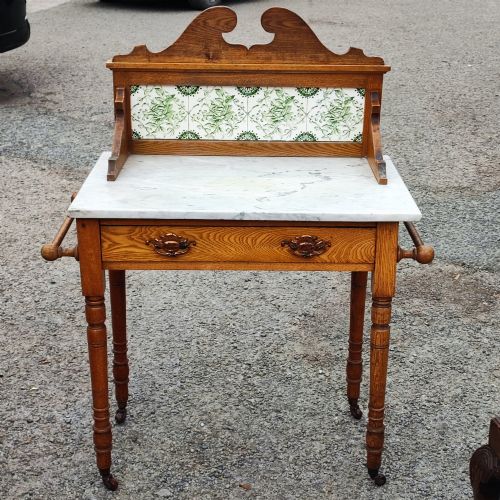
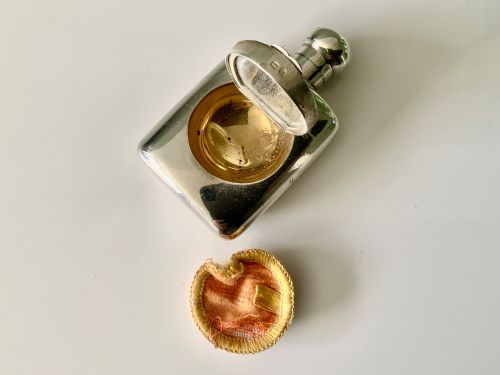
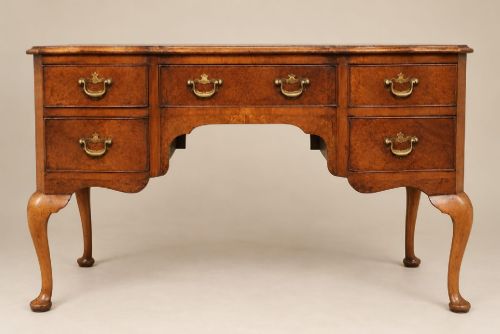
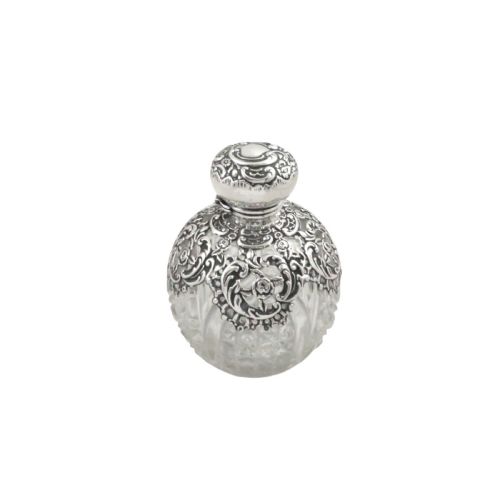
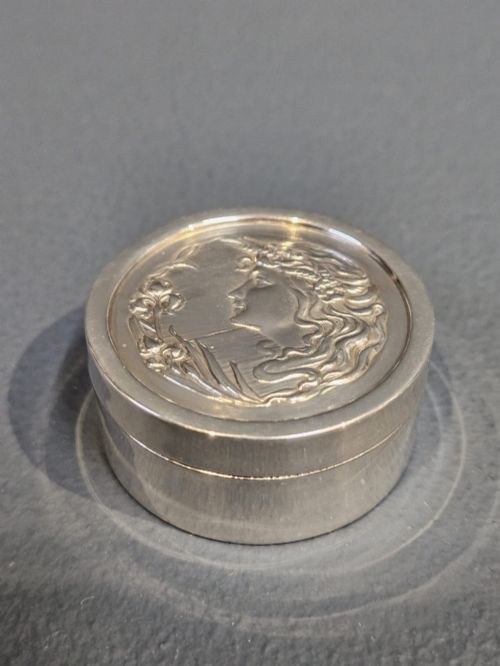
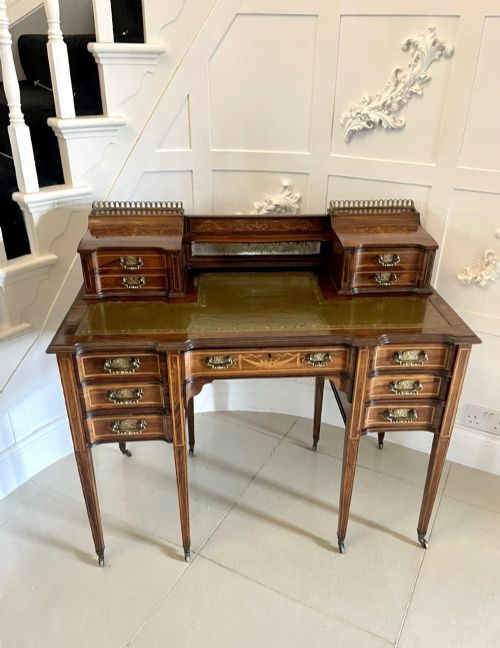
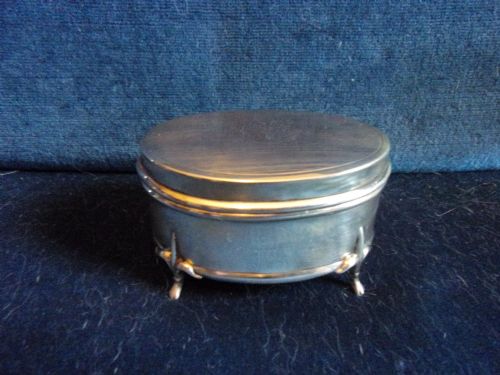
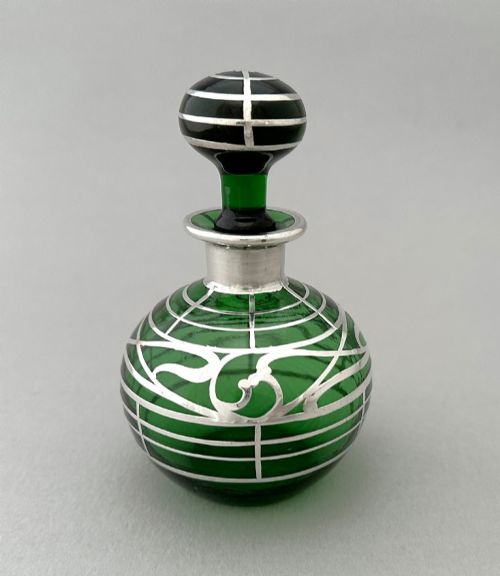
The dominant forms are dressing tables, kidney shaped desks, marble top washstands and smaller vanity items like trinket boxes, scent bottles and hand mirrors. Pieces range from large mahogany dressing stands with inlay to small silver mounted glass jars and enamel boxes.
How they were made
Wood pieces rely on mahogany, walnut and satinwood, often featuring fine carving, inlay work or painted decoration as seen on dressing tables and desks. Structural elements utilise pine and other timbers while marble tops provide durable surfaces on washstands.
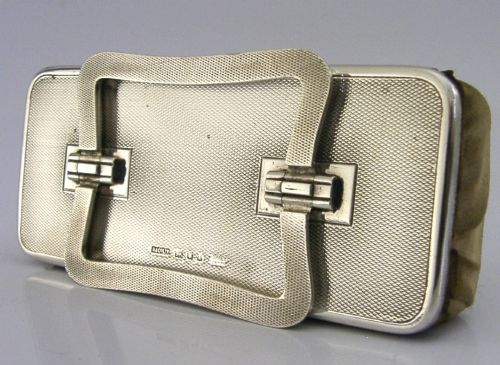
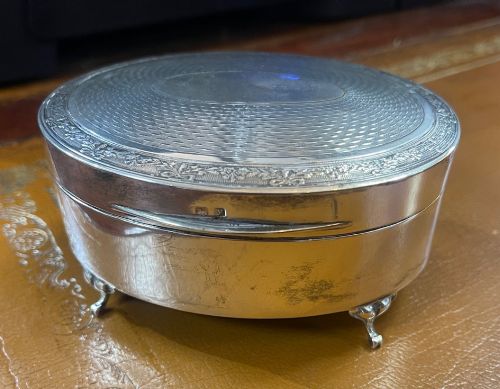
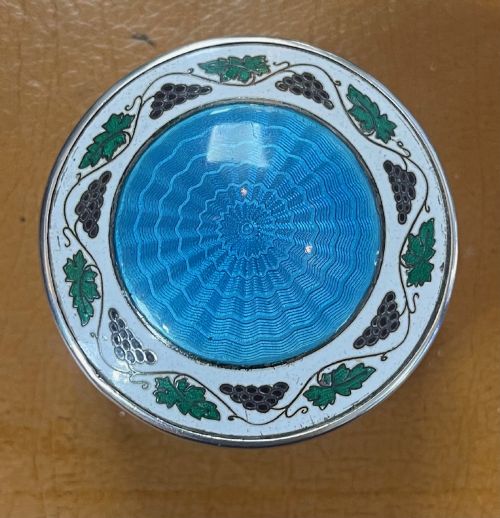
Metal and glass components combine sterling silver, brass and cut glass in boxes, mirrors and scent bottles. Techniques include engine turning, guilloche enamel, hand painted porcelain plaques and detailed silver mounting.
Edwardian Vanity Retail Price Guide 2026
Typical asking prices for edwardian vanity among the pieces listed under this phrase on Sellingantiques today, from the lower quarter to the upper quarter. They describe what is for sale here now, not the wider market.
The listings on this site span from nineteenth century Victorian designs through Edwardian and George V styles up to Art Deco pieces.
What varies in quality
Quality rests on the crispness of timber carving, the precision of wood inlay and the weight of the silver used in mounts and boxes. Finer pieces display careful selection of burr walnut or figured mahogany matched with superior cabinetmaking.
Flashman & Co·Shapland & Petter
The Edwardian Vanity Glossary
- Guilloche enamel
- A decorative technique involving precise mechanical engraving beneath translucent enamel layers. This appears on silver boxes and vanity items.
- Washstand
- A freestanding piece of furniture designed to hold a basin and water jug for washing. Examples feature marble tops and wooden galleries.
- Kidney shaped
- A curved furniture form resembling a kidney bean. This shape is characteristic of freestanding desks and dressing tables.
- Engine turned
- A method of cutting intricate geometric patterns into metal surfaces using a specialised lathe. This finish appears on sterling silver boxes and pill boxes.
- Trinket box
- A small container lined for holding jewellery and small personal accessories. These utilise silver, glass and wood.
Edwardian Vanity: Frequently Asked Questions
What is an edwardian vanity table?
An edwardian vanity table is a piece of dressing furniture produced in the early twentieth century, typically constructed from mahogany or walnut. These tables provide a surface for grooming and often include mirrors and small drawers.
They reflect the style and craftsmanship of the period, ranging from simple washstands to elaborate kidney shaped dressing desks with inlay work.
How do I use a vanity box today?
Vanity boxes and sterling silver trinket boxes serve as practical storage for modern jewellery, small accessories and keepsakes on dressing tables or desks. Their compact compartments keep items organised.
Placing these items around a room adds period character while offering functional storage for everyday small objects.
What materials are common in these items?
The pieces utilise a mix of timbers, metals and glass, predominantly featuring mahogany, walnut, satinwood, sterling silver, brass and cut glass. Marble tops frequently appear on washstands for water resistance.
Decorative additions include enamel, mother of pearl, porcelain plaques and painted surfaces.