


Edwardian Vanity Unit
These edwardian vanity unit pieces combine period practicality and fine timber craftsmanship to anchor a bedroom scheme.
Edwardian Vanity Unit
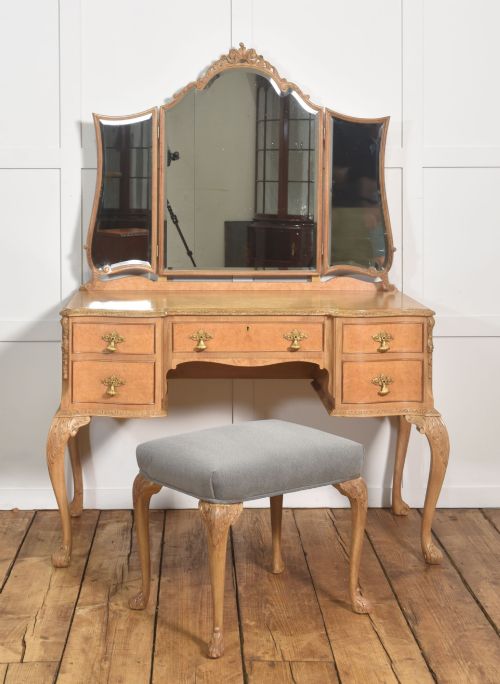
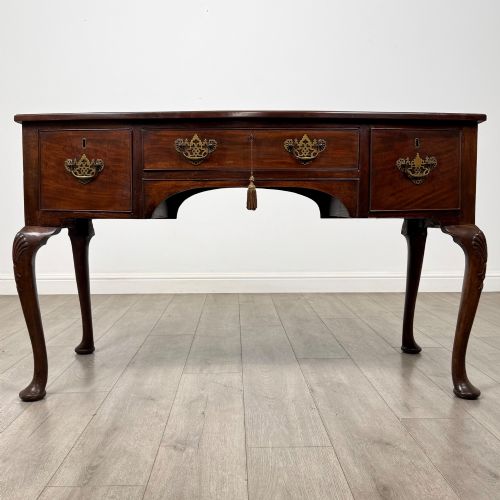
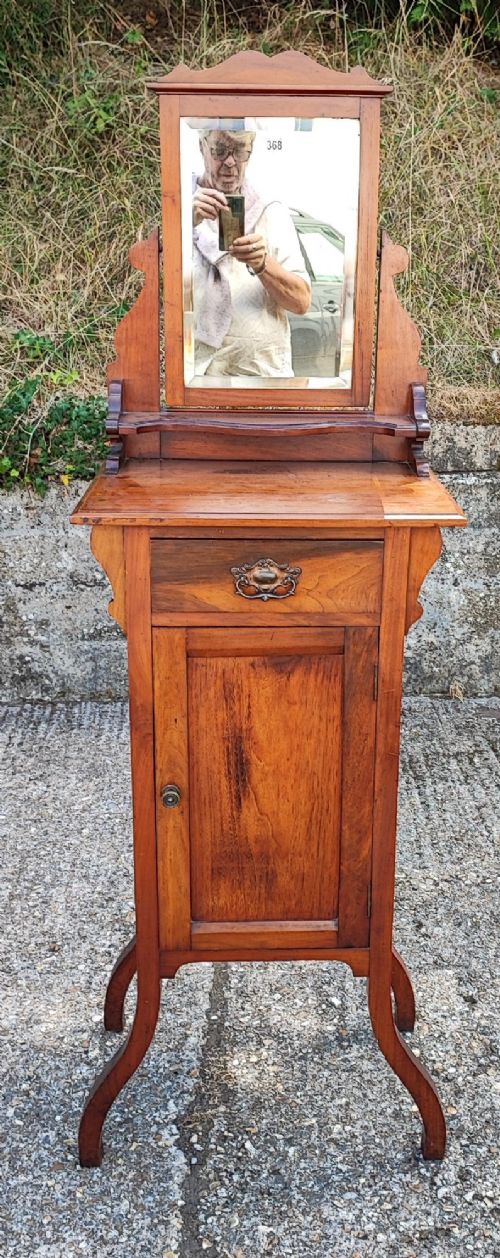
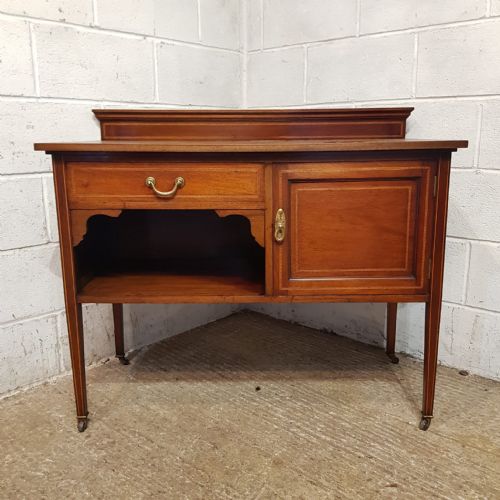
When you search for an edwardian vanity unit, you encounter a practical bedroom furniture form that encompasses washstands, dressing tables, and dressing chests.
The pieces appearing on this page date principally from the Edwardian and Victorian eras, alongside related examples from the nineteenth and early twentieth centuries.
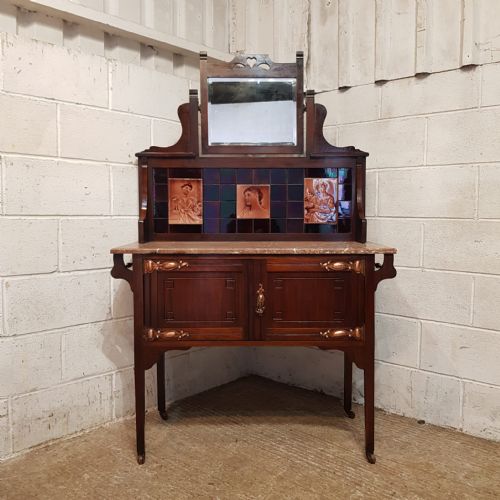
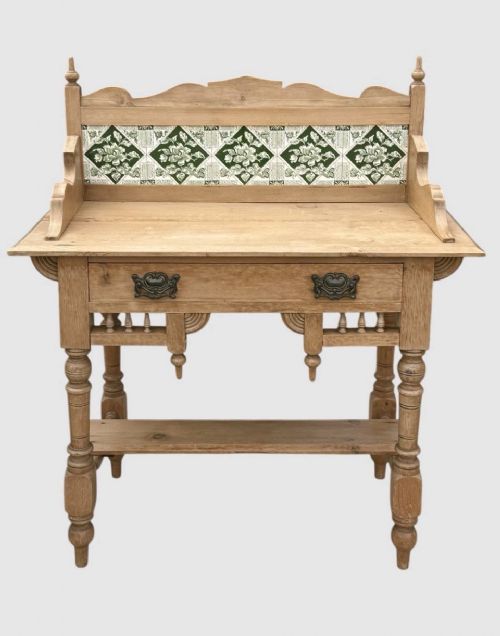
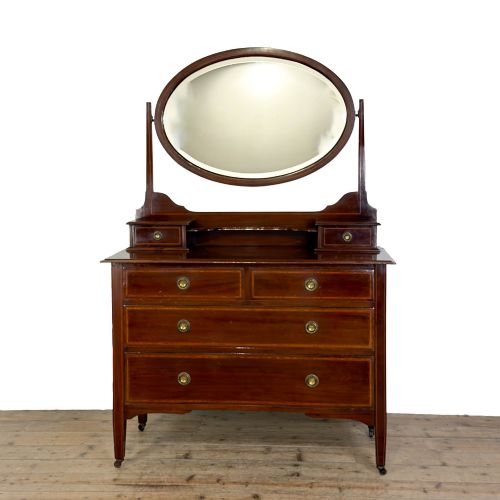
Washstands featuring marble tops and tiled splashbacks appear frequently alongside dressing tables furnished with mirrors and integrated drawers.
Materials and Construction
Cabinet makers utilised a variety of timbers including mahogany, walnut, oak, satinwood, and pine to construct these washstands and dressing tables.
Marble and ceramic components frequently form the functional surfaces of washstands, paired with brass hardware and glass mirrors.
Inlay work, marquetry, and painted finishes provide decorative detail across many pieces, supported by robust traditional joinery techniques.
Materials represented across the furniture include marble, brass, ceramic, and various hardwoods such as mahogany and oak.
Judging Quality
The distinction between tiers of quality rests upon the selection of timber and the precision of decorative inlays and marquetry work.
Substantial marble tops, integrated tiling, and original brass fittings elevate certain washstands above simpler pine or oak iterations.
The sophistication of the cabinet maker's design, from Sheraton Revival styling to Arts and Crafts simplicity, dictates the overall character of each piece.
Edwards and Roberts·Gillows·James Shoolbred·Harris Lebus·Shapland and Petter·Maurice Adams·Maples
The Edwardian Vanity Unit Glossary
- Washstand
- A piece of bedroom furniture designed to hold a basin and jug, often fitted with a marble top and tiled back.
- Dressing Chest
- A combination of a chest of drawers and a dressing table, usually incorporating an attached mirror.
- Marquetry
- Decorative veneer work arranged in geometric or pictorial patterns across the surface of the timber.
- Satinwood
- A light-coloured, hard timber utilised for fine inlays and decorative bedroom furniture details.
- Arts and Crafts
- A design movement favouring honest construction, solid oak materials, and simplicity over ornate revival styles.
Edwardian Vanity Unit: Frequently Asked Questions
What is an edwardian vanity unit?
An edwardian vanity unit typically refers to period washstands or dressing tables designed for personal grooming and bedroom washing facilities.
These pieces combine functional stone or timber tops with storage drawers and mirrors, reflecting the domestic habits of the early twentieth century.
How do I clean a marble top washstand?
Marble surfaces require gentle cleaning with warm water and a neutral soap to preserve the polished finish without chemical damage.
Avoid acidic solutions or abrasive scourers that might etch or dull the stone over time.
Where were these pieces used?
Original locations included bedrooms, dressing rooms, and guest quarters within period townhouses and country residences.
Washstands provided washing facilities before plumbed bathrooms became standard in every bedroom.
How do I distinguish Edwardian from Victorian pieces?
Edwardian furniture generally exhibits lighter timbers, simpler lines, and influences from Sheraton Revival or Art Nouveau styles.
Victorian pieces often display heavier proportions, darker mahogany or walnut, and more ornate marquetry or inlay.