



Edwardian Vanity Compact
These edwardian vanity compact pieces and dressing items bring fine silver and enamel work to the dressing table.
Edwardian Vanity Compact
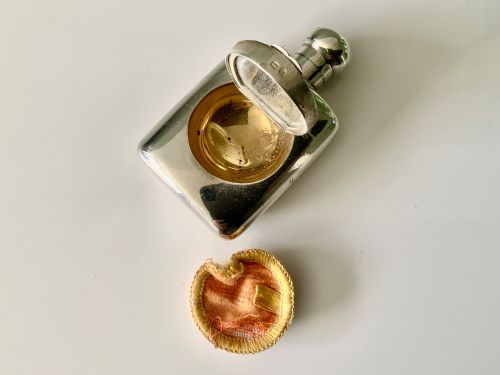
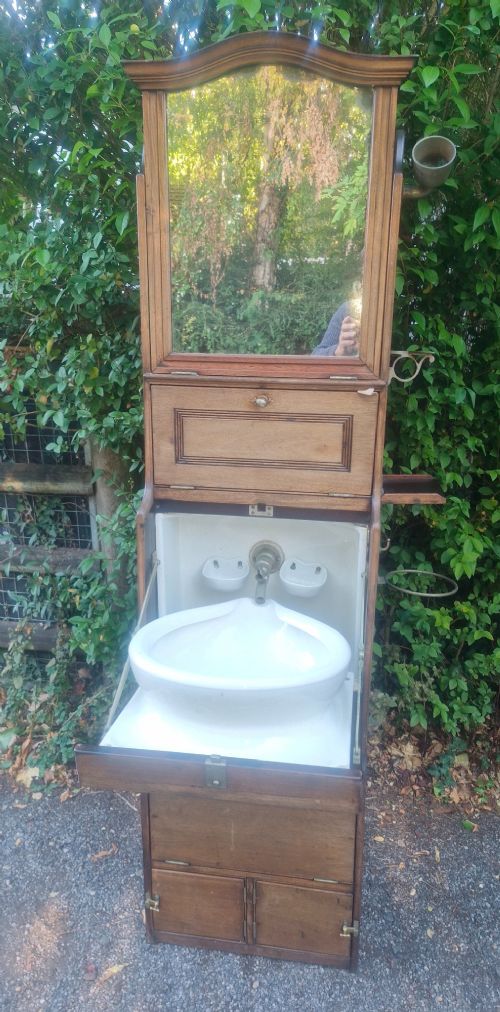
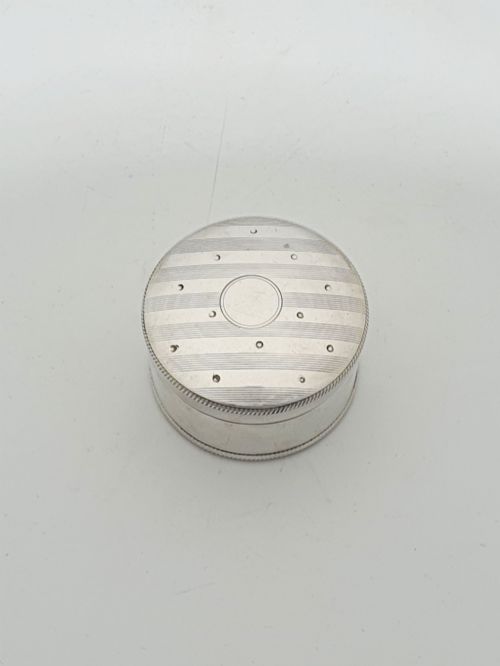
An edwardian vanity compact encompasses a range of small personal accessories designed for grooming and portable use, spanning from pocket pill boxes to powder compacts. Buyers find smaller portable pieces executed in silver and enamel alongside larger dressing furniture such as mahogany dressing stands and washstands.
The selections on this page bridge the late nineteenth century and the art deco period through various practical forms. Objects include pocket watch cases, rouge pots, trinket boxes, and hand mirrors alongside timber furniture fitted with mirrors.
Most items reflect the craftsmanship of the early twentieth century, combining utilitarian function with decorative metalwork and inlaid woods.
How they were made
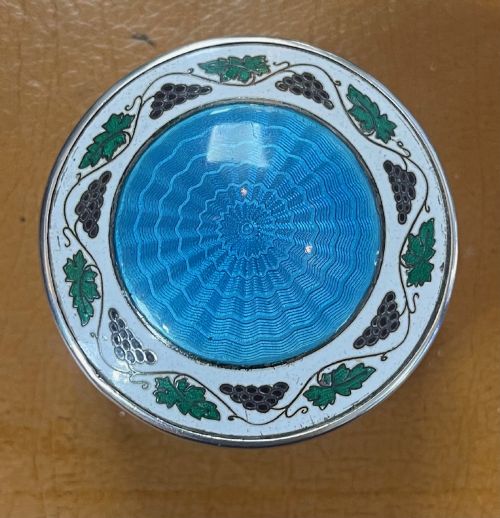
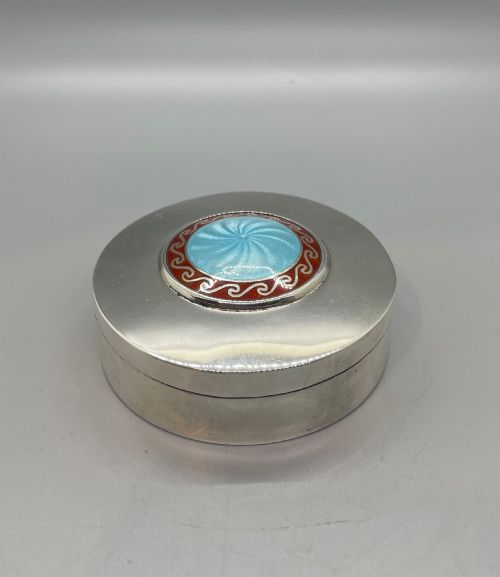
Makers utilised sterling silver and brass as primary metals for small containers, frequently decorating the surfaces with engine turning and vitreous enamel. Guilloche enamel appears extensively, worked in patterns beneath translucent coloured layers.
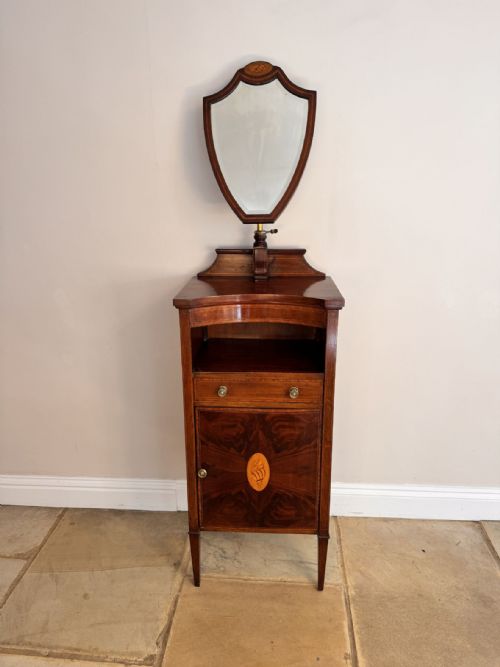
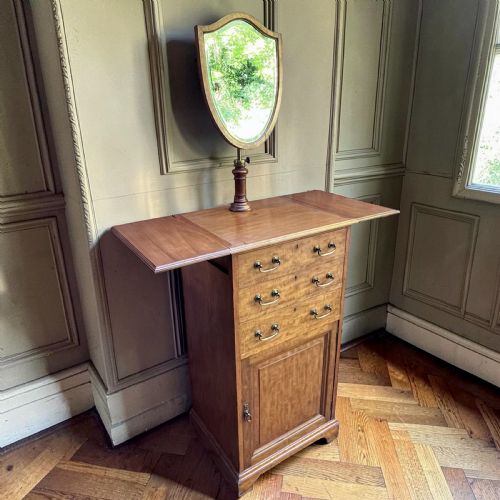
Larger pieces employ mahogany and oak, often featuring inlaid wood details and adjustable mirror frames. Metal items bear assay office marks for cities such as London and Birmingham to certify the silver standard.
Edwardian Vanity Compact Retail Price Guide 2026
Typical asking prices for edwardian vanity compact among the pieces listed under this phrase on Sellingantiques today, from the lower quarter to the upper quarter. They describe what is for sale here now, not the wider market.
A delicate silver flirting mirror allowed Edwardian ladies to observe admirers discreetly across a crowded room.
What varies in quality
Quality rests in the precision of the metalwork, the crispness of engine turned patterns, and the condition of the enamel. Finer examples display intact guilloche work without chipping to the vitreous layers.
In wooden furniture, the standard shows in the joinery, the selection of mahogany veneers, and the retention of original mirror fittings and brass hardware.
Flashman & Co·Henry Matthews
The Edwardian Vanity Compact Glossary
- Guilloche
- A decorative technique where a precise repeating pattern is mechanically engraved into a metal surface beneath enamel. It creates a shimmering geometric background visible through translucent coloured layers.
- Sterling silver
- An alloy of silver containing ninety-two point five percent pure silver and seven point five percent other metals, usually copper. British pieces carry hallmark stamps verifying this proportion.
- Vitreous enamel
- A material made by fusing powdered glass to a metallic substrate at high temperatures. The resulting glossy coating provides durable colour.
- Dressing chest
- A piece of bedroom furniture incorporating drawers for storage and a mounted mirror for personal grooming. These often feature adjustable shield mirrors supported on timber frames.
- Engine turned
- A method of ornamentation produced on a lathe where geometric designs are cut directly into metal. This technique creates a textured surface that catches the light.
Edwardian Vanity Compact: Frequently Asked Questions
What is an edwardian vanity compact?
An edwardian vanity compact is a small personal container used for cosmetics, pills, or grooming tools during the early twentieth century.
These pieces typically feature sterling silver frames and decorative guilloche enamel lid panels.
How do I date silver compact boxes?
Silver items from this era feature hallmarks stamped directly into the metal. These marks identify the assay office, the silver standard, and a specific date letter.
Birmingham and London offices handled the majority of these pieces during the early nineteen hundreds.
What materials are used in these items?
The primary materials include sterling silver, brass, and vitreous enamel alongside hardwoods such as mahogany and oak.
Enamel decoration appears frequently on the metal lids of pocket cases and rouge pots.
How were pocket watch cases used?
Pocket watch cases served as protective travel holders and standing frames for timepieces during journeys or on dressing tables.
Many incorporate folding struts and silver or enamel outer shells.