


Edwardian Tub Desk Chair
An edwardian tub desk chair provides a supportive curved back and a sturdy seat for study.
Edwardian Tub Desk Chair
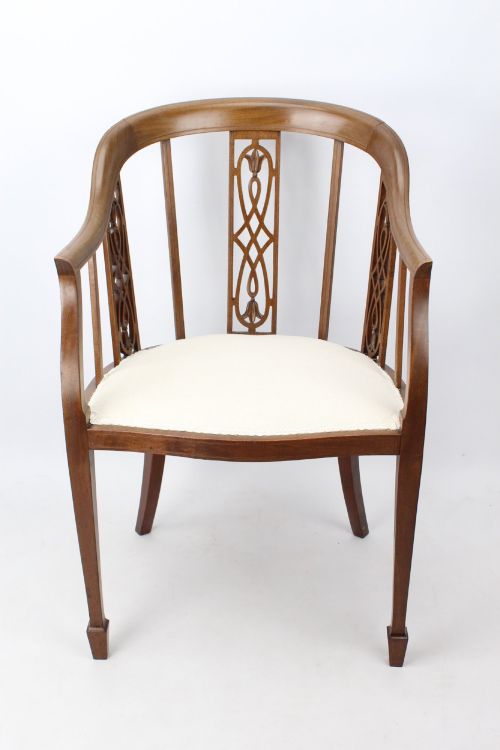
An edwardian tub desk chair brings together the enclosing curved back of a tub form and the practical height needed for a workspace. The listings show these pieces appearing predominantly in Edwardian styles alongside Victorian, 19th Century, and early twentieth-century examples.
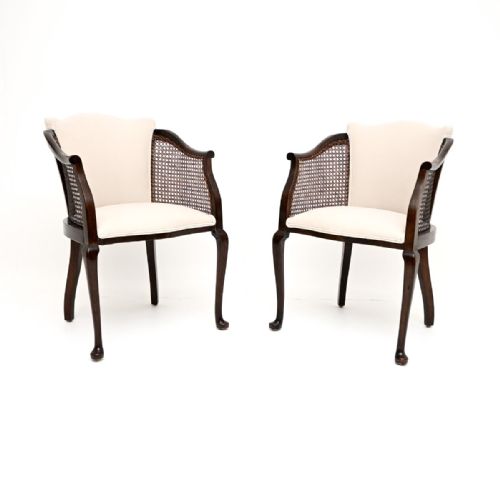
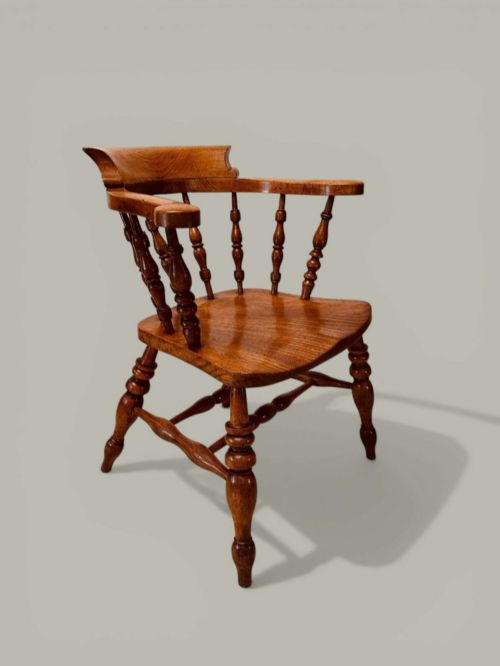
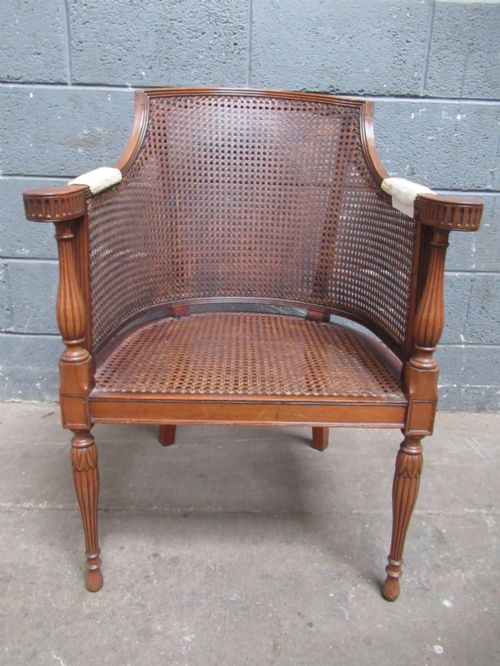
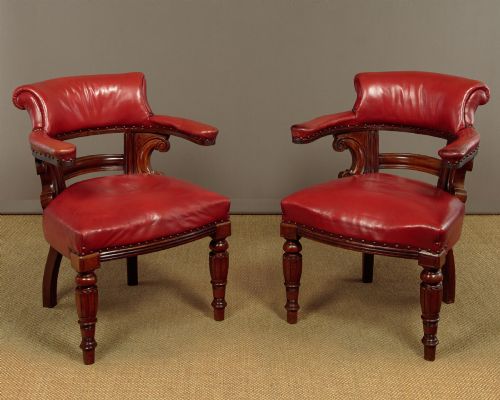
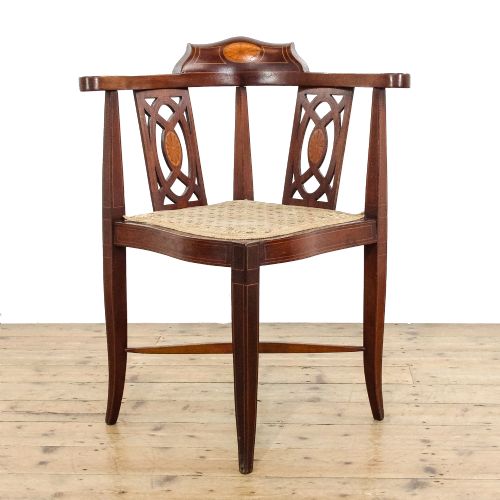
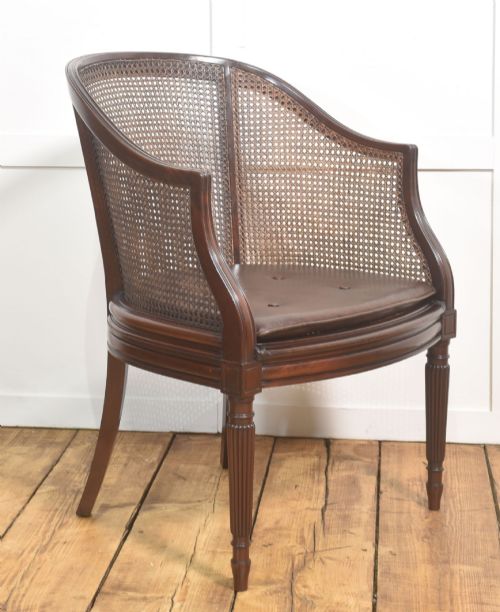
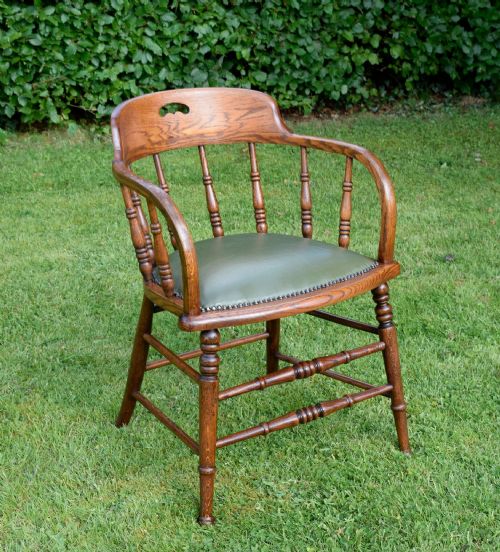
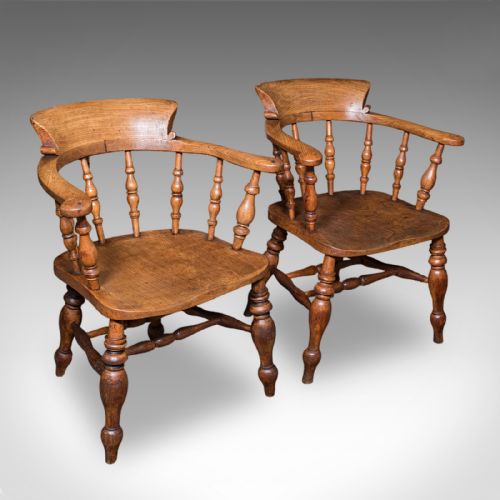
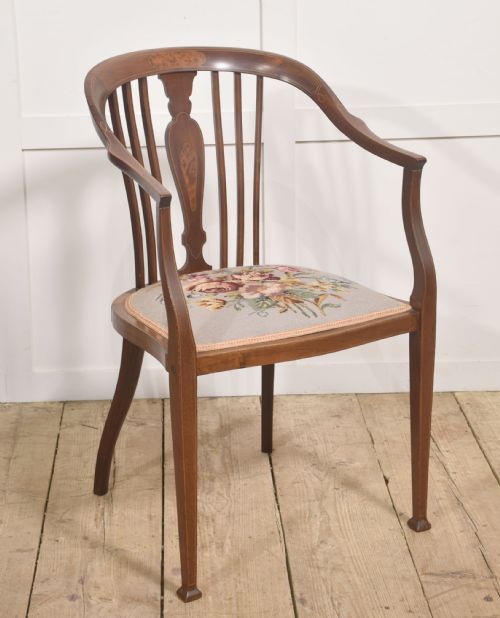
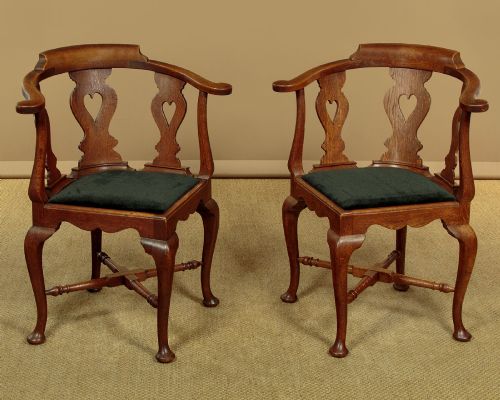
Makers shaped these seating forms as armchairs, desk chairs, and corner chairs designed to fit neatly at a writing table. You will frequently encounter mahogany and oak versions paired with cane, leather, or fabric seats.
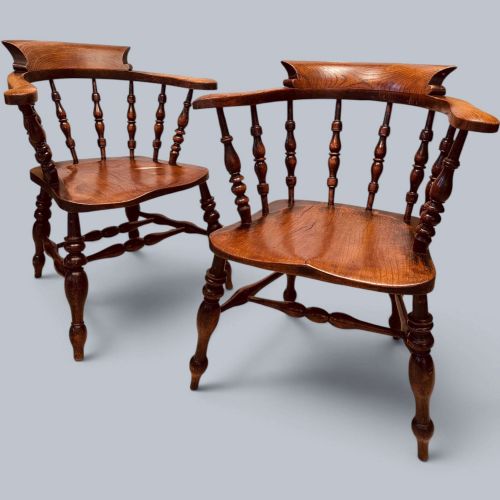
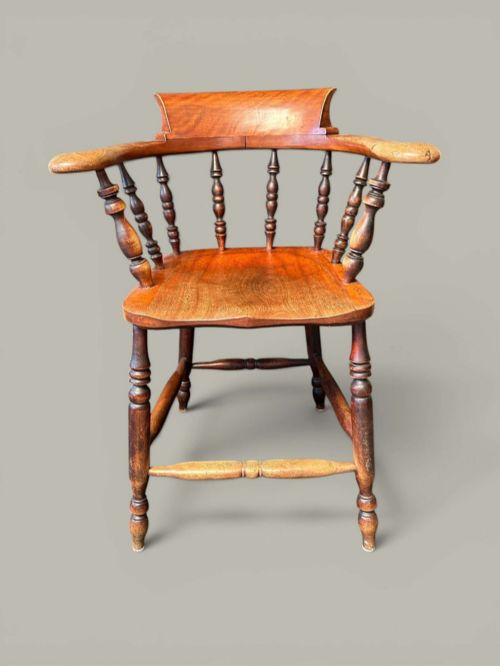
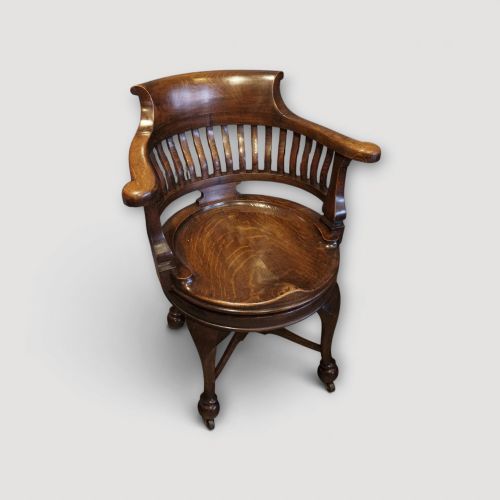
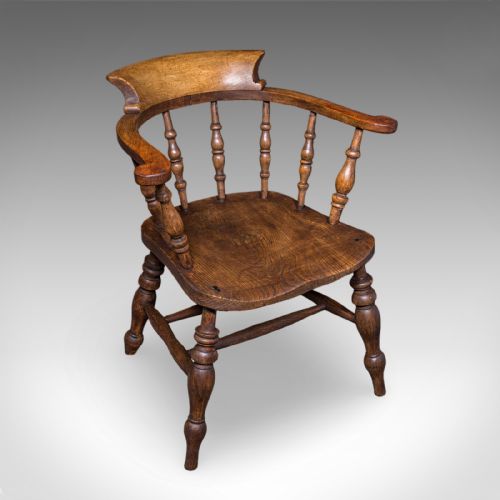
The profile ranges from simpler swivel revolving models to inlaid occasional chairs and robust smoker's bow captain's chairs. Each variation reflects the domestic and office requirements of its period.
Materials and construction
Cabinet makers built the frames primarily using solid mahogany, oak, and occasionally walnut or elm for structural strength. Timber selection dictated how well the curved tub rail could be steam bent or carved without splitting.
Details such as satinwood inlay, brass fittings, and cane panels added decorative contrast to the primary woods. Seats were frequently fitted with leather upholstery, woven cane, or fabric pads secured to a beech or oak underframe.
Edwardian Tub Desk Chair Retail Price Guide 2026
Typical asking prices for edwardian tub desk chair among the pieces listed under this phrase on Sellingantiques today, from the lower quarter to the upper quarter. They describe what is for sale here now, not the wider market.
Several examples include swivel mechanisms, allowing eager writers to pivot away from their desks with dramatic flair.
Judging quality in these chairs
Quality rests upon the integrity of the curved wooden tub rail and the precision of any inlaid marquetry or joinery. Solid timber construction throughout the arms and legs indicates a higher standard of manufacture.
The refinement of the turning on swivel mechanisms and the tightness of cane or leather work separate standard utility seating from finer parlour and library examples.
The Edwardian Tub Desk Chair Glossary
- Tub chair
- An armchair featuring a continuous curved back and armrest rail enclosing the sitter. This shape offers compact support around the lower back.
- Smoker's bow
- A sturdy low-backed wooden armchair with a rounded continuous rail and turned spindles, often utilised as an office or desk seat.
- Marquetry
- Decorative veneer work arranged in pictorial or geometric patterns using various coloured woods. It frequently appears on Edwardian mahogany frames.
- Swivel desk chair
- A revolving seat mounted on a central pivot mechanism allowing rotation. These often incorporate oak or mahogany frames with adjustable heights.
- Caned seat
- A seating surface woven from rattan or cane strips. This technique provides a light, flexible grid that supports the sitter.
Edwardian Tub Desk Chair: Frequently Asked Questions
How do I date an edwardian tub desk chair?
Dating relies on identifying timber choices, construction methods, and stylistic motifs recorded in the evidence. Edwardian pieces often feature lighter mahogany frames, satinwood inlay, and tapered legs.
Earlier Victorian or 19th Century examples tend to display heavier proportions, darker finishes, and solid oak or elm construction. Examining the joinery and under-frame provides further clues to the exact decade of manufacture.
Were these chairs used only at desks?
These seating forms served multiple purposes across domestic and professional interiors. While many functioned as library or office desk chairs, others served as occasional parlour seating or corner chairs.
The curved tub design and supportive armrests made them versatile enough for reading corners and writing tables alike.
How do I care for leather and cane seats?
Leather upholstery requires regular conditioning to maintain flexibility and prevent the material from drying out. Gentle cleaning avoids damaging the original surface finish.
Cane seats benefit from occasional light dampening to keep the rattan fibres pliable and prevent snapping under pressure.