


Edwardian Travelling Luggage
Edwardian travelling luggage brings robust craftsmanship and historical character into modern interiors, offering durable storage solutions with genuine period provenance.
Edwardian Travelling Luggage
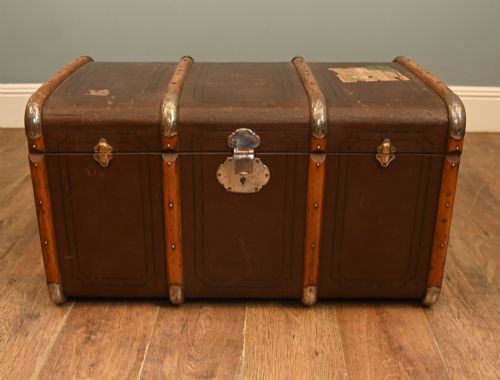
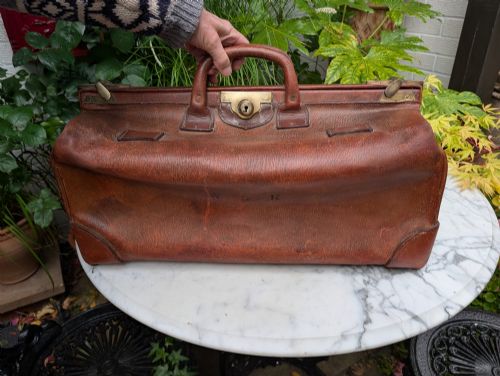
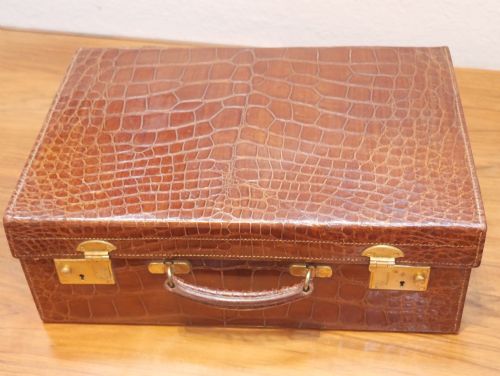
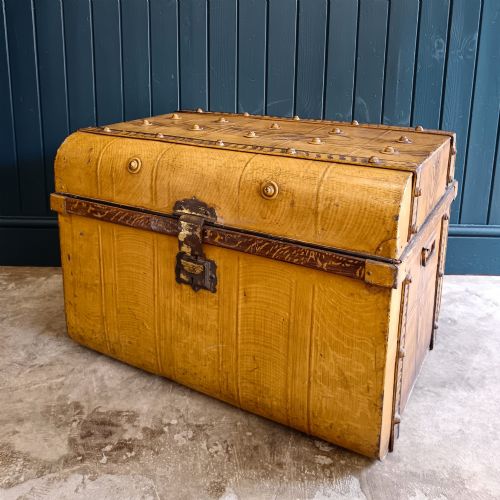
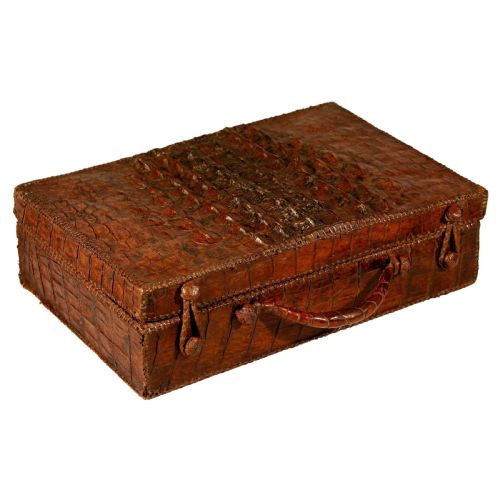
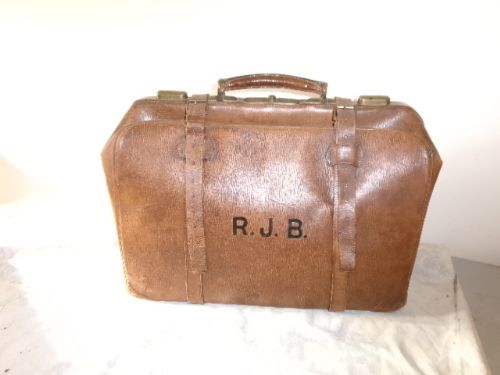
Edwardian travelling luggage encompasses a diverse array of trunks, chests, suitcases, and hat boxes designed for transit during the late nineteenth and early twentieth centuries. These pieces reflect the expanding mobility of the era, ranging from heavy steamer trunks intended for ocean liners to compact leather Gladstone bags and vanity cases used for weekend journeys.
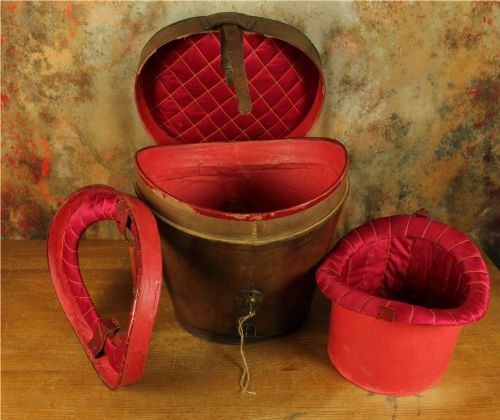
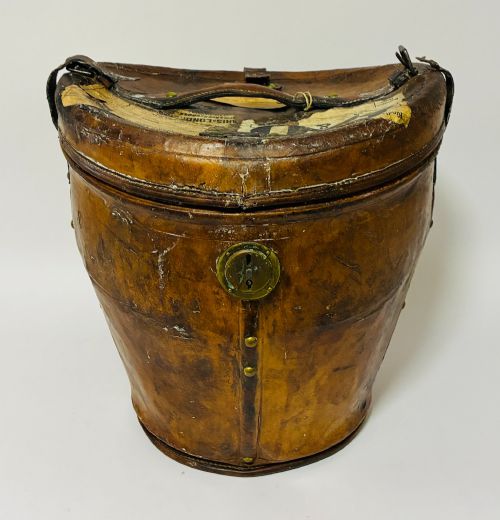
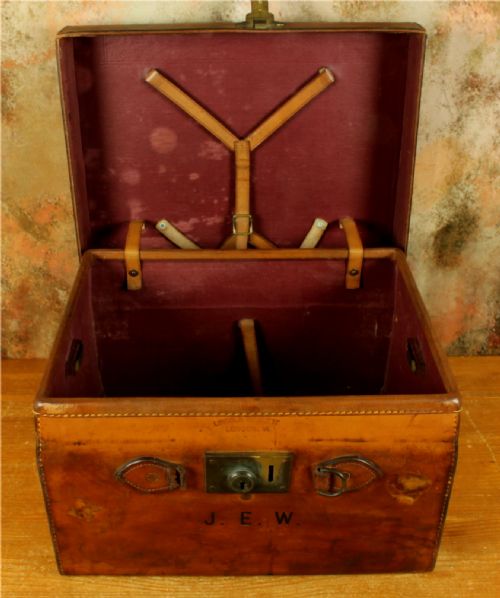
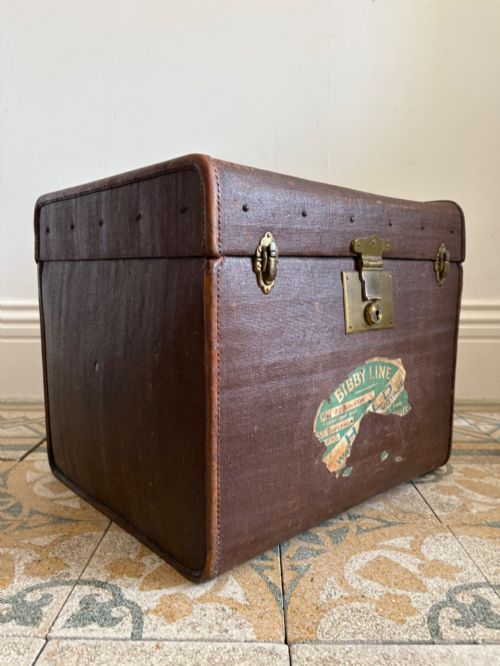
Buyers seeking edwardian travelling luggage most frequently encounter leather, canvas, and metal cases originating from the Edwardian period alongside adjacent Victorian and early twentieth-century examples. Forms vary from large storage chests and fitted gentleman's suitcases to specialised containers like double hat boxes and veterinary field kits, often retaining original travel labels or brass mounts.
Materials and construction methods
Makers utilised robust natural materials including heavy-grade leather, treated canvas, and solid woods such as oak, reinforced with structural iron, brass hardware, and sheet metal. These protective exterior layers shielded contents from the rigours of transit via train, steamship, and horse-drawn carriage.
Internal layouts frequently incorporated fitted compartments, wooden framing, vellum linings, and specialised fixtures designed to secure garments, top hats, or grooming items during movement.
Available object types include steamer trunks, Gladstone bags, hat boxes, and fitted gentleman's suitcases with original interiors.
Determinants of quality
Quality rests upon the integrity of the structural framing, the grade of the primary material such as thick hide or durable canvas, and the retention of original hardware like brass locks and reinforced corners. Superior examples display meticulous hand-stitching and robust internal fittings.
The presence of maker stamps, original travel labels, or custom monograms elevates a piece by documenting its specific provenance and historical journey.
Lincoln Bennett·Finnigan's Manchester·Army and Navy·Allen of London·John Pound·Harrods·C. Antrobus·Finnegans of Bond Street London·Louis Vuitton·Goyard
The Edwardian Travelling Luggage Glossary
- Steamer trunk
- A low-profile luggage chest designed to fit beneath a cabin berth on an ocean liner. These cases utilised durable canvas or leather over wooden frames to withstand maritime transit.
- Gladstone bag
- A portable travelling bag featuring a rigid metal frame that opens wide into two equal compartments. It typically utilised heavy leather construction with a central clasp.
- Vellum
- A fine parchment material prepared from calfskin, used historically to cover luxury suitcases and trunks for a smooth, resilient finish.
- Portmanteau
- A large leather travelling case that opens into two distinct sections for garments. The term denotes traditional luggage built for extended journeys.
Edwardian Travelling Luggage: Frequently Asked Questions
How do I clean old leather luggage?
Maintain the material by applying a specialised leather conditioner to nourish the dry hide and preserve its original tone without removing historical patination.
Avoid using harsh chemical cleaners or excessive water, which can damage stitching and warp the underlying wooden or canvas structure.
Were these trunks used on ocean liners?
Many low-profile steamer trunks and cabin cases were specifically constructed to slide neatly under the berths inside passenger ships during trans-atlantic crossings.
Heavier storage chests were typically stowed in the ship's hold and retrieved when passengers required access to their main wardrobes.
How can I date an antique trunk?
Examine the materials, manufacturing techniques, and any visible maker marks or railway transit labels attached to the exterior surface.
Innovations in hardware, such as the introduction of sheet metal or specific brass lock designs, often provide a reliable window into the decade of production.
Can I use vintage trunks for storage?
These robust containers provide practical storage solutions for blankets, seasonal clothing, and household items while adding historical character to a room.
Ensure the interior is clean and dry before storing textiles, and place the chest away from direct heat sources to protect the aged materials.