
Edwardian Timepiece Clock
When you search for an edwardian timepiece clock, you enter a world of dependable domestic timekeeping shaped by mahogany cases and polished brass.
Edwardian Timepiece Clock
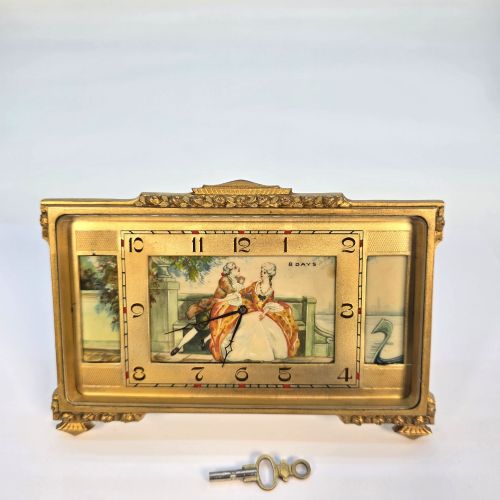
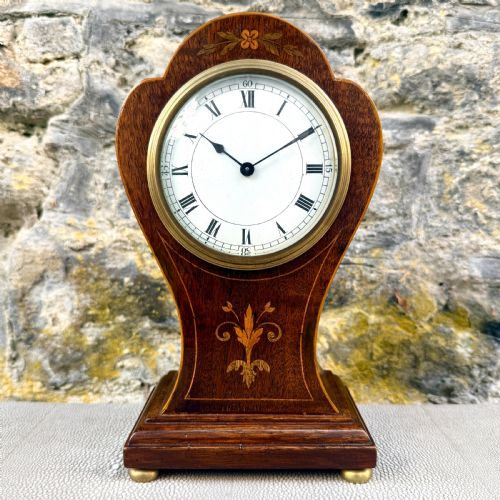
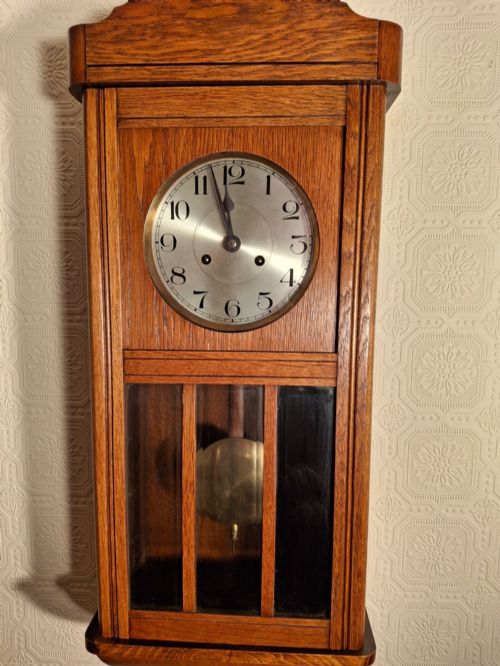
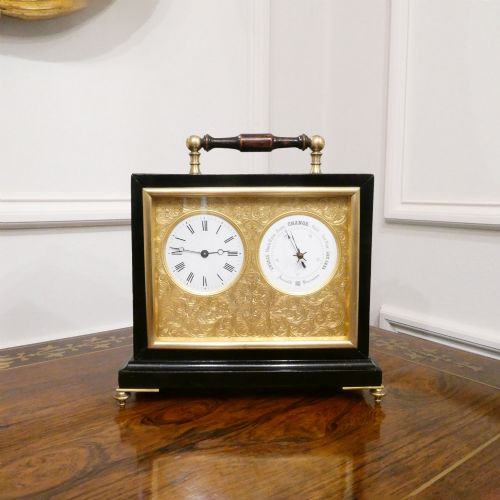
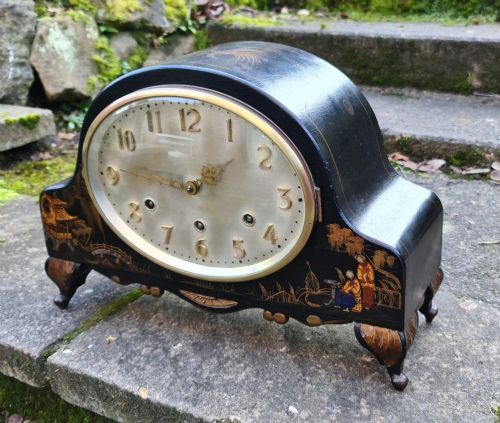
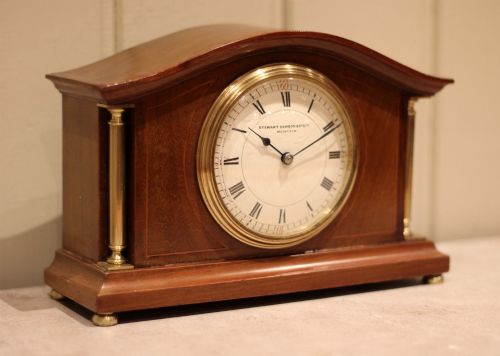
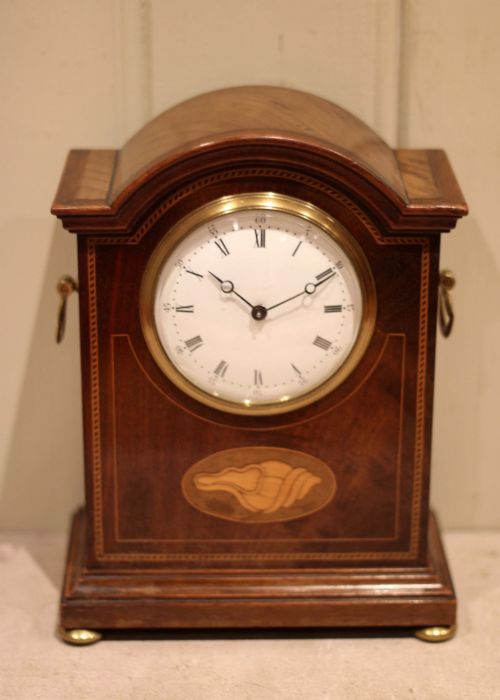
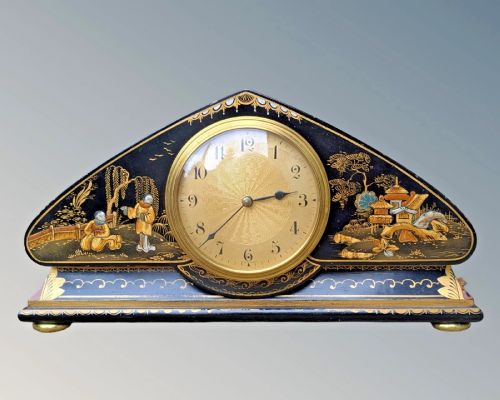
An edwardian timepiece clock represents a broad category of domestic horology spanning mantel pieces, carriage designs, and desk models from the early twentieth century. Buyers encounter mahogany and oak cases frequently, often accented with delicate inlay or built in traditional balloon and lancet shapes.
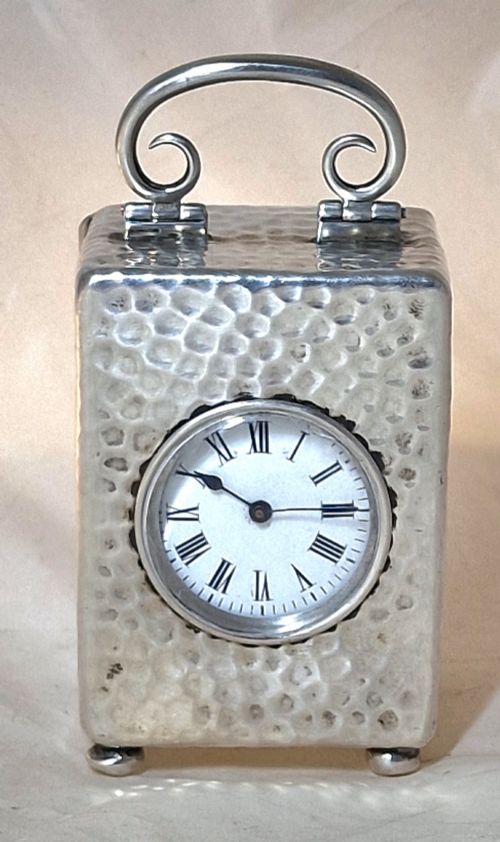
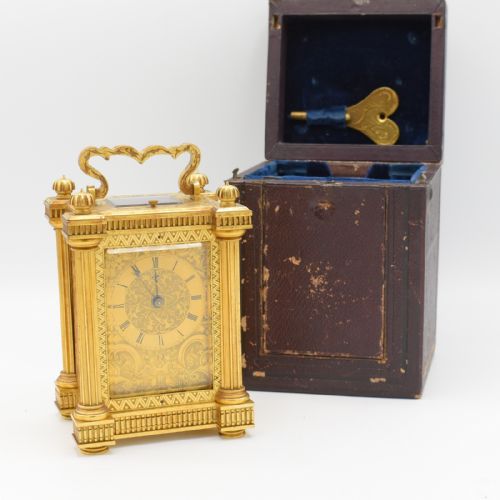
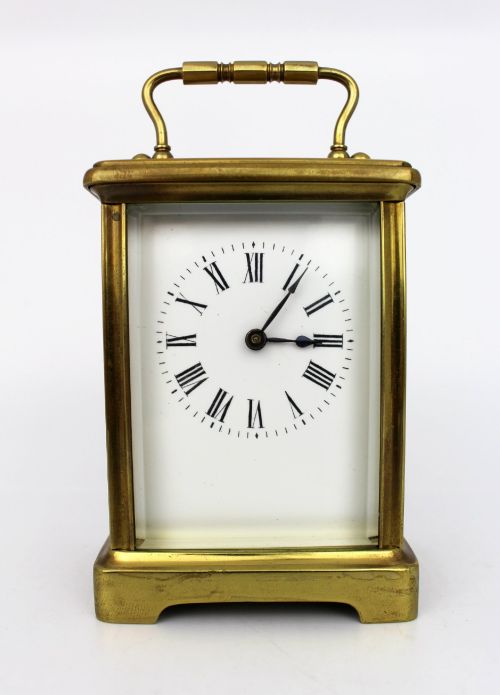
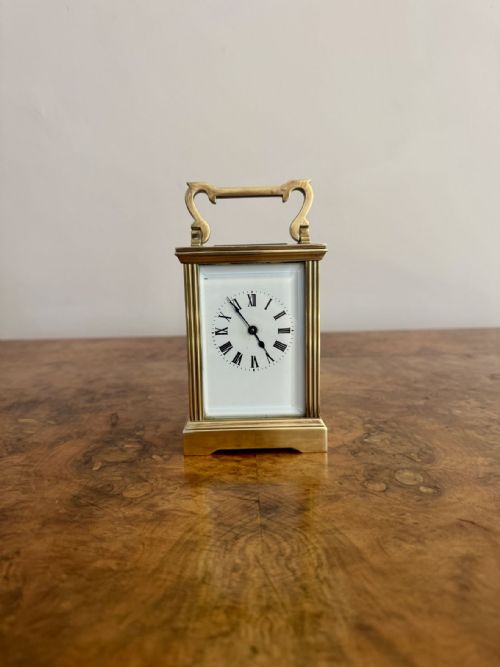
Carriage clocks in brass and glass appear regularly alongside timber mantel pieces and pocket watches fitted with travel cases. These objects served to keep domestic schedules on track while doubling as decorative furnishings for parlours and drawing rooms.
How they were made
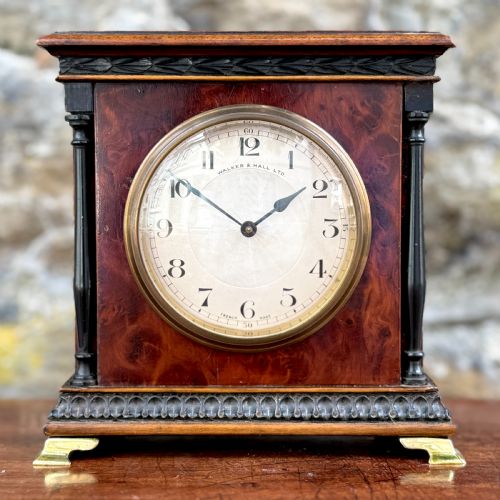
Cabinet makers utilised mahogany, oak, and satinwood for the housings, frequently incorporating contrasting string inlay and polished brass bezels. Movements relied on metal gearing housed within timber frames or cast brass carriage cases.
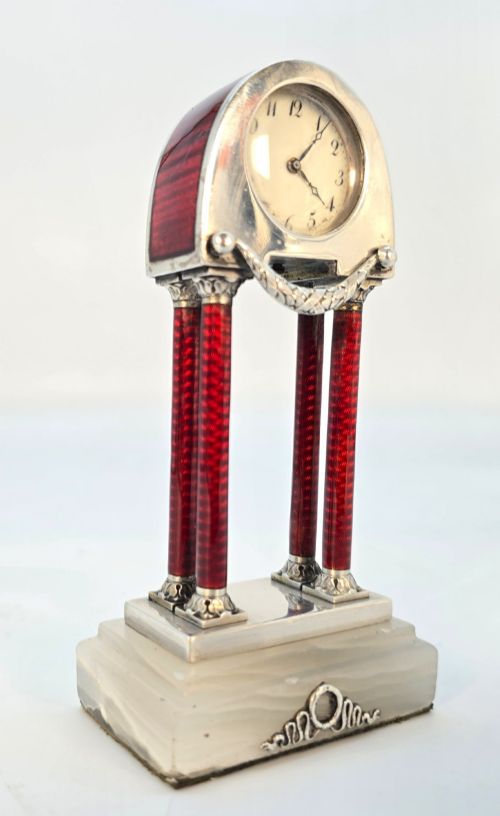
Enamel dials with Roman or Arabic numerals provided clear legibility, sometimes complemented by intricate guilloche enamel work or painted details. Protective glass panels and bevelled crystals allowed a clear view of the interior mechanisms from multiple angles.
Listings feature timber cases in mahogany and oak alongside portable brass carriage clocks set with glass panels.
What varies in quality
The refinement of the timber casing and the crispness of the inlaid details distinguish standard domestic examples from finer workshop productions. Heavy brass castings, substantial silver hallmarking, and superior movement engineering elevate individual items above mass-produced counterparts.
The integration of decorative flourishes, such as champleve enamel dials or specialised silver framing, indicates higher craftsmanship. Preservation of the original dial surfaces and movement components further determines the standing of a piece.
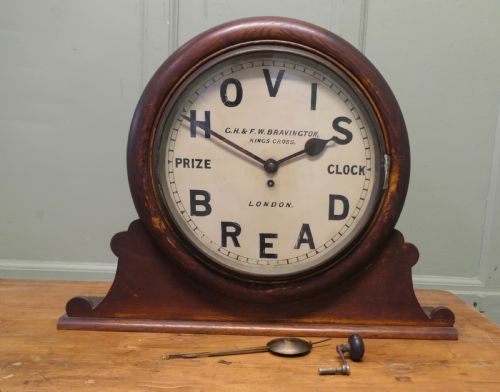
G.H.& F.W. Bravington London·R Varnier·Howell & James London·Walker and Hall·Georg Adam Scheid·Mappin & Webb·William Comyns·Omega·J Batson & Son·David Veasey for Liberty & Co
The Edwardian Timepiece Clock Glossary
- Carriage clock
- A small portable spring-driven clock originally designed for travellers, featuring a brass frame inset with glass panels. These pieces often include a swing handle on top.
- Timepiece
- A clock that indicates the time without a striking mechanism to sound the hours. This term appears frequently across simpler mantel and desk designs.
- Guilloche
- An ornamental pattern produced by a mechanical engine that etches precise intricate waves or bands into a metal surface. It frequently provides a decorative background beneath clock dial numerals.
- Lancet top
- A pointed architectural case shape resembling a gothic arch, popular for mahogany mantel clocks. This silhouette gives vertical emphasis to wooden timepieces.
- Champleve
- An enamelling technique where troughs are carved into a metal surface and filled with vitreous enamel before firing. It creates colourful decorative borders around clock faces.
Edwardian Timepiece Clock: Frequently Asked Questions
What is an edwardian timepiece clock?
These items are domestic timepieces produced around the early twentieth century, designed to sit on mantelpieces, desks, or travel inside protective cases.
They rely on spring-driven mechanisms rather than weight-driven pendulums, making them compact and easy to place on furniture without wall mounting.
How do I wind a mantel clock?
Most models require a dedicated key inserted into the winding arbour on the dial face, turned gently until resistance is met.
Care must be taken not to overwind the mainspring, which can cause internal damage to the gear train.
Where should I place a carriage clock?
Carriage clocks suit stable, flat surfaces away from direct sunlight, excessive moisture, and heavy vibrations that might disrupt the delicate balance wheel.
Because they were built for portability, their enclosed brass and glass cases protect the movement from household dust.
How can I tell the period?
Cabinet timbers, inlay styles, and dial materials offer strong clues to the decade of manufacture, shifting from ornate Victorian brass towards cleaner Edwardian mahogany lines.
Maker marks, silver hallmarks, and registration numbers stamped on the movement plates provide definitive dating evidence.