


Edwardian Timber Stand
Edwardian timber stands encompass functional household pieces crafted from mahogany, oak, and walnut to hold garments, books, or plants.
Edwardian Timber Stand
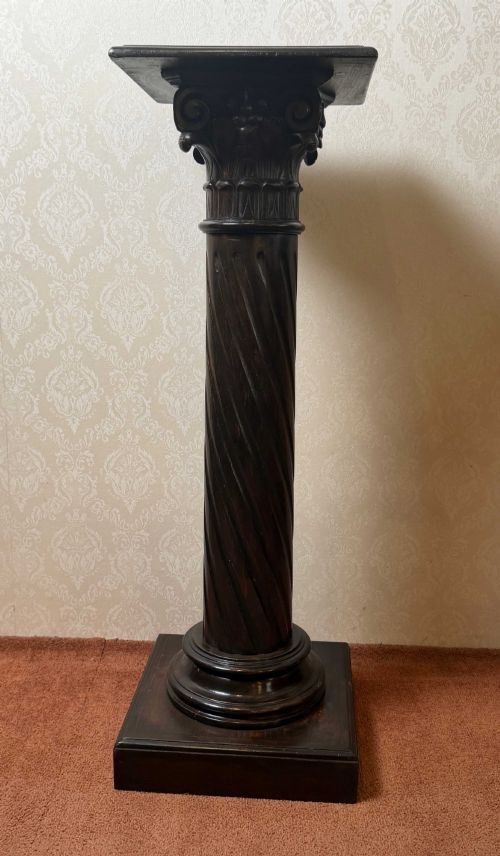
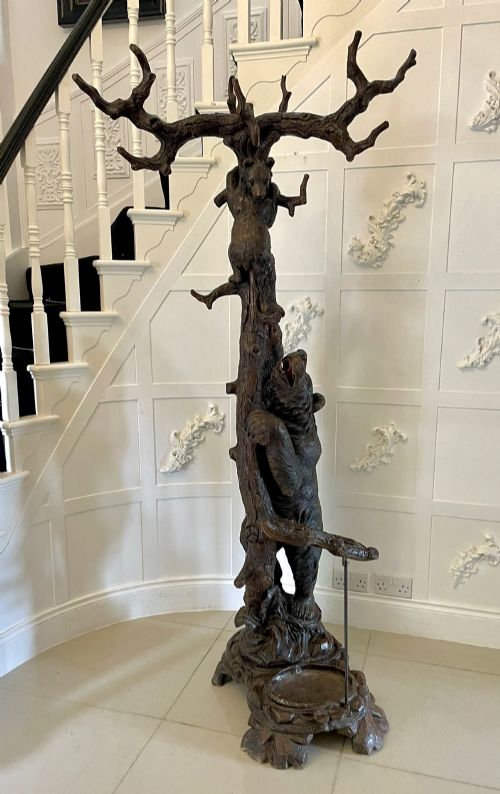
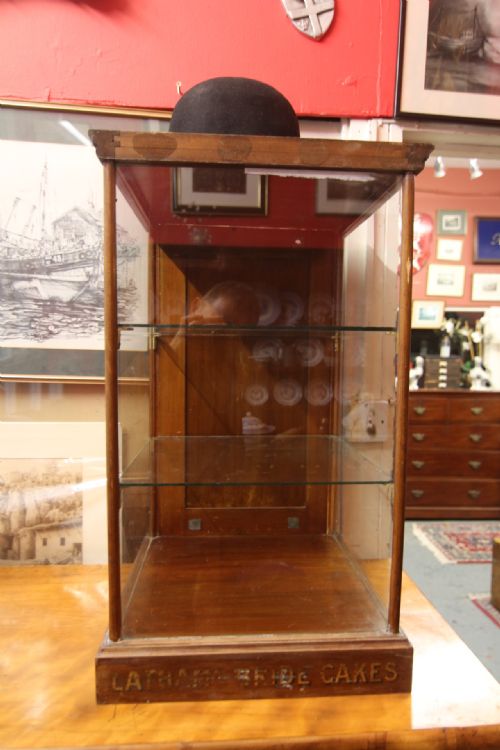
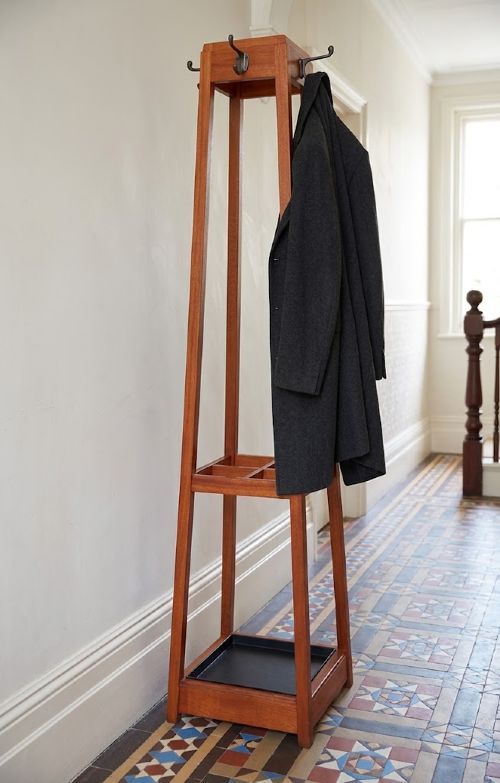
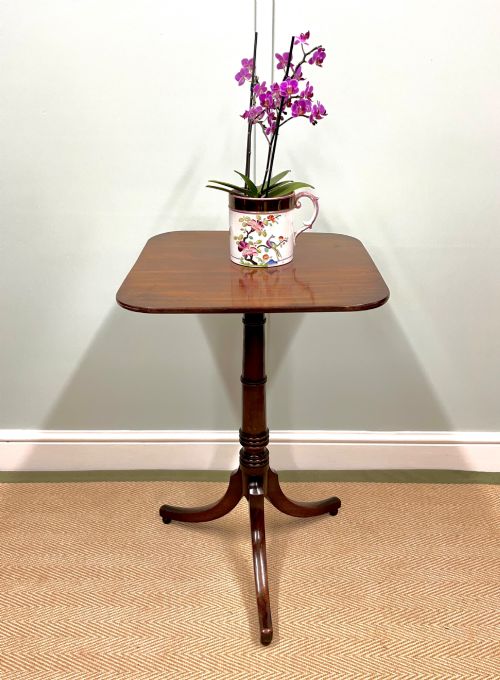
Edwardian timber stands serve specific utility around the home, functioning primarily as hall stands, coat racks, umbrella holders, and plant pedestals. These items cater to domestic organisation, providing designated spaces for outerwear, walking sticks, and potted foliage in entrance halls and parlours.
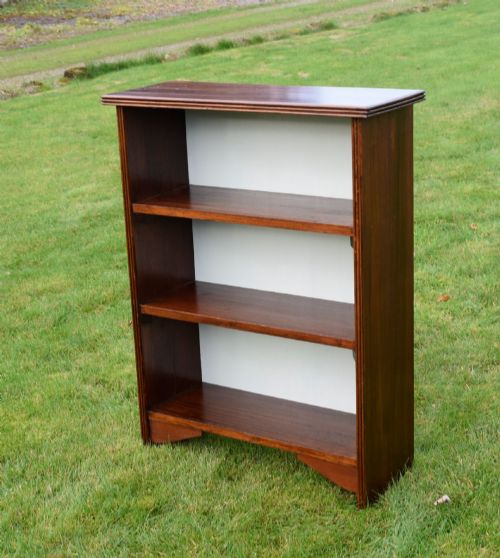
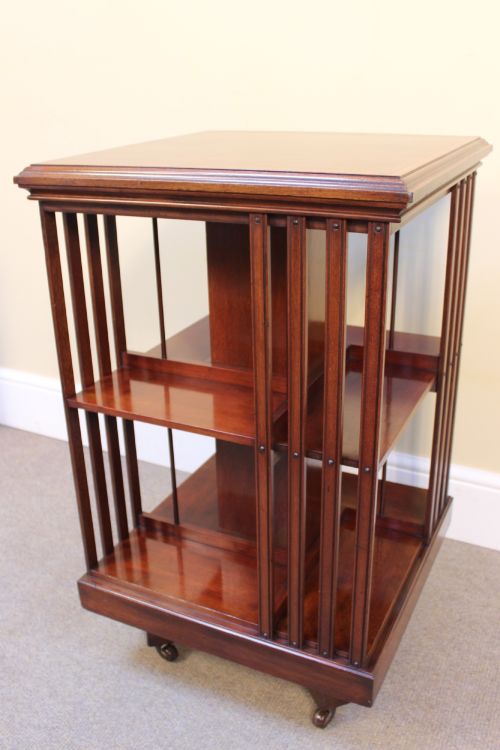
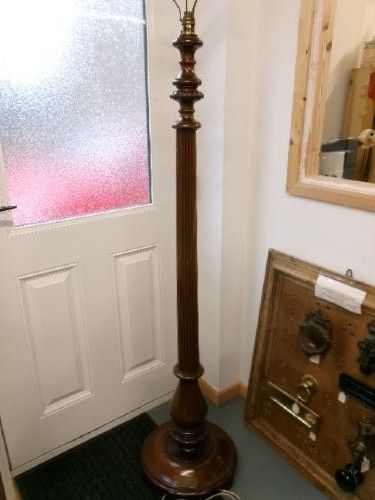
Mahogany and oak dominate the available forms, spanning the Edwardian era alongside late Victorian and 1920s examples. Buyers most frequently encounter tall hall stands, jardiniere plant stands, and standard lamps constructed from these dense hardwoods.
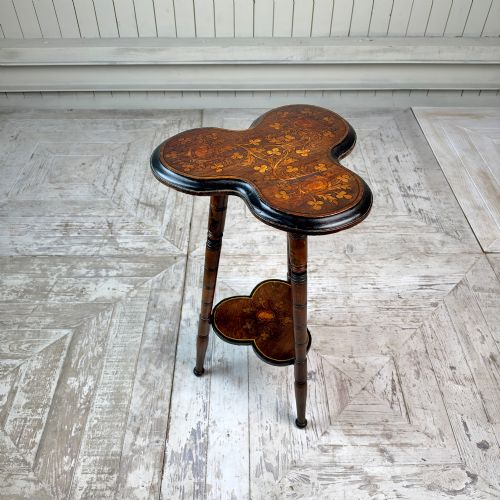
Makers of the period utilised stylistic influences ranging from Arts and Crafts simplicity to Art Nouveau curves and Chinoiserie decoration. Bentwood hat stands and carved wooden items also appear, reflecting diverse manufacturing origins from European workshops to British regional schools.
Assessing build and finish
Material selection dictates baseline worth, with dense timbers like solid mahogany and quarter-sawn oak outlasting softer woods such as beech or pitch pine. The choice between simple turned components and deeply hand-carved ornamentation alters the visual weight and complexity of the object.
Structural integrity depends on the rigidity of joints and the retention of original brass or metal hardware rather than later replacements. Surface finishes, whether French polished mahogany or limed oak, preserve the grain differently and influence the overall presentation of the timber.
Edwardian Timber Stand Retail Price Guide 2026
Typical asking prices for edwardian timber stand among the pieces listed under this phrase on Sellingantiques today, from the lower quarter to the upper quarter. They describe what is for sale here now, not the wider market.
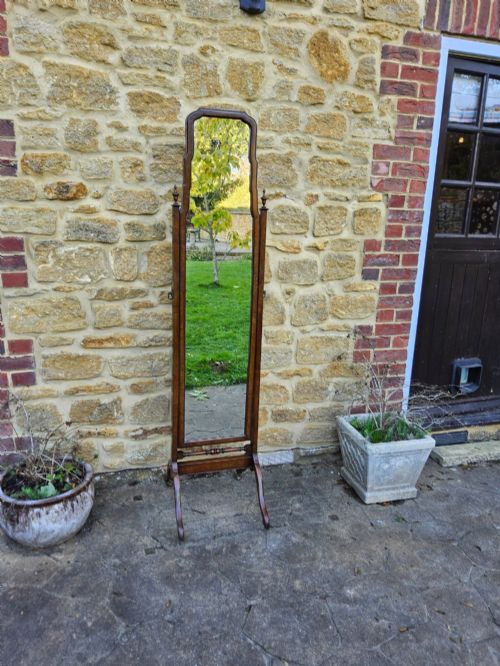
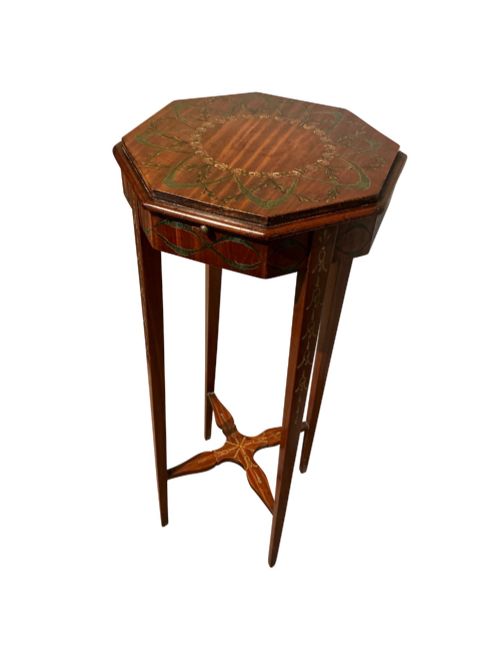
Object forms span floor lamps, hall stands, cheval mirrors, and plant pedestals alongside specialised pieces like boot and whip stands.
Thonet·J Parker of Woodstock
The Edwardian Timber Stand Glossary
- Jardiniere
- A decorative stand or pot designed to hold plants or flowers indoors. These tall pedestals elevate greenery above floor level.
- Bentwood
- Wood that has been heated using moisture and forced into curved shapes. This technique creates lightweight frames for revolving hat and coat stands.
- Torchere
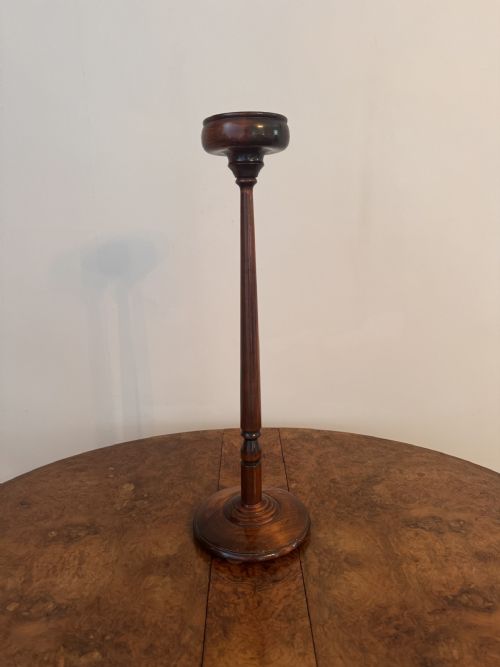
- A tall ornamental stand intended to support a single candle or lamp. They typically feature slender columns resting on heavy circular or tripod bases.
- Canterbury
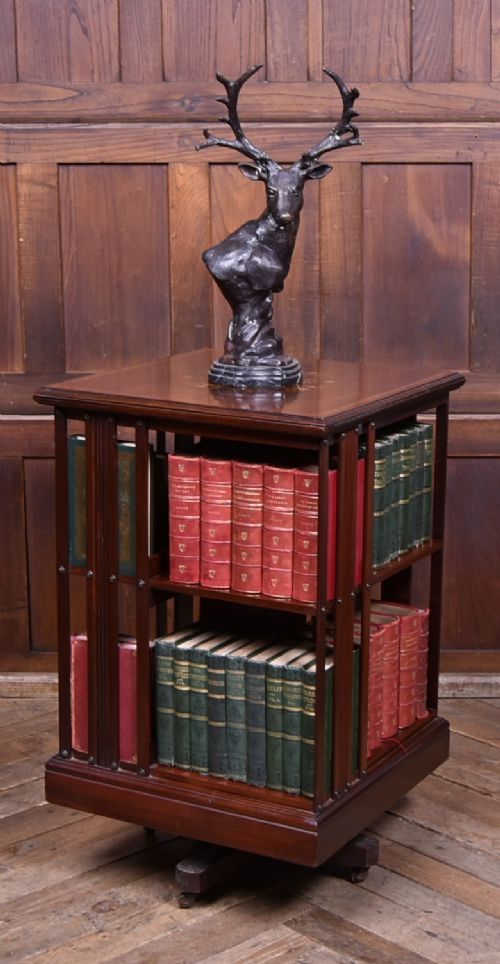
- A low wooden stand featuring partitions for holding sheet music or books. Nineteenth-century examples often incorporate slatted dividers and small carrying handles.
- Towel rail stand
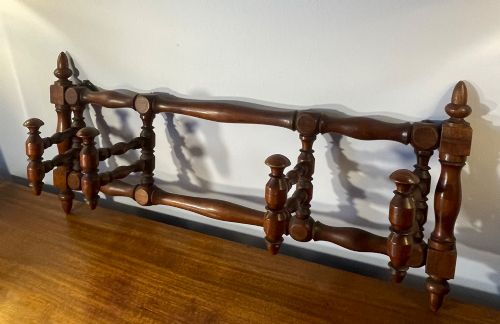
- A freestanding wooden frame utilised for hanging and drying household linens. These utility items employ horizontal rails supported by vertical side uprights.
Edwardian Timber Stand: Frequently Asked Questions
What is an Edwardian timber stand?
An Edwardian timber stand is a piece of wooden furniture designed for domestic utility, such as holding coats, umbrellas, hats, or plants in a hallway or living space.
These items date predominantly from the early twentieth century and utilise woods like mahogany, oak, and walnut to combine practical storage with period craftsmanship.
How were hall stands used?
Hall stands served as central entry furniture for visitors and residents to deposit outdoor garments, walking sticks, and umbrellas upon entering a home.
They frequently incorporated built-in hooks, mirrors, and lower umbrella wells with drip pans to keep hallways tidy.
Where should I place a jardiniere stand?
A jardiniere stand works best in well-lit corners or near windows where potted plants receive adequate light while remaining elevated off the floor.
These plant pedestals allow foliage to act as vertical room accents in living areas and hallways.
How do I tell Edwardian from Victorian stands?
Edwardian stands generally feature lighter timbers, simpler lines, and less heavy ornamentation compared to the darker, more densely carved mahogany typical of earlier Victorian pieces.
Arts and Crafts influences also distinguish Edwardian items through exposed construction details and honest use of oak.