




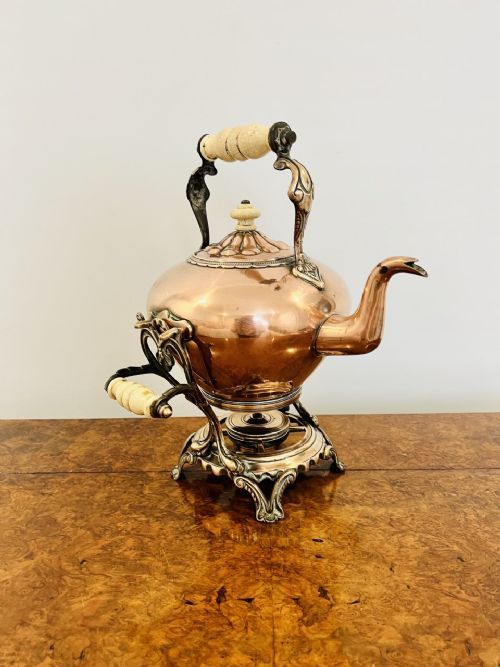
Edwardian Teapot
An edwardian teapot brings the comforting ritual of afternoon tea into a room, offering both practical service and decorative charm.
Edwardian Teapot
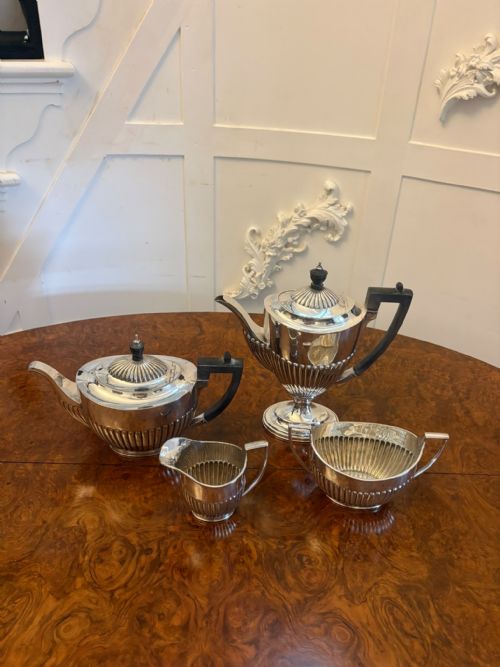
An edwardian teapot represents a domestic vessel designed for brewing and serving tea during the early twentieth century. These objects arrive in various forms, including standalone pots, spirit kettles on stands, and multi-piece tea and coffee sets.
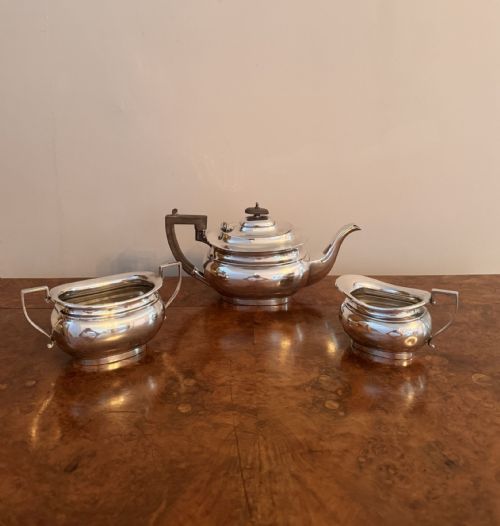
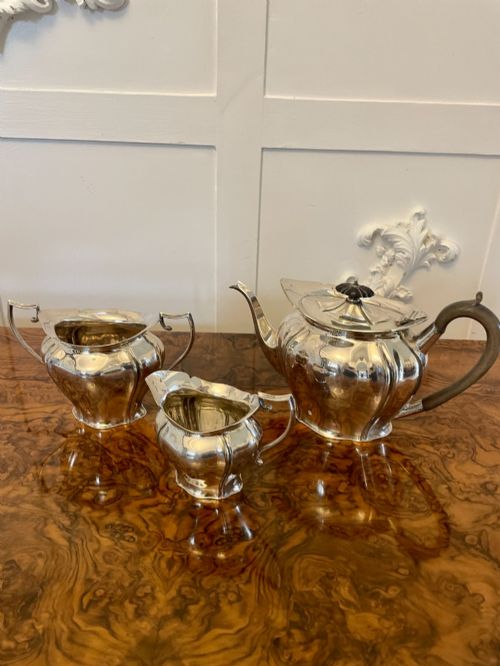
The versions most frequently met on this page are silver plated vessels from the Edwardian period itself, alongside related ceramic pieces from similar decades. Makers fashioned these utilitarian objects to handle daily service while presenting an attractive appearance on the dining table or sideboard.
Beyond standard teapots, the selections span from traditional English earthenware and porcelain to silver plated sets complete with matching sugar basins and cream jugs. Each piece reflects the social habits of the household for which it was originally made.
How They Were Made
Silversmiths utilised silver plate over base metals to construct durable teapots and tea services, often adding elements like ebony handles to insulate against heat. Workshops applied techniques such as ornate casting and repoussé decoration to achieve detailed grapevine motifs and classical revival styles.
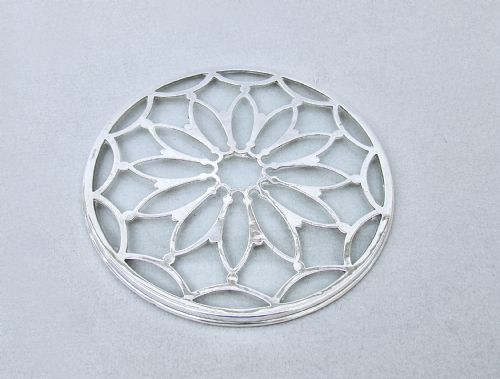
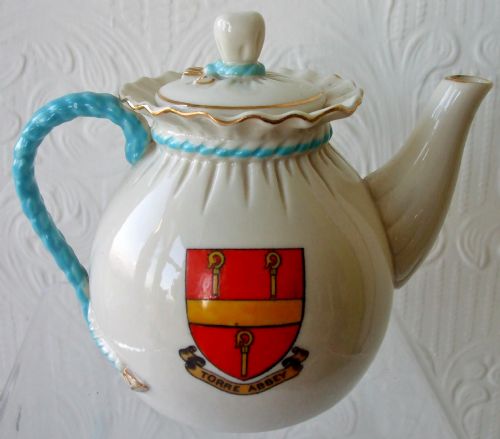
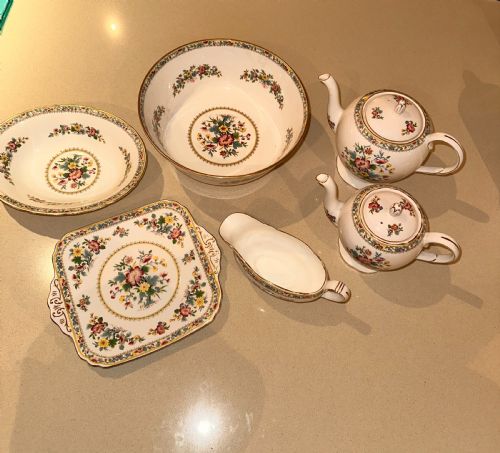
Potteries shaped earthenware and porcelain into vessels, incorporating hand-painted designs, gilding, and specialised glazes like agateware. Artisans also mounted glass within metal frames or combined wood with metal to produce stands and coasters for the tea table.
Edwardian Teapot Retail Price Guide 2026
Typical asking prices for edwardian teapot among the pieces listed under this phrase on Sellingantiques today, from the lower quarter to the upper quarter. They describe what is for sale here now, not the wider market.
What Varies in Quality
The distinction between standard domestic wares and superior examples rests upon the weight of the metal and the crispness of the chased or cast ornamentation. Finer silver plated sets display substantial gauge metal that holds heat effectively and resists distortion over decades of use.
Ceramic pieces separate themselves through the precision of hand-painted details, the clarity of transfer prints, and the reputation of the pottery or designer involved. Well-balanced handles and spouts that pour cleanly without dripping distinguish thoughtful design from mass production.
Joseph Rodgers & Sons·Walker and Hall·W.H. Goss·Copeland Spode·William Moorcroft·Archibald Knox for Liberty·Goldsmiths & Silversmiths Co.
The Edwardian Teapot Glossary
- Silver Plate
- A layer of silver fused to a base metal core, such as copper or Britannia metal, to provide the appearance of solid silver at a lower cost. This technique allowed domestic households to afford substantial tea services.
- Spirit Kettle
- A water kettle mounted on a metal stand above a small spirit burner, used to keep water hot at the tea table. They often appear as part of larger Edwardian tea sets.
- Ebonised Wood
- Timber treated with a dark finish to imitate expensive ebony wood. Makers utilised this material for teapot handles and finials to prevent heat transfer.
- Agateware
- Pottery formed from blended clays of different colours to produce a marbled pattern resembling natural stone. This decorative technique requires skill during the shaping and firing stages.
- Gilding
- The application of a thin layer of gold leaf or gold paint to the surface of porcelain or metal. It highlights decorative borders and painted motifs on tea wares.
Edwardian Teapot: Frequently Asked Questions
What is an edwardian teapot made from?
These teapots are predominantly constructed from silver plate over a base metal, frequently featuring wooden or ebonised insulators on the handles. Ceramic examples in porcelain and earthenware also appear across the listings.
Makers occasionally incorporated glass mounted in metal frames, along with gold leaf details on decorative porcelain services.
How do I use a spirit kettle?
A spirit kettle sits upon a metal stand equipped with a small burner beneath the vessel. Filling the kettle with water and lighting the burner keeps the water hot throughout a long tea service.
Care must be taken when adjusting the flame and handling the pivoted metal frame during use.
How do I clean silver plated tea sets?
Silver plate requires gentle cleaning with a soft cloth and a dedicated silver polish to remove tarnish without wearing away the thin silver layer. Avoid harsh abrasives and soaking the wooden or ebonised handles in water.
Regular, light polishing maintains the reflective surface better than infrequent, aggressive cleaning sessions.
How do I tell Edwardian from Victorian tea sets?
Edwardian designs often lean towards lighter, more refined neoclassical or Art Nouveau aesthetics compared to the heavier, highly ornate styles of the Victorian era. Graceful lines and restrained ornamentation typically characterise the Edwardian period.
Maker marks and stamped hallmarks can also help narrow down the decade of production when visible on the metal.