





Edwardian Tea Glass
Edwardian tea glass pieces are silver-mounted vessels and stands that bring tactile refinement to the table.
Edwardian Tea Glass
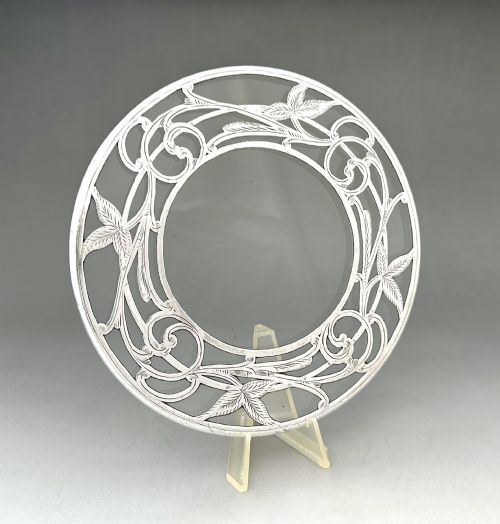
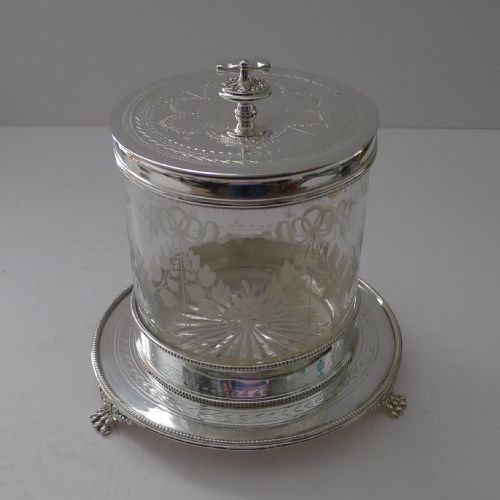
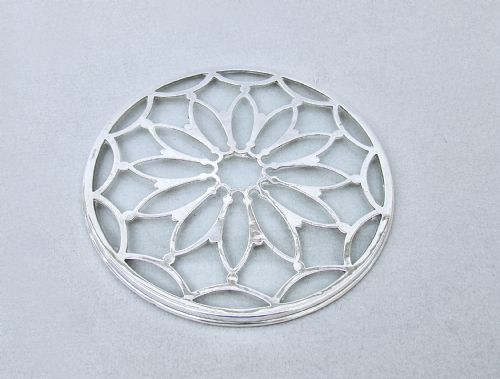
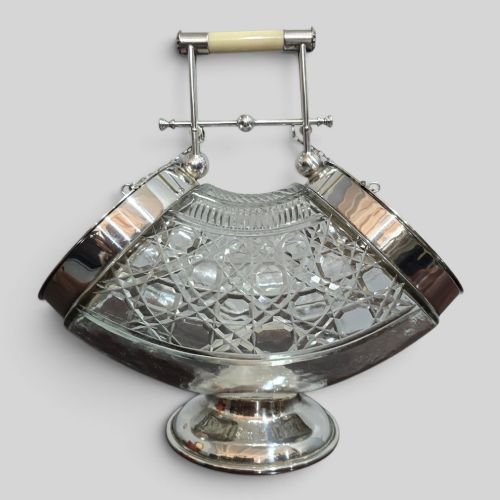
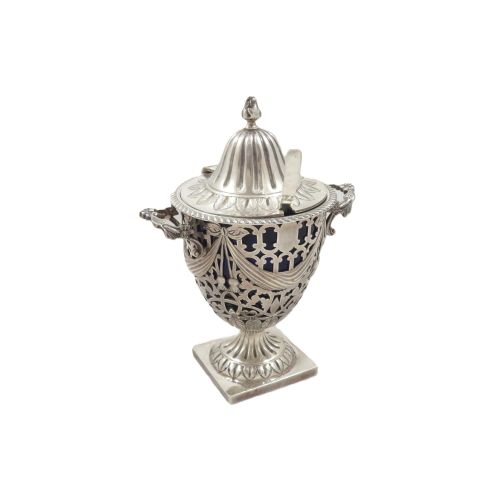
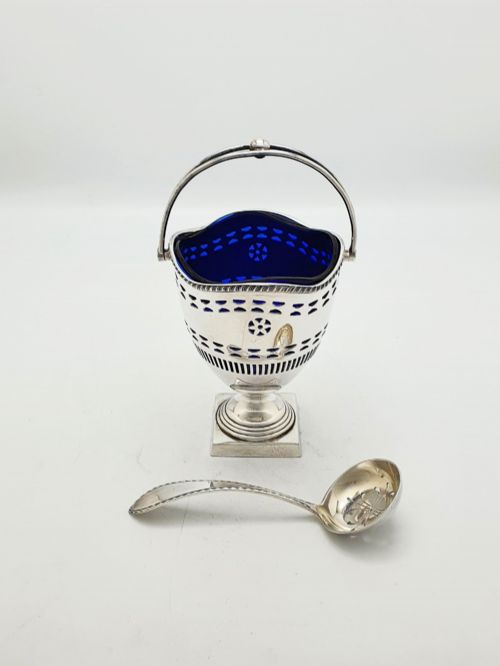
An edwardian tea glass search brings up glassware paired with metal mounts, notably silver-plated or sterling silver sugar bowls and biscuit barrels featuring glass liners. These items reflect the domestic habits of the early twentieth century, where glass and metal combined for serving tea and accompaniments.
Buyers will encounter items such as hobnail-cut biscuit barrels and pierced sugar bowls fitted with cobalt glass liners, dating predominantly from the Edwardian period and adjacent decades. These functional serving pieces form the core of what appears under this heading.
How they were made
The manufacture of these objects relies on the combination of cut glass and metalwork, utilising silver plate or sterling silver for mounts, Baskets, and lids. Glass components often display hobnail cutting techniques to catch the light during tea service.
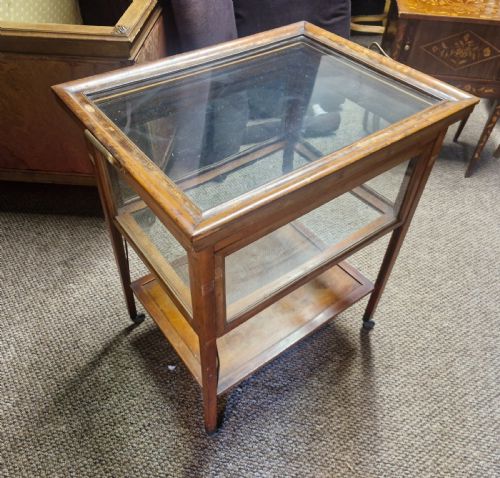
Frames and stands integrate materials such as mahogany and brass alongside the primary glass and silver elements. Piercing work on metal holders secures the removable glass liners safely within the frames.
Edwardian Tea Glass Retail Price Guide 2026
Typical asking prices for edwardian tea glass among the pieces listed under this phrase on Sellingantiques today, from the lower quarter to the upper quarter. They describe what is for sale here now, not the wider market.
The listings combine glass vessels with silver plate, sterling silver, brass, mahogany, and cobalt glass.
What varies in quality
Quality separates objects by the crispness of the glass cutting and the weight of the silver mounts used in the construction. Pieces with deeply faceted crystal and substantial metal housings demonstrate superior craftsmanship compared to lighter commercial wares.
The integrity of the fit between removable glass liners and their pierced metal frames indicates the level of care taken during original production. Maker involvement, such as pieces bearing retailer marks, also shifts the standing of an item.
Mappin & Webb·Harrods Ltd
The Edwardian Tea Glass Glossary
- Cobalt glass
- Deep blue glass frequently utilised for removable liners inside pierced metal sugar bowls and baskets.
- Hobnail cut
- A pattern of sharp, pyramid-shaped facets cut into the surface of decorative glassware to increase brilliance.
- Silver plate
- A layer of silver applied over a base metal foundation, commonly utilised for the frames and mounts of tea wares.
- Sterling silver
- A silver alloy containing substantial pure silver content, frequently stamped with hallmarks on tea caddies and sugar baskets.
- Biscuit barrel
- A covered vessel designed to hold dry biscuits, often featuring a glass body and a metal lid.
Edwardian Tea Glass: Frequently Asked Questions
What is an edwardian tea glass used for?
These items served a practical role on the tea table, holding sugar, biscuits, or tea leaves during formal afternoon gatherings.
Today, they function as decorative serving pieces or display items that retain their early twentieth-century utility.
How do I clean antique glass and silver?
Wash the glass liners gently in warm soapy water, taking care to remove them from their metal mounts beforehand.
Polish the silver plate or sterling silver sections with a soft cloth and dedicated metal cleaner, avoiding contact with the glass.
Are liners usually original?
Many surviving pieces retain their original cobalt or clear glass liners, which were custom-fit to the pierced metal baskets.
Because glass is fragile, replacements do occur, so matching the rim profile to the metal mount is essential.
How can I tell the period?
Dating relies on hallmarks stamped into the silver mounts, stylistic cues in the glass cutting, and retailer stamps.
Edwardian items often show clean proportions and distinct hobnail patterns characteristic of the opening decades of the twentieth century.