

Edwardian Tabletop Silver
Edwardian tabletop silver comprises desk and dressing surface pieces in sterling silver and silver plate, bringing period elegance and practical utility to domestic interiors.
Edwardian Tabletop Silver
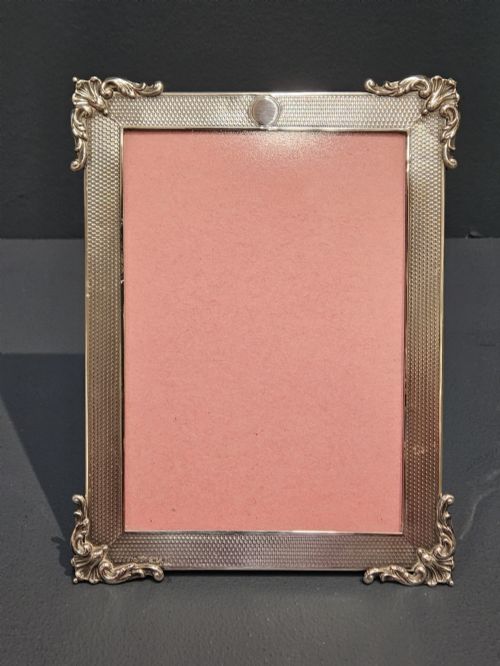
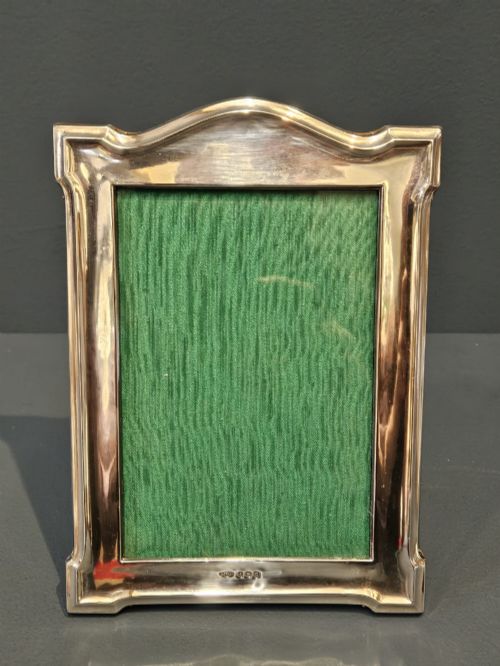
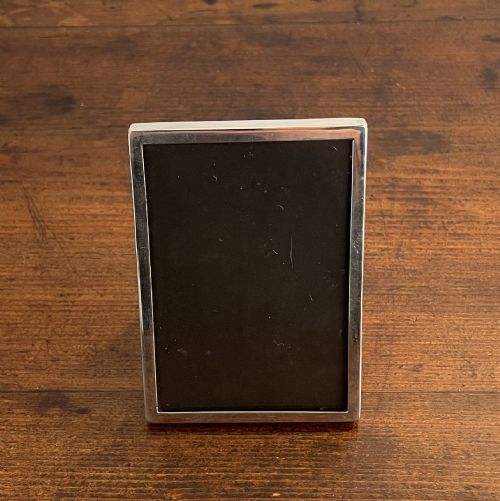
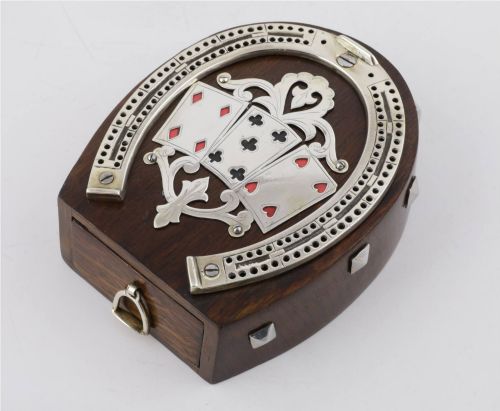
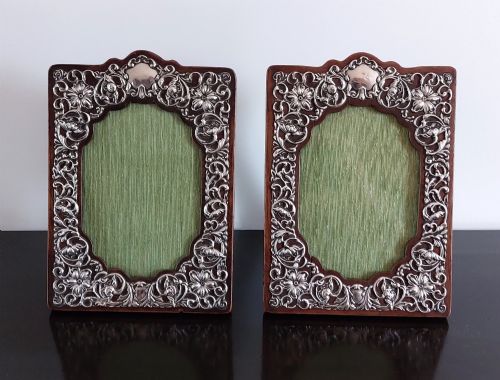
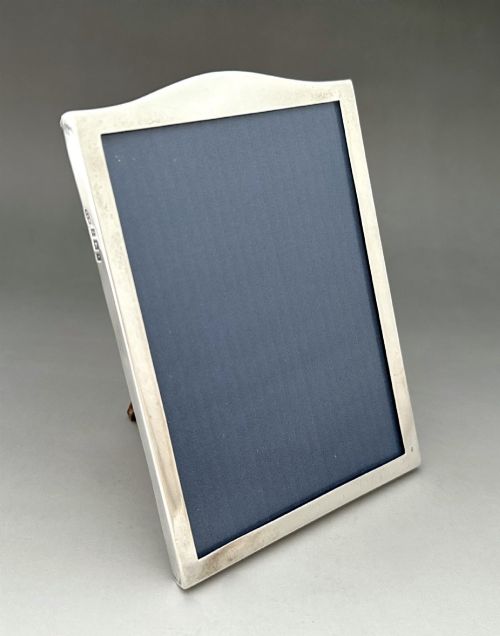
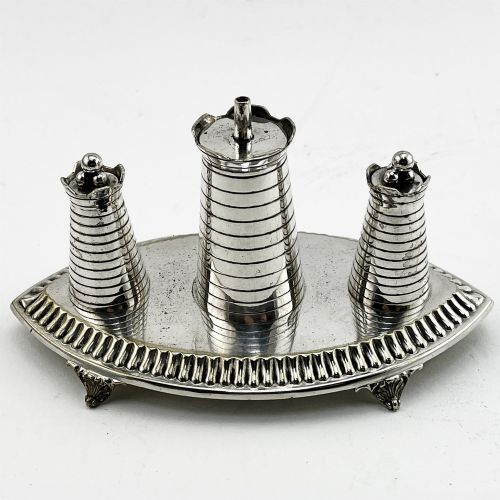
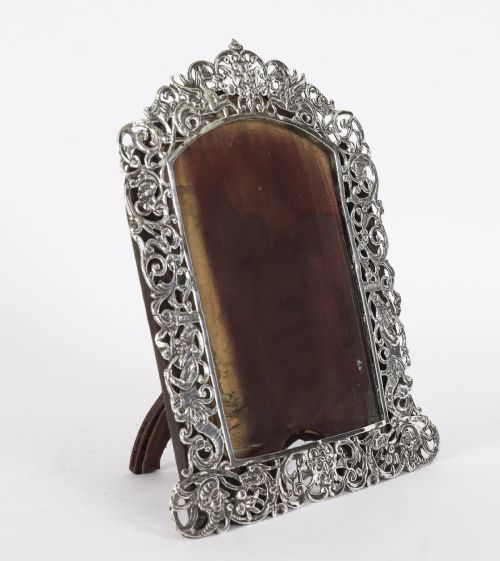
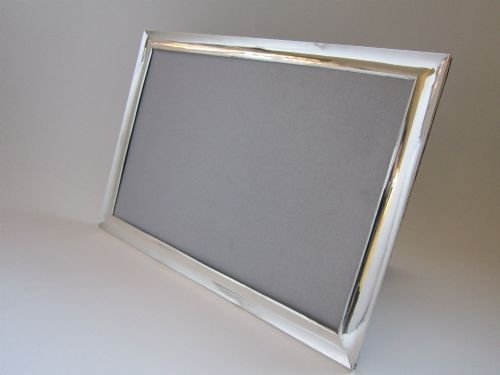
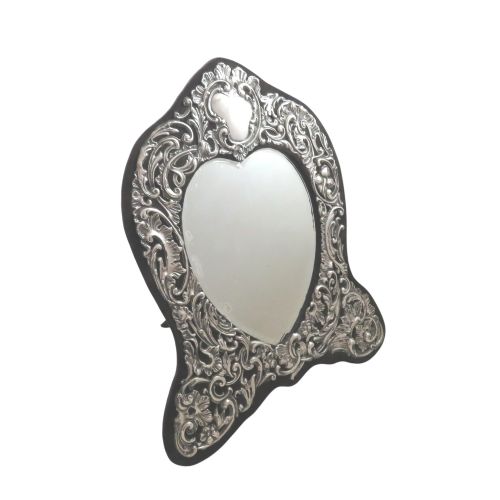
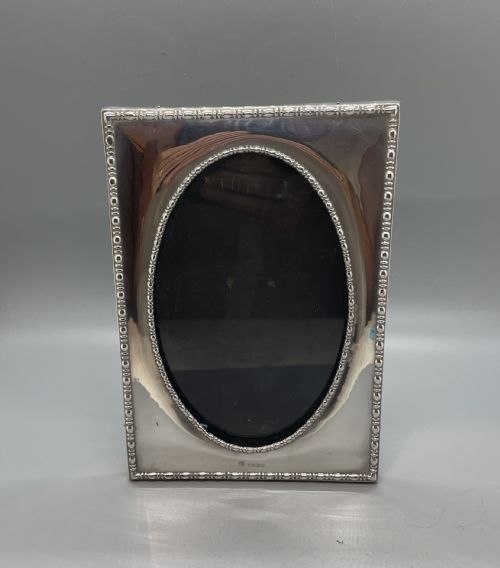
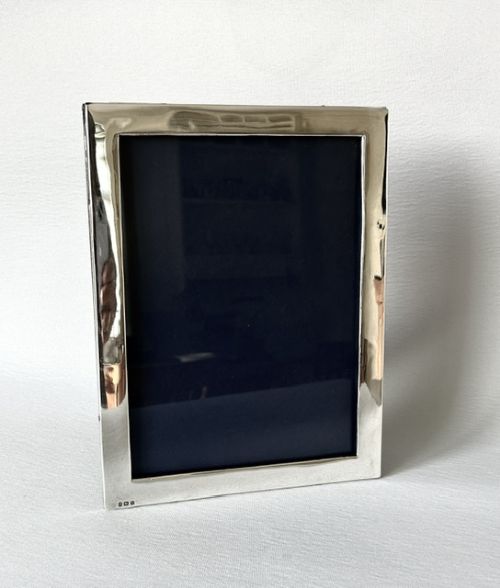
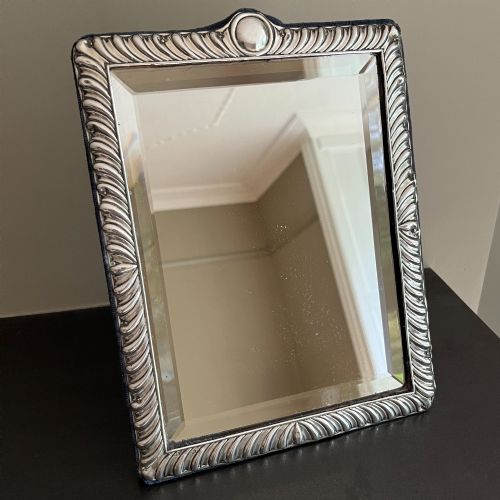
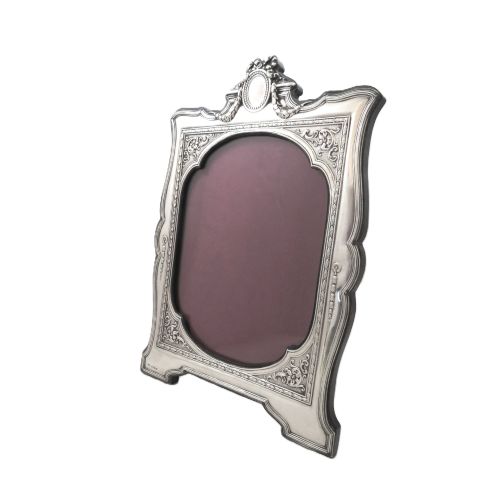
When you search for edwardian tabletop silver, you are looking at domestic desk and dressing objects designed for daily use and display during the early twentieth century. The selection includes photograph and picture frames, cruet sets, table mirrors, games boxes, match strikers, and condiment sets.
You are most likely to meet silver photograph frames in various sizes and shapes, alongside dressing table mirrors and condiment sets. These items bridge the late nineteenth century and the George V era, carrying distinct stylistic markers from those overlapping periods.
The objects serve both decorative and functional purposes on tables, sideboards, and desks. They reflect the material culture of homes that valued polished metal combined with glass, wood, velvet, and fabric.
Materials and construction
Makers utilised sterling silver and silver plate over supportive structures of wood, such as oak, to provide stability for items like photograph frames and games boxes. Glass and cut glass appear frequently in match strikers and condiment sets, while velvet and fabric line the backs and interiors of frames and boxes.
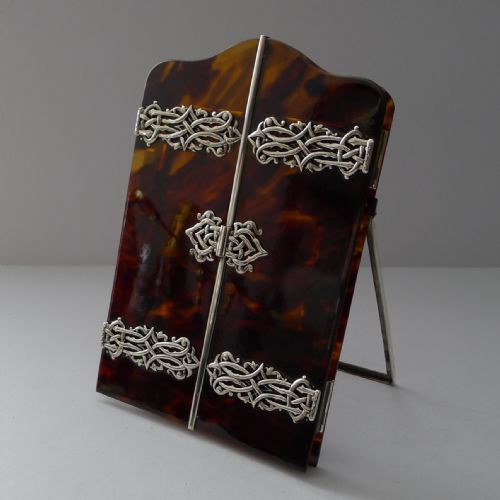
Techniques combine metal stamping, repoussé work, and silversmithing with cabinetmaking skills to assemble wooden backs, stands, and brass fittings. Tortoiseshell and cow horn also appear mounted in silver, demonstrating the varied material combinations employed by period workshops.
Edwardian Tabletop Silver Retail Price Guide 2026
Typical asking prices for edwardian tabletop silver among the pieces listed under this phrase on Sellingantiques today, from the lower quarter to the upper quarter. They describe what is for sale here now, not the wider market.
Cow horns and tortoiseshell found new life as luxury dinner gongs and photo frames, proving Edwardian tastes leaned toward the wonderfully unexpected.
Distinctions in quality
Quality in these pieces rests upon the crispness of the chased or embossed metalwork and the structural integrity of the wooden or easel backs. Better examples display clear hallmarks, heavier gauge silver, and fine detailing in motifs like cherubs, ribbons, and butterflies.
The harmony between the metal mount and the secondary materials, such as textured glass or fitted wood, separates standard utility items from finer domestic objects. Preservation of the original velvet linings, glass inserts, and structural mounts dictates the standing of each piece.
Rosenthal Jacob And Co·Walker And Hall
The Edwardian Tabletop Silver Glossary
- Sterling silver
- A silver alloy containing 92.5 percent pure silver and 7.5 percent other metals, usually copper, ensuring durability for tabletop items. This standard alloy dominates the metal components seen across these listings.
- Silver plate
- A layer of silver applied to a base metal core, such as copper or brass, utilised for larger or more decorative items like meat covers and gongs. This technique offered a bright metallic finish at a lower cost than solid silver.
- Cruet set
- A matched group of glass bottles or jars mounted in a metal frame for holding condiments at the table. These sets often combine cut glass with silver or silver-plated stands.
- Match striker
- A heavy glass or ceramic container with a textured surface designed for igniting matches, frequently mounted with a sterling silver rim. These practical desk accessories prevent damage to surrounding furniture.
- Picture frame
- A portable display border with a supportive wooden back and easel stand, commonly constructed in sterling silver with velvet or fabric backing. They accommodate portrait and landscape photographs on domestic surfaces.
Edwardian Tabletop Silver: Frequently Asked Questions
How do I clean silver frames?
Clean sterling silver components gently with a specialised silver cloth or mild polish, taking care to avoid contact with fabric or wooden backs. Regular dusting preserves the shine without wearing away thinner plated surfaces.
Keep moisture away from the reverse sides, as older wooden stands and velvet linings can warp or stain when exposed to liquids.
What is a table match striker?
A table match striker is a heavy glass container featuring a textured base for safely lighting matches indoors. They sat on smoking tables and desks during the Edwardian period.
The silver mounts protected the glass rim and added a decorative element to an everyday utility object.
How do I date silver items?
Dating relies upon the assay office marks, date letters, and maker's marks stamped directly into the silver. British hallmarks provide specific years for sterling pieces.
Style indicators like Art Nouveau curves or Victorian revival motifs help narrow the period when assay marks are rubbed or absent.
Can I replace missing glass inserts?
Replacing missing glass liners in cruet sets or condiment holders is possible by sourcing period-appropriate cut glass items. Exact matches require careful measurement of the silver frame openings.
Many collectors accept period-appropriate replacements provided they fit the original mounting securely.