
Edwardian Table
When you search for an edwardian table, you uncover practical oak and mahogany pieces designed for everyday domestic life.
Edwardian Table
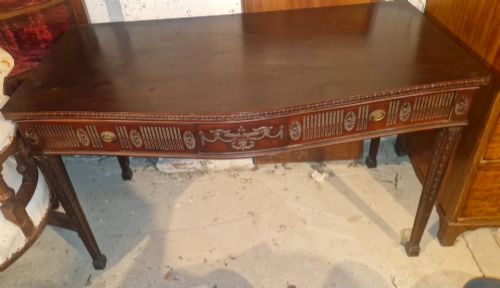
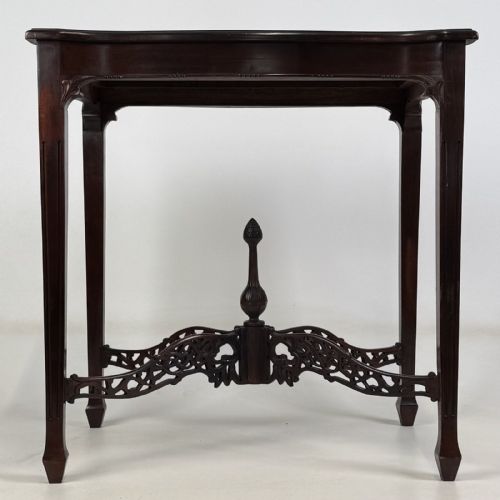
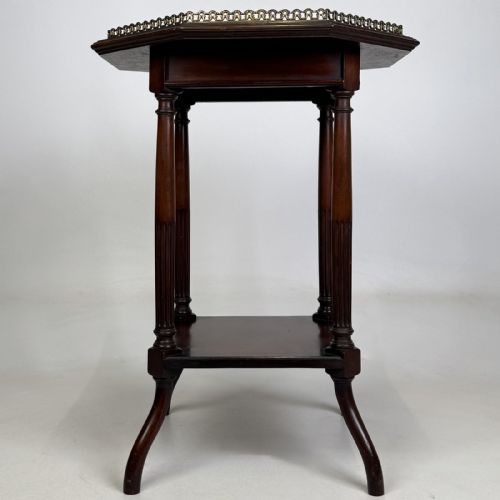
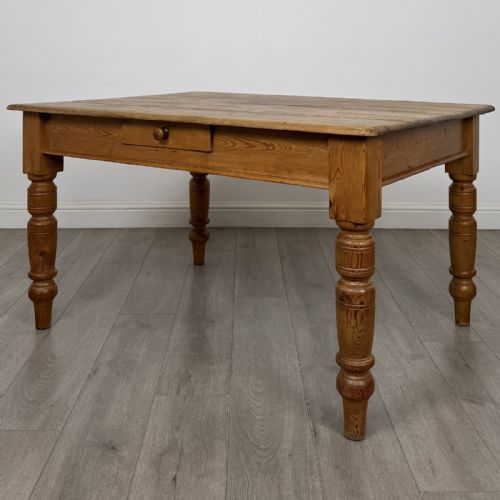
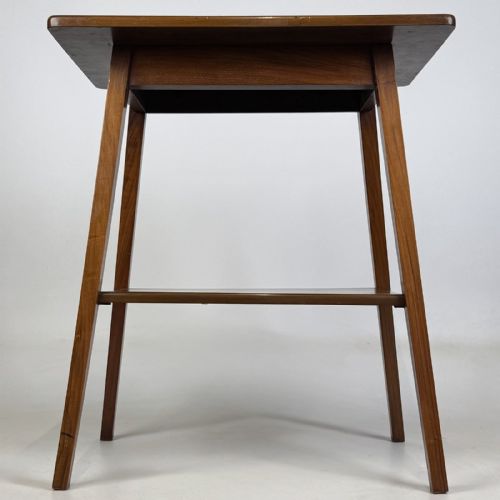
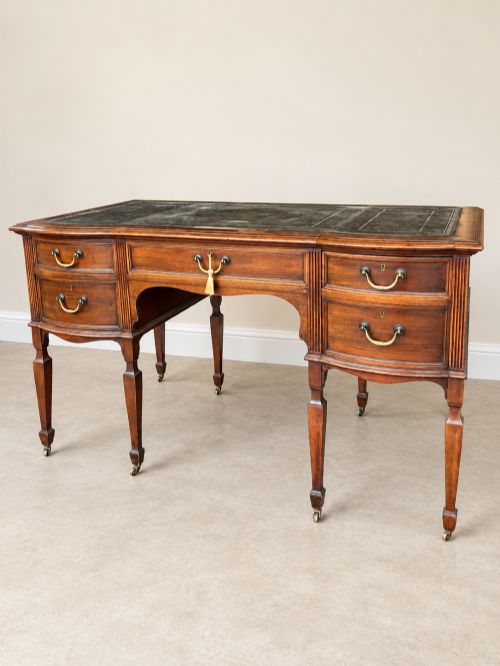
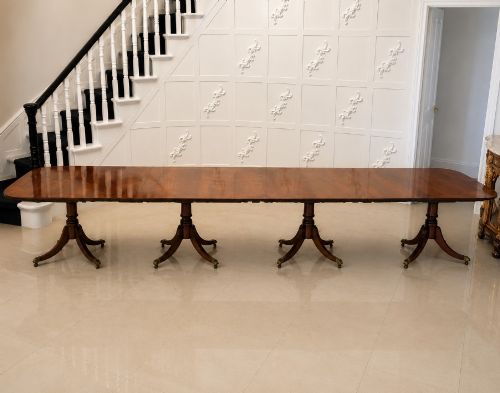
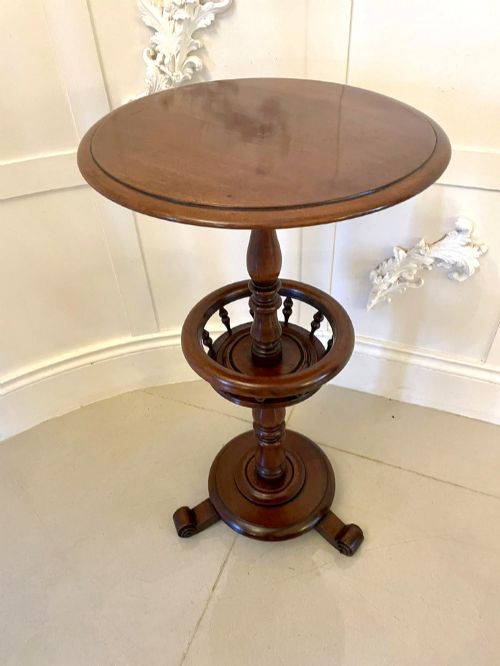
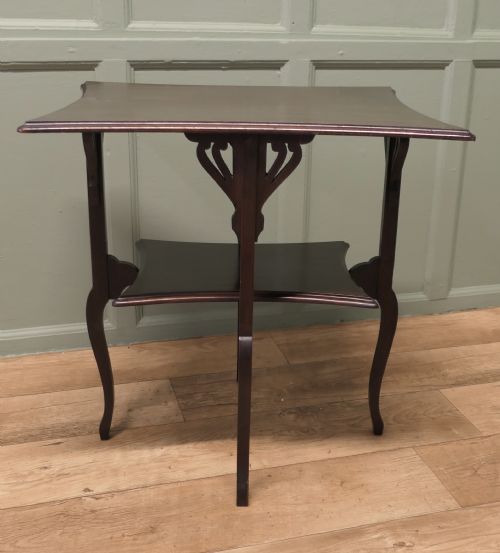
An edwardian table encompasses a varied selection of domestic furniture created during the early twentieth century, spanning side tables, writing desks, and occasional pieces. Buyers searching for an edwardian table will frequently encounter compact mahogany side tables, occasional tables with lower shelves, and larger dining formats.
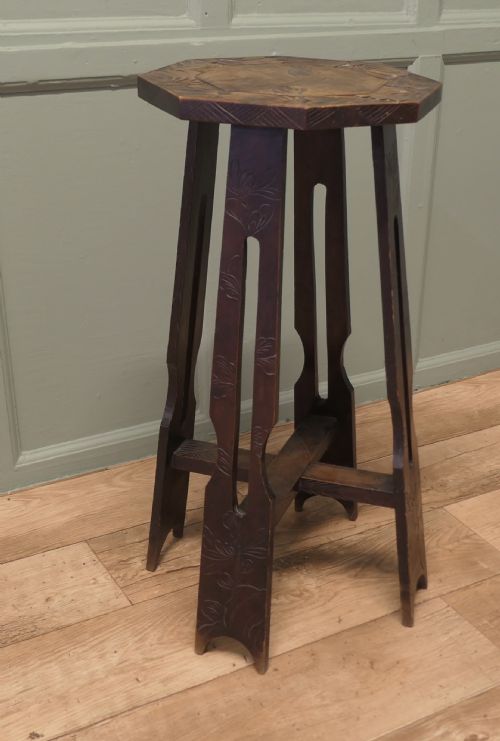
The material palette draws heavily on traditional timbers such as mahogany, oak, and walnut, frequently enriched with satinwood inlay or brass castors. Forms range from simple octagonal oak side tables to refined serpentine sewing tables and extending dining tables.
While the prevailing aesthetic aligns with the Edwardian period, influences from Arts and Crafts, Art Nouveau, and Sheraton revival styles appear across the selection. These pieces reflect a transition from heavy Victorian forms towards lighter, more versatile household furnishings.
Quality factors
The standard of an edwardian table depends largely on the selection of timber and the precision of its decorative detailing. Examples featuring intricate marquetry, finely carved borders, and solid secondary woods stand apart from simpler utilitarian pieces.
Proportion and structural integrity also define better specimens, where legs remain steady, drawers operate smoothly, and inlay work sits flush within the primary timber. Original hardware and castors further elevate the standing of a piece.
Martin Hall And Co·Walker And Hall·Sampson Mordan
The Edwardian Table Glossary
- Marquetry
- A decorative technique where small pieces of veneer are fitted together to form pictorial or geometric designs on a timber surface. This method frequently adorns tabletops and cabinet doors.
- Tripod base
- A support structure consisting of three legs radiating from a central column, commonly found on small occasional and wine tables. It offers stability on uneven floors.
- Gadroon
- A decorative carved moulding featuring curved, overlapping arcs or notches, often seen along the edge of a tabletop. It adds texture and visual weight to the perimeter.
- Cabriole leg
- A furniture leg that curves outward and then tapers inward, inspired by the shape of an animal's leg. This form appears on refined walnut and mahogany tables.
- Extension leaf
- A removable section of timber inserted into the centre of a dining table to increase its overall length. It allows compact tables to accommodate larger gatherings.
Edwardian Table: Frequently Asked Questions
What defines an edwardian table?
An edwardian table is a piece of furniture produced during the Edwardian era, typically characterised by lighter proportions than preceding Victorian designs. These items utilise timbers like mahogany and oak, often featuring subtle inlay work or turned legs.
Such tables were built for versatile domestic use, ranging from compact bedside and writing tables to extending dining furniture. Their construction reflects a blend of traditional cabinet making and evolving decorative styles.
How do I care for a wooden table?
Maintaining an antique wooden table requires keeping it away from direct sunlight and extreme changes in temperature or humidity. Regular dusting with a soft cloth preserves the finish without harming the timber.
Applying a quality wax polish occasionally helps nourish the wood and maintain its natural lustre. Avoid placing hot or wet items directly on the surface to prevent staining.
Where were these tables used?
These tables served specific functions across various rooms in the Edwardian home, from drawing rooms to studies and bedrooms. Occasional and side tables held lamps or decorative items, while writing tables provided a dedicated surface for correspondence.
Larger formats, such as extending dining tables, stood in the dining room for family meals. Their adaptable designs allowed them to be moved easily as household needs changed.