


Edwardian Table Seating
Edwardian table seating gathers guests around mahogany dining tables, oak refectories, and window benches for shared meals and gatherings.
Edwardian Table Seating
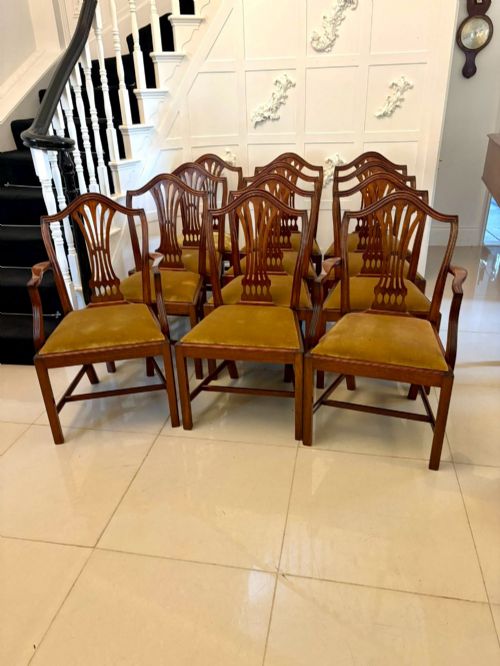
Edwardian table seating spans dining chairs, refectory tables, kitchen diner tables, and benches made during the early twentieth century and the surrounding decades.
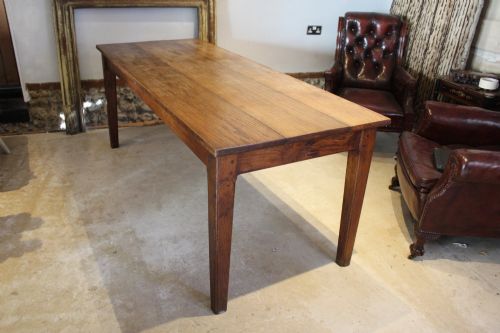
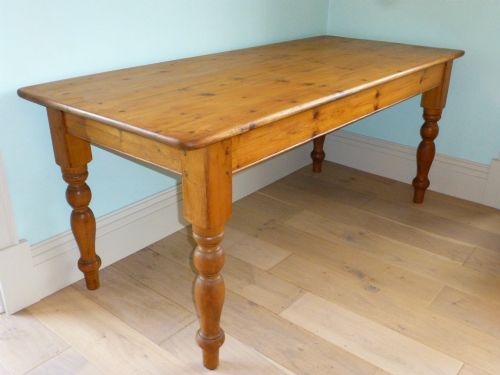
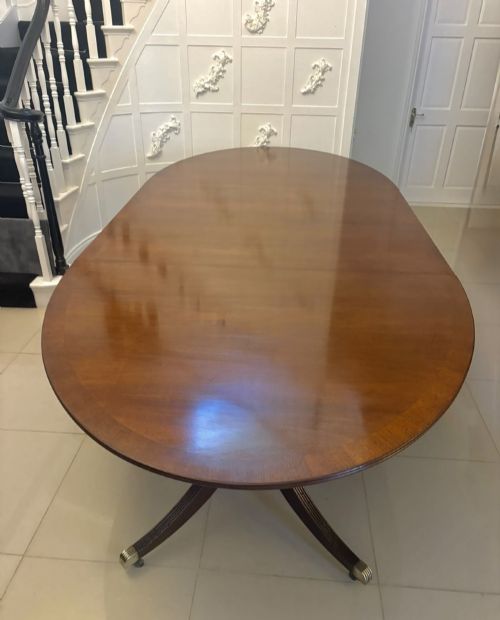
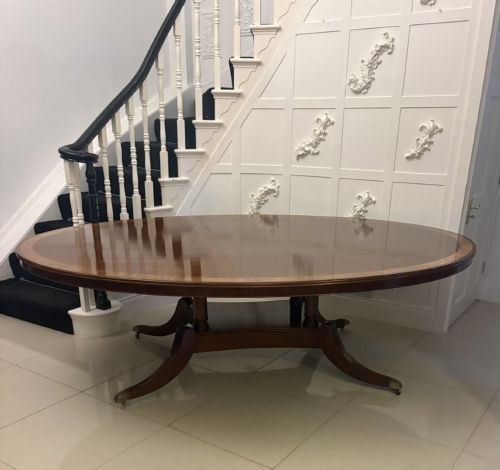
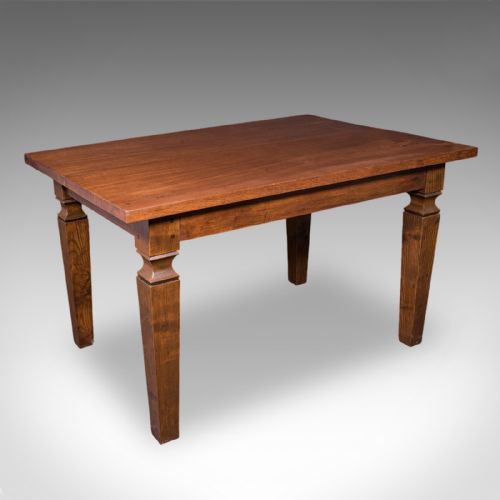
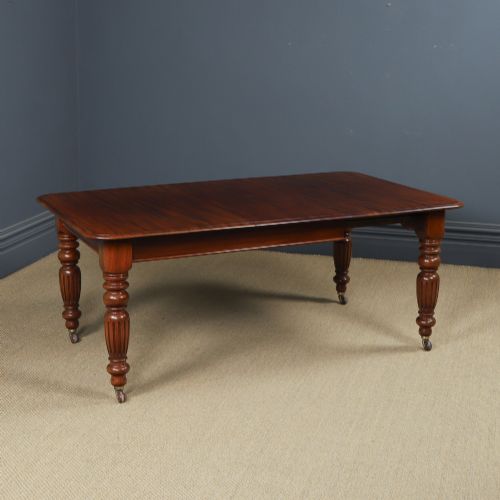
Buyers looking for edwardian table seating will find substantial oak refectory tables that seat eight to ten people alongside mahogany dining tables and window seats.
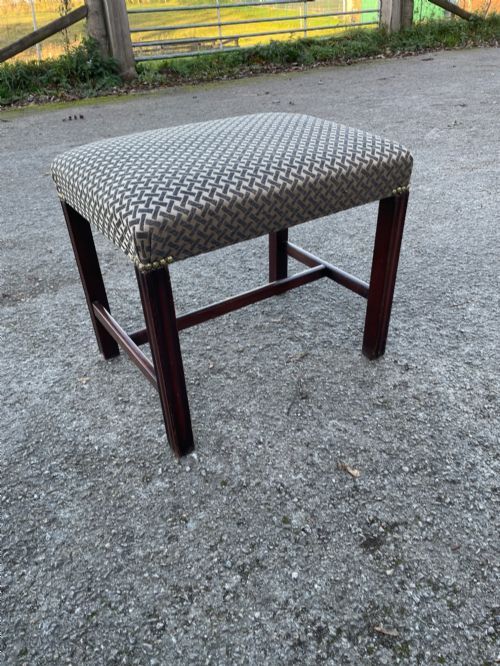
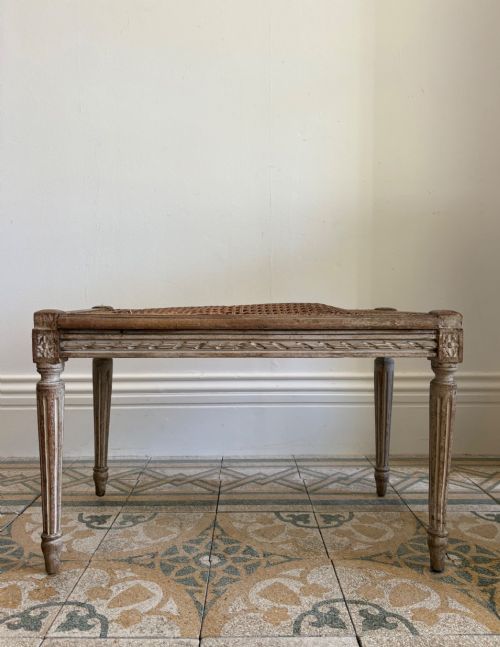
Smaller seating options such as piano stools, dressing table stools, and footstools appear frequently alongside larger dining sets and extension tables.
Craftsmanship and Proportion
Quality separates simple utility furniture from pieces featuring refined carvings, inlaid satinwood details, and robust framing joints.
The choice of timber grain and the integrity of original upholstery projects or restored rope legs determine the distinction between standard and superior examples.
Edwardian Table Seating Retail Price Guide 2026
Typical asking prices for edwardian table seating among the pieces listed under this phrase on Sellingantiques today, from the lower quarter to the upper quarter. They describe what is for sale here now, not the wider market.
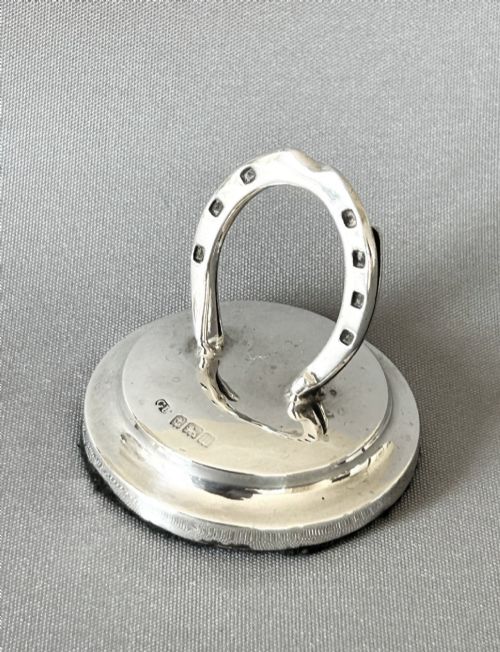
Sterling silver owls watch over dinner guests from their posts as antique menu holders.
The Edwardian Table Seating Glossary
- Refectory table
- A long dining table traditionally used in communal halls and adapted for domestic kitchens and dining rooms.
- Monks bench
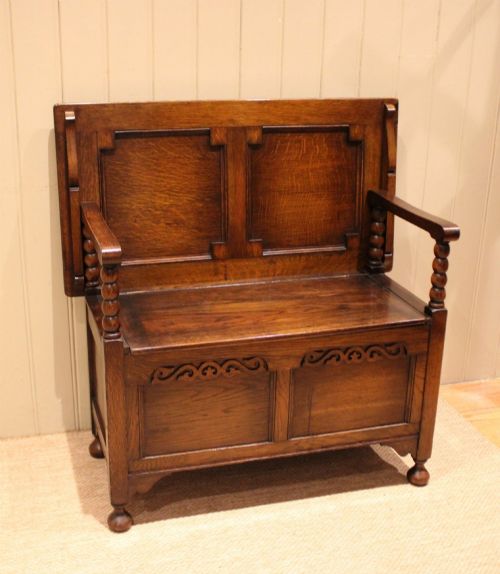
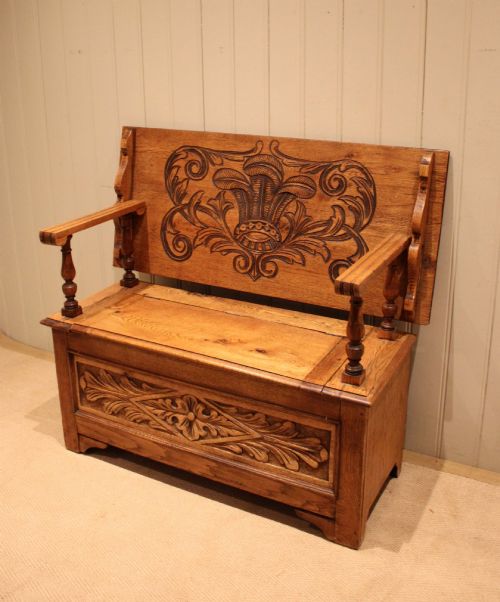
- A multifunctional piece of furniture featuring a hinged top that converts a seat into a small table.
- Cabriole leg
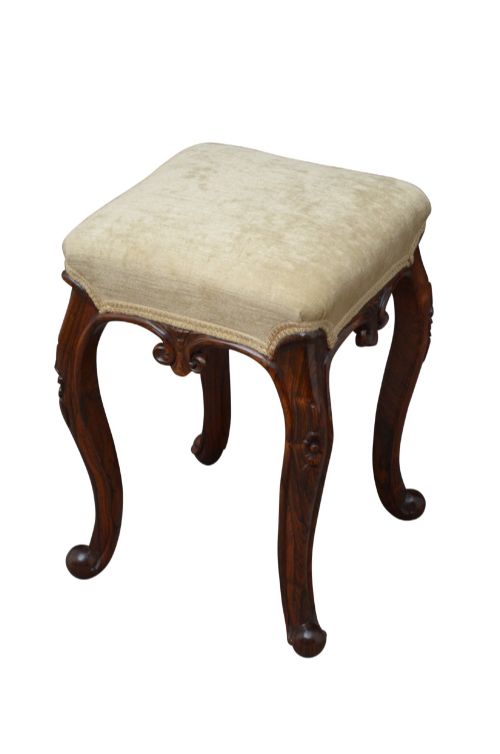
- A furniture leg that curves outward in a convex arc and tapers inward in a concave arc.
- Sutherland table
- A narrow drop-leaf table with leaves that fold down nearly vertically on each side.
Edwardian Table Seating: Frequently Asked Questions
How many people do these dining tables seat?
Tables listed in this category accommodate varying numbers of diners, ranging from compact four-seat square centre tables to large refectory and extension tables seating eight, ten, or twelve guests.
Larger configurations and extendable mahogany designs provide flexibility for hosting larger dinner parties and family gatherings.
What materials are common in Edwardian seating?
Makers relied heavily on solid oak and mahogany for structural stability, supplementing them with walnut, satinwood, and brass hardware.
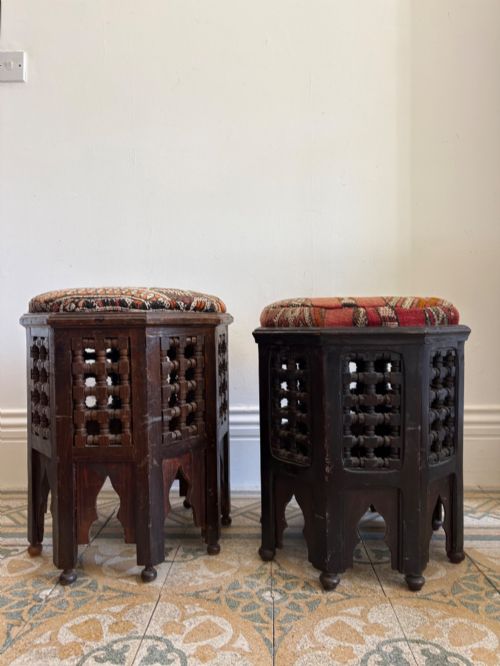
Upholstered components incorporate traditional textiles, leather, velvet, and woven Kilim seat covers to provide comfort.
Where were benches and settles used?
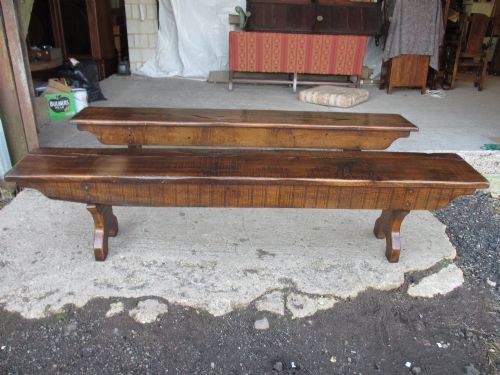
Oak benches, window seats, and hall settles served practical seating functions in hallways, kitchens, and living spaces.
Their narrow profiles made them useful near windows and entryways where space was limited.
How do I identify Edwardian dining pieces?
Edwardian items date from the early 1900s and often exhibit lighter construction and simpler inlay work than their heavier Victorian predecessors.
Proportions tend to prioritise domestic comfort and versatility over formal grandeur.