
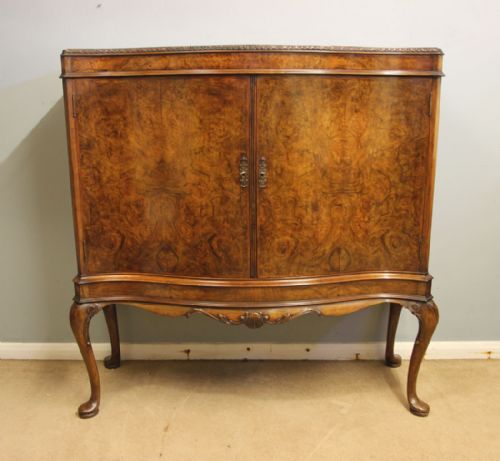


Edwardian Style Drinks Cabinet
An edwardian style drinks cabinet brings functional elegance to a room, offering a dedicated space for bottles and glassware.
Edwardian Style Drinks Cabinet
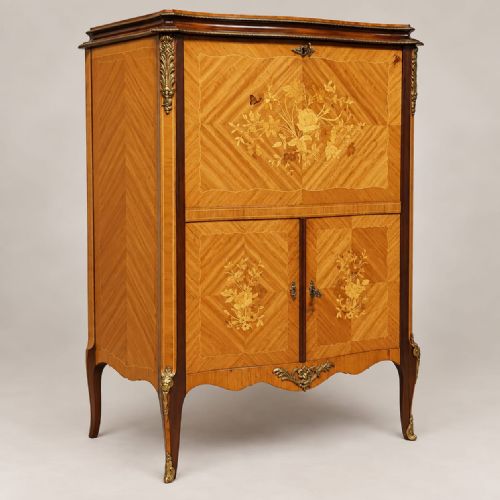
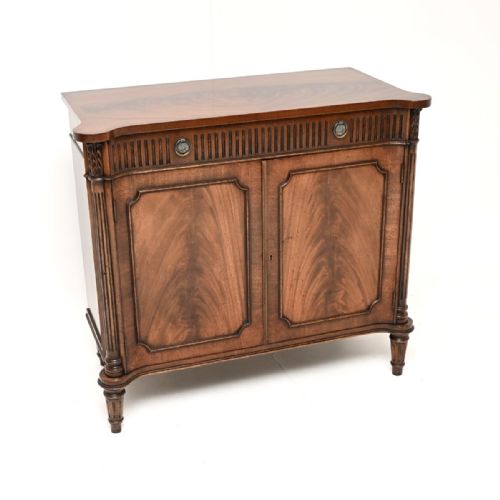
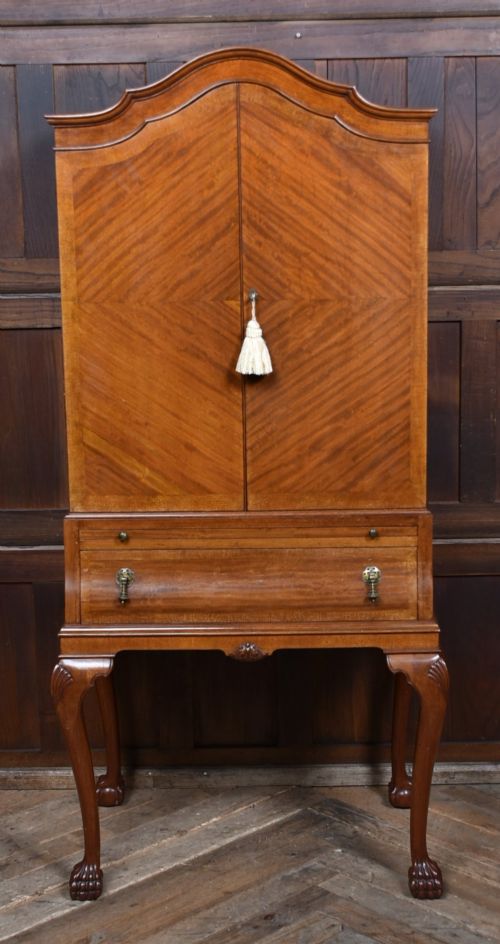
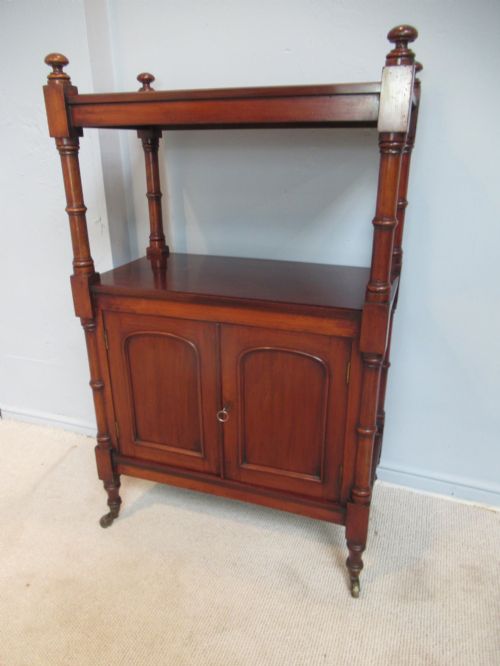
When searching for an edwardian style drinks cabinet, collectors encounter pieces spanning the Edwardian era through to the 1930s, alongside earlier Victorian examples. These pieces encompass various forms including cocktail cabinets, side cabinets, wine coolers, and cupboards on stands.
The selection on this page demonstrates considerable variety in design and origin, reflecting domestic entertaining habits of the late nineteenth and early twentieth centuries. Pieces range from formal mahogany sideboards to elaborate lacquered cabinets and walnut display tables.
Assessing quality and craftsmanship
Superior examples exhibit refined timber selection, such as figured burr walnut or carefully matched mahogany veneers, coupled with precise marquetry inlay. The integrity of the internal fittings and the smoothness of any mechanical deployment distinguish high-grade pieces from standard utilitarian items.
Construction methods and the weight of the timber used in the carcase and on stands indicate the workshop standards behind the piece. Exceptional examples feature detailed brass mounts and balanced proportions that maintain stability when loaded with bottles.
Listings feature items spanning the Victorian period through the 1930s, constructed in mahogany, walnut, oak, and lacquer.
Whytock and Reid
The Edwardian Style Drinks Cabinet Glossary
- Marquetry
- Decorative woodwork where pieces of veneer are fitted into a ground to form geometric or pictorial designs. This technique elevates the visual richness of cabinet doors and tops.
- Demi Lune
- A half-moon shape characteristic of certain side cabinets and console tables. Such profiles allow furniture to sit flush against a wall while offering surface area.
- Cellarette
- A lockable container or cabinet specifically designed to hold bottles of wine and spirits. Historically positioned near the dining table, these evolved into standalone furniture forms.
- Chinoiserie
- European interpretation of traditional Chinese and East Asian artistic motifs, frequently expressed through lacquered finishes. This style appears on cabinets and stands from the early twentieth century.
- Cocktail cabinet
- A specialised piece of furniture developed to store spirits, mixers, and glassware for home entertaining. Interiors often include mirrored surfaces and pull-out mixing slides.
Edwardian Style Drinks Cabinet: Frequently Asked Questions
What is an edwardian style drinks cabinet?
An edwardian style drinks cabinet is a piece of furniture designed for storing and serving beverages, drawing on design motifs popular during the early twentieth century. These pieces often incorporate fitted interior compartments for bottles and glassware alongside decorative exterior woodwork.
While inspired by Edwardian aesthetics, surviving examples frequently date from subsequent decades up to the 1930s, reflecting changing social habits and entertaining customs. They range from compact side cabinets to elaborate cocktail furniture on stands.
How do I use a drinks cabinet today?
These cabinets function effectively in modern reception rooms or dining spaces to house glassware, decanters, and bottles in an organised manner. Many feature drop-down flaps or internal shelving that serve as practical surfaces for pouring drinks when entertaining guests.
Placing the cabinet away from direct heat sources and strong sunlight protects the timber finish and any delicate veneer work. Regular light dusting helps maintain the polished surface of the wood.
How do I date an antique drinks cabinet?
Dating relies on examining the timber construction, hardware, and stylistic details such as marquetry inlay or revival influences. Pieces span from late Victorian origins through Edwardian production to 1930s interpretations of earlier styles.
Internal fittings, drawer dovetails, and the type of brass or glass used offer further clues to the period of manufacture. Comparing the overall form to dated examples helps narrow down the decade.
What woods were used in these cabinets?
Cabinetmakers predominantly utilised mahogany, walnut, and oak for the primary structures of these drinks cabinets. Variations include figured burr walnut and satinwood, chosen for their decorative grain patterns on exterior doors and panels.
Secondary timbers were often employed for internal framing and drawer linings. Lacquer and applied finishes provided additional decorative surfaces on specific styles like Chinoiserie pieces.