

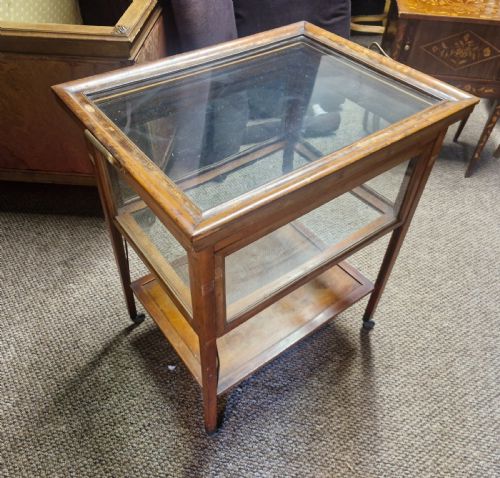

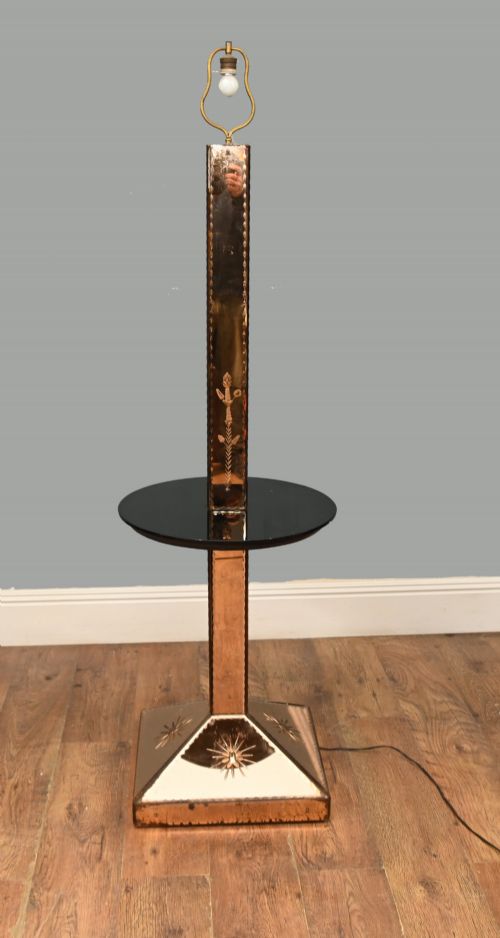


Vintage Glass Cocktail Table
These vintage glass cocktail table pieces bring functional elegance to a room, offering sleek surfaces and period character that collectors prize for modern interiors.
Vintage Glass Cocktail Table
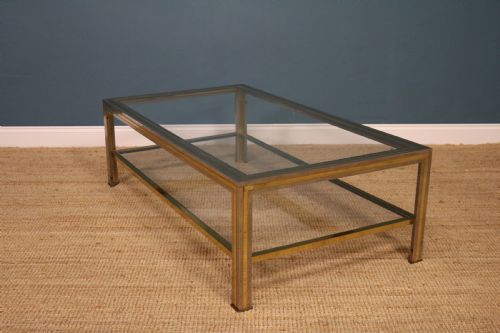
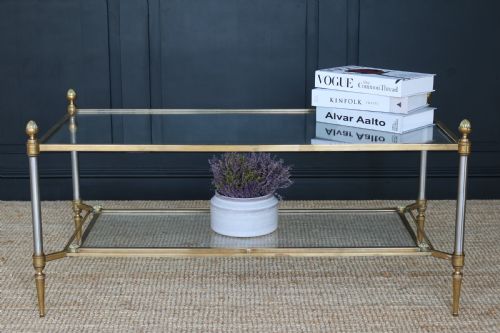
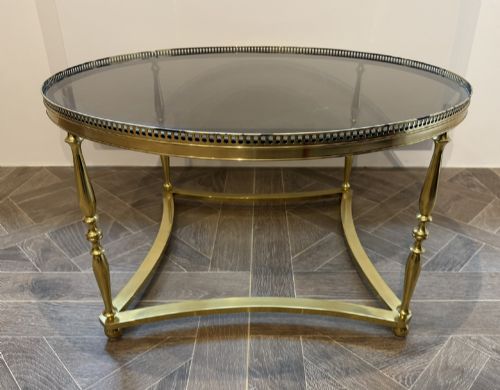
A vintage glass cocktail table encompasses low display surfaces, coffee tables, and trays designed for living spaces from the late nineteenth century onwards. You encounter items spanning the Edwardian period, the Art Deco era, and mid-century designs up to later decades.
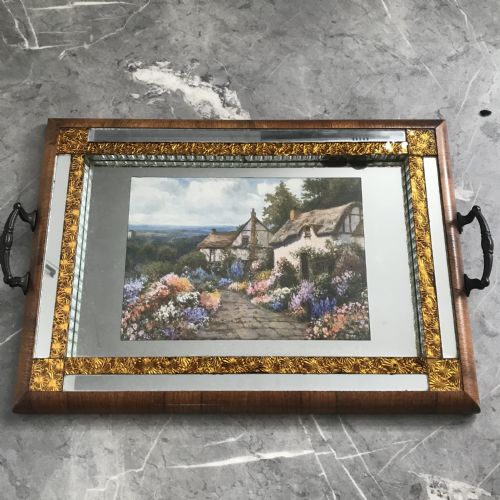
The selection here includes coffee tables alongside related serving items such as tea trolleys, drinks cabinets, and mirrored trays. These forms reflect diverse stylistic influences including French Neoclassical, Hollywood Regency, and Dutch Rococo.
Most examples merge a glass or mirrored surface with structural frames of wood or metal. Buyers seeking a vintage glass cocktail table will find pieces ranging from compact occasional items to substantial multi-part furniture.
How they were made
Makers utilised a combination of glass, mirror, and metal alongside traditional timber frameworks. Brass, chrome, wrought iron, and bronze provide sturdy structures that support delicate glass tops.
Wood elements feature walnut, mahogany, burr walnut, and bleached pine, often paired with veneers. Artisans employed metalwork techniques for brass and chrome frames alongside specialist glass cutting and silvering for mirrors.
Listings feature items spanning the 1890s to the 1950s and beyond, incorporating glass, brass, walnut, and wrought iron.
What varies in quality
Superior examples demonstrate meticulous joinery in timber frames and precise mounting of glass or mirror inserts. The weight and finish of brass, chrome, or wrought iron components signal the underlying standard of manufacture.
Design complexity and the integration of secondary materials such as walnut veneer or bronze elevate certain pieces above standard utilitarian items. Original glass components and authentic period patination further distinguish higher grade examples.
Maison Jansen·Romeo Rega
The Vintage Glass Cocktail Table Glossary
- Art Deco
- A design style characterised by sleek geometric lines and modern materials popular during the 1920s and 1930s. It influences many tables and trays from this period.
- Walnut veneer
- A thin layer of walnut timber applied over a secondary wood base to provide a decorative surface. This technique appears frequently on Art Deco coffee tables and trays.
- Hollywood Regency
- An opulent design aesthetic featuring glamorous metallic finishes and reflective surfaces. It is often represented by brass and glass combinations.
- Wrought iron
- Iron beaten or bent into shape by hand, valued for its strength and decorative potential. It provides sturdy support for glass tabletops.
Vintage Glass Cocktail Table: Frequently Asked Questions
What periods do these tables represent?
The pieces span from the late nineteenth century through the Edwardian era and the Art Deco period of the 1920s and 1930s. Mid-century examples extend into the 1950s and later decades.
This broad timeline means designs range from ornate revival styles to streamlined modernist forms.
How are glass tables cleaned safely?
Glass and mirrored surfaces require gentle cleaning with standard glass cleaner and a soft cloth to avoid scratching the material. Care must be taken around vintage metal frames and wood veneers.
Harsh chemicals should be kept away from antique brass, chrome, and polished timber.
What woods appear on these tables?
Common timbers include walnut, burr walnut, mahogany, and bleached pine. These woods are frequently used for frames, tabletops, and decorative veneer work.
Makers often paired these rich timbers with reflective glass or polished metal accents.
Where were these tables made?
Many of the pieces originate from France and Britain, reflecting European design trends of their respective eras. Continental workshops produced distinctive modernist and neoclassical forms.
Design influences stretch from Parisian ateliers to colonial workshops.