
Edwardian Style Chandelier
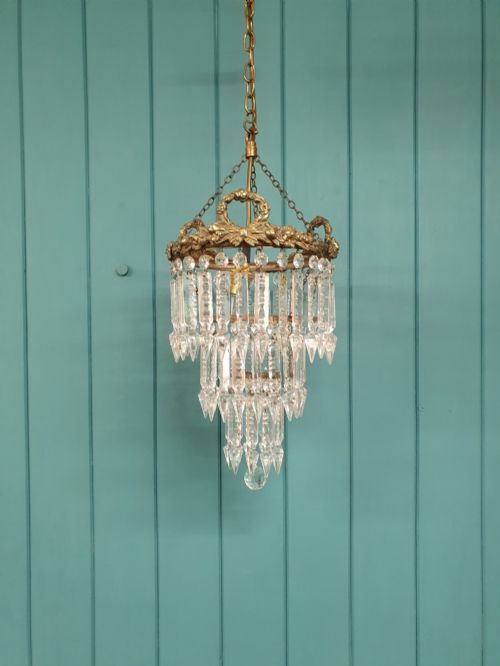
These edwardian style chandelier pieces bring period illumination and striking glass drops to a ceiling.
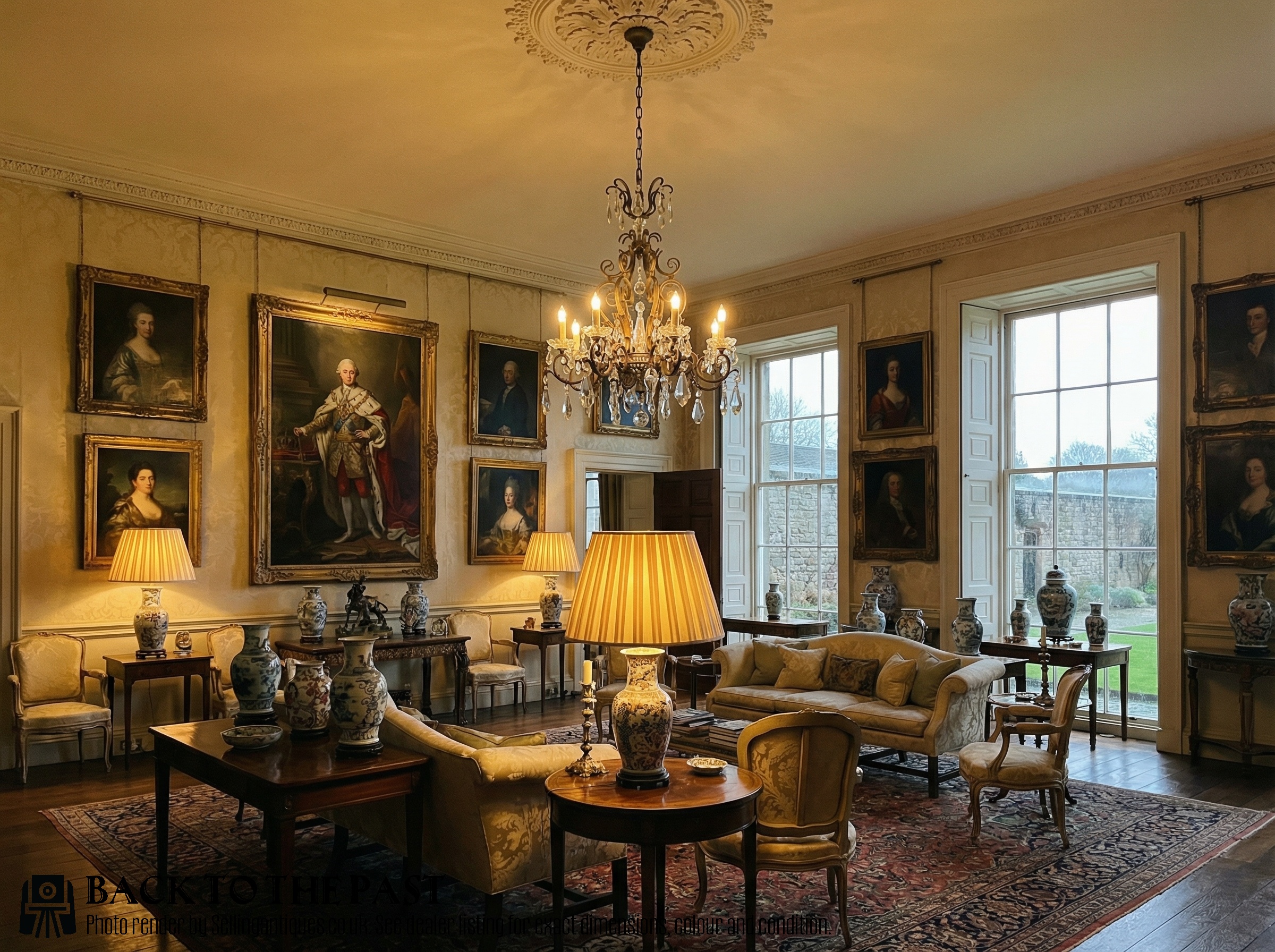
Edwardian Style Chandelier
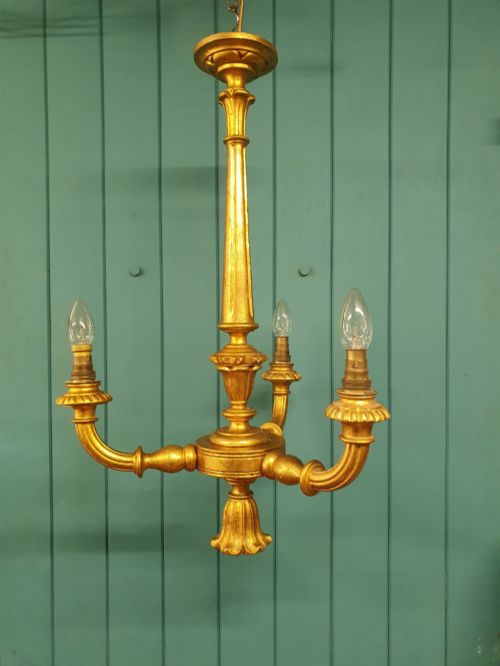
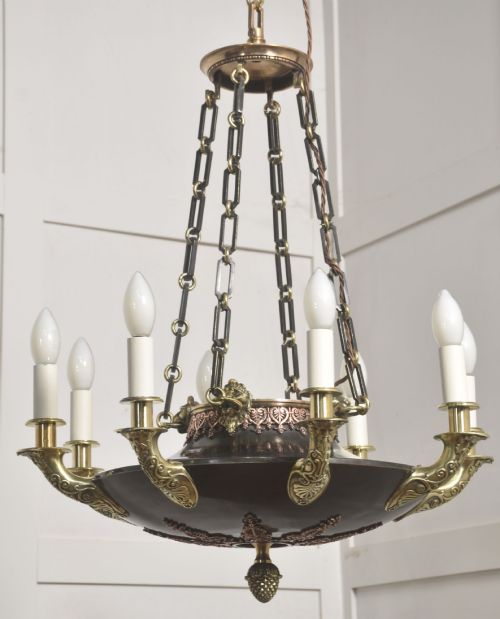
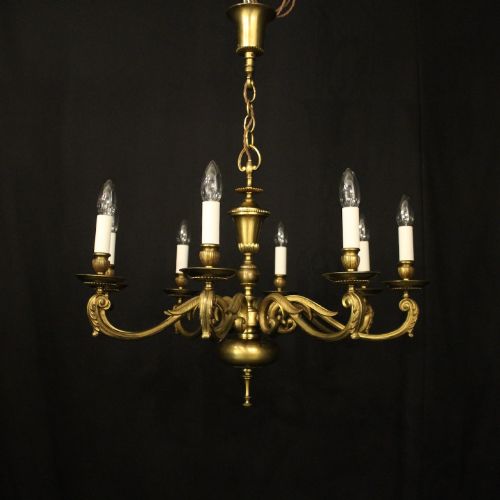
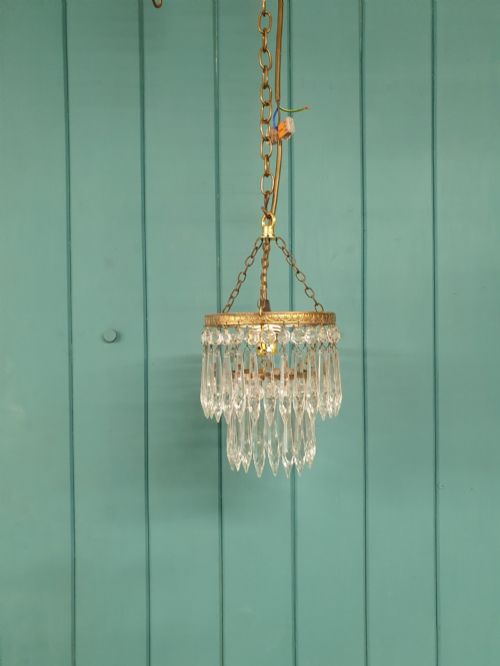
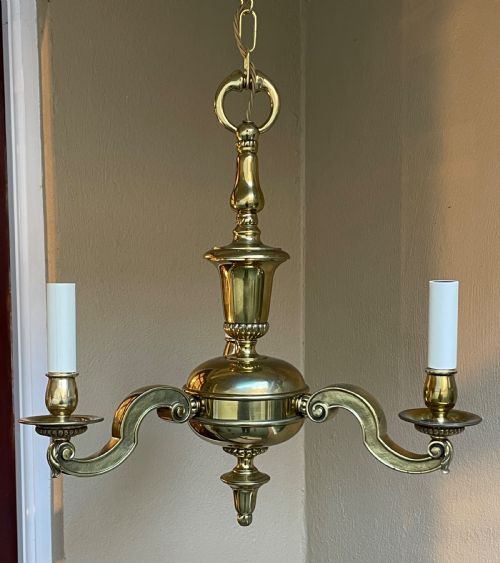
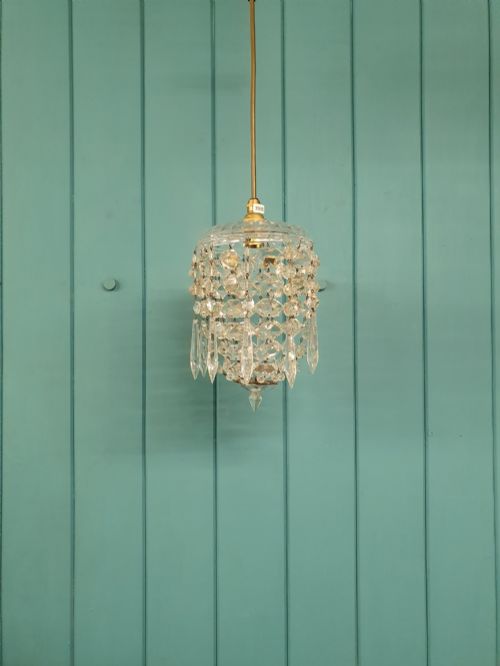
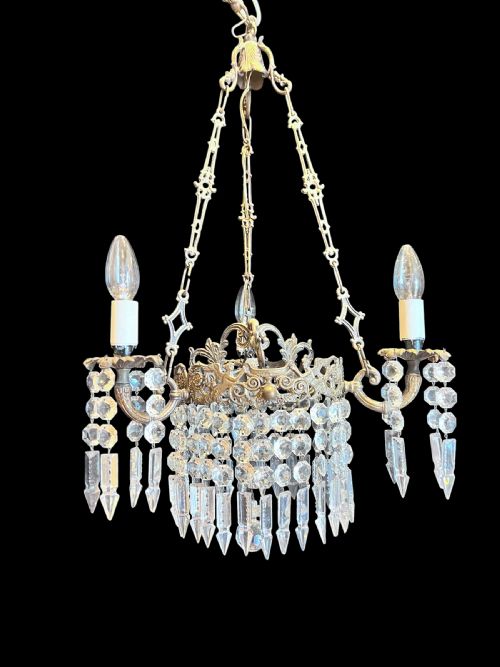
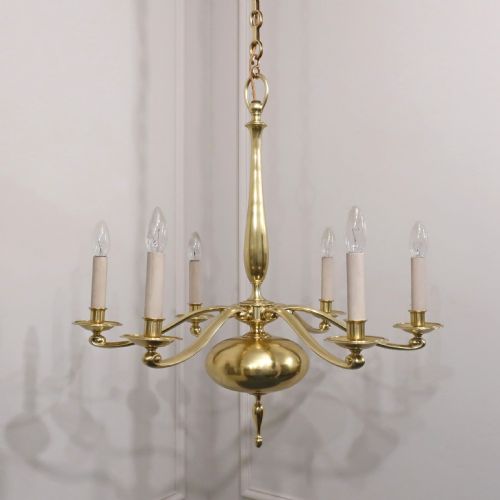
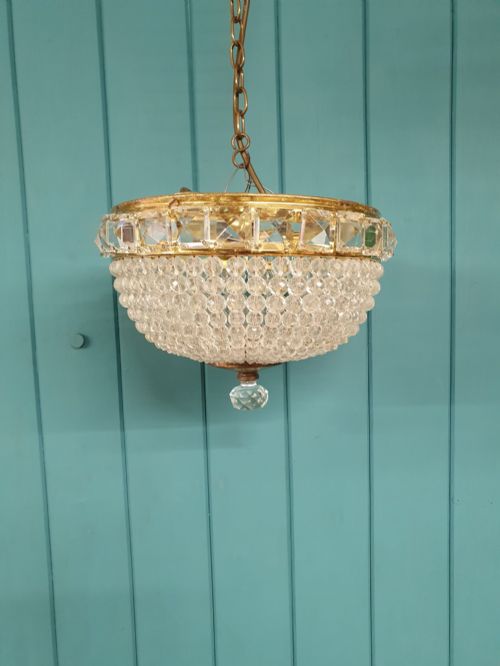
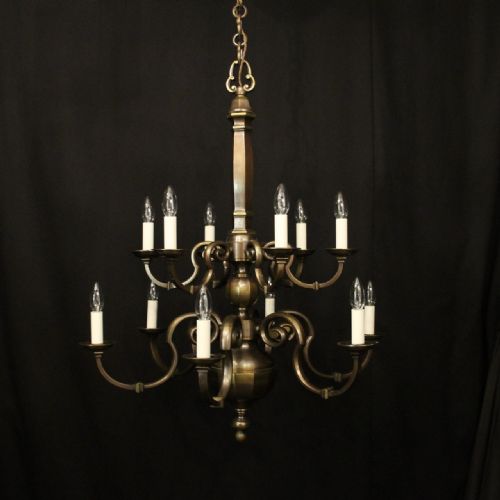
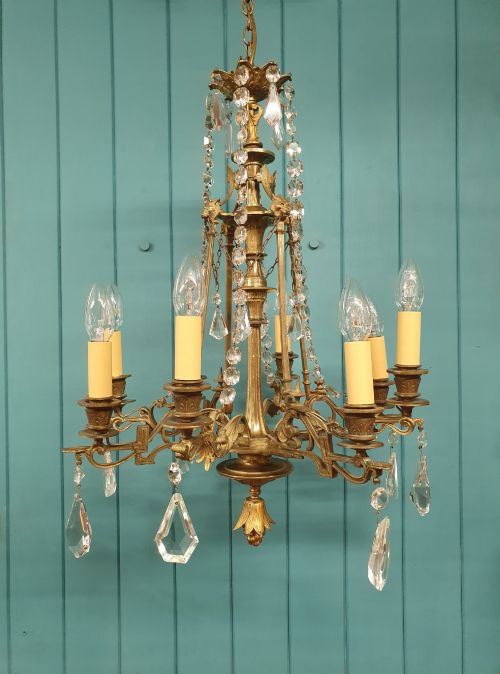
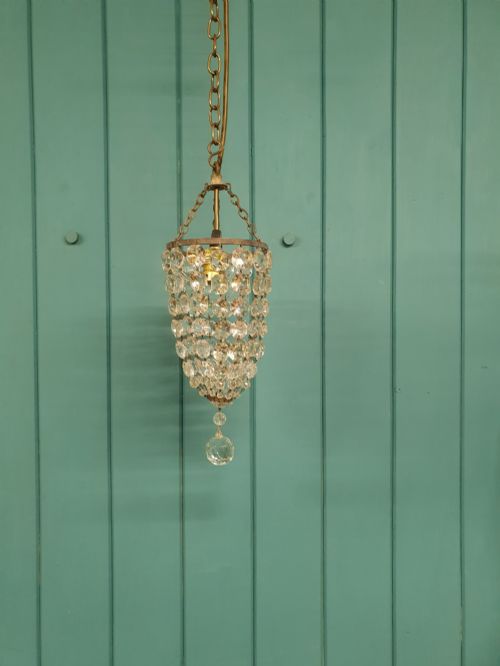
When you search for an edwardian style chandelier, you enter a field defined by early twentieth-century lighting forms, spanning the Edwardian period, 1900, 1910, 1920, and 1930. The pieces you meet most often on this page combine brass frameworks with cut glass and crystal components, taking shapes such as bag chandeliers, tent chandeliers, and multi-arm pendants.
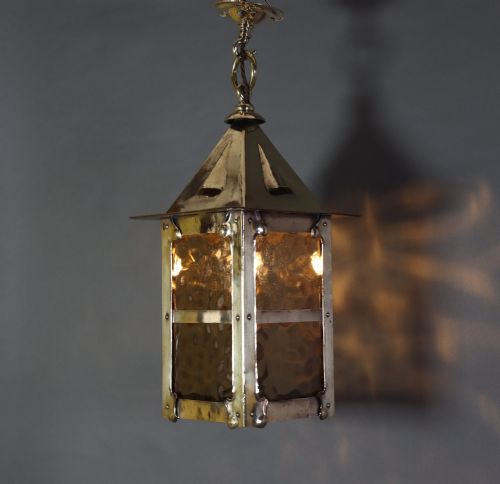
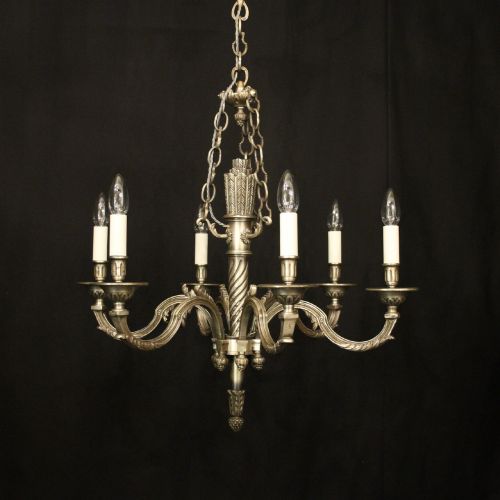
The aesthetic draws heavily on French influence, including French Chateau, French Neoclassical, French Regency, and French Empire styles alongside the core Edwardian manner. Beyond standard ceiling lights, the evidence shows related hanging lanterns and smaller spike or dome configurations designed for lower ceilings.
What varies in quality
The sophistication of the metal casting and the complexity of the glass cutting determine the distinction between standard examples and superior pieces. Heavier cast brass and finely chased gilt bronze display sharper architectural detail on arms, crowns, and mounts.
The optical clarity and depth of cut in the crystal glass drops also separate ordinary pieces from the finer productions. Complete assemblies retaining their original matching lustres, beadwork, and coordinated metalwork represent the higher tier of surviving examples.
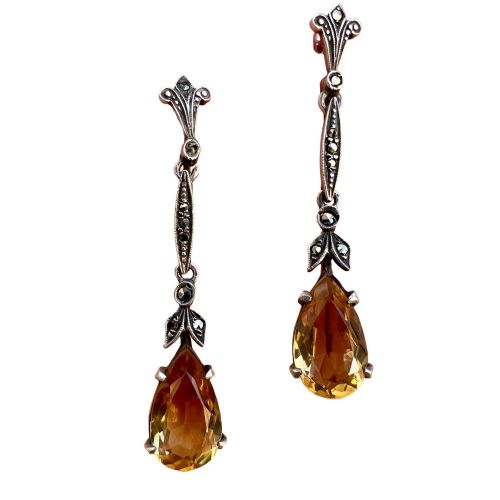
Among the delicate glass chandeliers, an unexpected pair of vintage citrine marcasite earrings makes a charming cameo.
G.E.C·Osler·F&C Osler
The Edwardian Style Chandelier Glossary
- Bag chandelier
- A lighting fixture featuring a conical or bag-shaped mass of hanging crystal drops suspended beneath a metal ring. This form creates a dense cascade of refracted light.
- Lustre
- A cut glass pendant or drop hung from the arms or perimeter of a chandelier to amplify illumination. These elements swing gently and catch ambient light.
- Tent chandelier
- A design where strings of crystal beads drape upward from a central ring to a crown, forming a tent-like canopy above the main body. It is a classic feature of period crystal lighting.
- Gilt bronze
- Bronze metal treated with a gold-coloured finish or mercury gilding to provide a rich metallic sheen. This material resists tarnishing while offering a warm decorative surface.
- Spike chandelier
- A compact lighting form featuring central vertical spikes or finials surrounded by glass drops or small arms. These suit more modest room dimensions.
Edwardian Style Chandelier: Frequently Asked Questions
How do I clean a crystal chandelier?
Cleaning requires a soft cloth dampened with a mild, non-abrasive glass cleaning solution applied by hand to each individual crystal drop and metal arm. Avoid harsh chemicals that might strip gilding or damage the original brass surface.
Support the glass drops from underneath while wiping them to prevent strain on the delicate wire fasteners holding them to the frame. Regular dusting helps maintain the refractive quality of the crystal without needing frequent deep cleans.
Were these lights originally electrified?
Many examples from the Edwardian period and early twentieth century were manufactured during the transition from gas lighting to electricity, or were later adapted for modern bulbs. Original wiring is typically replaced to meet current safety standards while preserving the exterior metal and glass components.
When examining the sockets and internal channels, evidence of past conversions from gas burners to electric fittings remains common. Professional rewiring ensures the fixture can safely support contemporary electrical loads.
How do I choose the right size chandelier?
Selecting the correct proportion involves measuring the room dimensions and ensuring adequate clearance between the bottom of the hanging light and the floor below. Smaller bag chandeliers and spike lights work well in compact spaces or hallways, while multi-arm fixtures suit larger reception rooms.
Ceiling height dictates whether a flush mount, a short pendant, or a longer chain-suspended chandelier is appropriate. The physical weight of heavy bronze or multi-tier brass designs also requires secure anchoring into ceiling joists.
How do I identify an Edwardian period piece?
Identification relies on observing stylistic markers such as cast brass construction, classical proportions, and specific cut glass configurations typical of the early twentieth century. Comparing the framework details with documented examples helps establish the correct chronological window.
Maker attribution or registration marks, when present on the metal components, provide definitive confirmation of origin and date. The integration of Edwardian design elements with French neoclassical influences remains a strong indicator of the era.