
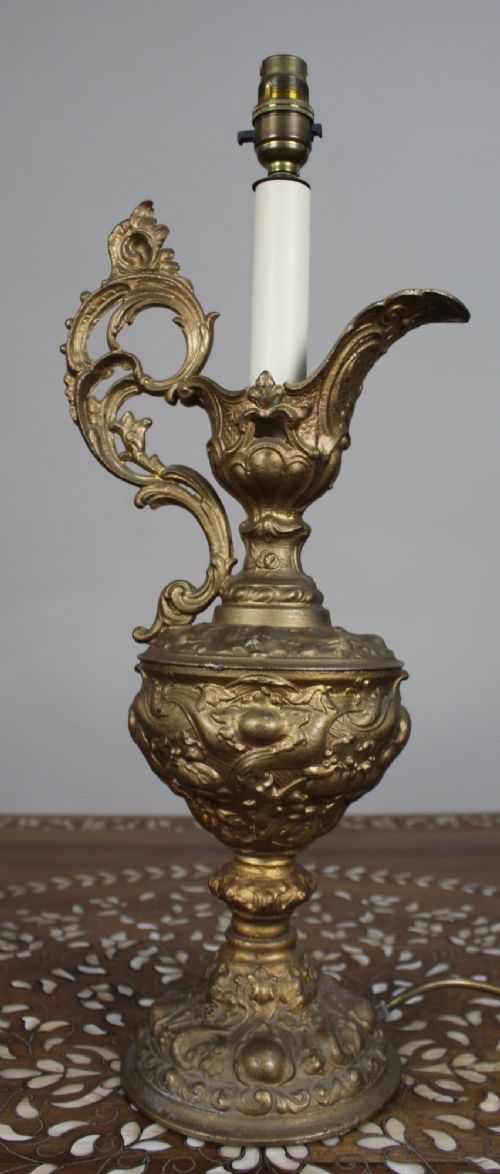
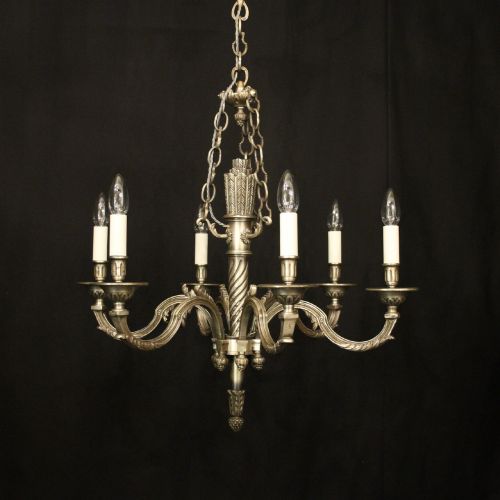
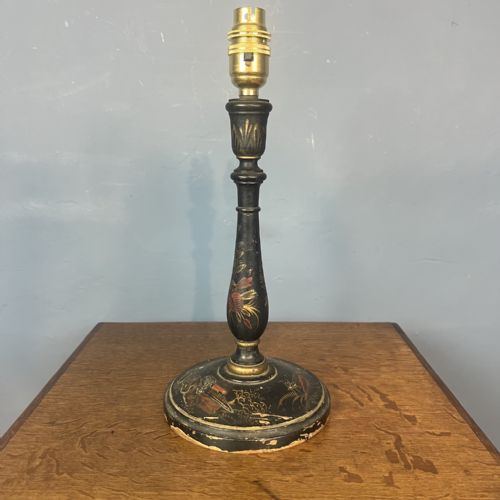
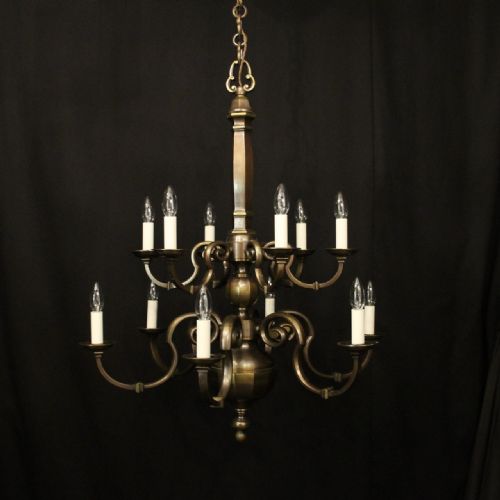
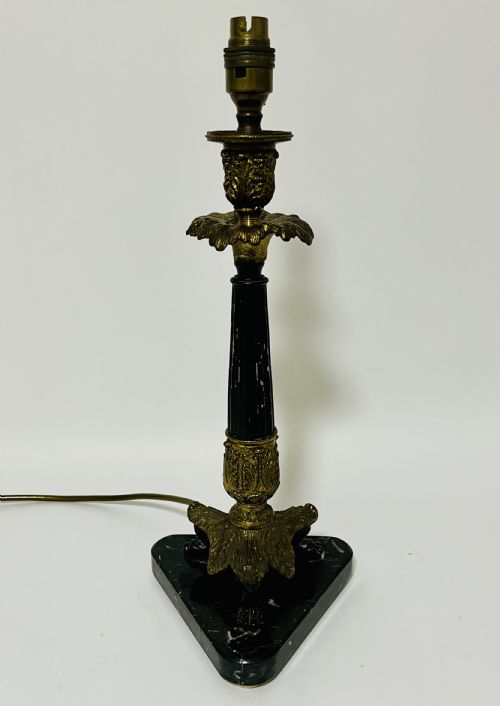
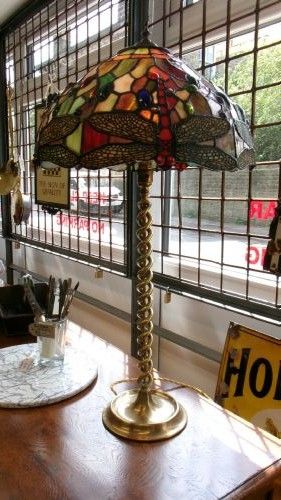


Edwardian Style Brass Lamp
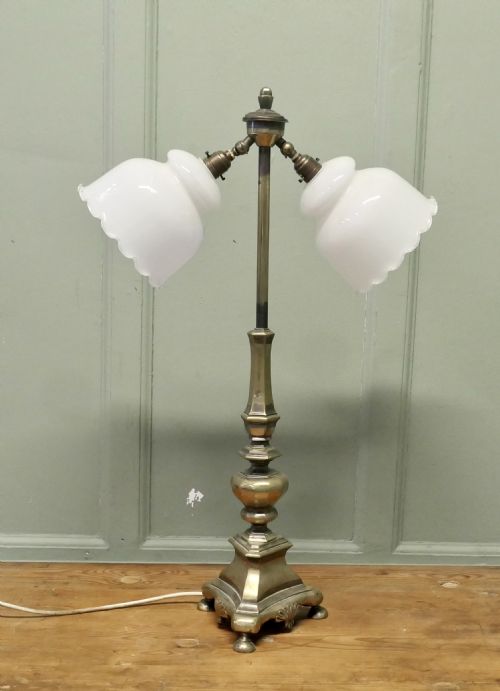
An edwardian style brass lamp brings substantial metalwork and period character into a room.
Edwardian Style Brass Lamp
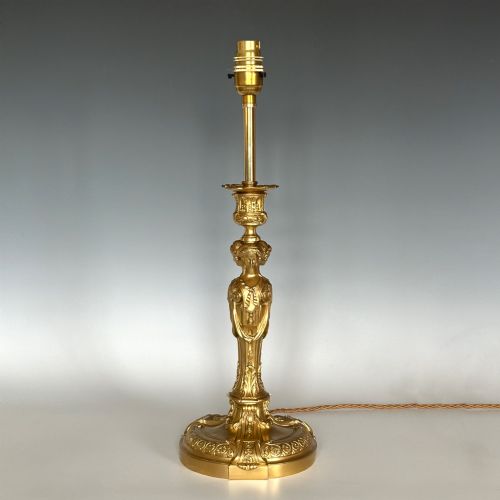
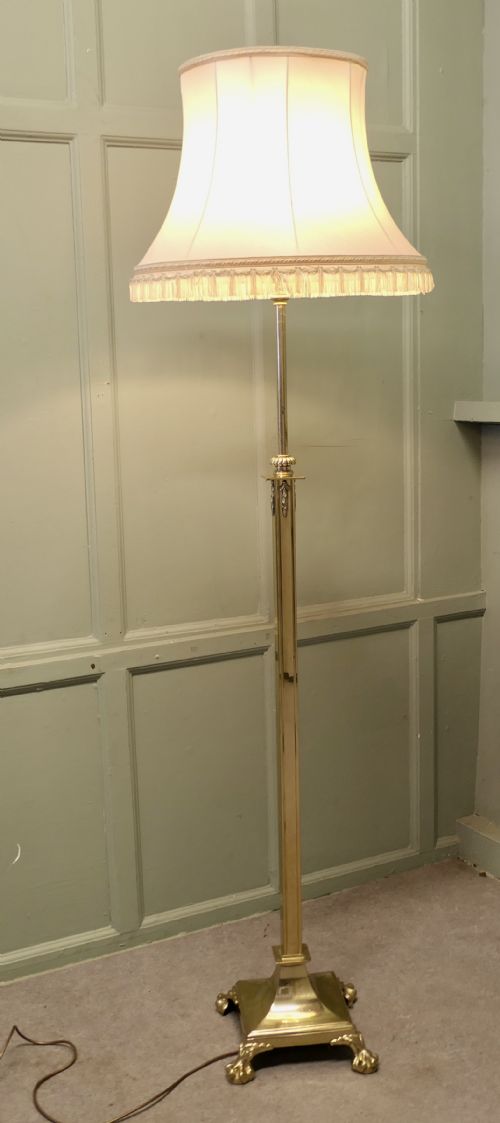
When you search for an edwardian style brass lamp, you encounter lighting fixtures that span table, floor, and standard lamp forms produced around the turn of the twentieth century and in subsequent revival periods. These pieces draw on classical motifs, Corinthian columns, and telescopic mechanisms designed for adjustable height in domestic interiors.
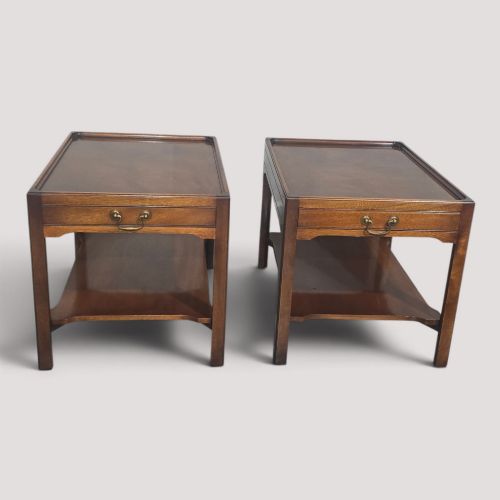
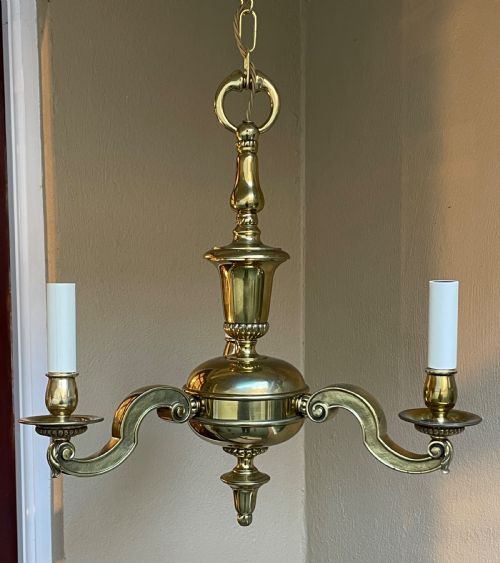
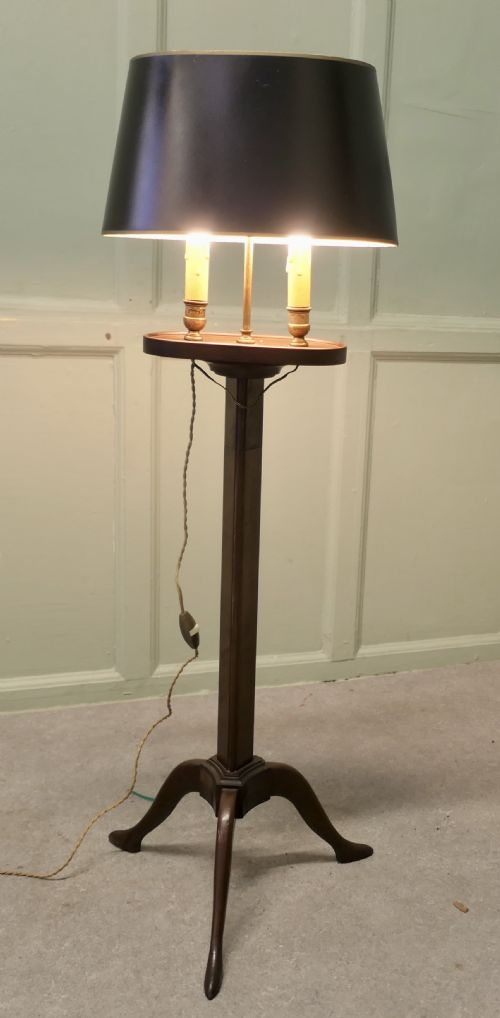
The selections available range from sturdy reading lamps and candlesticks to elaborate standard lamps with adjustable stems. Alongside these upright forms, related period metalwork and occasional tables frequently appear, sharing the same brass materials and early twentieth-century provenance.
Materials and Construction
Makers utilised solid brass, cast components, and gilded bronze alongside glass and crystal elements to construct these lamps. Telescopic mechanisms relied on precision inner tubing allowing smooth vertical adjustment, while standard lamps incorporated heavy weighted bases to maintain stability at extended heights.
Surface finishes involved patination, polishing, or silver gilding applied to cast and turned metal. Wiring and electrical components were frequently integrated into older candlestick and oil lamp adaptations during subsequent decades.
Listings for this search phrase span multiple decades, including Edwardian, 1920, and 1930 production periods alongside nineteenth-century survivals.
Assessing Quality
The distinction between ordinary production and finer examples lies in the weight of the cast brass and the crispness of detail in elements like Corinthian capitals and base mouldings. Superior pieces maintain rigid stability on telescopic stems without wobble, showing careful hand-finishing in the turning and chasing of the metal.
Subtleties in proportion and the quality of associated glass shades or crystal drops separate standard utility lighting from more ambitious decorative pieces. Original patination and substantial gauge metal indicate superior original manufacture.
F. & C. Osler·Dugourc
The Edwardian Style Brass Lamp Glossary
- Corinthian column
- A classical column form featuring ornate acanthus leaf decoration at the capital, frequently utilised on the shafts of tall standard and table lamps.
- Telescopic
- Describing a standard or floor lamp with a sliding inner stem that allows the overall height of the light to be adjusted.
- Ormolu
- Finely chopped and gold-gilded bronze used for decorative mounts and decorative fittings on period lighting and furniture.
- Spike chandelier
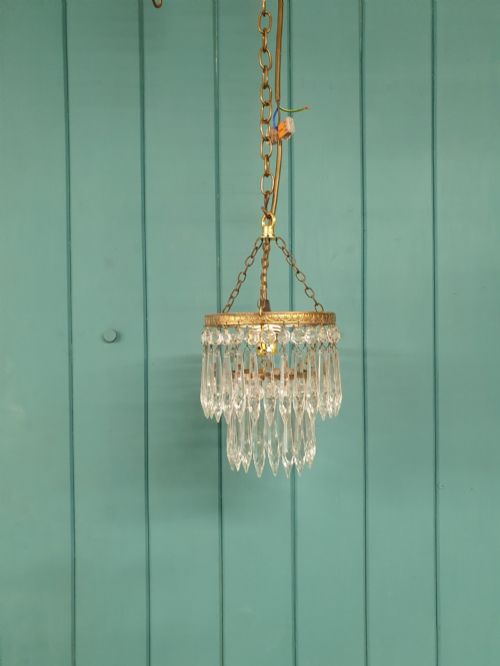
- A compact hanging light fixture characterised by a central vertical spike or spindle holding radiating arms and crystal drops.
Edwardian Style Brass Lamp: Frequently Asked Questions
How do I adjust a telescopic brass lamp?
Telescopic lamps use an internal sliding mechanism secured by a thumbscrew or collar near the upper section of the shaft. Loosing this collar gently allows the inner tube to slide upward or downward to the desired height.
Tighten the mechanism firmly once positioned to hold the weight of the fitting and shade securely in place.
Were these lamps originally electric?
Many examples began as oil lamps, gas fixtures, or candlesticks before being converted for electricity during the twentieth century. Adaptations often retained the original metal bodies while updating internal wiring.
Such conversions are standard for period lighting found on the market today.
What styles accompany edwardian brass lighting?
Pieces often reflect Neoclassical, Adam, Arts and Crafts, and Empire revival aesthetics popular through the Edwardian era and the 1920s. These styles borrow classical architectural details such as fluted columns and stepped bases.
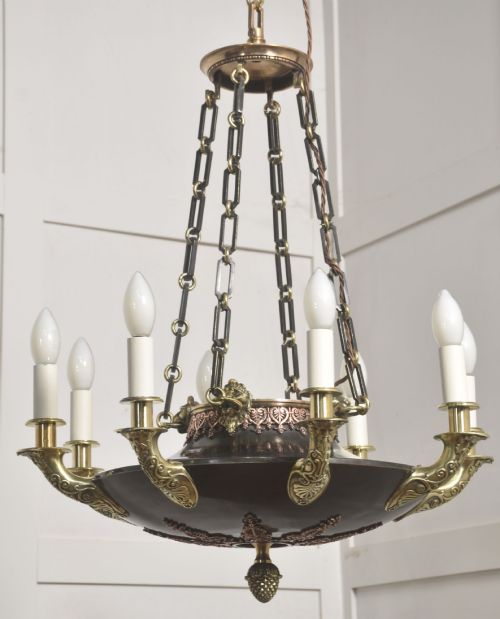
Matching occasional furniture and chandeliers from the same decades frequently share these decorative motifs.
How do I clean antique brass?
Dust the surface regularly with a soft, dry cloth to prevent the buildup of grime on intricate castings. Avoid harsh chemical cleaners that strip the aged patination prized on older metalwork.
Gentle application of specialist metal polish should be reserved only for unlacquered brass requiring active maintenance.