



Edwardian Street Painting
These edwardian street painting works capture urban and village life through period watercolours and oils that bring historical townscapes into your home.
Edwardian Street Painting
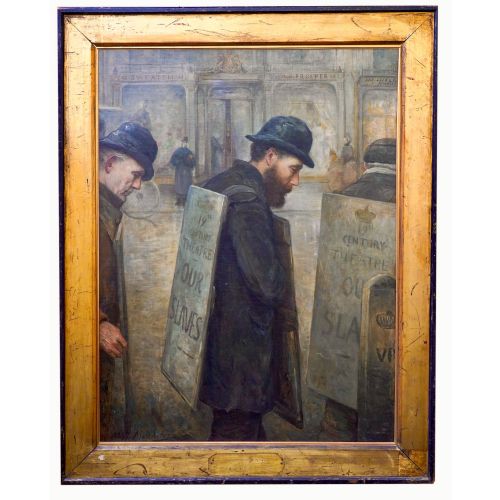
An edwardian street painting brings together urban and village views created during the late nineteenth and early twentieth centuries. These artworks capture bustling markets, quiet moonlight thoroughfares, and recognisable city squares from periods including Victorian, Edwardian, and the 1920s.
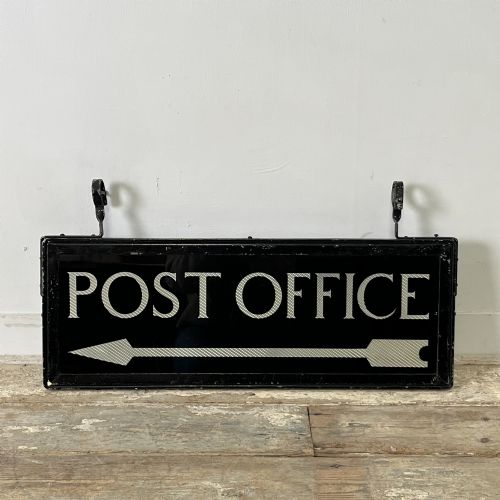
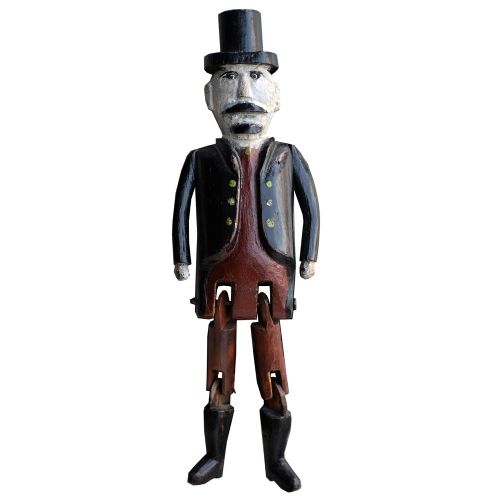
Most pieces you meet on this page are watercolours or oil paintings on paper, board, and canvas. Alongside traditional framed paintings, the selection extends to related street items such as glass direction signs, lamp posts, and folk art interpretations of rural streets.
Artists working in this genre document everyday life, capturing everything from London landmarks like Leicester Square and Aldgate to continental scenes in Venice and Paris. Townscape watercolours and genre paintings form the core of what is available to collectors today.
How they were made
These works rely on traditional painting media, principally watercolour paint and oil on canvas or board, applied by hand to paper and wooden supports. Artists utilised ink for fine linework alongside washes of watercolour to build atmospheric townscapes and architectural details.
Physical framing often involves wood and glass to protect fragile watercolours on paper from moisture and light damage. Street signage and related decorative items utilise painted glass and metal components suited to functional public placement.
Listings feature works created across the nineteenth and early twentieth centuries, utilising watercolour, oil on canvas, ink, and glass.
What varies in quality
Quality rests on the artist's ability to capture atmospheric light and perspective within bustling townscapes or quiet twilight scenes. The handling of watercolour washes and oil pigments dictates whether a street view feels flat or possesses genuine depth and movement.
Condition and originality play a significant part in the overall appeal of each piece. Works retaining their original paper supports, stable paint layers, and period framing generally hold greater visual integrity than those altered over time.
Felix Stone Moscheles·Thomas Ellison·Albert Ludovici Jnr·William Manners·Charles James Lauder·John Smith Atherton·George Whyatt·Andrew Young·Robert Hollands Walker·Joseph W Milliken·David Small·Annie L Lee·Matthew Hale·Alfred Leyman
The Edwardian Street Painting Glossary
- Watercolour
- A paint consisting of pigment suspended in a water-based solution, typically applied to paper. It allows for translucent washes that define early twentieth-century street views.
- Genre painting
- A style of art that depicts aspects of everyday life by portraying ordinary people caught in common situations. These scenes often feature figures navigating town streets and markets.
- Townscape
- A painting, drawing, or other work that depicts a city street or urban landscape. It forms the primary subject matter for the artists represented in this group.
- Oil on board
- A painting technique where oil pigments are applied to a rigid wooden or composition board rather than stretched canvas. This medium provides a sturdy support for textured street scenes.
- Folk art
- Art produced from an indigenous cultural tradition, often by self-taught creators using simple materials. These primitive pieces offer an unpolished view of rural street scenes.
Edwardian Street Painting: Frequently Asked Questions
What is an edwardian street painting?
An edwardian street painting is an artwork depicting townscapes, markets, and architectural views created around the turn of the twentieth century. These pieces record historical urban environments through the eyes of period artists.
Most examples employ watercolour or oil paint to document specific locations across Britain and Europe. They serve as visual records of past street life and architecture.
How should I display watercolour street paintings?
Watercolour paintings require placement away from direct sunlight to prevent the pigments and paper from fading over time. Using UV-filtering glass during framing provides additional protection for these delicate works.
Keeping them in rooms with stable humidity levels also protects the paper supports and wooden frames from warping. Proper hanging ensures the artwork remains stable for decades.
Are these paintings original period pieces?
The artworks listed here originate from the nineteenth and early twentieth centuries, spanning Victorian, Edwardian, and 1920s periods. Each piece reflects the materials and techniques common to its specific decade of creation.
Signatures, dates, and historical subject matter help tie these works firmly to their era. They represent authentic historical documents of past streetscapes.
What subjects appear most often?
Townscapes, city markets, and street scenes dominate the available selection, featuring locations ranging from London to Paris and Venice. Artists frequently recorded everyday human activity alongside notable architectural landmarks.
Rural village streets and local inns also appear through the work of folk artists and regional painters. These varied settings show diverse aspects of historical community life.