



British Original Art
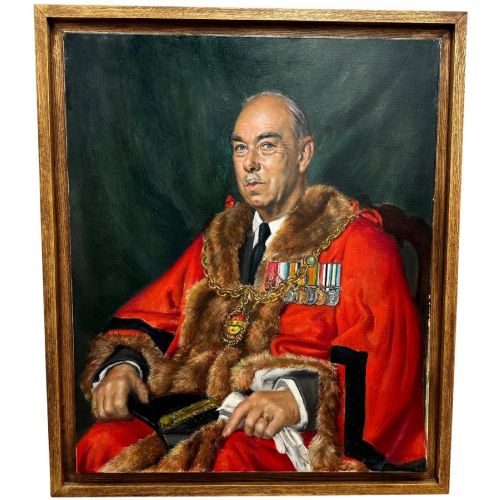
British original art encompasses paintings, watercolours, and drawings spanning multiple centuries.
British Original Art
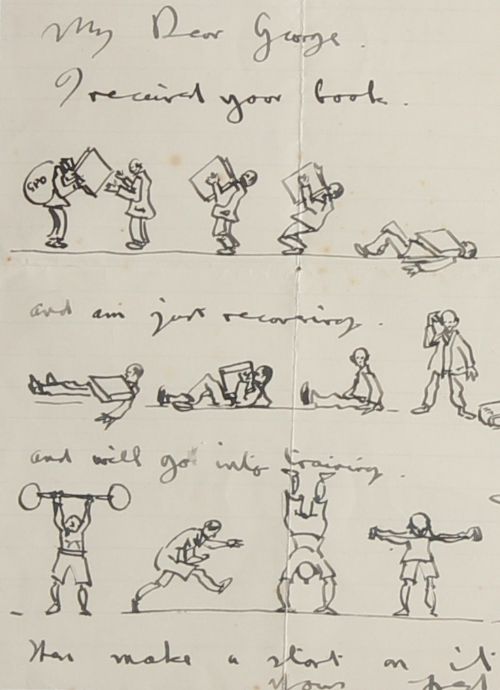
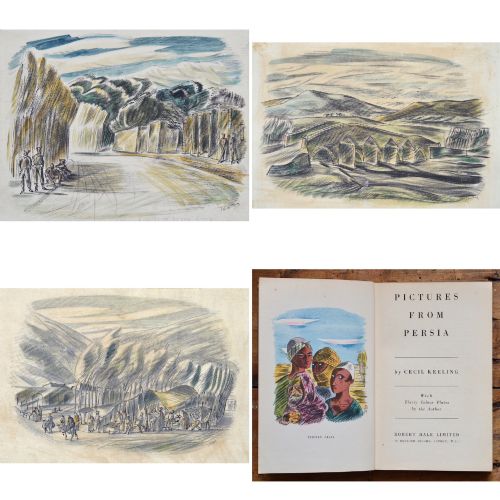
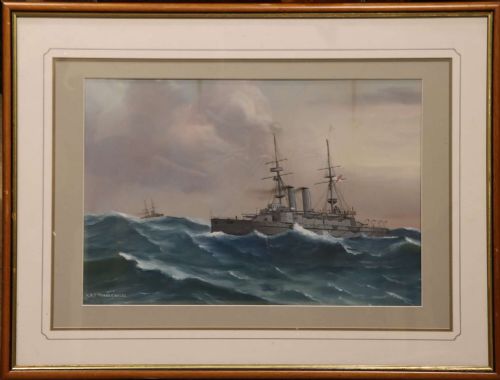
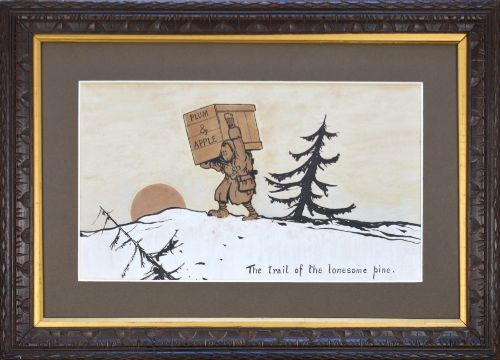
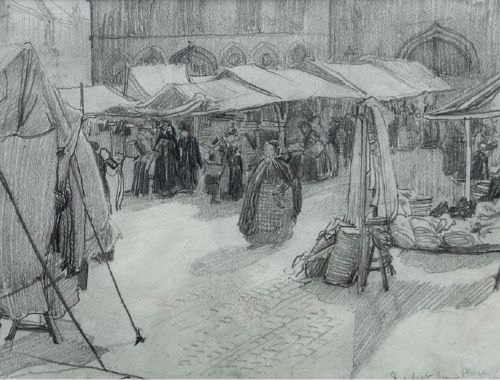
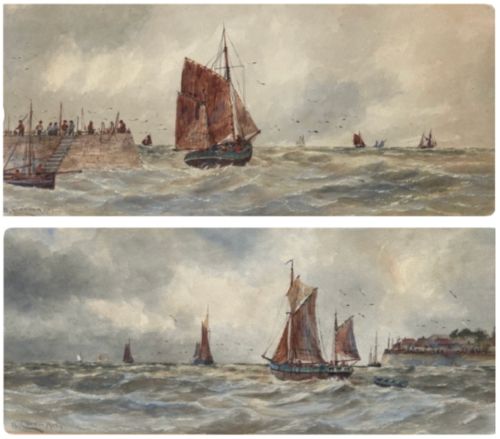
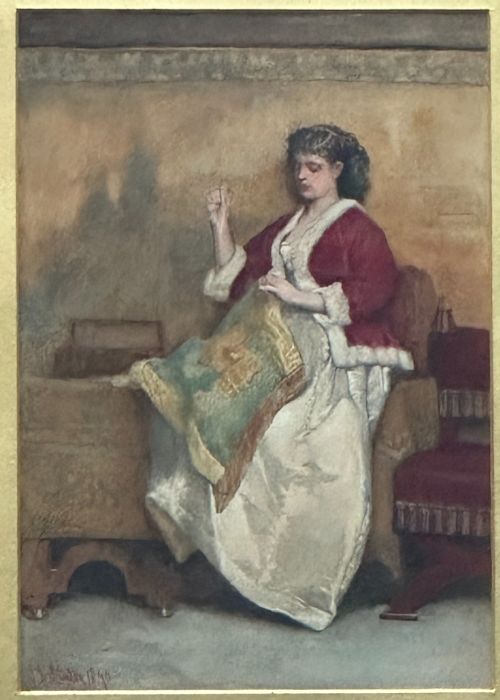
British original art comprises hand-painted works, watercolours, gouache, and ink drawings executed across various historical periods.
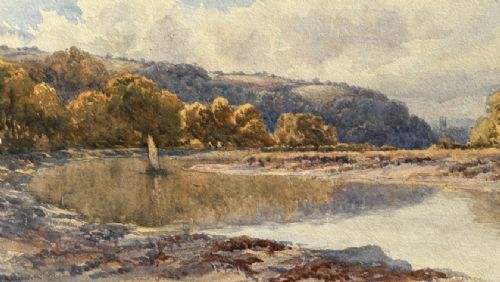
Collectors encounter nineteenth-century rural landscapes, Edwardian coastal scenes, and mid-century Northern art.
How they were made
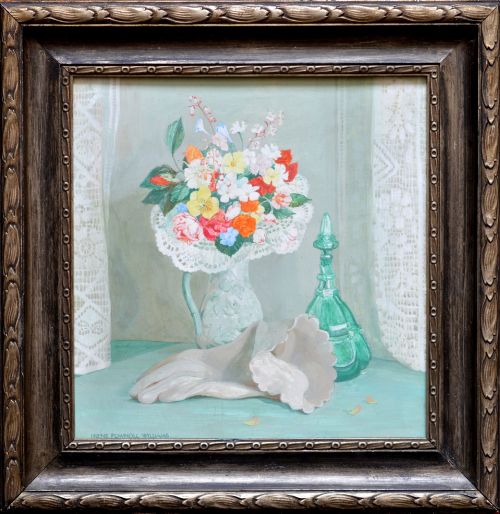
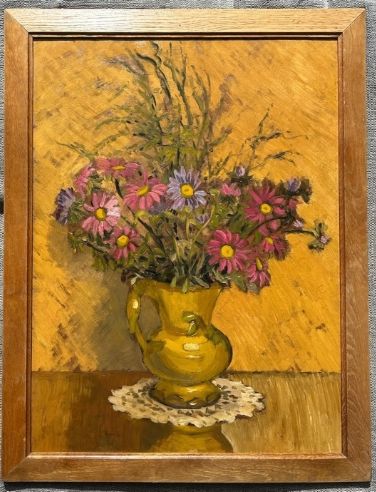
Artists applied oil paint, watercolour pigment, tempera, and ink to canvas, wood panel, board, and paper supports.
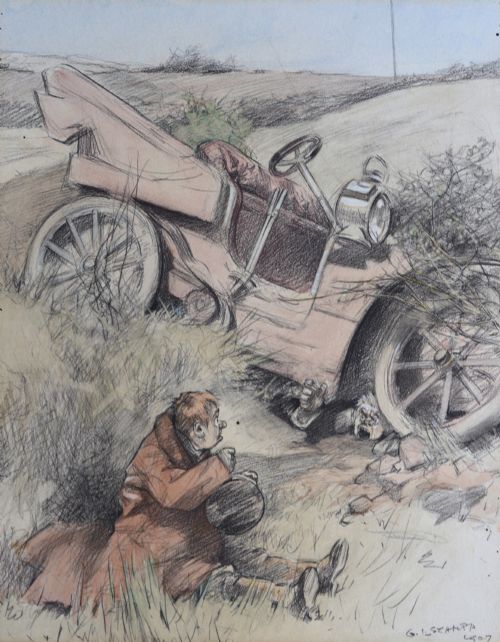
Techniques range from fine watercolour washes and pencil line work to heavy impasto oil application.
The listings encompass oil paintings, watercolours, and ink drawings across nineteenth and twentieth-century periods.
What varies in quality
Quality depends on the surety of the draughtsmanship, the handling of pigment, and the clarity of composition.
Stronger examples display deliberate brushwork and atmospheric depth, whereas lesser pieces rely on formulaic repetition.
David Law·Fred Lawson·Irene Christobelle Pownoll Williams·Cecil Keeling·Bruce Bairnsfather·Kenneth Cozens·George Lorain Stampa·George Fotherly Hargitt·Bernard Hailstone·James Orrock·Henry Percy Huggill·William Cannon·Sir James Dromgole Linton·John R Prentice·William H Myers·George Graham·Thomas Ellison·Tom Campbell·Alfred Young Nutt·Clifford Hanney·Charles Jervas·Percy Lancaster·William Howard Hardy·Frederick Marriott·Arthur Wardle
The British Original Art Glossary
- Watercolour
- A paint consisting of pigment suspended in a water-soluble binder, traditionally applied to paper.
- Impasto
- The process of laying paint thickly on a canvas or panel so that it stands out from the surface.
- Gouache
- An opaque water-based paint that includes a white pigment filler, producing a heavier matte finish.
- Tempera
- A permanent, fast-drying painting medium consisting of coloured pigment mixed with a water-soluble binder medium.
British Original Art: Frequently Asked Questions
What defines British original art?
British original art includes unique paintings and drawings created by artists working in Britain across different historical periods.
These pieces reflect changing artistic styles from Victorian academic realism to mid-century modernism.
How do I identify the period?
Dating relies on stylistic conventions, signatures, framing, and recorded artist working spans.
Examining the materials used, such as specific paper types or panel boards, also assists in determining the era.
How should these artworks be displayed?
Works on paper require framing behind glass with acid-free mounts to protect the pigment from light damage.
Oil paintings on canvas or panel need stable indoor environments away from direct sunlight and excessive moisture.