


British Townscape Art
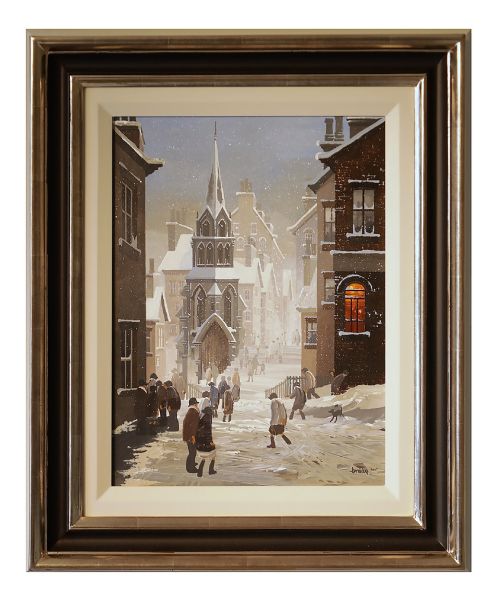
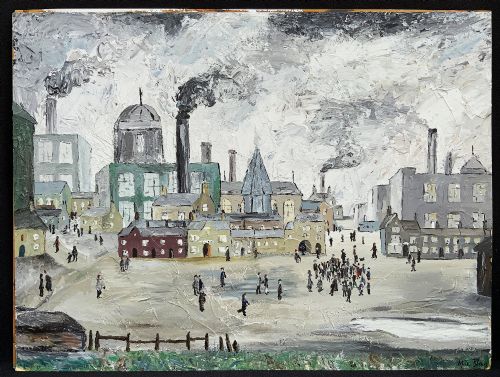
These pieces of british townscape art capture urban life across the centuries, offering a direct view into historical streets and markets.
British Townscape Art
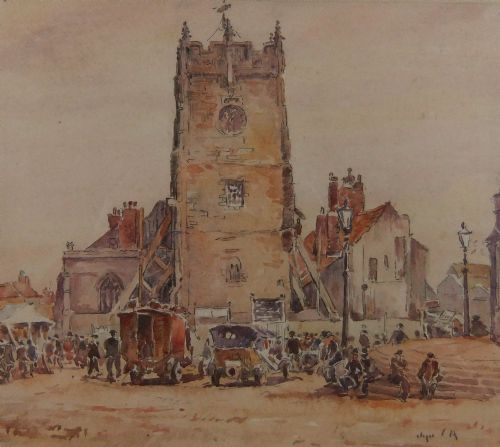
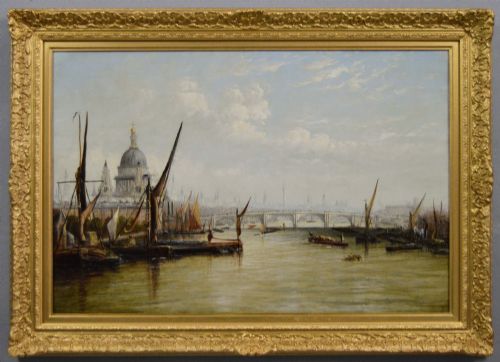
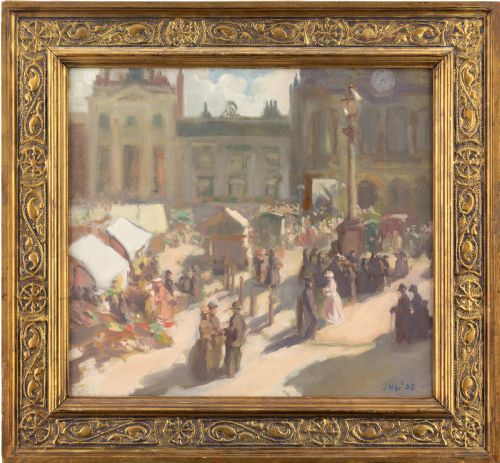
British townscape art records streets, markets and rivers from the nineteenth century into the later twentieth century. You will encounter watercolour paintings and oil paintings depicting specific locations such as Whitby, York and London.
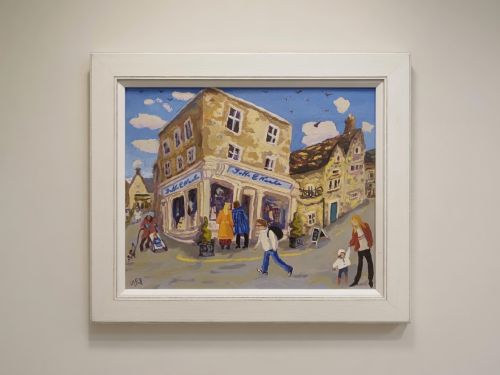
The works range from Victorian street scenes to modern British depictions of northern industrial towns and southern market crosses. Artists use media including pencil, charcoal, ink and watercolour on paper or oil on canvas to render these architectural views.
How they were made
Artists painted these scenes using oil on canvas, oil on board, and watercolour on paper, frequently supported by preliminary pencil or ink drawings. Pigments are applied with brushwork that varies from tight Victorian detail to freer twentieth-century impressionistic handling.
Framing typically involves wood surrounds that protect the paper or canvas supports, whilst glass is utilised specifically to shield watercolours and drawings from atmospheric moisture.
Several watercolours meticulously record local inns and bridges where travellers once stopped to water their horses.
What varies in quality
Quality rests upon the sureness of the draughtsmanship and the artist's command of light and perspective within the urban setting. Stronger pieces demonstrate a confident handling of architectural structures and human figures rather than rigid or flat composition.
The condition of the medium also distinguishes examples, as watercolours can suffer from fading whilst oil paintings may show stable or cracked paint surfaces depending on their historical environment.
John Smith Atherton·Francis Moltino·Lucy Pratt·John Hodgson Lobley·Brian Shields Braaq·Fred Yates·William Manners·Stanley Orchart·John Sanderson Wells·LS Lowry·Angus Rands·Walter Emsley·George Willis Pryce·Fred Lawson·Annie L Lee·John J Hamer·Donald Wood·Augustus William Enness·Henry Edridge·H Kingsley
The British Townscape Art Glossary
- Townscape
- A painting, drawing or watercolour depicting urban architecture, streets, bridges and city life. It differs from a pure landscape by placing buildings and human habitation at the centre of the work.
- Watercolour
- A paint consisting of pigment suspended in a water-soluble binder, traditionally applied to paper. It allows for transparent washes of colour that capture light effectively.
- Oil on Canvas
- A painting medium where pigments are bound with drying oils and applied to stretched fabric. This technique offers rich colour saturation and textured brushwork.
- Modern British
- A stylistic umbrella for art produced in Britain during the twentieth century, absorbing European modernism while retaining domestic subjects. It encompasses impressionist and semi-abstract approaches.
- Pencil Drawing
- A work executed primarily with graphite on paper, often serving as a preparatory sketch or a finished study focusing on line and tone.
British Townscape Art: Frequently Asked Questions
What periods do these paintings cover?
The works span from the nineteenth century through the Edwardian era and into the mid-twentieth century and later.
They reflect changing artistic movements including Victorian realism, British impressionism and modern British styles.
How should I hang watercolour townscapes?
Watercolours require protection from direct sunlight to prevent the pigments and paper from fading over time.
Ensure they are framed behind glass with adequate spacing between the paper and the glazing.
Are these works signed by the artists?
Many of the pieces carry signatures or initials from the painters, whilst others are attributed based on style or known provenance.
Signatures frequently appear in the lower corners of the canvas or paper.
What is the difference between an oil and a watercolour?
Oils use pigment mixed with drying oil on canvas or board, allowing for thick impasto and deep colour layering.
Watercolours use water-soluble pigments on paper, producing transparent washes and lighter, more luminous effects.