


Edwardian Stick Pin Gold
These edwardian stick pin gold pieces are refined lapel adornments offering period elegance and traditional craftsmanship.
Edwardian Stick Pin Gold
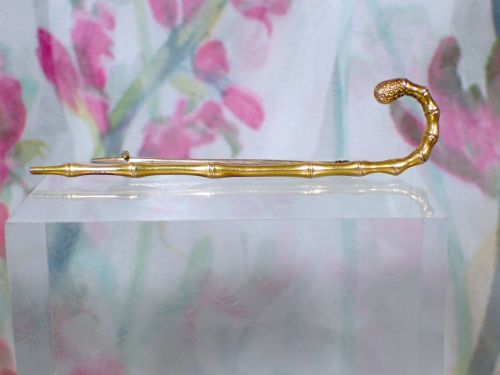
An edwardian stick pin gold item serves as a functional and decorative lapel accessory designed to secure a cravat or dress fabric. Buyers searching this phrase encounter slender pins topped with ornamental heads originating primarily from the Edwardian period and adjacent eras.
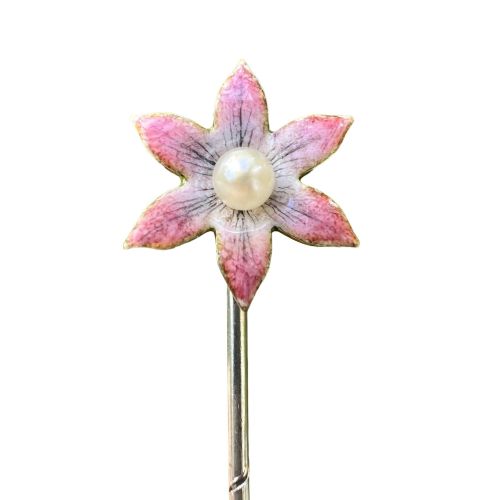
The form typically comprises a long metal shaft terminating in a decorative terminal featuring gemstones, pearls, or enamel work. While stick pins form the core of this selection, related brooches and pin brooches also appear alongside the primary needle format.
Most examples emerge from the Edwardian years and the broader nineteenth century, showcasing small-scale decorative metalwork. These pieces reflect the tastes of an era that favoured intricate ornamentation on a miniature canvas.
How they were made
Makers fashioned these pins using various grades of gold, including nine-carat and fifteen-carat yellow gold, alongside settings incorporating white gold and platinum. The metalwork provides a durable yet delicate foundation for the decorative heads.
Gems such as diamonds, pearls, opals, garnets, peridots, and amethysts are integrated into the designs using traditional claw and bezel settings. Enamel work and reverse-carved Essex crystal also appear, adding colour and intricate detail to the terminal.
Listings in this category span the nineteenth century, the Edwardian era, and mid-century modern periods, utilising gold, diamonds, pearls, and enamel.
What varies in quality
The refinement of the decorative head and the quality of the set gemstones dictate the distinction between standard and superior examples. Finer pieces display carefully matched stones, such as well-oriented pearls or clean old-cut diamonds, mounted with precision.
The artistry of the metalwork, whether through delicate wirework, enamelling, or sculptural forms like hunting bugles and flowers, determines the overall character. The integrity of the pin shaft and the security of the stone settings further distinguish finer specimens.
The Edwardian Stick Pin Gold Glossary
- Stick pin
- A long, slender pin with a decorative head used originally to fasten neckwear or lapels. It relies on a small guard or clutch to secure the point during wear.
- Old cut
- A diamond facet style popular in the nineteenth and early twentieth centuries featuring a smaller table and higher crown. This cut produces a distinctive, softer scintillation compared to modern brilliant cuts.
- Essex crystal
- A technique where rock crystal is reverse-carved and painted to create a three-dimensional miniature image. These pieces often depict animals or sporting motifs set into gold.
- Baroque pearl
- An irregularly shaped pearl valued for its organic and asymmetrical contours. They frequently form the body of botanical or animal designs in period jewellery.
Edwardian Stick Pin Gold: Frequently Asked Questions
How were stick pins worn?
These pins were worn secured through neckties, cravats, or lapels to add a subtle decorative touch to formal or everyday attire.
The long shaft pushed through the fabric, and a small metal cap or guard caught the sharp end behind the cloth to keep the piece in place.
Are these pins suitable for daily wear?
While these items are robust enough for occasional use, their delicate nature requires care to prevent bending the thin shafts.
Storing them in proper boxes and avoiding heavy fabrics will help preserve the gold and gemstone settings over time.
What materials are common in these pins?
Gold forms the primary structural material, spanning nine-carat, fifteen-carat, and higher purities in yellow, white, and standard tones.
Gemstones such as diamonds, opals, garnets, and pearls frequently adorn the heads, alongside coloured enamel and carved crystal.