



Edwardian Sterling Silver Jug
When you handle an edwardian sterling silver jug, you touch the weight of early twentieth-century dining, domestic service, and barware.
Edwardian Sterling Silver Jug
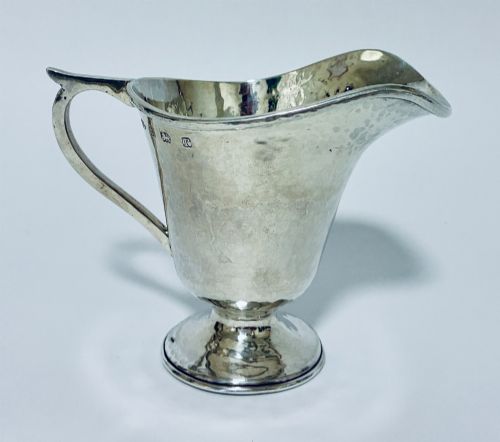
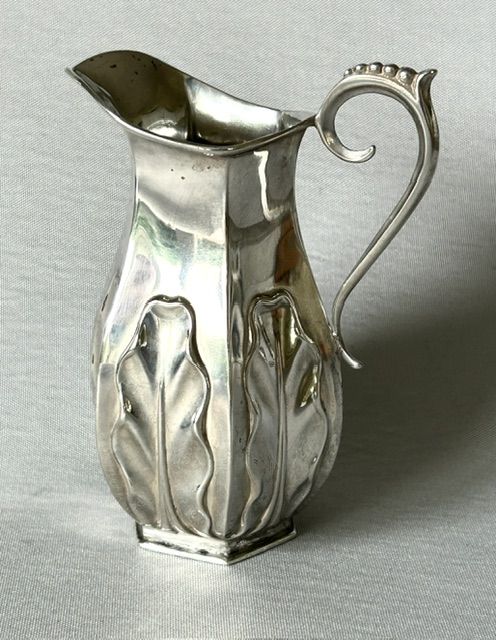
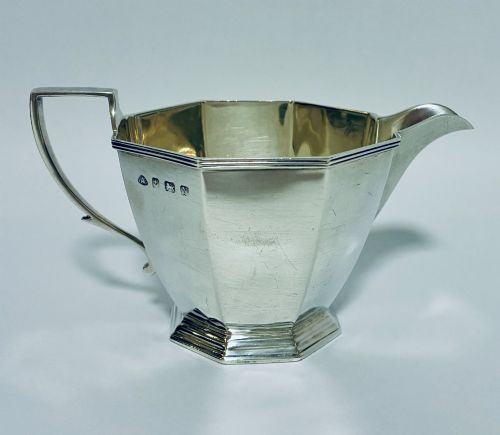
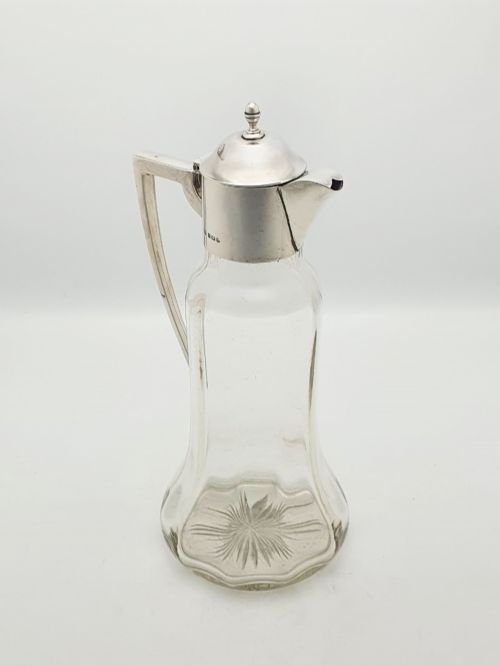
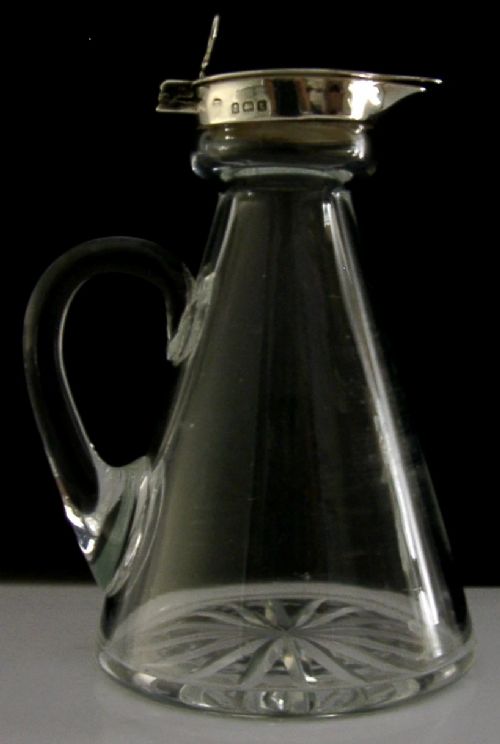
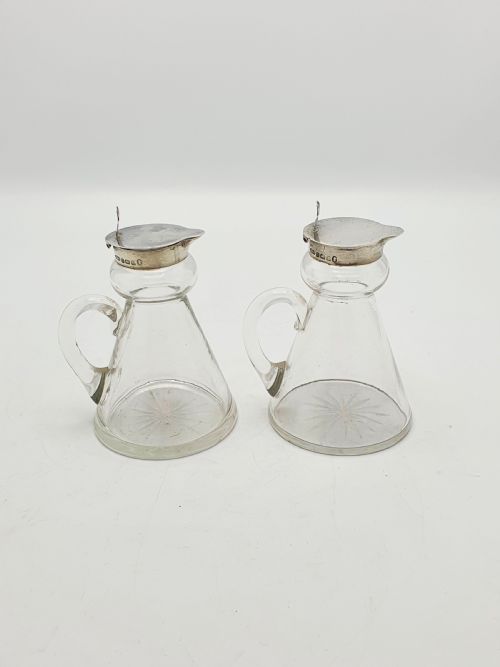
An edwardian sterling silver jug encompasses practical vessels designed for the table and sideboard, taking forms such as creamers, milk jugs, claret jugs, and whisky noggins. You will regularly encounter small cream jugs alongside larger glass claret jugs mounted in silver and compact whisky noggins intended for evening hospitality.
The pieces reflect the domestic rituals of the late nineteenth and early twentieth centuries, spanning periods from Victorian transitionals through Edwardian eras into George V designs. Makers produced these items in solid silver or combined sterling mounts with cut glass and crystal bodies.
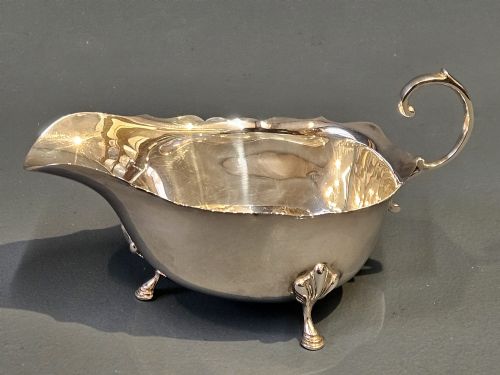
Forms range from novelty animal creamers to sauce boats and fitted tea and coffee services housed in original cases. The selection reflects varied functions across the household, uniting functional utility with solid metal work.
Materials and construction
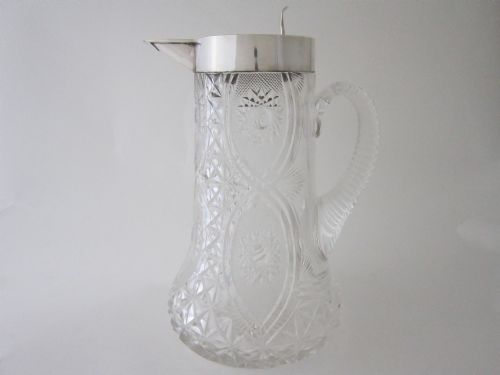
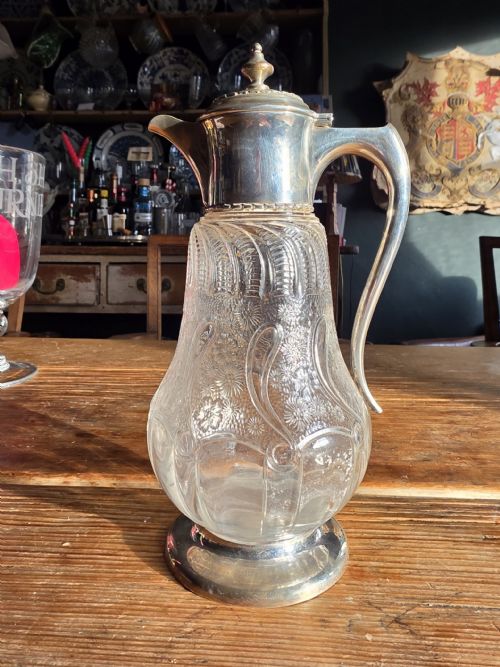
Silversmiths constructed these pieces primarily from solid sterling silver, often combining the metal with clear cut glass, crystal, or wood elements. Glass bodies feature deep vertical cuts, thumbprint patterns, and engraved floral motifs such as daisy designs to catch the light.
Mounts, collars, and hinged lids were shaped from sterling silver and hallmarked to record the assay office, date letter, and maker's mark. Components like handles were cast or forged separately and joined securely to bodies using traditional silversmithing techniques.
Edwardian Sterling Silver Jug Retail Price Guide 2026
Typical asking prices for edwardian sterling silver jug among the pieces listed under this phrase on Sellingantiques today, from the lower quarter to the upper quarter. They describe what is for sale here now, not the wider market.
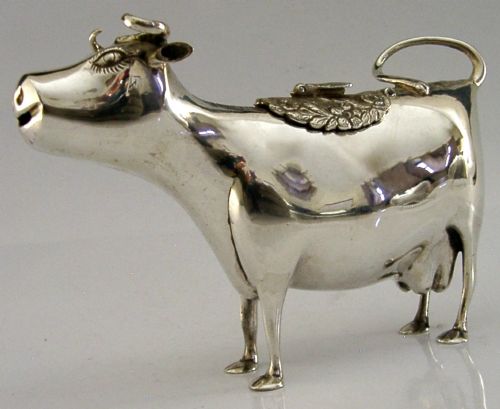
A cow creamer turns breakfast service into a miniature menagerie by making milk pour straight from the beast's mouth.
Judging quality in silver jugs
Quality rests in the crispness of the chasing, the thickness of the sterling gauge, and the clarity of the glass or crystal bodies. Substantial weight in the hand and crisp, unrubbed hallmarks indicate superior production standards by recognised makers.
Design ambition separates standard tableware from exceptional pieces, visible in novelty forms like cow creamers or heavily engraved claret jugs with matched accessories.
William Comyns·George Unite·Hukin & Heath·Harrison Brothers & Howson·William Davenport·Harry Atkin
The Edwardian Sterling Silver Jug Glossary
- Sterling silver
- A silver alloy containing 92.5 percent pure silver and 7.5 percent other metals, typically copper, chosen for durability.
- Whisky noggin
- A small spirit decanter or jug, usually fitted with a silver mount and a hinged lid, used for individual servings of whisky.
- Claret jug
- A large pouring vessel featuring a glass or crystal body fitted with a sterling silver collar, handle, and hinged spout.
- Hallmark
- A series of official marks stamped onto silver items to guarantee the metal standard, assay office, and year of manufacture.
- Sauce boat
- An open boat-shaped vessel with a lip and handle, designed for serving gravies or sauces at the dining table.
Edwardian Sterling Silver Jug: Frequently Asked Questions
What is a whisky noggin?
A whisky noggin is a small personal decanter designed to hold a single measure of spirits for the evening tray.
These pieces typically combine a heavy glass base with a hallmarked silver collar, handle, and hinged lid.
How do I date a silver jug?
Dating relies upon reading the hallmarks stamped into the sterling silver surface, which identify the assay office and the specific year letter.
Stylistic markers such as Edwardian proportions or Arts and Crafts simplicity also provide clues to the period of manufacture.
Were these jugs used daily?
Many silver jugs served practical functions in Edwardian households for breakfast cream, afternoon tea, or evening drinks.
Others remained part of formal dining services or were kept in fitted cases for special occasions.
What is the difference between a cream jug and a milk jug?
Cream jugs are generally smaller vessels intended to hold rich cream for coffee or tea service.
Milk jugs offer slightly larger capacities to accommodate the greater volume needed for family tea tables.