

Edwardian Sterling Frame
An edwardian sterling frame holds a portrait with unmistakable weight and polish, carrying the domestic elegance of the early twentieth century into any room.
Edwardian Sterling Frame
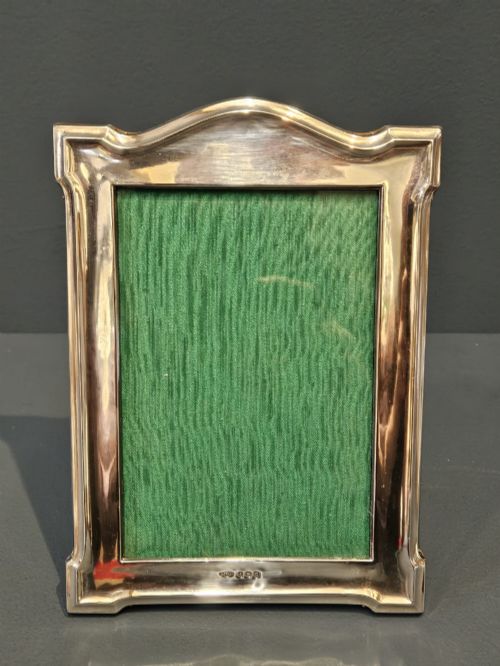
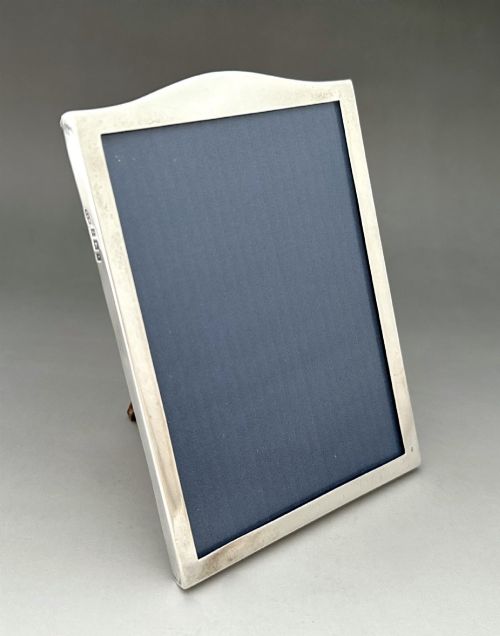
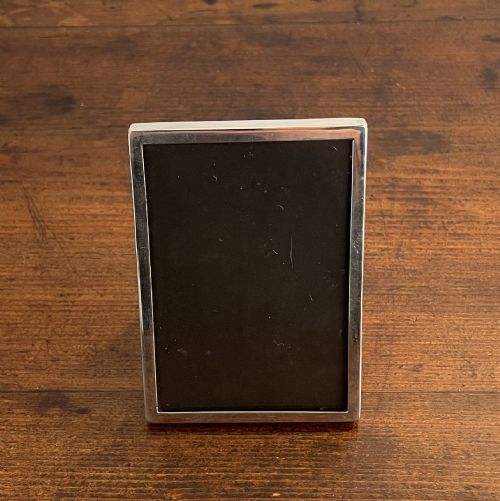
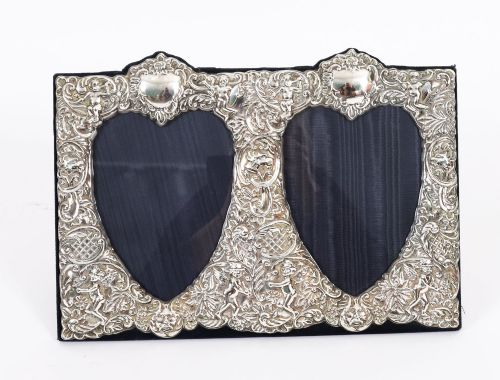
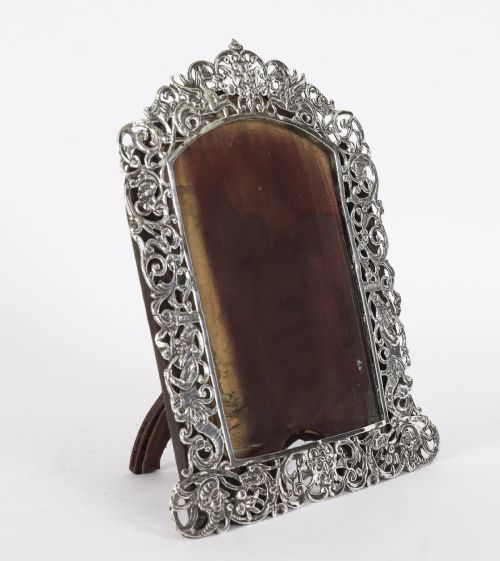
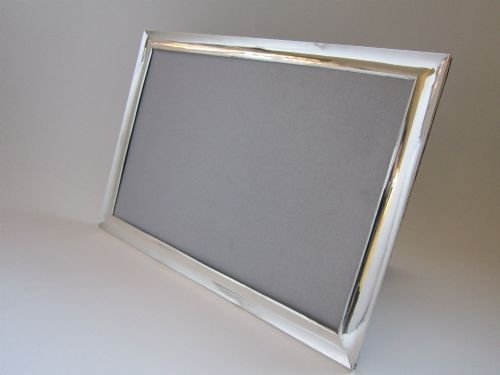
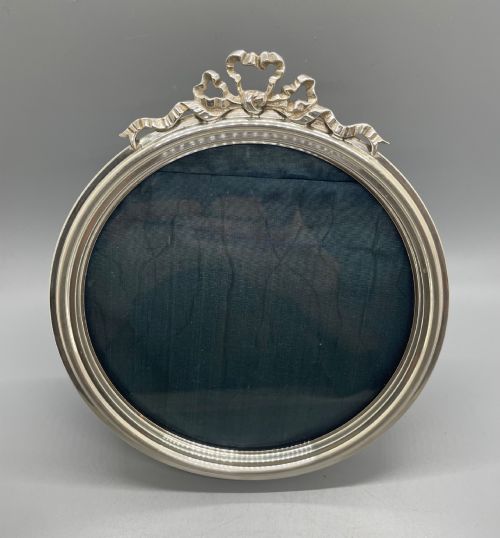
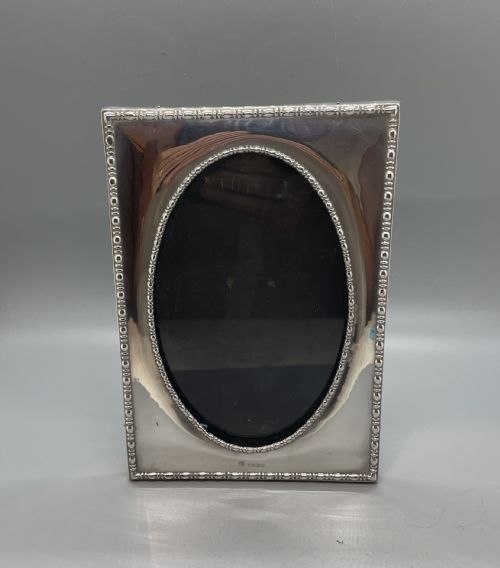
An edwardian sterling frame brings together the photographic traditions and silversmithing skills of the period, presenting portraits and landscapes with ornate or restrained metal mounts. The most common examples on this page take the form of table photograph frames, designed to stand upright with wooden struts supporting the reverse.
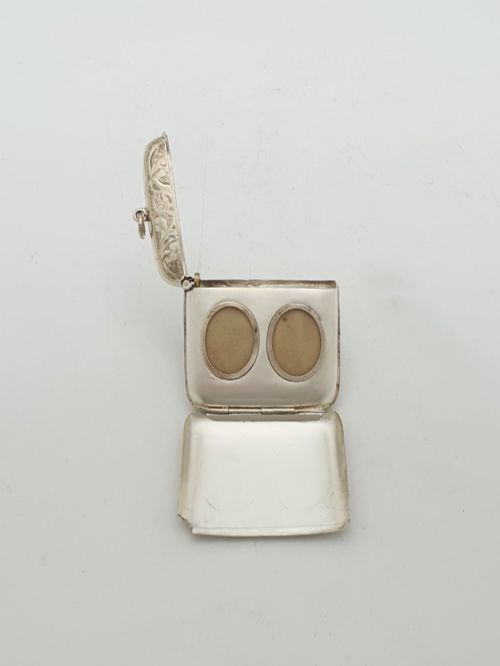
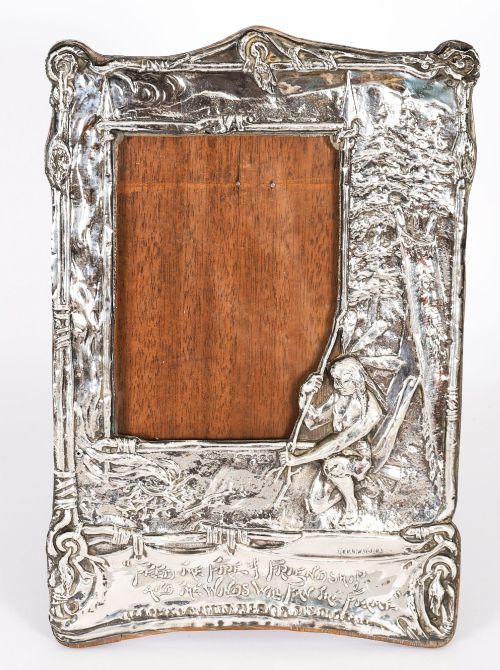
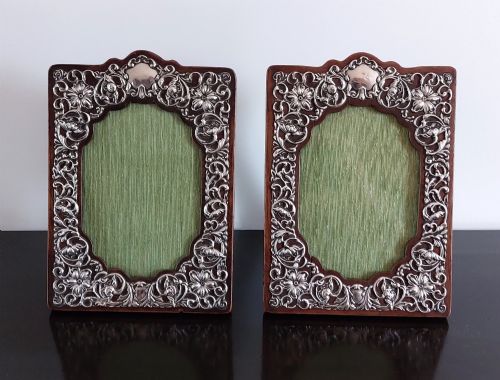
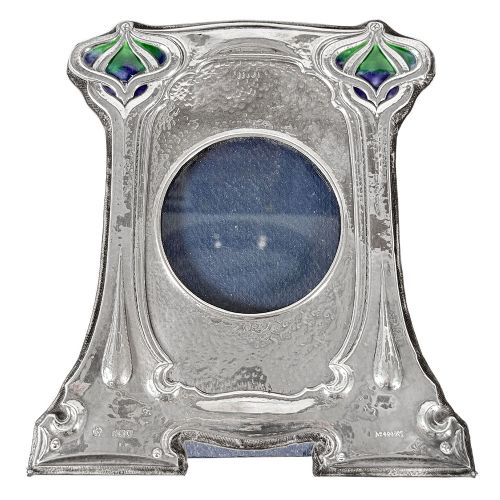
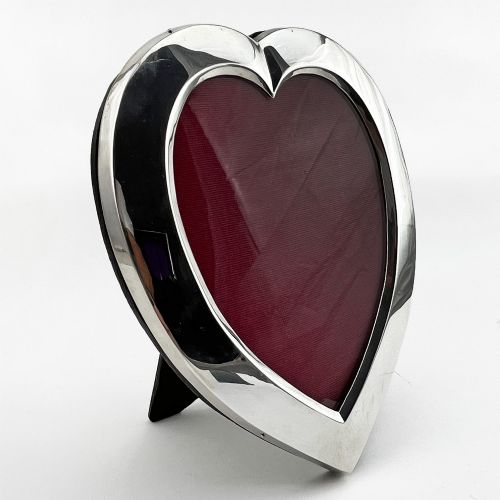
Makers fashioned these objects in various shapes, including rectangular, oval, and heart formats, alongside occasional double frames for multiple portraits. While the dominant style aligns with Edwardian and George V aesthetics, pieces also display Art Nouveau curves, Arts and Crafts restraint, and Victorian influences.
The objects serve primarily to display family likenesses and domestic mementos upon writing desks, mantelpieces, and drawing-room tables. Their survival reflects a period when silver held a central place in middle-class and aristocratic interiors alike.
How they were made
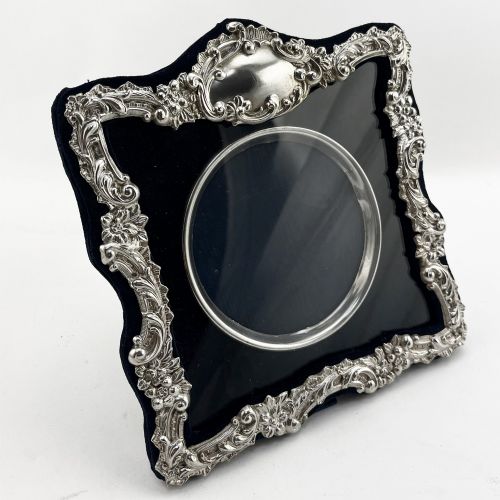
Silversmiths constructed the main decorative face from sterling silver sheet, often shaping the metal through stamping, embossing, or hand-chasing to create floral motifs, cherubs, and flowing sinuous lines. Assay offices in Birmingham, Sheffield, and London stamped these metal mounts with hallmarks denoting the year, city, and standard of purity.
Behind the silver facade, makers fitted wooden backing boards, frequently covered in plush velvet, leather, or fabric to protect the interior structure and hold the glass pane firmly against the photograph. A hinged metal strut attached to the back allowed the mount to stand steadily on flat surfaces.
Edwardian Sterling Frame Retail Price Guide 2026
Typical asking prices for edwardian sterling frame among the pieces listed under this phrase on Sellingantiques today, from the lower quarter to the upper quarter. They describe what is for sale here now, not the wider market.
Listings feature several periods, spanning from Victorian and Edwardian eras through to George V and Art Deco designs.
What varies in quality
Quality also shows in the structural integrity of the backing materials and the original fastenings, such as intact velvet linings and sturdy silver hinges on the strut. Pieces produced by notable silversmiths or bearing complete, clear hallmarks generally demonstrate superior craftsmanship and material thickness.
William Comyns·Rosenthal Jacob and Co·William Hutton and Sons·John Collard Vickery·Mappin Bros·W I Broadway and Co
The Edwardian Sterling Frame Glossary
- Hallmark
- A set of official marks stamped into sterling silver indicating the standard of purity, the assay office, and the year of manufacture. These small symbols provide the primary method for dating British silver pieces accurately.
- Strut
- A hinged support attached to the back of a frame that allows it to stand upright on a table. Original struts are typically covered in velvet or leather.
- Chasing
- A metalsmithing technique where the artisan pushes metal from the front using hammers and punches to create raised decorative patterns. This method adds dimension and texture to floral or figural motifs.
- Sterling silver
- An alloy of silver containing ninety-two point five percent silver and seven point five percent other metals, usually copper. This standard ensures the metal remains durable enough for daily domestic use while maintaining a bright lustre.
Edwardian Sterling Frame: Frequently Asked Questions
How do I date an Edwardian frame?
Dating relies heavily on the hallmarks stamped directly into the sterling silver mount by official assay offices. These small marks typically include a date letter corresponding to the exact year the piece was tested and entered the market.
Additional clues come from the stylistic traits of the period, such as Art Nouveau motifs or specific photographic formats common in the early nineteen-hundreds. Comparing the maker's mark against historical trade records further narrows the timeline of production.
Were these frames meant for wall hanging?
Most pieces on this page were designed specifically as table frames to sit upright on desks, mantelpieces, or dressing tables. Their construction relies on a hinged wooden strut covered in velvet or leather to hold the weight of the silver and glass at an angle.
While some might feature small loops or rings, wall hanging was rarely the primary intention for heavy silver-mounted photo frames of this era. Placing them on flat surfaces allowed owners to easily view portraits and admire the decorative metalwork up close.
What materials are behind the silver?
The front display face consists entirely of sterling silver, but the internal structure requires firmer support materials. Makers usually built the inner core and backing board from wood, which provided rigidity to the entire assembly.
This wooden backing is typically covered with rich velvet, leather, or fabric to give a neat finish against the surface where the photograph rests. Glass is then placed over the image to protect it from dust and handling.
How should I clean sterling silver frames?
Maintaining these objects requires gentle cleaning with a soft microfibre cloth and a reputable silver polish formulated for antiques. Care must be taken around embossed details and soldered joints to avoid rubbing away thin layers of metal or damaging the surrounding fabric backing.
Harsh chemical dips should be avoided, as they can strip away desirable patination and discolour any exposed wood or velvet on the reverse. Regular light dusting helps prevent heavy tarnish from forming in the recessed areas of the design.