


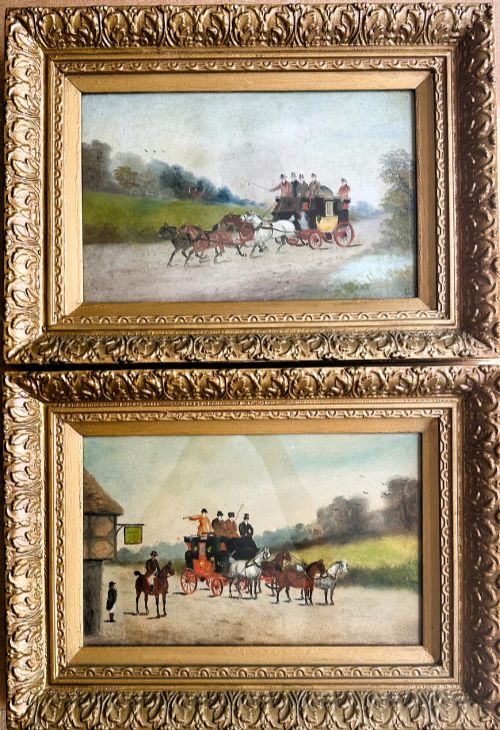


Edwardian Sporting Oil Painting
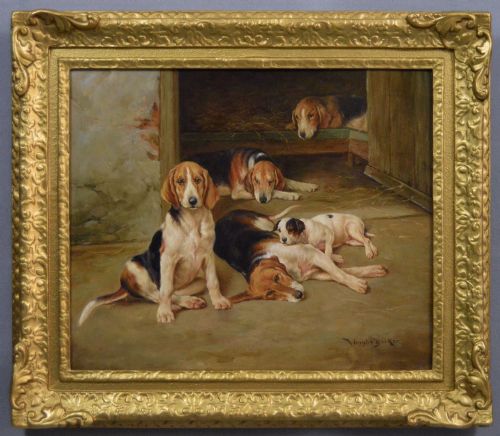
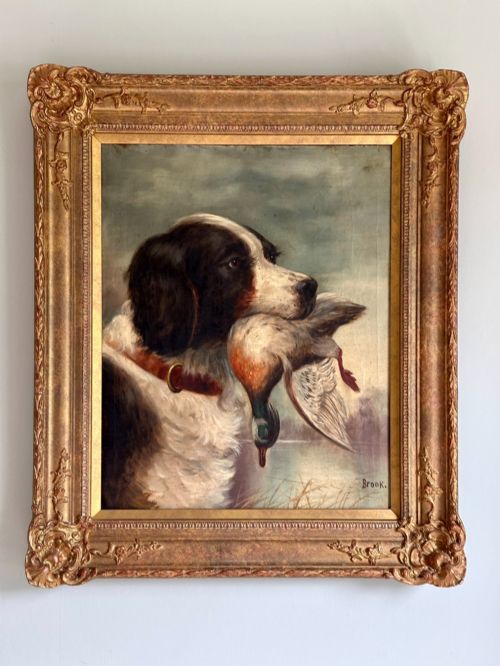
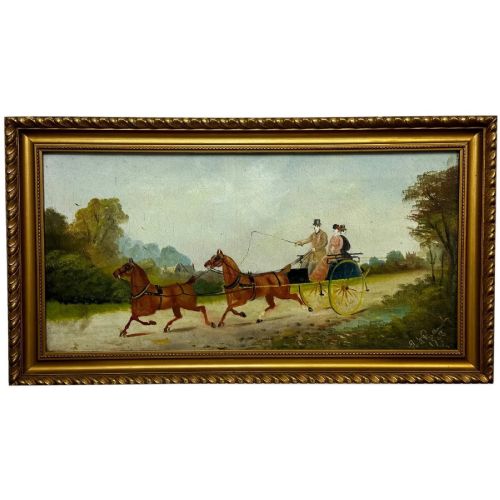
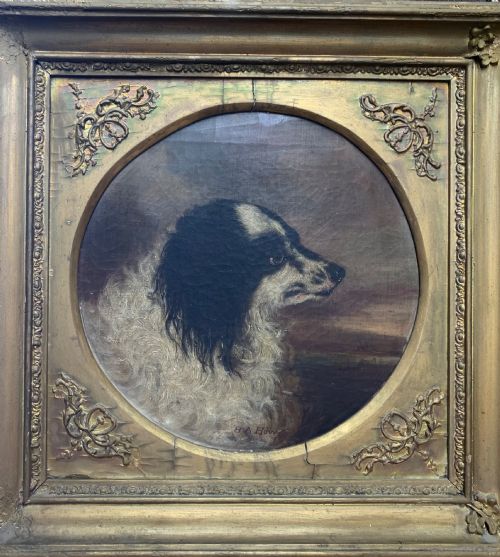
An edwardian sporting oil painting captures horses, hounds, and field sports in pigment on canvas.
Edwardian Sporting Oil Painting
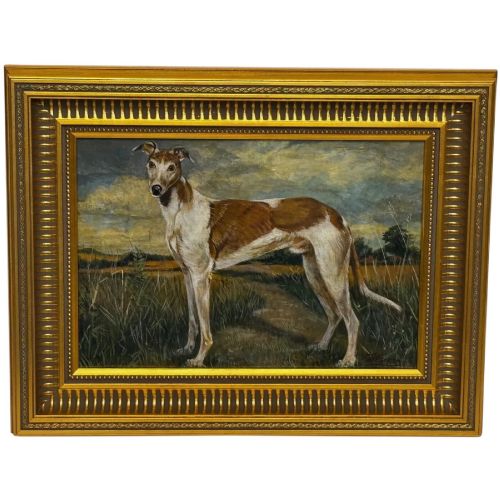
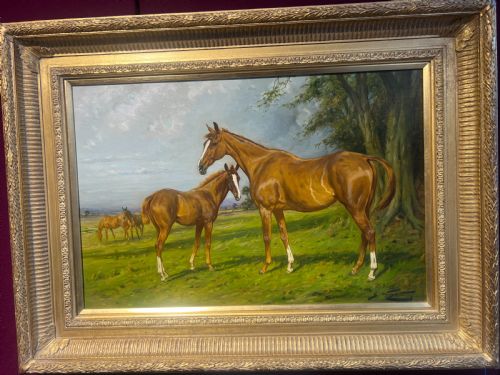
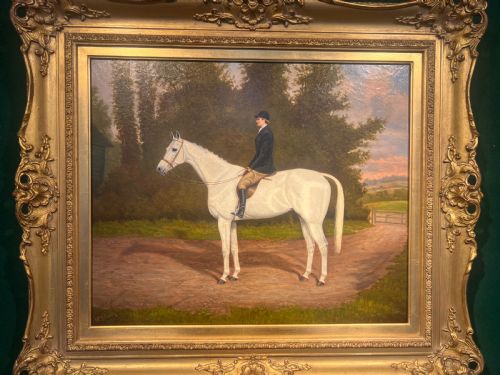
An edwardian sporting oil painting records horses, dogs, and field pursuits across the British countryside during the early twentieth century. Canvases depict racehorses, coaching scenes, gundogs, and hunting meets rendered by period artists working in British sporting art traditions. Buyers encounter everything from intimate terrier studies to grand depictions of thoroughbred champions and hounds in open landscapes.
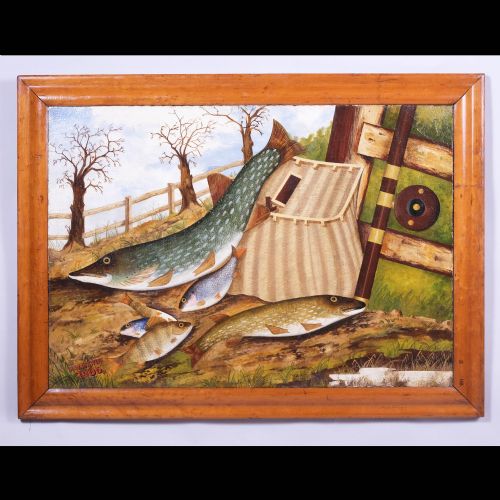
While the search points to the Edwardian era, surviving works often bridge the late Victorian period and the interwar years. Pieces span coaching oils, racing paddocks, and canine portraits, reflecting a society deeply invested in equestrian and field sports. The most common survivals on this page are signed or attributed animal and coaching studies framed in period wood and gilt.
How they were made
Artists applied oil paint to stretched canvas or wooden boards, utilising layered brushwork to build depth in animal coats, landscapes, and harness leather. Pigments were worked wet-into-wet or in glazes to capture the play of light on a horse's flank or the texture of a dog's fur. Canvases were then secured into wooden stretchers and housed in gilded wood or gold leaf frames.
Many works rely on a palette of earthy tones for the countryside, contrasted with the sharp reds of hunting coats or the bright silks of jockeys. Support materials include heavy linen canvas and prepared wood panels, often bearing the stamp of period London art suppliers. Frames range from simple moulded wood to heavy, ornate giltwood surrounds.
Edwardian Sporting Oil Painting Retail Price Guide 2026
Typical asking prices for edwardian sporting oil painting among the pieces listed under this phrase on Sellingantiques today, from the lower quarter to the upper quarter. They describe what is for sale here now, not the wider market.
Several canvases immortalise champion racing pigeons alongside their human handlers and canine stablemates.
What varies in quality
Anatomy and movement separate accomplished equine and canine portraiture from stiff, generic renderings. Master painters like George Wright or Alfred Munnings captured the muscle tension of a hunter or the alertness of a gundog with anatomical precision. Lesser hands produce static animals that lack the convincing weight and natural posture seen in top-tier canvases.
Brushwork and composition also dictate the tier of a piece. Finer works integrate the animal seamlessly into a detailed landscape or stable interior with confident, fluid strokes. Weaker paintings often feature flat backgrounds and muddy colour mixing that obscure the focal subject.
Philip H Rideout·George Wright·William Albert Clarke·John Emms·Alfred Munnings·John Sanderson Wells·Valentine Thomas Garland·John Trivett Nettleship·Landseer·Alfred Wheeler·Alfred Grenfell Haigh·John Charles Tunnard·Alfred Duke·Isaac Cullin·Thomas Blinks·Philip Eustace Stretton·Walter Herbert Wheeler·A Betts·John Charles Maggs·Godfrey Douglas Giles
The Edwardian Sporting Oil Painting Glossary
- Oil on Canvas
- A painting medium where pigment suspended in drying oil is applied to a woven fabric support. This combination allows for rich colour saturation and textured brushwork.
- Giltwood
- Wood carved and coated with gold leaf or metallic paint. It provides the traditional reflective border for period frames.
- Gundog
- A type of hunting dog bred to find, flush, or retrieve game for sportsmen. Terriers, spaniels, and retrievers appear frequently in these rural scenes.
- Coaching Scene
- An artistic subject depicting horse-drawn stagecoaches, mail coaches, or private carriages on roads and outside inns. These works celebrate the era of horse-drawn transport.
- Provenance
- The documented history of ownership for an artwork. Verified origin adds context and helps confirm attribution to a named painter.
Edwardian Sporting Oil Painting: Frequently Asked Questions
What subjects feature in these paintings?
Canvases typically show racehorses, hunting dogs, coaching inns, and rural landscapes with livestock. Subjects reflect the popular sporting pursuits of the era.
Commissioned works often recorded prized canine companions or specific thoroughbred champions standing in stables or race paddocks.
How do I identify the artist?
Look for signatures in the corners of the canvas, though many period works remain unsigned or carry later attributions. Auction records and stylistic comparisons help confirm authorship.
Frame plaques and stretcher inscriptions can also provide clues to the painter's identity and the date of creation.
Are original frames important?
Period giltwood frames enhance the historical context and visual appeal of an antique painting. Matching the frame style to the date of the canvas is standard practice.
Original gold leaf surrounds often show age-appropriate wear that collectors value as proof of authenticity.
Where should I hang these works?
Sporting art suits traditional libraries, studies, and dining rooms with wood paneling or neutral walls. Proper placement avoids direct sunlight to protect oil pigments.
Ensure hanging locations maintain stable humidity levels to prevent canvas slackening and frame cracking.