




Vintage Coaching Paintings
These vintage coaching paintings capture the motion of horse-drawn mail and stage coaches across centuries from the Georgian era to the Edwardian period.
Vintage Coaching Paintings
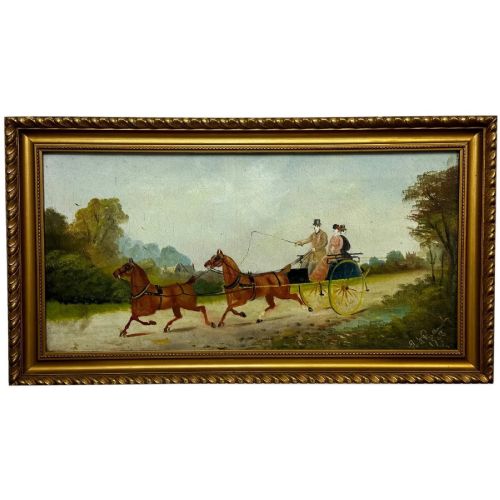
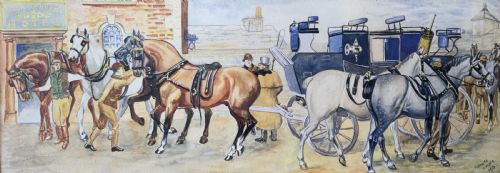
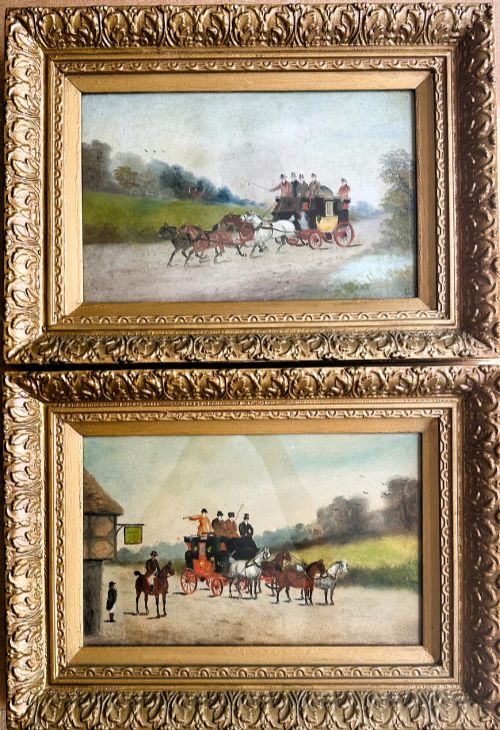
Vintage coaching paintings depict stagecoaches, mail coaches and horses in traditional British sporting and genre scenes. These artworks record the era of horse-drawn travel through detailed depictions of horses, carriages and roadside encounters.
Buyers searching for vintage coaching paintings encounter works originating from the Georgian period through to the 1920s. The selection includes watercolours on paper and oil paintings on canvas, often housed in period frames such as giltwood or oak.
The subjects range from solitary stagecoaches navigating winter snow scenes to pairs of equine paintings by listed artists. These pieces bring traditional British sporting history directly into domestic interiors through framed fine art.
How they were made
Artists painted these coaching scenes using oil paint on canvas or watercolour on paper. Oil paintings allowed for rich textures and layered depictions of horses and winter landscapes.
Many works incorporate traditional framing materials such as oak frames and giltwood. These frames protect the paintings while complementing the traditional British sporting aesthetic of the artwork.
Vintage Coaching Paintings Retail Price Guide 2026
Typical asking prices for vintage coaching paintings among the pieces listed under this phrase on Sellingantiques today, from the lower quarter to the upper quarter. They describe what is for sale here now, not the wider market.
Listings feature works spanning from the Georgian period through the 19th century, Edwardian era, 1910, 1920, and British Regency styles.
What varies in quality
Quality in vintage coaching paintings rests upon the artist's ability to render equine anatomy and the dynamic motion of horses in harness. Works by named painters display superior handling of light, atmosphere and narrative detail.
The preservation of the medium, whether oil on canvas or watercolour on paper, influences the visual impact of the piece. Original framing in materials like giltwood or oak also contributes to the historical integrity of the artwork.
Philip Rideout·George Wright·Samuel Henry Alken·John Richard Worsdale·Frank Dadd·John Atkinson
The Vintage Coaching Paintings Glossary
- Watercolour on Paper
- A painting technique using water-soluble pigments applied to paper supports. This medium produces translucent washes often seen in early twentieth-century British sporting works.
- Giltwood
- Timber carved and coated with a thin layer of gold leaf. This material frequently appears on traditional frames surrounding fine art paintings.
- Oil on Canvas
- Pigments bound in a drying oil applied to a stretched fabric surface. This technique permits deep colour saturation and durable finishes suitable for historical coaching scenes.
- Genre Watercolour
- Artwork depicting scenes from everyday life rather than formal portraits. These paintings focus on narrative moments involving coaches, travellers and rural characters.
Vintage Coaching Paintings: Frequently Asked Questions
What periods do these paintings date from?
The available artworks span from the Georgian era and the British Regency through the nineteenth century into the Edwardian period and the 1920s.
This broad timeline encompasses traditional British sporting art produced across multiple stylistic phases.
How were coaching paintings used originally?
These framed artworks hung in country houses and rural residences to celebrate traditional British equestrian life and coaching culture.
They served as decorative records of stagecoach travel and horse-drawn transport before the rise of the railways.
Are these paintings signed by artists?
Several pieces feature signatures from notable equestrian and genre painters such as Philip Henry Rideout and George Wright.
Signed works provide clear attribution to established British artists working during the nineteenth and early twentieth centuries.
What frames accompany these artworks?
The paintings are typically housed in period surrounds constructed from oak or giltwood.
These traditional frames match the historical context of the coaching and sporting scenes within.