

Edwardian Sporting Antiques
Edwardian sporting antiques bring the thrill of early twentieth century field, track, and court directly into your rooms.
Edwardian Sporting Antiques
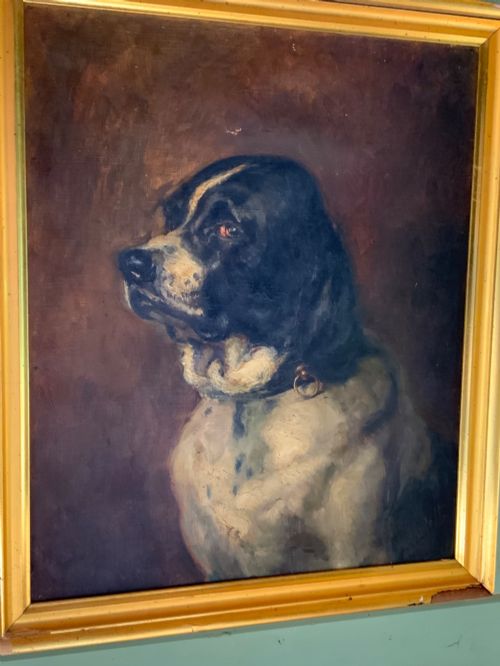
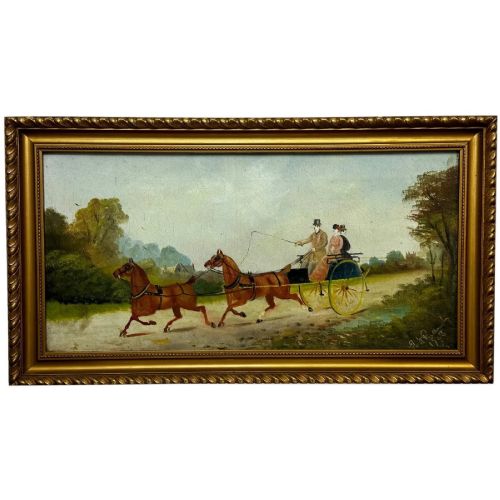
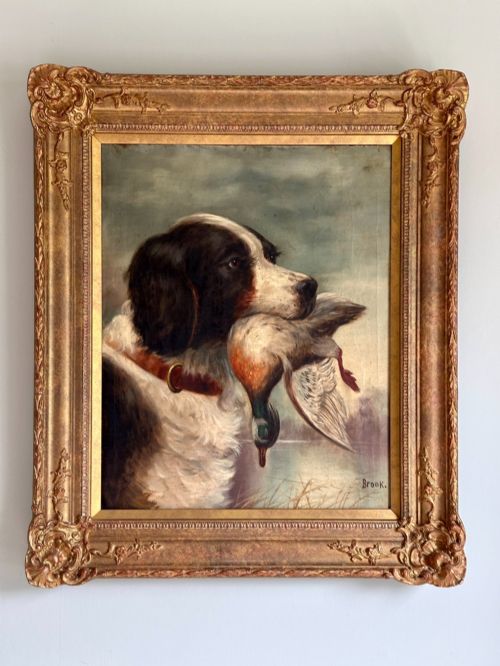
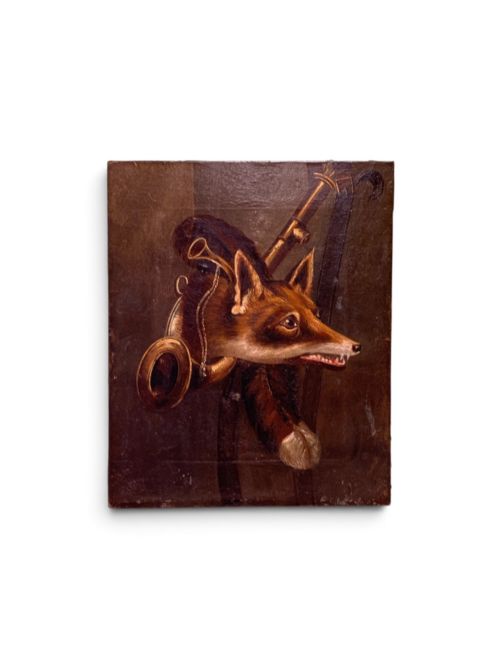
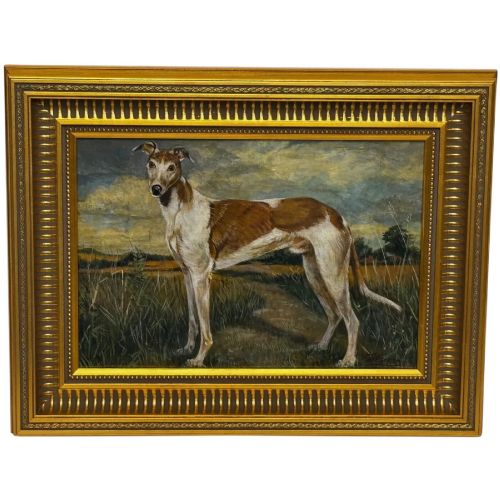
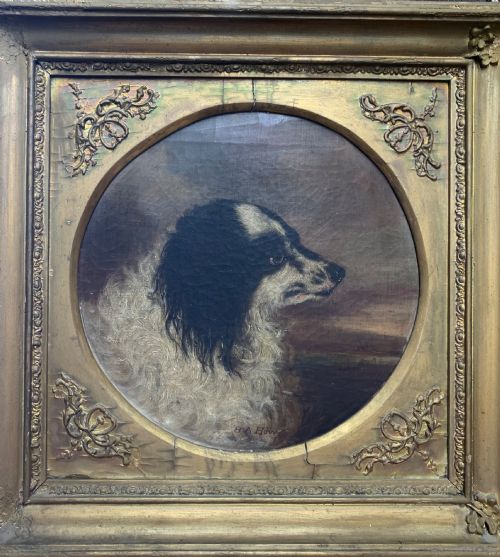
When searching for edwardian sporting antiques, you encounter a varied selection of items dedicated to pastimes, rural pursuits, and equestrian events. The material spans oil paintings, watercolours, and chalk drawings depicting dogs, horses, and coaching scenes from the period.
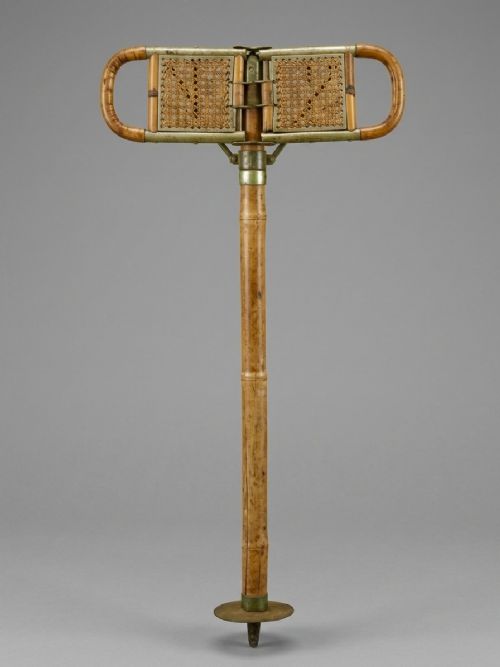
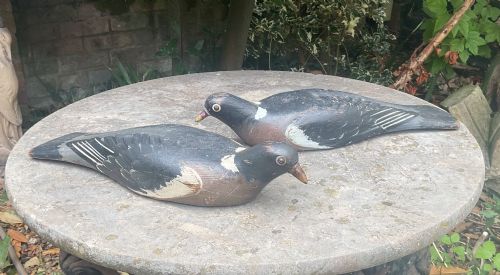
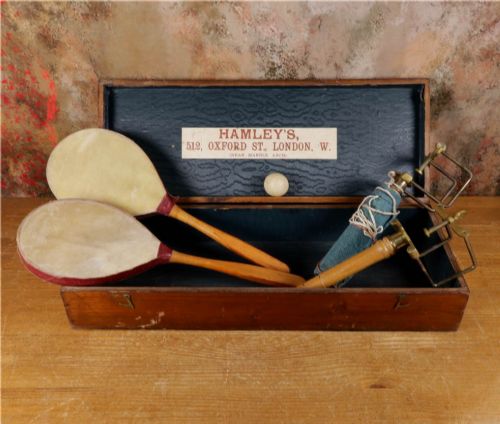
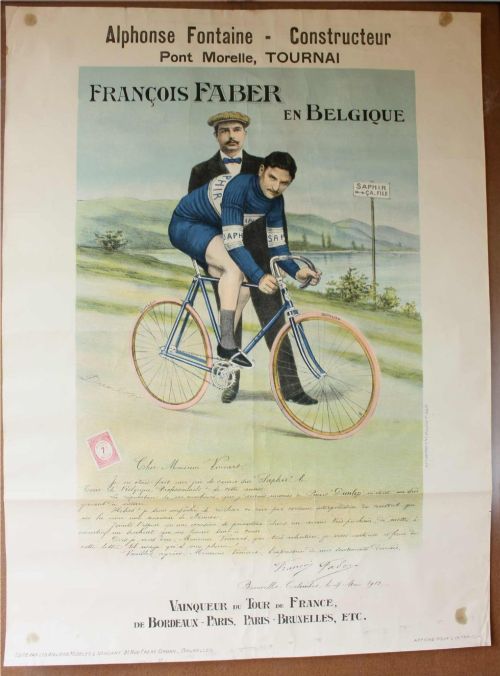
Beyond fine art, the category embraces tangible gear for lawn games, cycling, tennis, and fishing. You will frequently meet wooden boxed croquet sets, painted decoy pigeons, and silver menu card holders alongside leather whips and riding crops.
The objects stem from an era when leisure pursuits for field and court inspired dedicated craftsmanship and specialised equipment. Painters and makers alike turned their attention to horses, hounds, and matches with notable regularity.
How they were made
Canvas, oil paint, and watercolours form the basis of the pictorial works, often housed within oak, walnut, or giltwood frames. Artists utilised fine brushwork to capture the sheen of a horse coat or the alert posture of a lurcher.
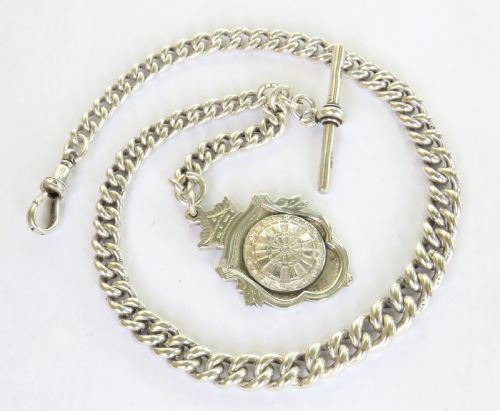
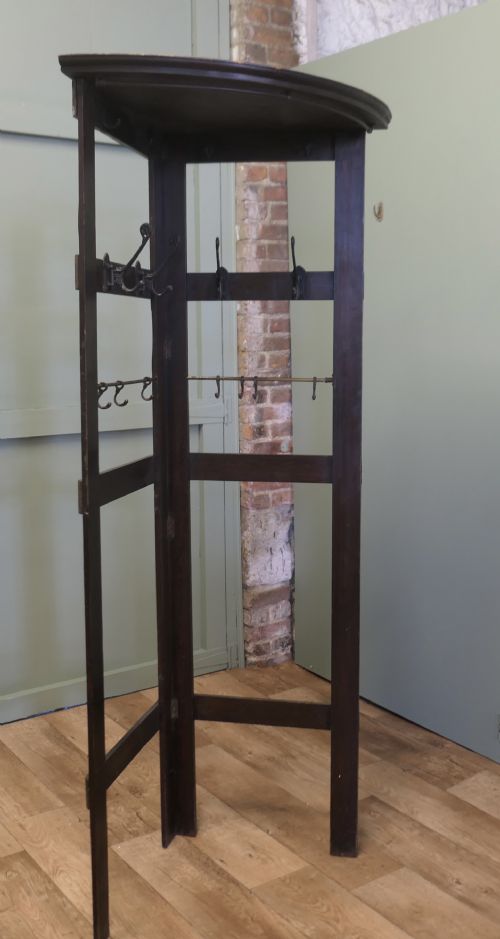
Makers of equipment turned to native woods, cast iron, brass, and leather, producing sturdy pine boxes for lawn games and pressed brass details for brooches and companion sets. Sterling silver and gold appear in jewellery, photo frames, and watch chains bearing sporting fobs.
Listings feature wood, oil on canvas, sterling silver, and giltwood across Victorian and Edwardian items.
What varies in quality
The distinction between tiers rests upon the skill of the artist and the integrity of the materials. Hand-painted oil portraits by recorded painters display greater anatomical precision in animals and horses than anonymous studio output.
Completeness dictates worth in pastimes and games, where original fitted wooden boxes bearing maker labels elevate ordinary gear. Surviving hallmarks on silver fobs, menu holders, and charms clarify the purity of the metal and the exact date of assay.
Holley Bros·Jaques & Hamleys·Slazenger·Grey & Co·Brigg·Thornton Smith Co·A.W.Gamage
The Edwardian Sporting Antiques Glossary
- Decoy
- A carved and painted wooden bird utilised to attract wildfowl during shooting expeditions. These objects frequently display weathered original paint surfaces from outdoor use.
- Fob
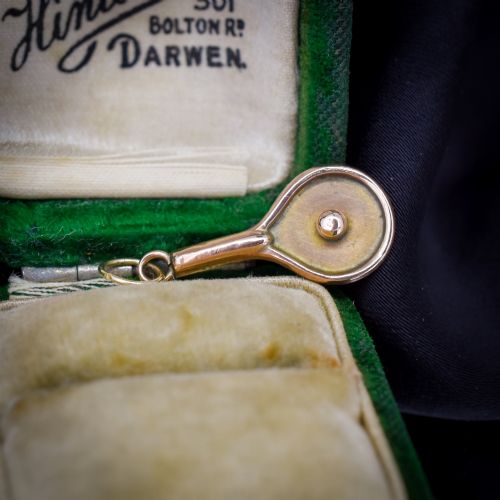
- A short chain or ornamental attachment suspended from a pocket watch. Sporting examples often feature miniature silver or gold charms shaped like horseshoes, racquets, or footballs.
- Companion stand
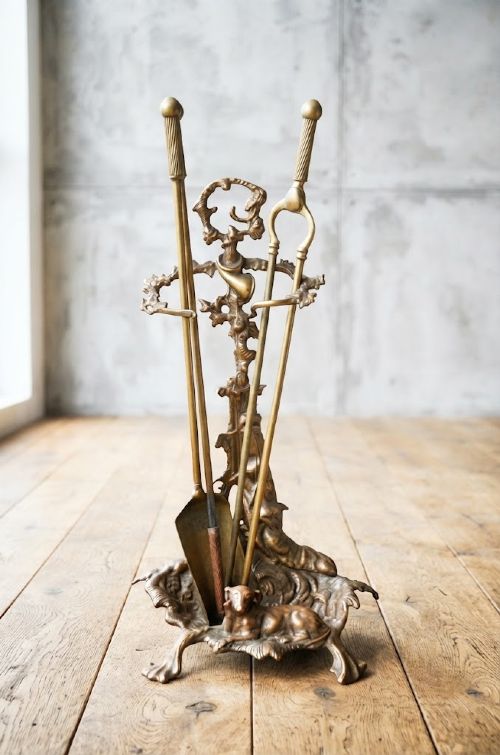
- A metal hearth accessory designed to hold fire irons. Sporting variants incorporate cast or pressed brass panels depicting hunting scenes or golf figures.
- Coaching scene
- A pictorial representation of horse-drawn stagecoaches, hounds, and riders along rural routes. Artists captured the motion of trotting horses harnessed to lightweight carts.
- Menu card holder
- A small silver table accessory used to display dining lists at formal banquets. Equestrian and fishing motifs frequently decorate the upper edge.
Edwardian Sporting Antiques: Frequently Asked Questions
What defines edwardian sporting antiques?
These pieces comprise art, equipment, and personal accessories tied to pursuits like hunting, racing, tennis, and croquet from the early twentieth century. They reflect the cultural enthusiasm for outdoor recreation during that era.
The inventory balances framed oil paintings of dogs and horses with tangible pastimes such as boxed croquet sets and silver pocket watch chains.
How were painting styles changing?
Artworks from the period bridged traditional academic animal portraiture and looser impressionistic oil studies of race paddocks. Painters recorded specific thoroughbreds, hounds, and coaching scenes with notable anatomical detail.
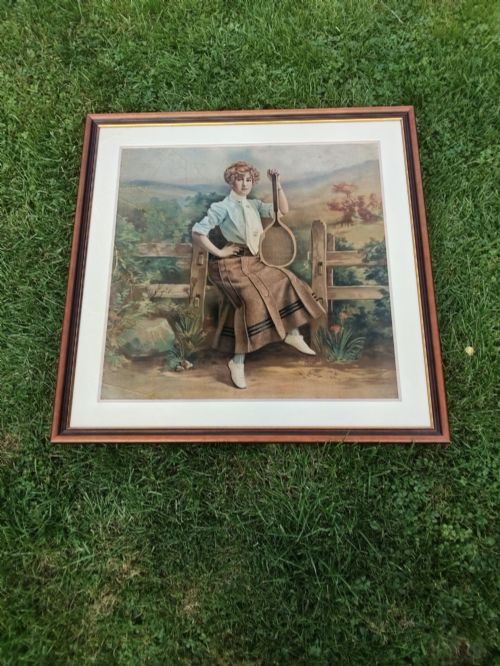
Alongside unique canvases, popular prints and watercolours documented game birds and sporting dogs for country homes.
How do I display sporting art?
Framed oil paintings and watercolours suit studies, hallways, or living rooms, particularly when paired with complementary oak or walnut furnishings. Lighting should highlight the brushwork without causing glare on the canvas.
Smaller items like silver menu card holders or photo frames fit neatly on mantelpieces, sideboards, or display cabinets.
Were games sets meant for play?
Sets for croquet, table tennis, and lawn pastimes were manufactured for active outdoor and indoor use by leading makers. The sturdy pine boxes and wooden mallets were built to withstand regular handling during country house gatherings.
Survivors complete with original boxes and maker labels demonstrate how families entertained guests across the Edwardian season.