




Antique Golf Club
An antique golf club brings the history of the fairway indoors, taking the form of practical desk accessories, walking sticks, and display pieces.
Antique Golf Club
When searching for an antique golf club, collectors encounter a diverse range of objects that extend well beyond traditional implements for playing the sport. These items frequently appear as novelty desk accessories, walking sticks, and specialised silverware tied to historic clubs.
The pieces on this page span several distinct periods including the Victorian and Edwardian eras, as well as the George V years. Among these, the Edwardian examples often feature silver and mother of pearl elements, while 19th-century items lean towards functional walking sticks and club furnishings.
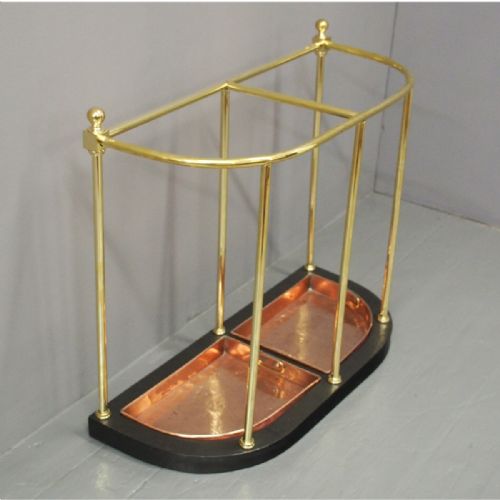
Practical silver items designed with golf motifs include crumb scoops, letter racks, match holders, and tea spoon sets. Meanwhile, larger utilitarian objects such as stick stands and armchairs trace their provenance directly to notable institutions like St Andrews and the Honourable Company of Edinburgh Golfers.
Materials and construction
Makers utilised a combination of sterling silver, plated silver, brass, and steel alongside organic materials like mother of pearl and leather. Wood varieties such as oak and ebonised wood provided sturdy foundations for walking sticks, stick stands, and larger furniture pieces.
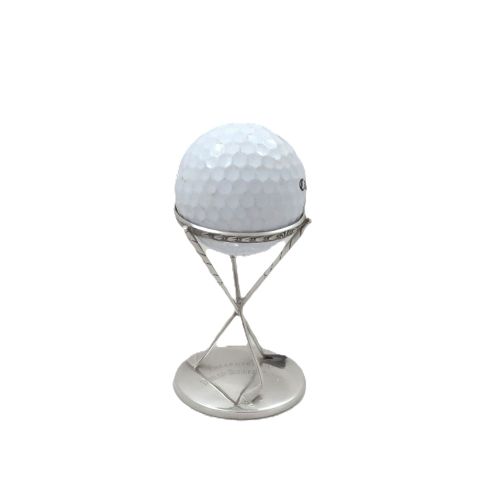
Silversmiths shaped precious metals into intricate novelties such as desk clips, inkwells, and golf ball stands, often incorporating hallmarked silver from cities like Birmingham. Skilled artisans also combined hickory shafts with metal heads for playable jigger clubs and fashioned functional button hooks.
Materials across these listings include sterling silver, steel, leather, brass, oak wood, and ebonised wood.
Assessing craftsmanship
The distinction between standard items and finer examples lies in the crispness of the silversmithing and the originality of the materials. Pieces featuring detailed chasing, intact mother of pearl insets, and clear hallmarks demonstrate superior workshop standards.
Provenance plays a significant role in distinction, particularly objects bearing direct association with historic golfing institutions. The retention of original finishes on wood components and the structural integrity of novelty silver mechanisms further define the upper tier of pieces.
The Antique Golf Club Glossary
- Jigger
- A traditional golf club designation often fitted with a hickory shaft. It represents the sporting implements preserved from the Edwardian period.
- Crumb scoop
- A flat, shovel-like dining accessory used to sweep table crumbs. Examples associated with this search incorporate mother of pearl and silver handles shaped like golf equipment.
- Hallmark
- An official stamp applied to precious metals indicating purity, origin, and maker. Birmingham assay marks frequently appear on the silver pieces listed here.
- Sunday stick
- A specialised walking stick often incorporating a hidden seat or dual purpose for spectators. Victorian examples occasionally connect to golfing pursuits.
Antique Golf Club: Frequently Asked Questions
What periods do these pieces come from?
The selection spans the Victorian and Edwardian eras, stretching from the late 19th century through the George V period. Items like walking sticks and institutional furniture frequently date to the 19th century.
Smaller silver novelties and desk accessories predominantly emerge from the Edwardian years and the early decades of the 20th century.
How were silver golf novelties used?
Edwardian and Victorian households utilised these silver pieces as functional desk ornaments and dining accessories. Items included inkwells, match holders, letter racks, and toast racks.
They served as decorative table pieces that reflected the owner's sporting interests in domestic and club environments.
Are walking sticks considered golf equipment?
Walking sticks in this category take the physical shape of golf clubs or function as spectator sticks for walking the course. Victorian examples often mimic club shafts and heads in their carving.
They functioned as gentlemen's accessories rather than active sporting tools.
What materials are most common?
Sterling silver, steel, and plated silver appear frequently in desk accessories and tableware. Organic elements like mother of pearl, leather, oak wood, and ebonised wood provide contrast and structure.
Specialised items also feature hickory shafts and brass fixtures.