


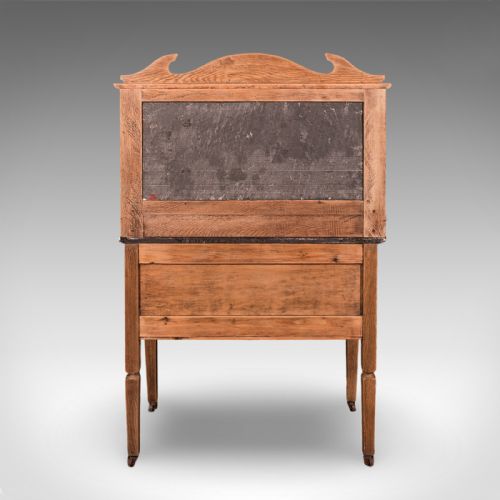


Edwardian Splashback Washstand
An edwardian splashback washstand is a practical bedroom piece offering a tiled or marble back to protect walls, combining period charm with utility.
Edwardian Splashback Washstand
When you search for an edwardian splashback washstand, you encounter practical bedroom furniture designed for personal washing before plumbed bathrooms became universal. These pieces date principally from the Edwardian and Victorian eras, bridging late nineteenth and early twentieth century domestic life.
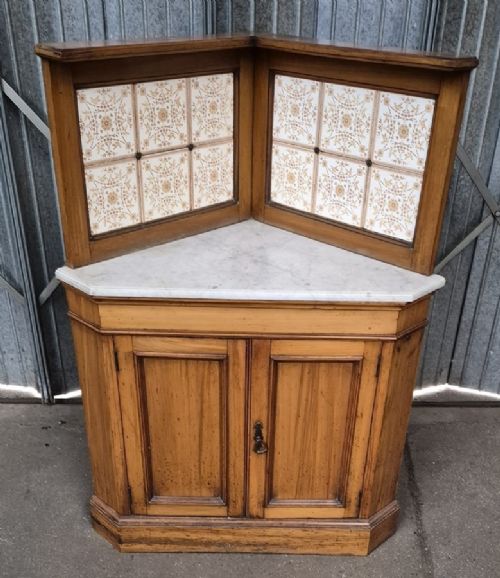
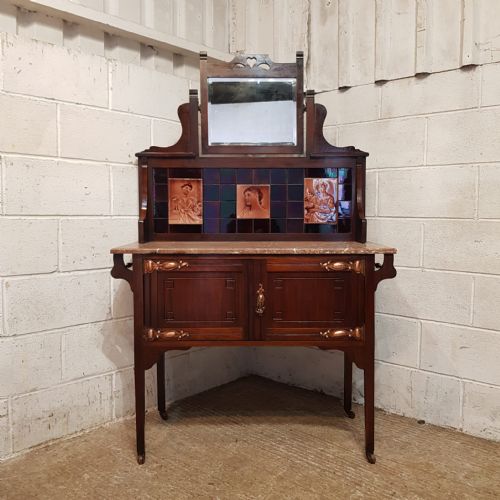
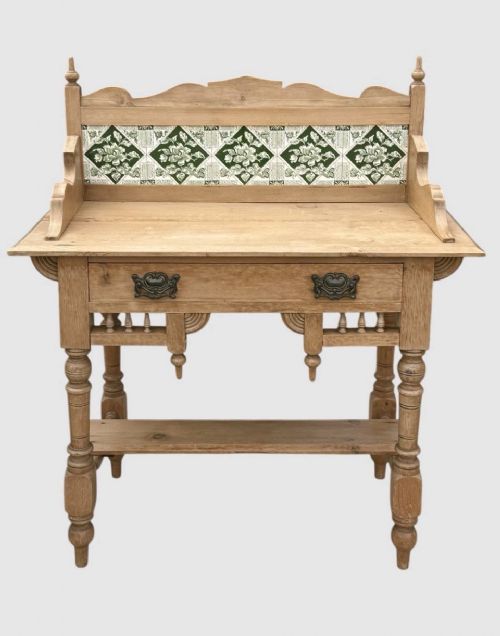
The versions most commonly met on this page feature marble or tiled splashbacks, often paired with wooden frames in mahogany, walnut, oak, and pine. They frequently incorporate marble tops and ceramic basins or tiled gallery backs to protect walls from water splashes during daily use.
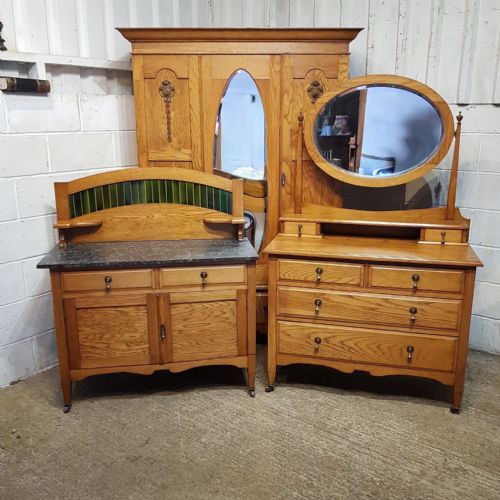
Makers and designers of the period adapted these washstands into various configurations, ranging from compact corner units and country pine washstands to elaborate mahogany and satinwood inlaid pieces. Some examples form part of broader bedroom furniture suites alongside matching dressing tables.
Assessing Quality and Craftsmanship
The distinction between standard utility washstands and finer examples rests upon the selection of materials, such as figured mahogany or high-grade rouge marble, versus painted pine. Superior pieces display precise cabinetmaking, refined joinery, and delicate inlay work rather than plain construction.
The integration of decorative elements like tiled gallery backs, brass hardware, and intact ceramic components also defines the tier of a piece. Better workshops invested greater care in balancing practical water protection with decorative stylistic movements like Arts and Crafts or Art Nouveau.
A matched pair on record unites a washstand with a writing table, proving Edwardians liked their correspondence near the basin.
Walker And Sons·Gillows
The Edwardian Splashback Washstand Glossary
- Splashback
- A vertical panel rising above the top of the washstand to protect bedroom walls from water. It frequently incorporates decorative ceramic tiles or matching marble.
- Gallery back
- A raised railing or tiled barrier along the rear edge of the furniture top. This feature keeps washbowls and accessories secure during use.
- Satinwood inlay
- Decorative woodwork where contrasting light satinwood is inserted into recesses of a darker primary timber. It creates geometric or floral patterns across drawer fronts and frames.
- Rouge marble
- A deep red variety of natural limestone with prominent white or grey veining. It was selected for high-end washstand tops to provide a striking, polished surface.
Edwardian Splashback Washstand: Frequently Asked Questions
What is an edwardian splashback washstand?
An edwardian splashback washstand is a wooden bedroom washstand featuring a raised marble or tiled panel at the back. It was built to hold washbowls, ewers, and toiletries before indoor plumbing became standard.
These pieces combine functional water protection with the distinct aesthetic styles of the early twentieth century, utilising materials like mahogany, pine, and marble.
How were washstands used originally?
These pieces served as the primary washing station in bedrooms before bathrooms were common. Householders placed basins, water jugs, and soap dishes on the stone or wooden tops for morning routines.
The splashback protected bedroom wallpaper and paintwork from splashes, while lower shelves or cupboards held chamber pots and washing accessories.
How do I care for marble tops?
Marble surfaces require gentle cleaning with mild, pH-neutral soap and warm water to avoid etching the stone. Acidic substances like vinegar or citrus should be kept away from the polished surface.
Promptly wiping away standing water prevents staining, and applying a suitable stone wax helps maintain the natural sheen of the marble over time.
Can I use these in modern bathrooms?
Many buyers repurpose these washstands as sink vanities in modern bathrooms by mounting contemporary basins and plumbing onto the wooden frames. The durable marble or tiled tops make them well suited for humid environments.
Careful modification by a professional plumber allows historic timber furniture to integrate with modern water supplies and drainage.