
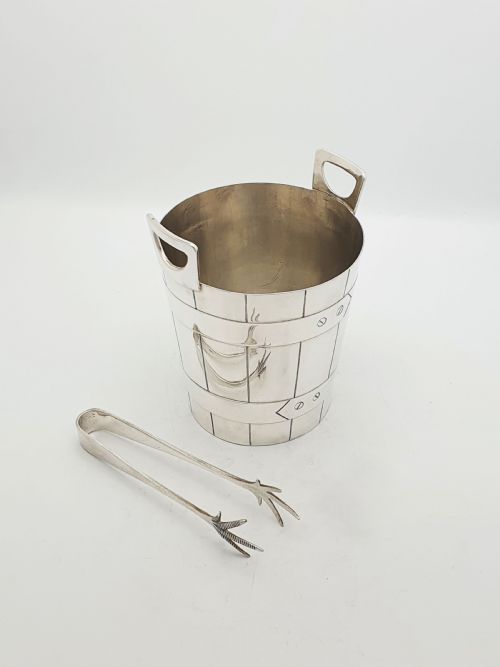


Edwardian Silver Wine Bucket
An Edwardian silver wine bucket brings substance to the table, holding bottles steady through long dinners with straightforward English weight.
Edwardian Silver Wine Bucket
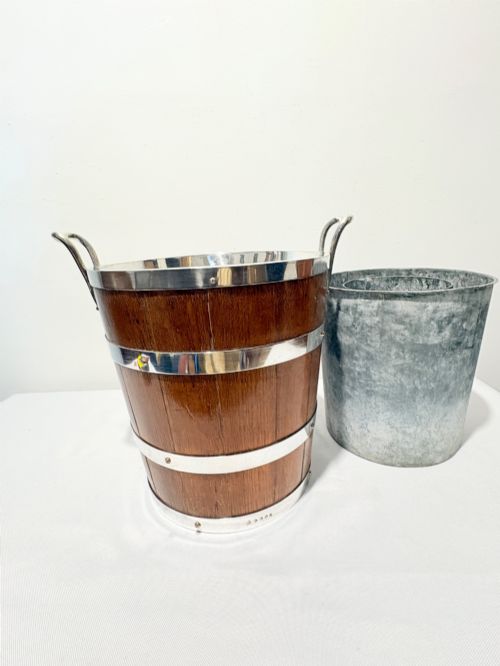
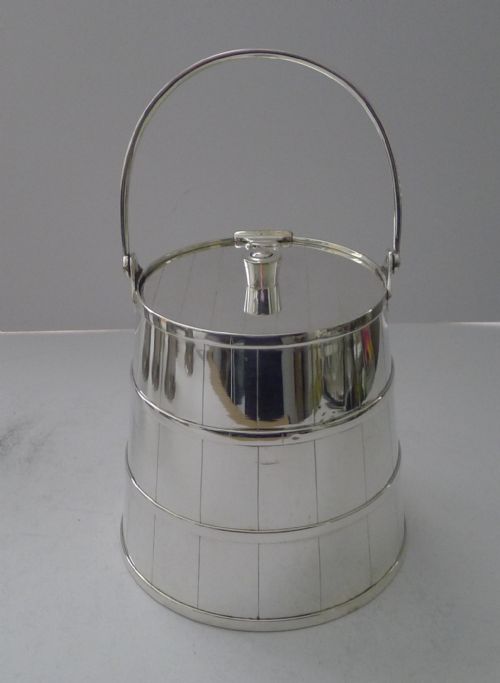
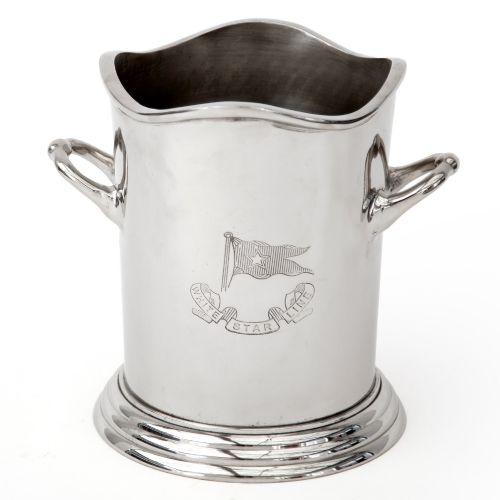
The Edwardian silver wine bucket combines silver plate and EPNS with timber frames, ceramic liners, and cut glass to serve bottles at the table.
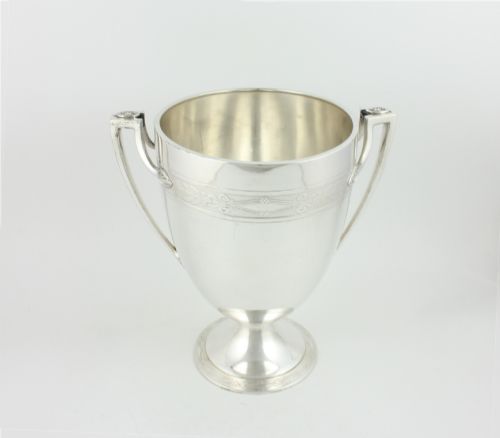
Most pieces date from the Edwardian era and surrounding decades, taking the form of champagne coolers, ice pails, novelty barrels, and presentation bowls.
Makers utilised sturdy oak and nickel silver alongside classic silver plate to build barware designed for everyday hospitality.
Construction and Materials
Silversmiths plated base metals and nickel silver to create bright exterior surfaces that resisted tarnishing during regular use.
Coopers and joiners fitted oak barrels with metal hoops and handles, pairing timber with ceramic creamware or cut glass liners to hold ice and liquid.
Current listings feature pieces spanning the late Victorian period through the Art Deco era, incorporating oak, nickel silver, and cut glass.
Judging Quality
Quality rests in the thickness of the silver plate over the underlying metal and the precise fit of internal glass or ceramic liners.
Superior items retain crisp maker marks and solid handle mountings that withstand the heavy weight of ice and filled bottles.
Christofle·Dawson·James Dixon & Sons
The Edwardian Silver Wine Bucket Glossary
- Silver plate
- A layer of silver fused to a base metal core such as copper or nickel. This technique provided the appearance of solid silver at a lower cost.
- EPNS
- Electroplated nickel silver. A common base material for Edwardian holloware.
- Creamware
- A fine-grained earthenware with a pale yellow-buff glaze. Makers used this material for interior liners in insulated vessels.
- Cut glass
- Glass decorated by cutting facets or patterns into the surface. It added weight and sparkle to bucket interiors.
Edwardian Silver Wine Bucket: Frequently Asked Questions
How do I clean a silver plated bucket?
Wash the piece gently in warm soapy water using a soft cloth. Avoid abrasive pastes that wear away the plated surface.
Dry the metal thoroughly after washing to prevent water spots and tarnishing.
Can these buckets hold ice directly?
Many examples feature removable glass or ceramic liners designed specifically to hold ice and water. Pieces without liners work best with dry ice or wrapped bottles.
Check the interior construction before filling to ensure the liner remains secure.
What is the difference between an ice pail and a wine cooler?
Ice pails generally feature deeper bodies with swinging handles and matching tongs for serving. Wine coolers offer wider, more open bowls designed to cradle champagne and wine bottles.
Both forms share similar silver plate and timber construction.
How do I date an Edwardian piece?
Look for manufacturer hallmarks and registry numbers stamped on the base or rim. Stylistic cues like oak staves and silver plate point toward the early twentieth century.
Comparison with documented workshop marks helps narrow the decade.