



Edwardian Silver Vanity Casket
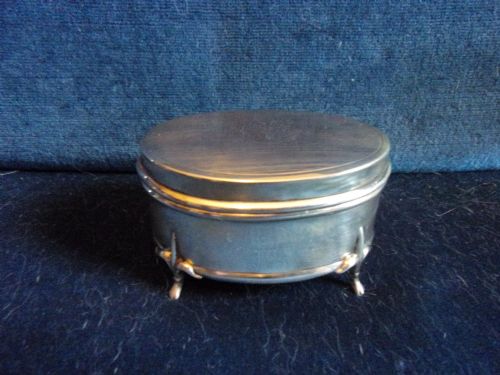
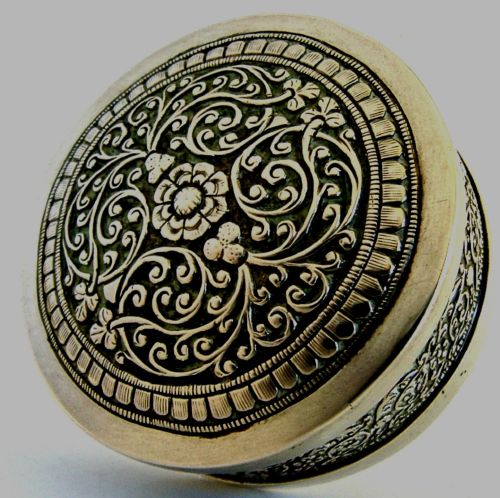
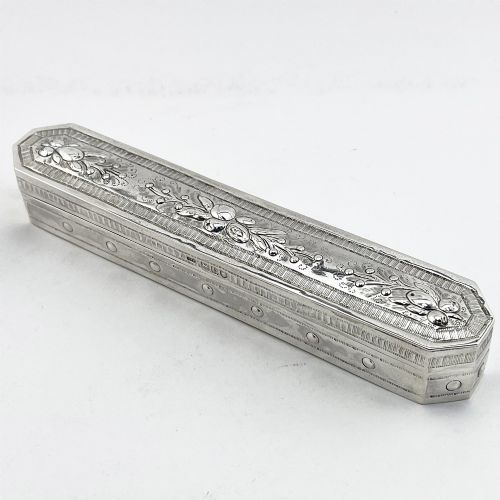
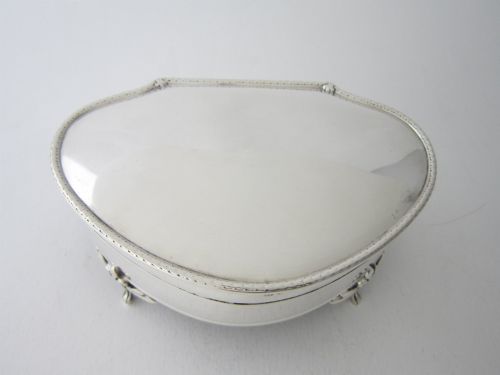
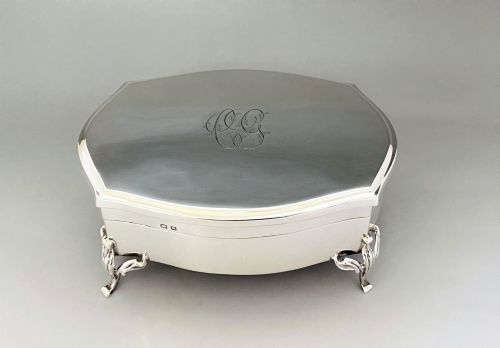
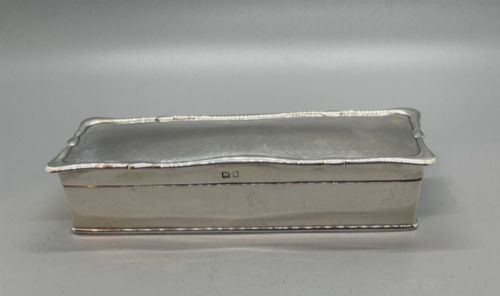
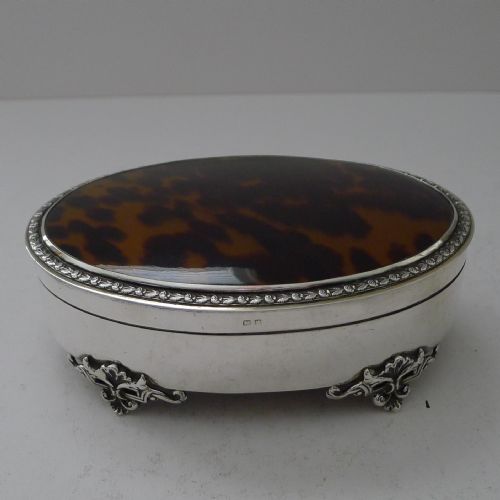
An edwardian silver vanity casket holds the small treasures of a dressing table, combining solid metal and tortoiseshell with fitted velvet interiors.
Edwardian Silver Vanity Casket
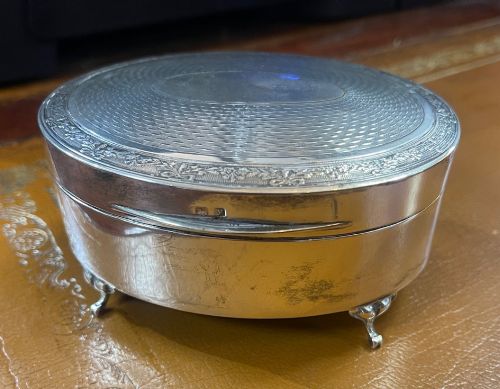
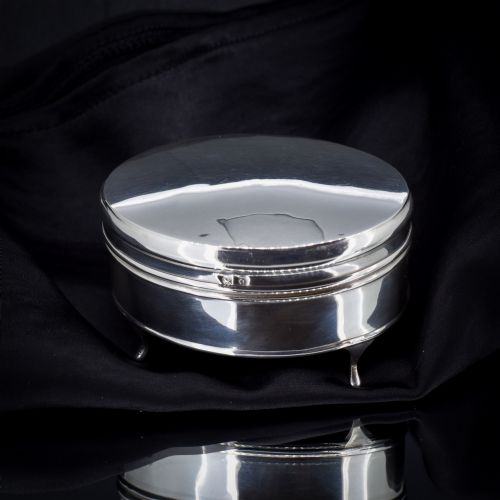
The edwardian silver vanity casket encompasses small storage pieces designed for dressing tables, frequently encountered as jewellery boxes, trinket boxes, and ring boxes. These items emerge from Birmingham and Chester assay offices across the early decades of the twentieth century, aligning with Edwardian and George V periods.
Makers shaped these vessels into rectangular, oval, heart, and coffin silhouettes, occasionally incorporating cut crystal bodies or ebonised wood bases. Interiors are typically lined with velvet to protect rings, pins, and small personal trinkets.
Materials and Technique
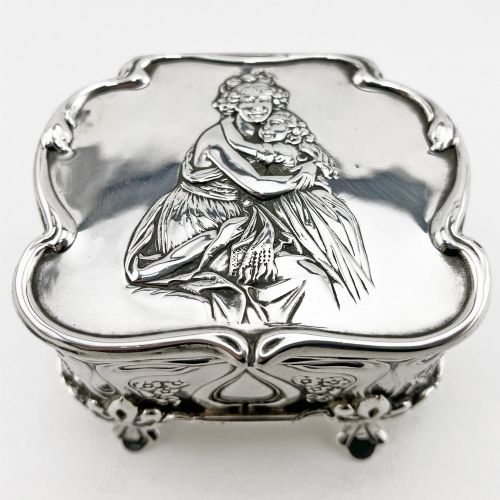
Silversmiths constructed these boxes using sterling silver and solid silver sheets, often combining them with inset panels of mottled tortoiseshell. Repoussé relief work brought forth figural designs such as cherubs, mothers and children, alongside flowing Art Nouveau curves.
Hinged lids and pierced mounts required precise metalworking, while glass cutters shaped thick cut crystal bodies for transparent containers. Wooden elements like ebonised wood added internal structure or base support to larger caskets.
Edwardian Silver Vanity Casket Retail Price Guide 2026
Typical asking prices for edwardian silver vanity casket among the pieces listed under this phrase on Sellingantiques today, from the lower quarter to the upper quarter. They describe what is for sale here now, not the wider market.
Current listings feature sterling silver, tortoiseshell, cut crystal, and ebonised wood spanning the Edwardian and George V periods.
Judging Quality
Quality rests upon the weight of the metal and the crispness of the chased or embossed relief work on the lid. Substantial gauge silver maintains its structural integrity better over decades of handling.
The integration of organic materials like tortoiseshell and the condition of the original velvet interior lining separate standard production items from finer workshop pieces.
William Hutton·William Comyns·Deakin and Francis
The Edwardian Silver Vanity Casket Glossary
- Repoussé
- Metalworking technique where the silver is hammered into relief from the reverse side. This method creates decorative scenes of cherubs and figures on box lids.
- Assay Office
- Official body that tested and stamped precious metal purity. Birmingham and Chester marks appear frequently on these pieces.
- Tortoiseshell
- Organic material harvested from marine turtles, used for decorative panels on box lids. It provides a dark, mottled contrast to bright sterling silver.
- Potpourri Box
- A specialised container featuring a pierced or perforated lid. This design allowed scented dried petals to freshen a dressing room.
- Gauge
- Measure of metal thickness in a silver box. A good gauge indicates heavier, more durable silver construction.
Edwardian Silver Vanity Casket: Frequently Asked Questions
What is an edwardian silver vanity casket used for?
These boxes served as secure containers on dressing tables for rings, pins, brooches, and small personal items.
They kept delicate jewellery organised and protected from dust when not being worn.
How do I identify an Edwardian piece?
Look for hallmarks indicating Birmingham or Chester offices from the early nineteen hundreds.
Stylistic cues include flowing Art Nouveau motifs and figural repoussé lid scenes.
Are these boxes made of solid silver?
Many examples are constructed from sterling silver or solid silver, often marked with standard lion hallmarks.
Some variations incorporate silver plate over a base metal core or feature glass bodies.
What materials are combined with the silver?
Tortoiseshell panels frequently form the top lid insert, offering a dark contrast to the bright metal.
Interiors are lined with plush velvet, and some larger examples utilise cut crystal or ebonised wood.