



Edwardian Silver Tortoiseshell
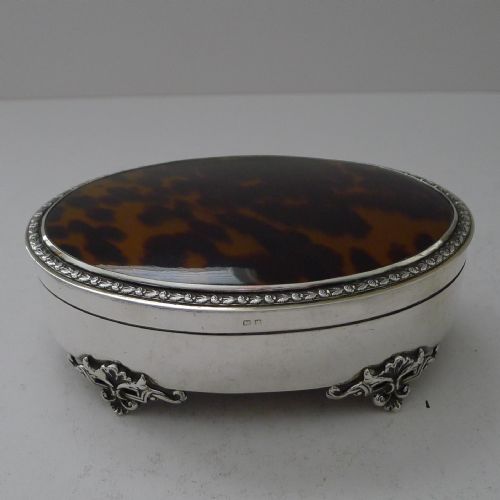
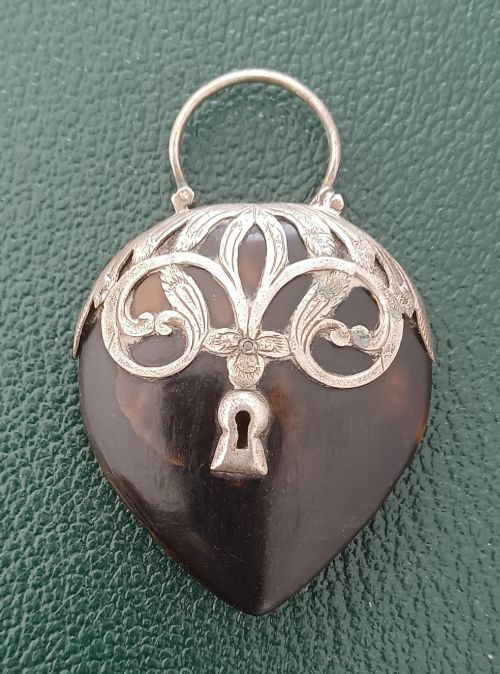
Edwardian silver tortoiseshell objects combine organic shell with sterling mounts to grace dressing tables and writing desks.
Edwardian Silver Tortoiseshell
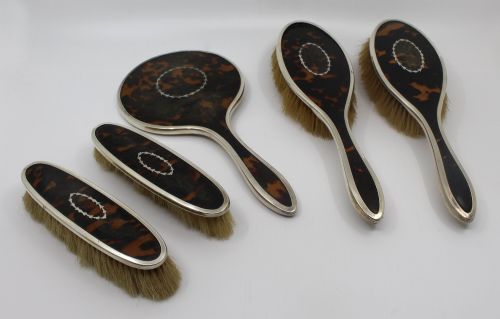
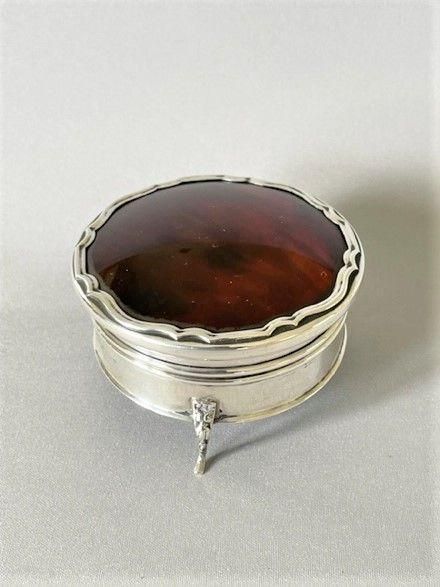
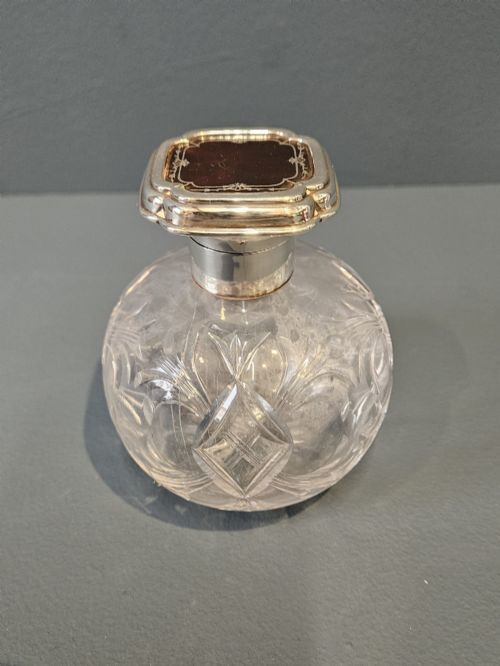
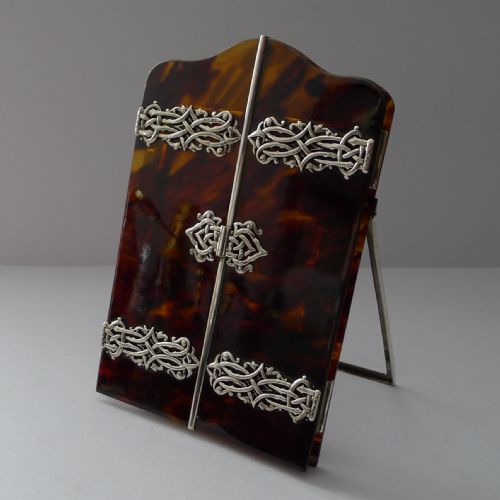
Edwardian silver tortoiseshell items comprise vanity accessories, writing tools and desk ornaments produced during the early twentieth century. Buyers encounter lidded trinket boxes, glass scent bottles, photograph frames and page turners most frequently on this page.
The aesthetic bridges late Victorian exuberance and early twentieth century refinement. Workshops utilised genuine hawksbill turtle shell alongside sterling silver mounts, often bearing hallmarks from Birmingham or London.
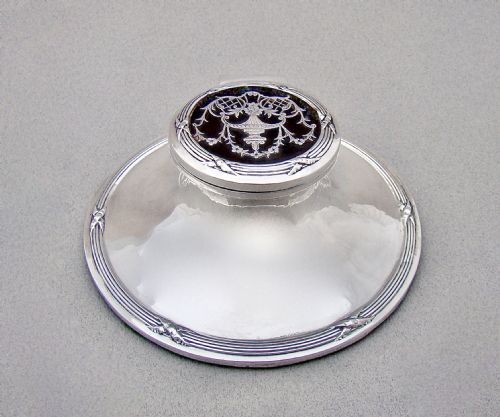
Desk accessories range from capstan inkwells to spring-loaded letter clips. Dressing table pieces include fitted jewellery boxes, vanity jars and cologne bottles.
How they were made
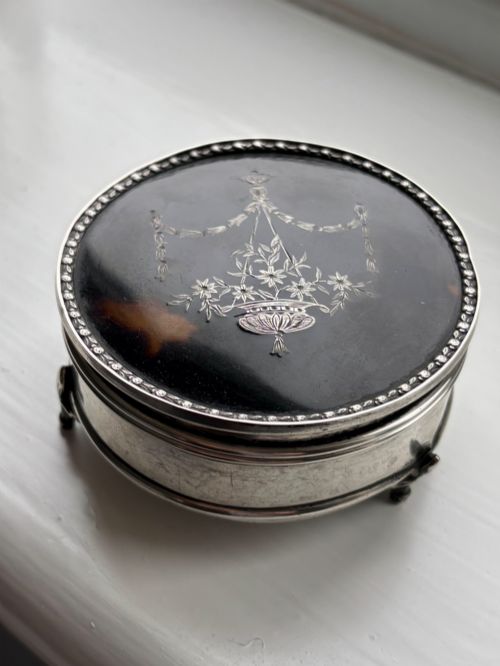
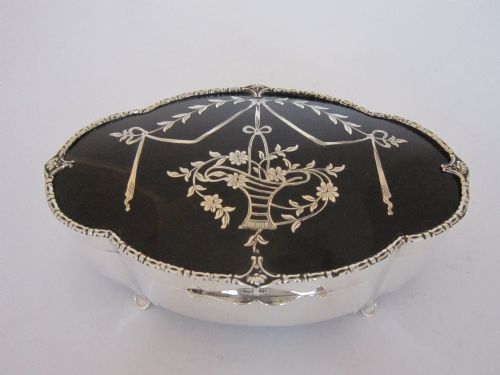
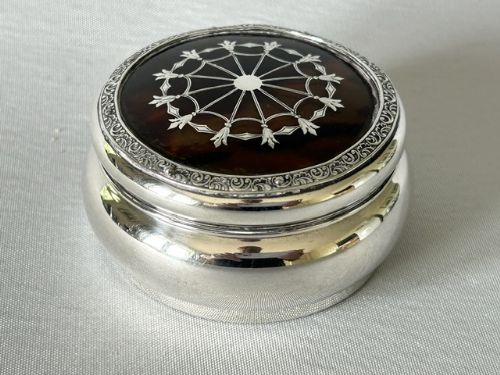
Craftsmen mounted thin plates of translucent tortoiseshell onto a brass or wooden core for structural strength, securing the overlay with sterling silver rims, hinges and bezels. Pique work ornamentation involved inlaying tiny gold or silver pins into the shell to form delicate floral or geometric motifs.
Glass bodies for scent bottles and vanity jars were formed using cut crystal or moulded glass, topped with silver-mounted tortoiseshell lids. Silversmiths hammered, stamped and chased the metal components before hallmarking them with assay office symbols and date letters.
Several pieces incorporate winged insect motifs and cherubs into their silver mounts, offering a playful counterpoint to the sober elegance of the dark amber shell.
What varies in quality
Quality rests upon the depth of amber and dark brown patterning within the tortoiseshell and the weight of the sterling silver mounts. Richly mottled shell with strong transparency displays superior material selection compared to flat, opaque faux alternatives.
The precision of the silver joinery and the intricacy of any pique work inlay distinguish standard production items from workshop pieces bearing named markers. Well-preserved hinges on boxes and crisp hallmarks add distinction to surviving examples.
Henry Matthews·William Comyns·J Batson And Son·Ollivant And Botsford·Asprey And Co·Arthur Fenwick·Sanders And Aguilar·Levi And Salaman·Boardman Glossop And Co·Mappin And Webb·Sangster
The Edwardian Silver Tortoiseshell Glossary
- Pique work
- The technique of inlaying tiny gold or silver wire and pins into tortoiseshell to create decorative patterns. This painstaking method requires softening the shell in heat before pressing the metal elements into place.
- Capstan inkwell
- A desk accessory shaped like a ship's capstan, featuring a wide circular base tapering towards the top. These items often combine a weighted ceramic or wooden interior with a silver and tortoiseshell lid.
- Sterling silver
- An alloy consisting of ninety-two point five percent silver and seven point five percent other metals, usually copper. British pieces carry assay office hallmarks to certify this standard.
- Page turner
- A long, flat implement with a handle, used for separating uncut pages in books. Examples often pair a tortoiseshell blade with a decorative silver handle.
- Vanity jar
- A small glass container with a fitted lid, designed to hold cosmetics or hairpins on a dressing table. The lids combine sterling silver rims with tortoiseshell panels.
Edwardian Silver Tortoiseshell: Frequently Asked Questions
How do I clean silver mounts?
Use a soft microfibre cloth to polish the sterling silver components gently. Avoid letting silver dip or harsh chemical cleaners touch the tortoiseshell panel, as moisture and solvents damage the organic shell.
Buff the silver carefully around the bezel to prevent polish residue from lodging in the gap between the metal and the shell.
Can I use real shell daily?
Tortoiseshell requires gentle treatment because the organic material scratches easily and reacts poorly to direct heat or strong chemicals. Keep vanity items away from direct sunlight and perfume sprays to preserve the amber lustre.
Lift boxes by their bases rather than their lids to protect the internal hinges and delicate silver mounts from undue stress.
What is faux tortoiseshell?
Faux versions substitute horn, celluloid or stained glass for genuine hawksbill turtle shell. These alternative materials appeared frequently during the Edwardian period to offer a similar amber appearance at a lower cost.
Examining the underside and looking for natural growth patterns under magnification helps distinguish genuine shell from synthetic substitutes.
How do hallmarks date pieces?
British assay office marks include a maker's mark, a standard mark such as the lion passant for sterling silver, a town mark like the anchor for Birmingham, and a sequential letter indicating the year of assay.
Comparing the date letter against official assay office tables reveals the exact year the silver mount was tested and hallmarked.