


Edwardian Silver Top Jug
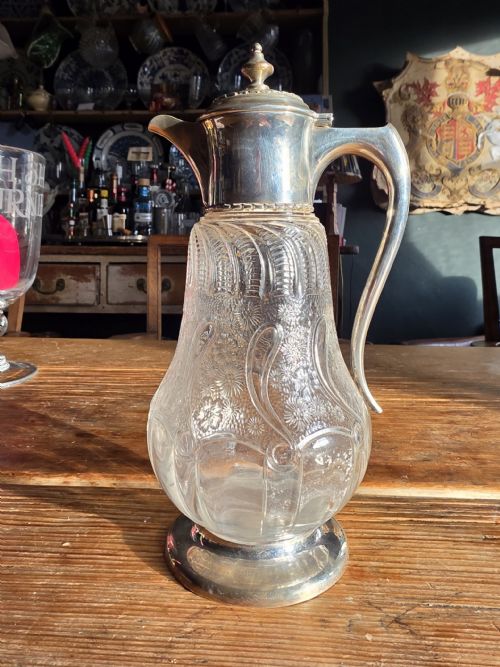
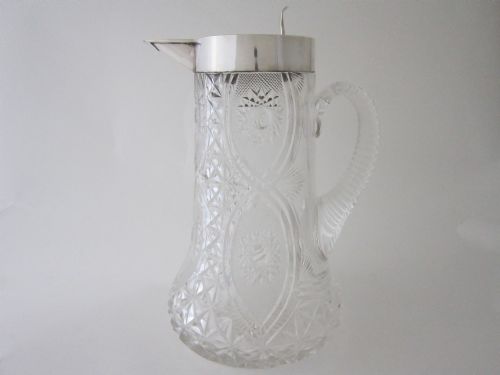
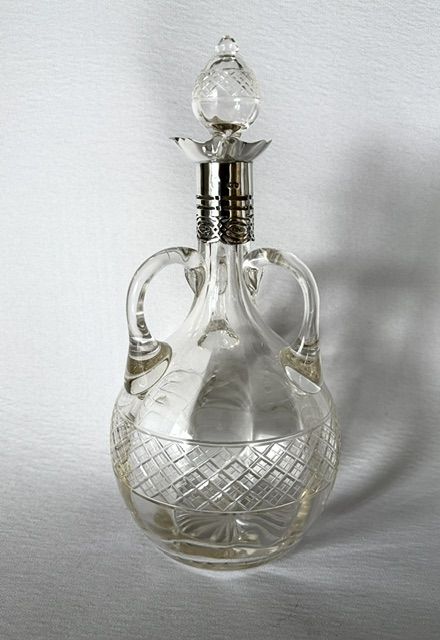
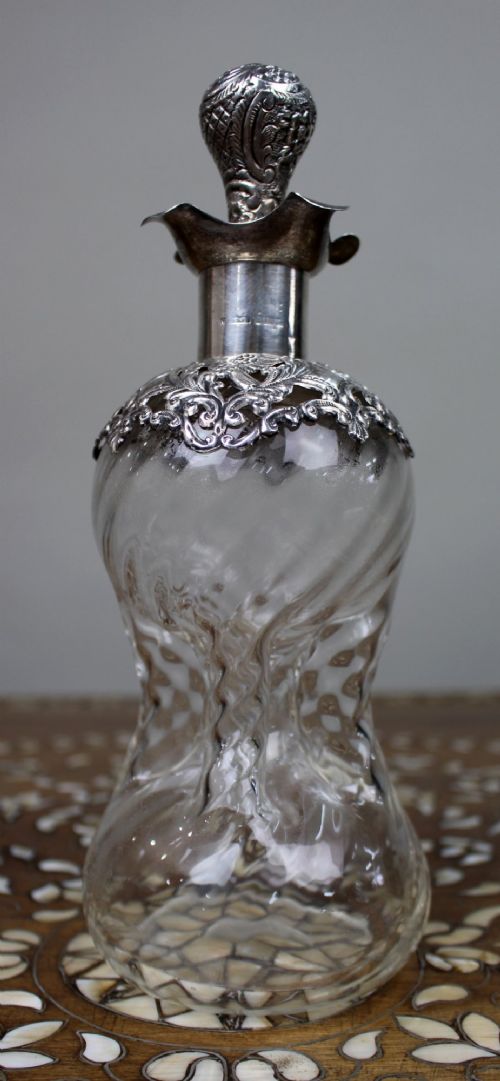
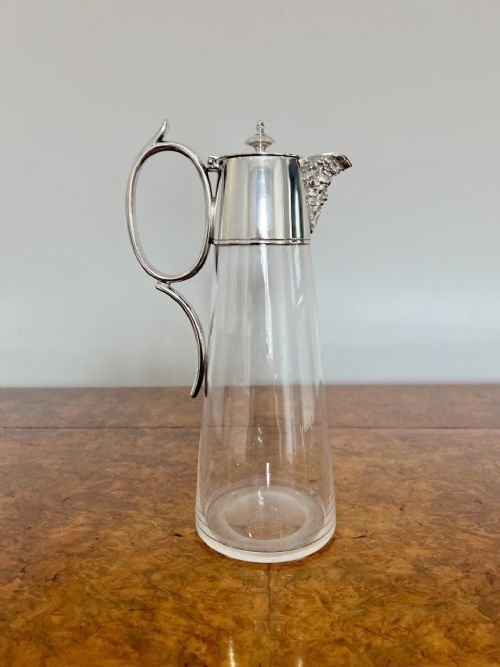
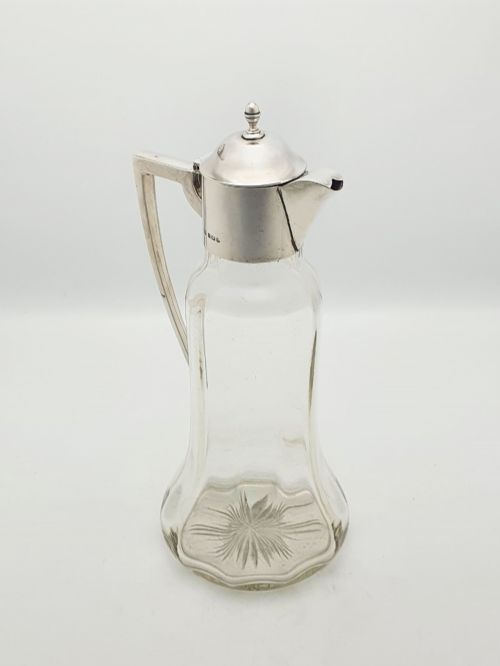
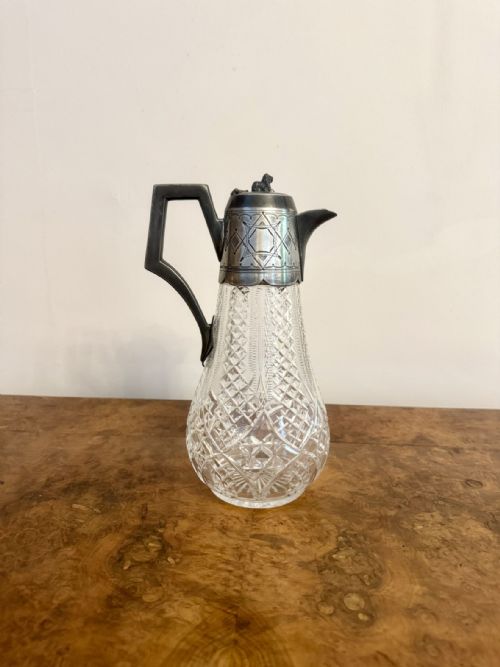
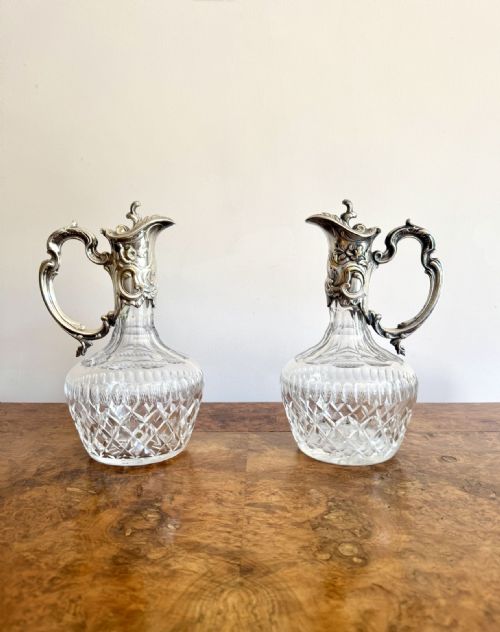
These pieces known as an edwardian silver top jug combine glass bodies with metal mounts for serving wine and spirits.
Edwardian Silver Top Jug
An edwardian silver top jug brings together glass vessels and metal mounts designed for serving wine, claret, and spirits. The pieces on this page span the Edwardian period alongside Victorian, George V, and Art Deco eras.
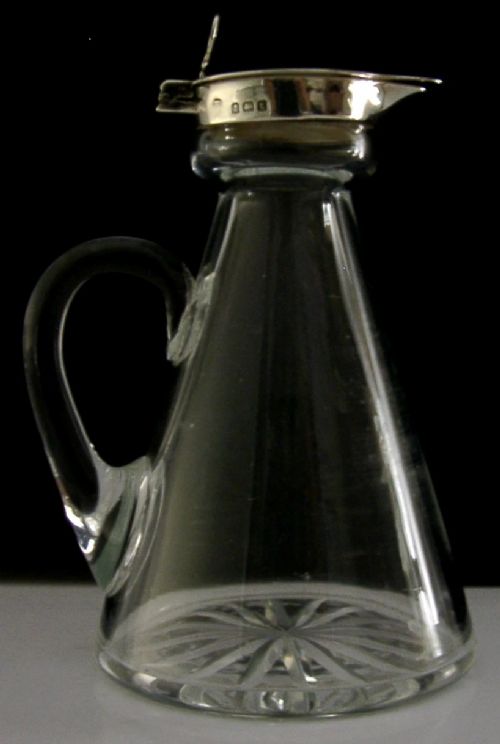
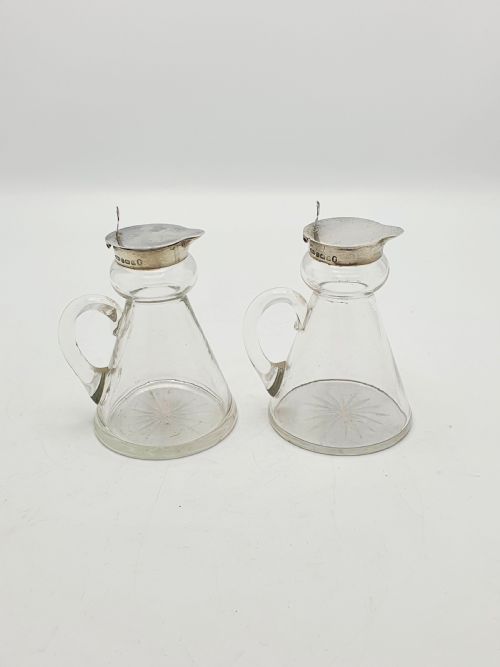
Forms range from large claret jugs and decanters to small whisky noggins and tots. Cut glass, cut crystal, cranberry glass, and clear glass bodies appear beneath sterling silver or silver-plated mounts.
Makers and designers produced these items in various styles including Arts and Crafts, with mounts taking plain or scroll designs. Pieces function equally as table service items and barware.
How They Were Made
Glass bodies were blown into moulds or free-blown, then finished with wheel-cutting, etching, or left plain in clear or cranberry tones. Craftsmen shaped crystal and glass to create flutes, panels, or scroll patterns.
Mounts in sterling silver or silver plate were cast, chased, or engraved, then fitted securely around the necks and lips of the glass vessels. Handles and hinged lids were soldered or attached to these collars.
A chota peg whisky noggin brought colonial drinking habits straight to the Edwardian sideboard, serving measured tots in miniature style.
What Varies in Quality
The crispness of the glass cutting and the weight of the metal mount separate standard examples from finer works. Deep wheel-cut facets on crystal catch light more sharply than simple moulded patterns.
Mounts show variation through heavy gauge sterling silver versus thin silver plating over base metal. Well-balanced handles and tightly fitting hinged lids indicate superior construction.
William Comyns·Hukin & Heath
The Edwardian Silver Top Jug Glossary
- Claret Jug
- A vessel designed specifically for serving red wine at the table. These pieces typically feature a generous glass body and a metal handle with a hinged lid.
- Whisky Noggin
- A small vessel used for holding and pouring single measures of spirits. They often appear with a matching silver label and a single handle.
- Sterling Silver
- An alloy containing a high proportion of pure silver mixed with other metals for durability. This material forms the primary metal mounts on many period pieces.
- Silver Plate
- A thin layer of silver bonded to a base metal foundation. This technique offered an accessible alternative to solid silver during manufacturing.
- Cranberry Glass
- A red glass variety coloured by the addition of gold chloride into the molten batch. It appears frequently in decorative wine decanters from the period.
Edwardian Silver Top Jug: Frequently Asked Questions
What were these jugs used for?
These vessels served claret, wine, and whisky at dining tables and in drawing rooms. Hosts used them to pour drinks during meals and social gatherings.
Smaller versions like whisky noggins held individual measures of spirits for personal use or bedside service. The attached handle and hinged lid allowed easy pouring while keeping contents covered.
How do I date an edwardian silver top jug?
Dating relies heavily on hallmarks stamped into the silver mounts by official assay offices. These marks record the town, the standard of metal, and a date letter.
Stylistic indicators such as Art Nouveau curves or Arts and Crafts simplicity also help narrow down the period when hallmarks are rubbed or absent.
How should I clean silver mounts on glass?
Cleaning requires keeping silver polish away from the glass body to prevent residue buildup in cut grooves. A soft cloth applied gently to the metal preserves the finish.
Wash the glass interior with warm water and mild detergent rather than submerging the entire piece, which can weaken adhesives in antique mounts.
Can I use these antique jugs for daily serving?
Regular use remains entirely practical provided the vessels receive careful handling and gentle hand washing. The sturdy construction of glass and silver suits modern dining tables.
Avoiding extreme temperature changes prevents thermal shock to the old glass bodies when filling them with chilled beverages.