



Edwardian Silver Sweetmeat Dish
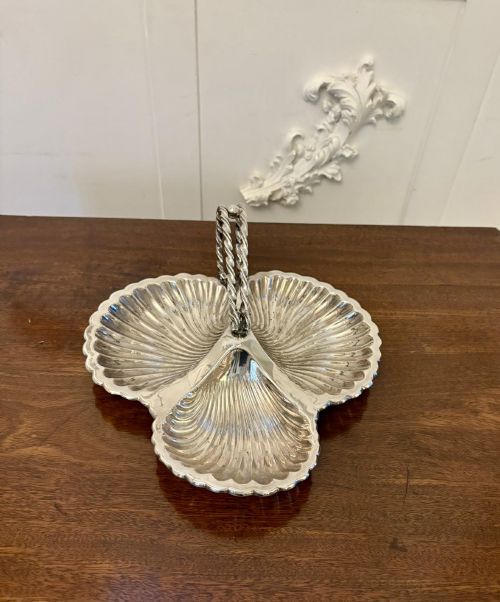
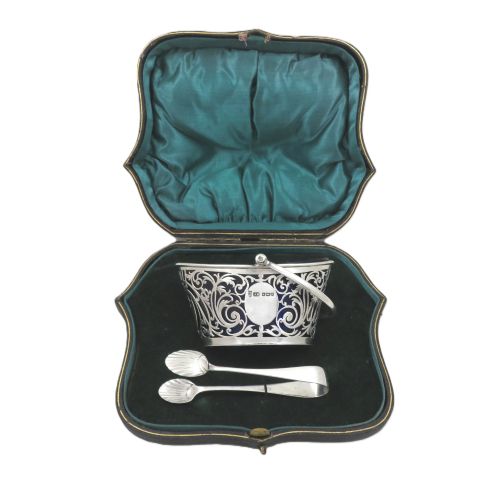
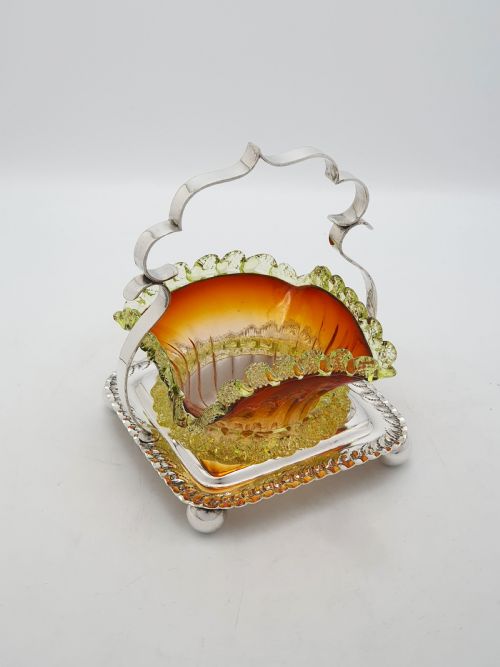
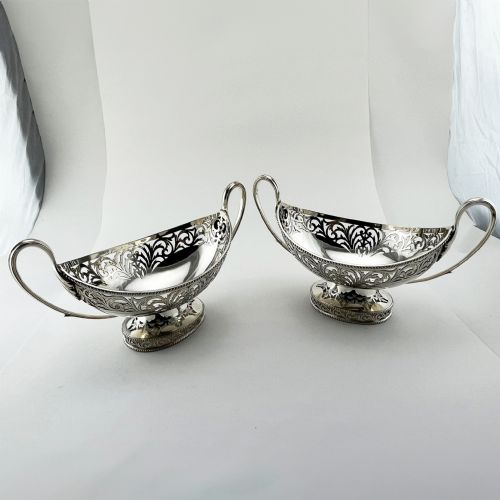
An edwardian silver sweetmeat dish brings table sugar and small confections into focus with openwork metal and coloured glass liners.
Edwardian Silver Sweetmeat Dish
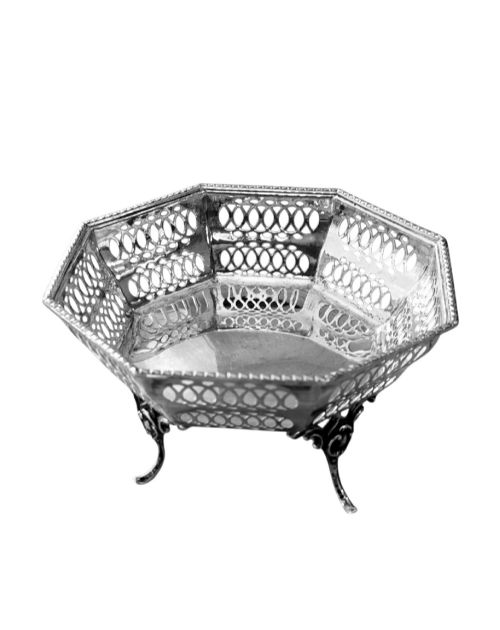
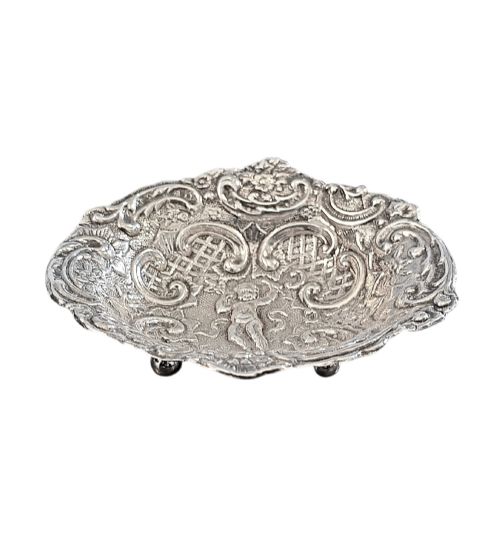
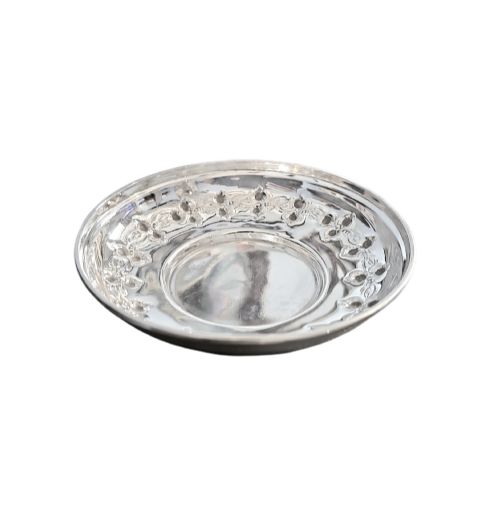
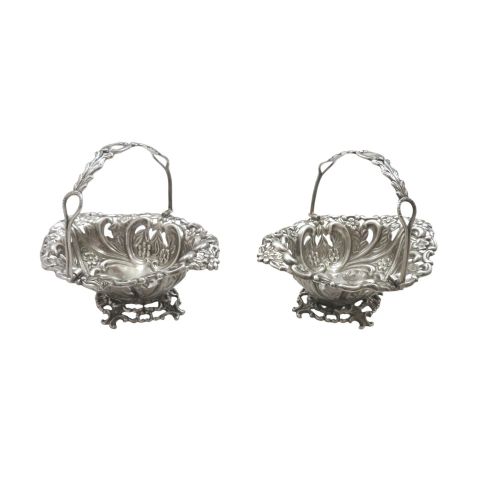
When you search for an edwardian silver sweetmeat dish, you encounter small footed vessels, swing-handled baskets, and open dishes intended for confectionery, sugar, and small morsels. The examples on this page span the Edwardian period alongside Victorian and later George V pieces, reflecting the broader social dining habits of the era.
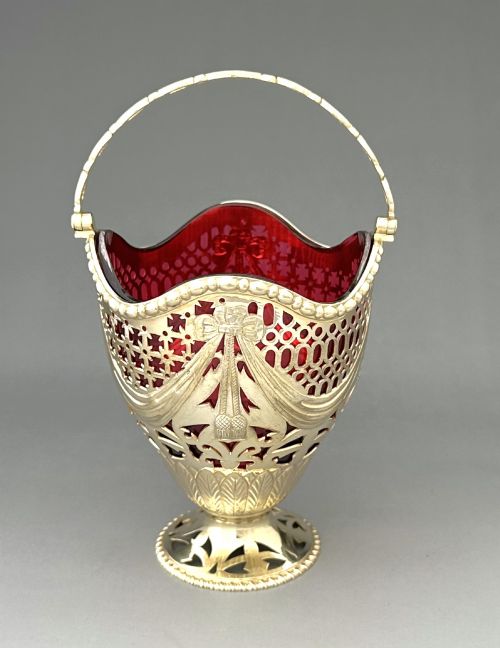
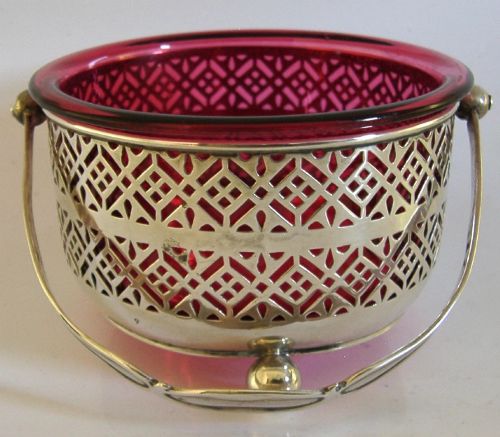
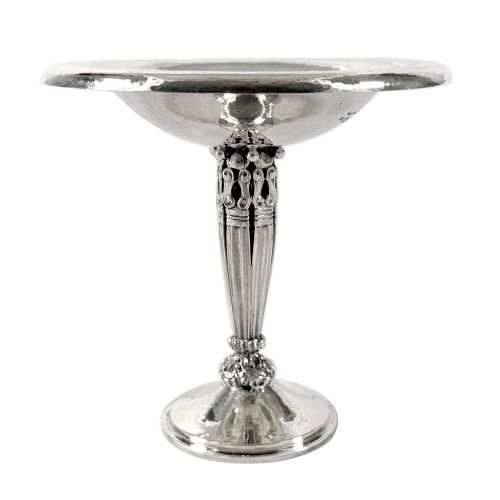
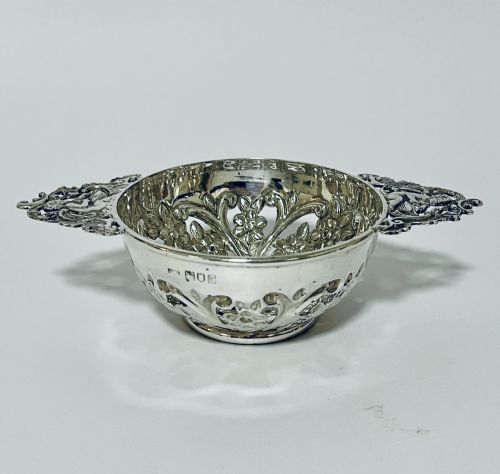
Most pieces meet you as pierced sterling silver or silver-plated baskets, often fitted with removable liners of cranberry, ruby, amber, or cobalt glass. These forms also appear as tazza vessels, bonbon dishes, and quaichs, originating from workshops across Birmingham, Chester, Edinburgh, and London.
Materials and Technique
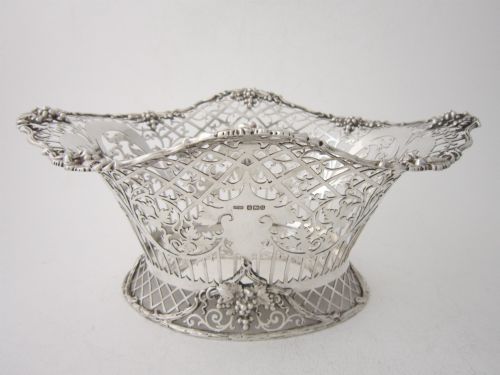
Makers shaped these vessels using sterling silver or electroplated nickel silver, employing piercing, lattice work, and repoussé techniques to create lightweight yet decorative frames. Pierced metalwork allows coloured glass liners in cranberry, ruby, amber, and cobalt hues to show through the open geometric and floral patterns.
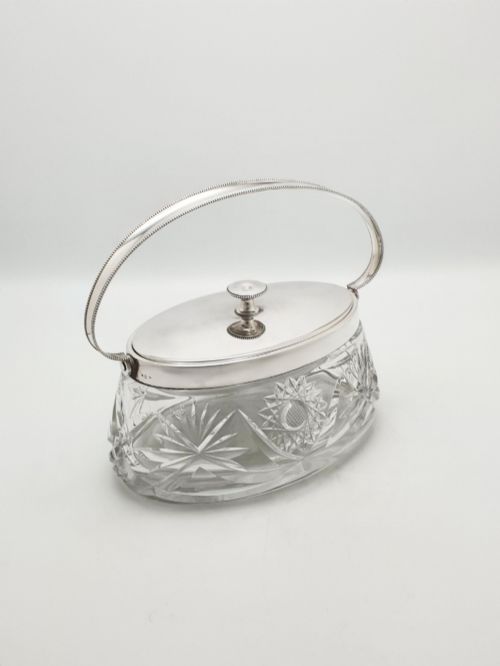
Handles are frequently hinged with swing mechanisms, while interior surfaces sometimes feature silver-gilt finishes. Cut glass and moulded glass provide durable inserts designed for frequent removal and cleaning after dining.
Edwardian Silver Sweetmeat Dish Retail Price Guide 2026
Typical asking prices for edwardian silver sweetmeat dish among the pieces listed under this phrase on Sellingantiques today, from the lower quarter to the upper quarter. They describe what is for sale here now, not the wider market.
Craftsmanship and Design
Quality rests in the crispness of the pierced metalwork and the weight of the solid sterling silver versus silver plating. Finer pieces display hand-cut lattice designs and balanced proportions that securely frame the coloured glass liner without appearing heavy.
The integration of maker marks, clear city hallmarks, and original glass liners elevates an item above standard production ware. Maker attribution to notable firms adds distinction to the surviving metal and glass combinations.
Mappin And Webb·Charles Boyton·Thomas Bradbury·James Dixon And Sons·John Barrett
The Edwardian Silver Sweetmeat Dish Glossary
- Sweetmeat dish
- A small vessel designed for serving sweet confections, nuts, or small sugared fruits during dessert courses. These pieces often feature raised feet or swing handles.
- Pierced work
- Metal decorated by cutting patterns through the surface to create openwork lattices and scroll designs. This technique lightens the visual weight of the silver.
- Swing handle
- A movable handle attached to the rim of a basket or dish by small pivots. It allows the handle to drop flat against the side when not in use.
- Silver-gilt
- Silver that has been coated with a thin layer of gold on its surface, often applied to the interior bowls of dishes. This finish protects the metal from acidic foods.
- Tazza
- A small, circular ornamental cup or dish mounted on a stemmed foot. These pieces elevate sweets above the tabletop.
Edwardian Silver Sweetmeat Dish: Frequently Asked Questions
What were sweetmeat dishes used for?
These dishes held small confections, preserved fruits, and sugar sweetmeats served at the end of formal meals. They occupied a central place on the dining table alongside dessert courses.
Guests would help themselves to the contents using small spoons or fingers depending on the formality of the gathering. The inclusion of glass liners protected the silver metal from sticky residues.
How do I identify an Edwardian piece?
Edwardian silver bears hallmarks that indicate the assay office, standard mark, and a date letter specific to the reign of King Edward VII. Stylistic clues include Art Nouveau influences, light piercing, and garland motifs.
Items from this era date roughly from the opening years of the twentieth century up to the First World War. Comparing date letters on the silver provides the exact year of manufacture.
Why do some dishes have coloured glass?
Coloured glass liners in cranberry, ruby, amber, and cobalt provided a vivid contrast against bright silver frames. The glass also prevented acidic sweetmeats from tarnishing the metal beneath.
These liners were blown and moulded to fit snugly inside the pierced metal baskets. Many survived together with their metal frames as complete decorative sets.
Can I use these dishes daily?
These antique items function well for serving dry sweets, nuts, or small chocolates during modern gatherings. Hand washing protects the delicate glass liners and silver surfaces from harsh detergents.
Careful handling preserves the original swing handles and pierced lattice work. Storing them away from damp environments keeps the silver bright.