

Edwardian Silver Serving
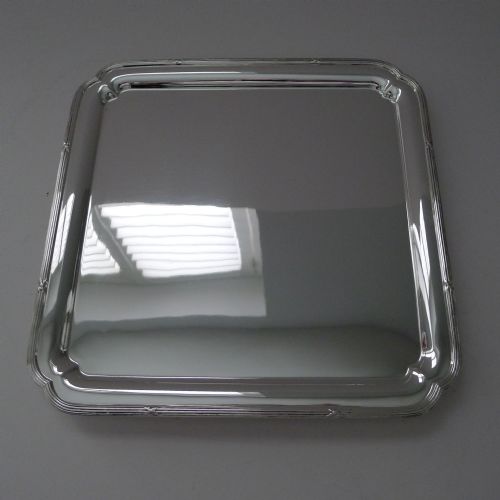
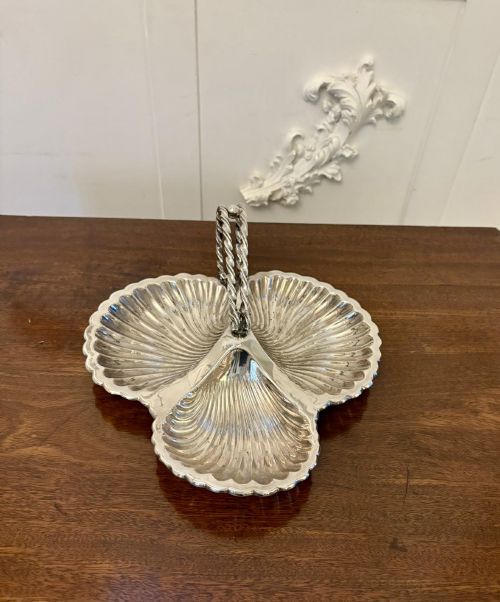
Edwardian silver serving pieces combine solid sterling and plated forms from the early twentieth century for practical table use.
Edwardian Silver Serving
Edwardian silver serving items encompass a broad variety of domestic utensils and display pieces designed for the dining room and parlour.
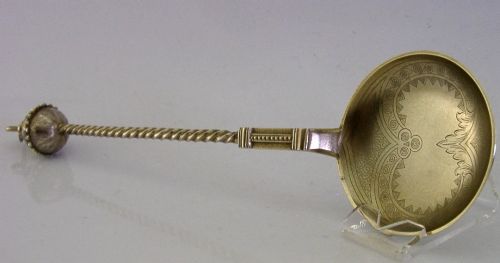
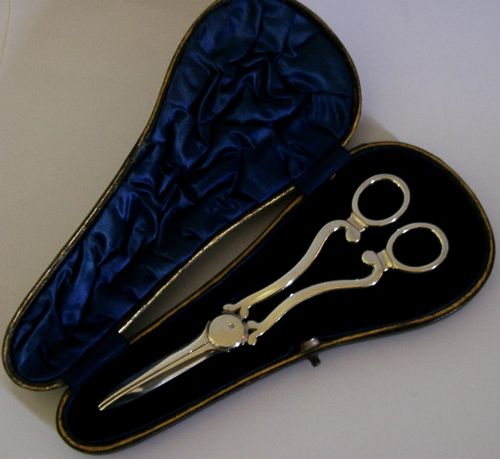
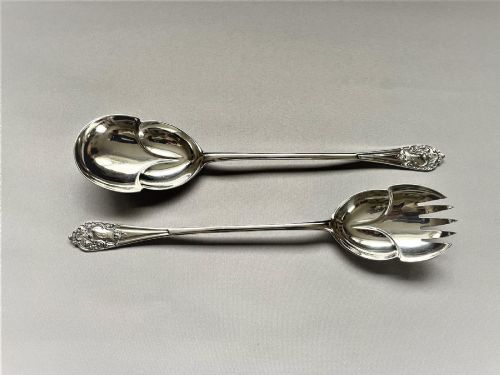
A buyer searching this phrase encounters numerous serving trays, salvers, and gallery trays alongside specialised cutlery like salad servers, grape shears, and asparagus tongs.
Most examples originate from the Edwardian period and the early decades of the twentieth century, though nineteenth-century Victorian and later George V pieces also appear.
Materials and Technique
Silversmiths employed both solid sterling silver and various plated methods, including silver plate, EPNS, and Sheffield plating over base metals.
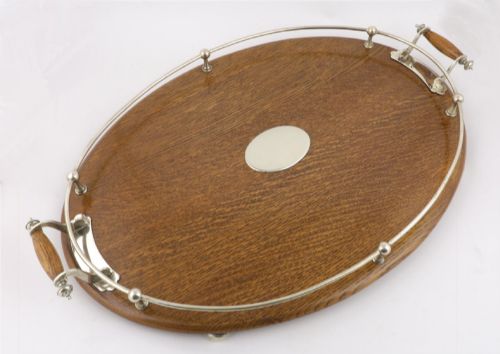
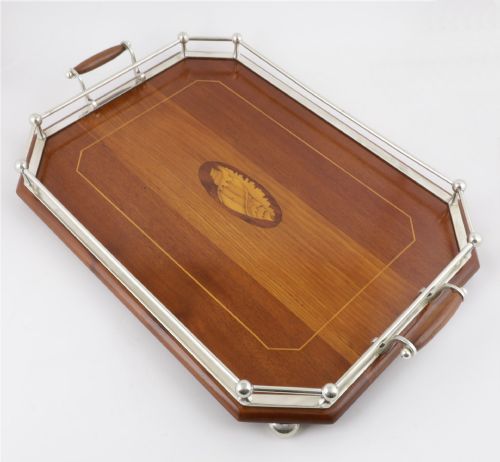
Many trays and platters incorporate wooden bases, oak galleries, or shell inlay, while smaller items feature glass inserts, velvet linings, and leatherette cases.
Edwardian Silver Serving Retail Price Guide 2026
Typical asking prices for edwardian silver serving among the pieces listed under this phrase on Sellingantiques today, from the lower quarter to the upper quarter. They describe what is for sale here now, not the wider market.
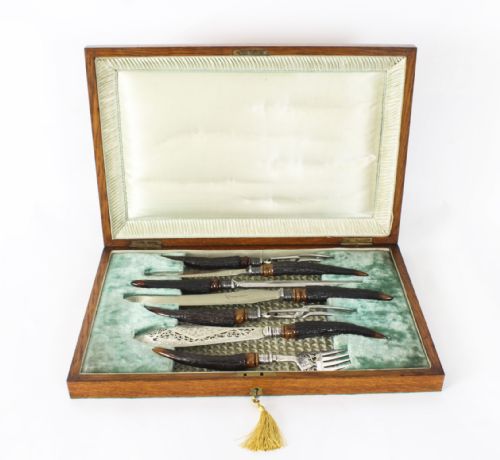
Antler horn handles on nineteenth-century carving sets bring a touch of the hunt straight to the Sunday roast.
Standard and Execution
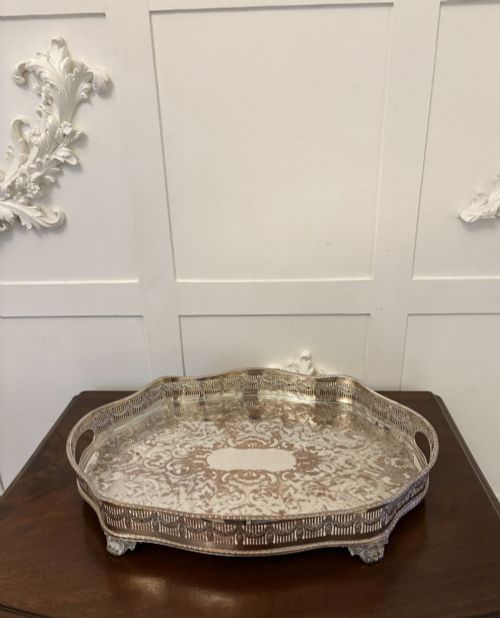
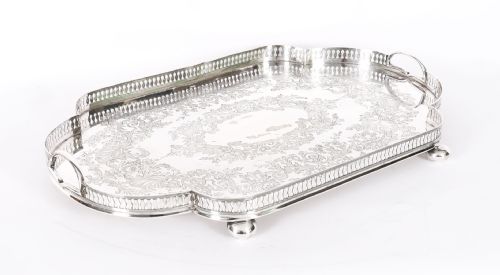
Quality rests in the weight of the silver, the crispness of engraved decoration or pierced borders, and the structural integrity of handles and galleries.
Prominent makers such as Elkington and Mappin & Webb distinguish themselves through superior finishing and substantial construction.
Elkington & Co.·Mappin & Webb·James Deakin·William Hutton & Sons
The Edwardian Silver Serving Glossary
- Sterling silver
- A silver alloy containing 92.5 percent pure silver and 7.5 percent other metals, usually copper, ensuring durability for tableware.
- Silver plate
- A base metal such as nickel silver coated with a thin layer of pure silver, offering the appearance of solid metal at a lower cost.
- Gallery tray
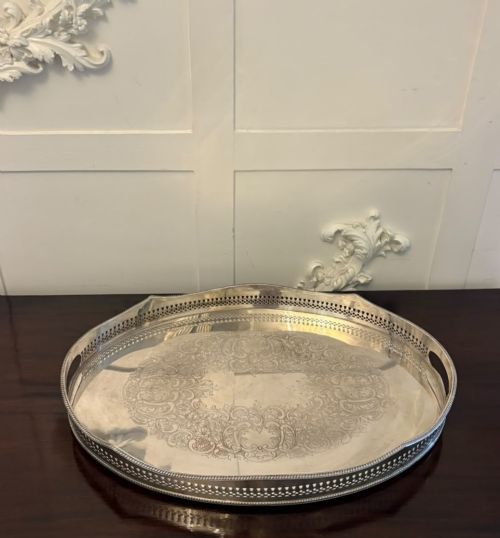
- A tray featuring an openwork metal gallery or rail around its perimeter to secure decanters and glasses during transit.
- Salver
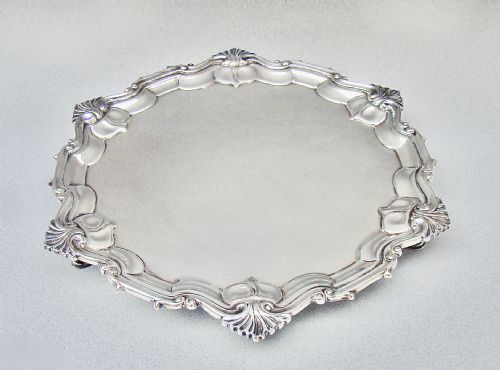
- A flat plate or tray, typically made of silver, used for serving food or drinks or for presenting calling cards.
Edwardian Silver Serving: Frequently Asked Questions
What is an Edwardian silver serving tray?
These large trays and platters were manufactured around the start of the twentieth century for presenting drinks, tea, or food.
They utilise silver plating or sterling silver and frequently incorporate wooden bases with raised gallery borders.
How do you clean antique silver serving pieces?
Regular maintenance requires a soft cloth and a gentle silver polish formulated specifically for plated or sterling surfaces.
Avoid abrasive cleaners that can wear away thin silver plating on older items.
What are specialised serving utensils used for?
Utensils like grape shears, asparagus tongs, and fish servers were designed for specific dining rituals in formal households.
They allow hosts to serve delicate foods without damaging them during meals.
How do I identify the date of a piece?
Sterling silver items usually carry hallmarks indicating the assay office, date letter, and maker's mark.
Plated pieces often rely on maker marks and stylistic clues from the Edwardian and Victorian eras.