
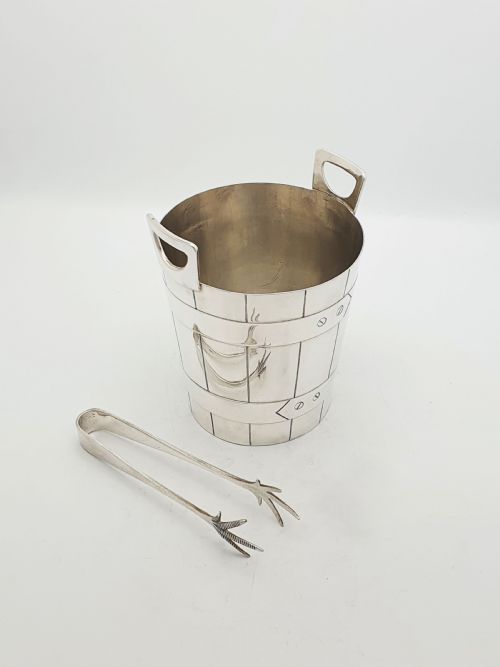


Edwardian Silver Plated Cooler
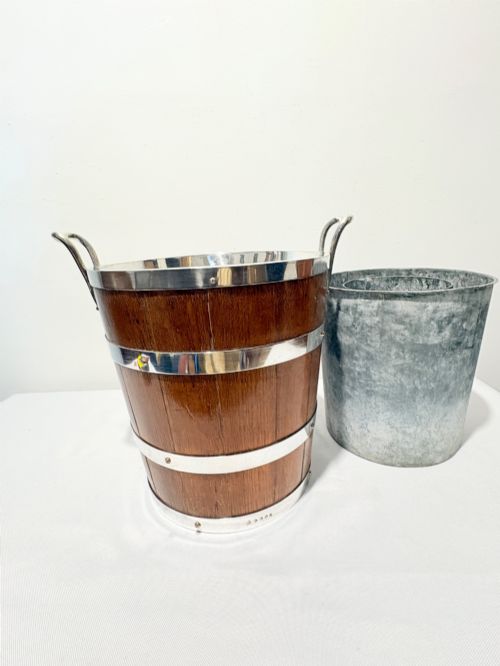
These edwardian silver plated cooler examples combine silver plate and oak to hold ice, wine, or biscuits with proper period style.
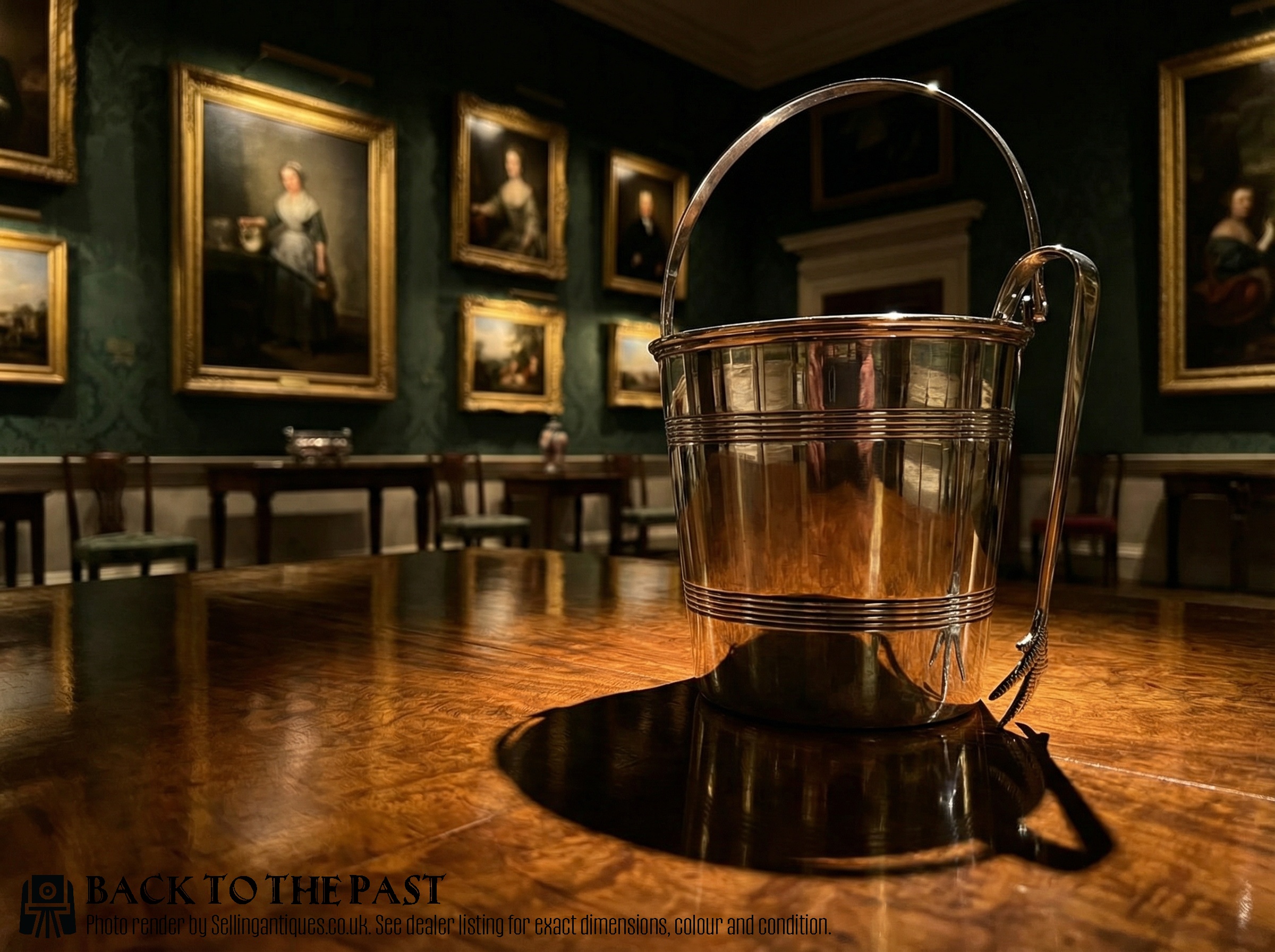
Edwardian Silver Plated Cooler
An edwardian silver plated cooler serves wine, champagne, or ice during dining, taking forms like ice buckets, wine coolers, and biscuit barrels.
The pieces appearing on this page span the late Victorian period, the Edwardian era, and the nineteen twenties.
Makers produced these items in England and internationally, using silver plate and EPNS alongside wood and glass liners.
How they were made
Silversmiths applied silver plate and nickel silver over base metal, creating durable surfaces suitable for holding ice and bottles.
Coopers and joiners built wooden vessels from oak, banding them with metal to house ceramic creamware or cut glass liners.
Periods represented on this page range from late Victorian and Edwardian to Art Deco.
What varies in quality
The weight of the metal and the clarity of the cut glass liners establish the baseline standard of manufacture.
The inclusion of original matching tongs, ceramic creamware liners, or maker attribution elevates an edwardian silver plated cooler.
Christofle·Dawson·James Dixon And Sons
The Edwardian Silver Plated Cooler Glossary
- EPNS
- Electroplated nickel silver, a common base material for plated tablewares. Manufacturers used this method extensively during the period.
- Cut glass
- Glass decorated by cutting geometric or floral patterns into the surface. These liners fit inside ice buckets.
- Creamware
- A fine earthenware developed in England with a pale yellowish glaze. It appears in specific barrel-form ice buckets.
- Twin handled
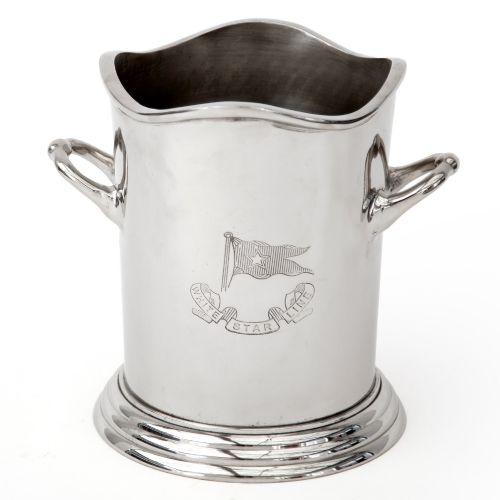
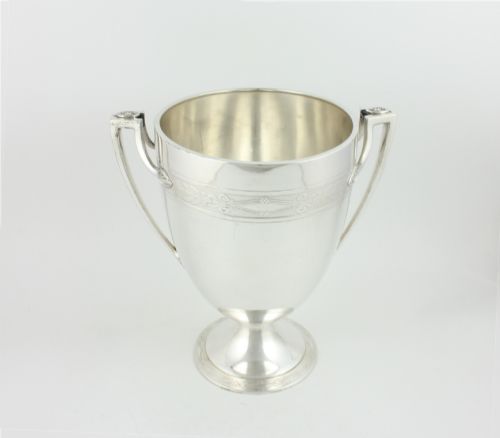
- A vessel featuring two side handles for lifting. This configuration appears on champagne coolers and presentation bowls.
- Biscuit barrel
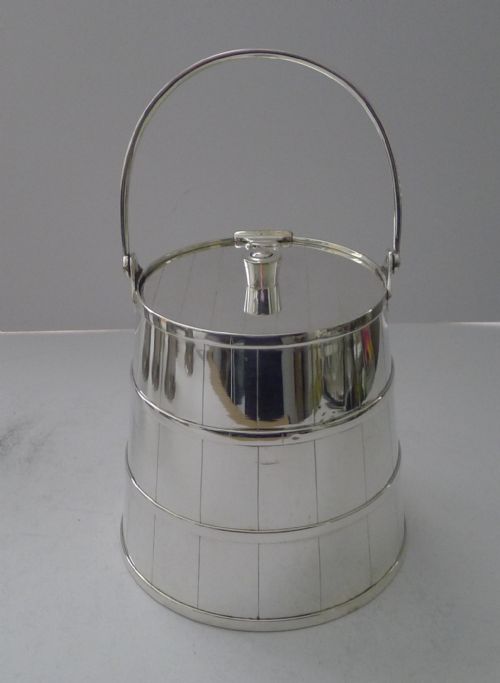
- A covered container designed for storing dry biscuits. Examples from this era combined oak staves with silver plate.
Edwardian Silver Plated Cooler: Frequently Asked Questions
What is an edwardian silver plated cooler used for?
These vessels chilled wine and champagne bottles or held ice at the dining table. They functioned as practical barware during formal meals.
Some examples doubled as biscuit barrels or presentation bowls for home entertaining.
How do I clean an edwardian silver plated cooler?
Use warm soapy water and a soft cloth to remove dust and residue. Avoid abrasive cleaners that strip the silver plate.
Dry the metal thoroughly after washing to prevent spotting on the surface.
Did these coolers come with liners?
Many ice buckets and coolers included fitted inserts made from cut glass or ceramic creamware. These liners protected the silver plate from direct contact with melting ice.
Some surviving pieces retain their original glass inserts and matching tongs.
How do I date an edwardian silver plated cooler?
Examine the style, materials, and any maker marks stamped onto the metal base. Pieces span from late Victorian production through the nineteen thirties.
Combinations of oak staves and silver plate point directly toward Edwardian manufacture.