



Edwardian Silver Plated Barware
Edwardian silver plated barware brings the hospitality of the early twentieth century to the table with gleaming metal and cut glass.
Edwardian Silver Plated Barware
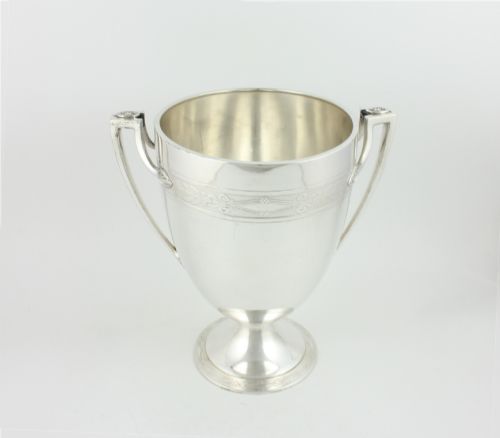
When searching for Edwardian silver plated barware, collectors encounter items designed for entertaining, such as claret jugs, ice buckets, serving trays, and bottle coolers. These domestic objects reflect the social habits of the period, spanning from the late nineteenth century into the interwar decades. The selection includes items shaped from electroplated nickel silver alongside combinations of oak, glass, and ceramic.
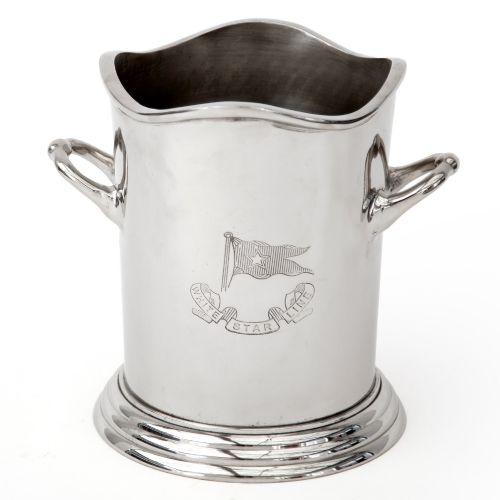
The objects most frequently met on this page range from handled drinks trays and spirit flasks to multi-bottle tantalus frames and lemon squeezers. Pieces emerge from periods including Victorian, Edwardian, and Art Deco styles, showing influences from Queen Anne revival to maritime design. Functional vessels often incorporate cut glass liners, crystal bodies, or cranberry glass to hold wine and spirits.
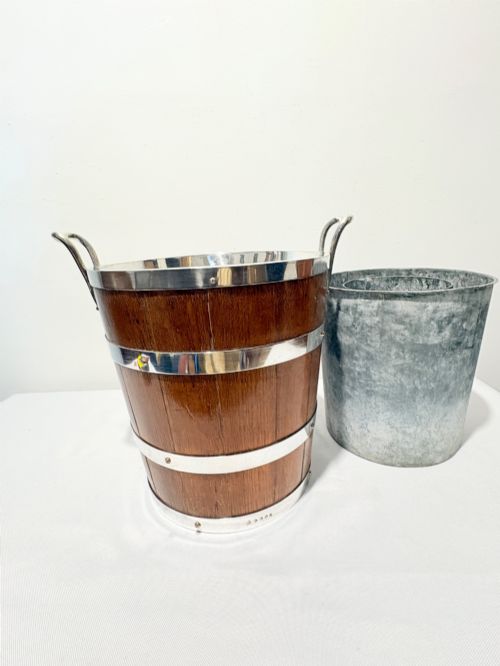
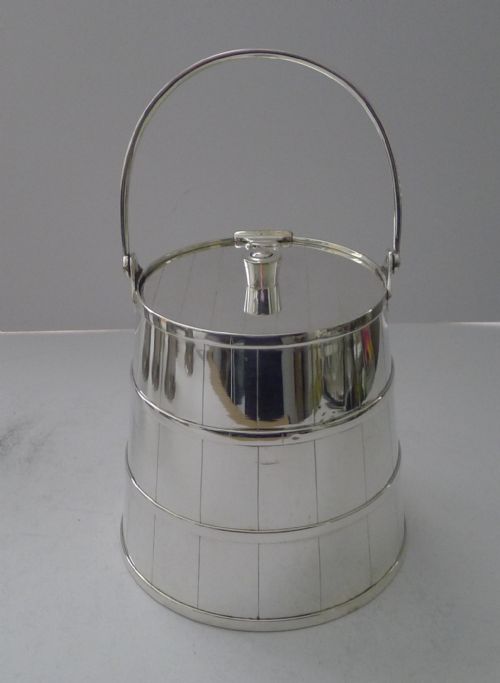
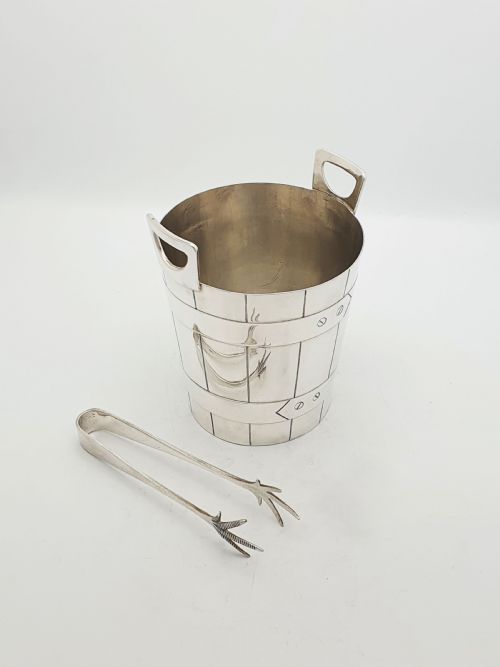
Makers represented in these categories include established silversmiths and retailers who supplied homes, shipping lines, and hospitality venues. The physical forms vary from simple cylindrical ice buckets styled as wooden barrels to elaborate locking spirit tantalus sets. Each piece serves a distinct role in the preparation, storage, or presentation of alcoholic drinks.
Methods of manufacture and materials
Makers utilised electroplated nickel silver and standard silver plate over base metals, providing a bright finish that imitated solid silver at a lower cost. This plating technique involved passing an electrical current through a solution containing silver ions to bond the metal to a core of nickel silver or other alloys.
Complementing the metalwork, craftsmen incorporated cut glass, crystal, and cranberry glass into liners, decanters, and jugs. Oak and ceramic creamware appear in structural frames and bucket inserts, pairing timber grain with polished metallic surfaces to create robust items for daily use.
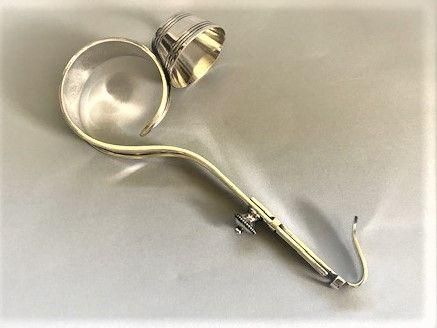
Common object forms include claret jugs, spirit flasks, tantalus frames, cocktail shakers, and wine coolers produced by major English and continental makers.
Distinctions in quality and execution
The standard of execution depends on the weight of the silver plate and the crispness of any engraved or cast decoration. Heavier metal bases and thick glass liners indicate higher initial investment and greater durability through decades of handling.
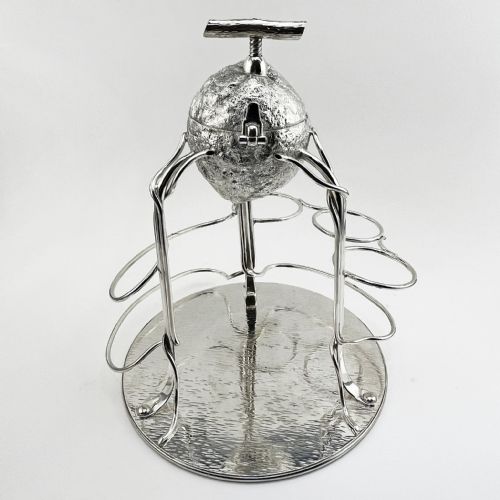
Design complexity also separates standard utility items from luxury pieces, such as those featuring mechanical locks on a tantalus or intricate novelty forms modelled as thistles and barrels. Maker attribution to known workshops further influences the standing of individual items.
Hukin & Heath·Brook & Son Edinburgh·Christofle·Dawson·James Dixon & Sons·William Suckling·Walker & Hall·Harrods
The Edwardian Silver Plated Barware Glossary
- Tantalus
- A locking wooden or metal frame that holds decanters securely to prevent unauthorized access to the spirits within. The mechanism lifts or releases the stoppers only when the security bar is unlocked.
- Silver Plate
- A thin layer of pure silver bonded to a base metal core such as nickel silver or copper. This technique became widespread during the nineteenth century to produce domestic vessels.
- EPNS
- An abbreviation for electroplated nickel silver, denoting a base alloy of copper, nickel, and zinc coated with silver through an electrolytic process.
- Claret Jug
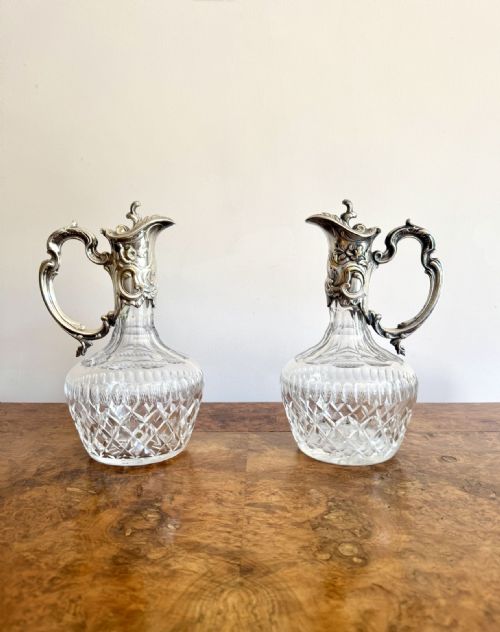
- A pouring vessel designed specifically for serving red wine, typically constructed with a glass body and a hinged metal lid, handle, and collar.
- Bottle Coaster
- A small, circular tray or stand, often featuring a wood base and a silver plated rim, used to protect dining tables from condensation and spills.
Edwardian Silver Plated Barware: Frequently Asked Questions
What is a silver plated tantalus?
A tantalus is a locking drinks frame designed to hold two or three decanters securely in place. The metal framework includes a handle and a locking bar that prevents the stoppers from being removed without a key.
These pieces were kept in dining rooms and studies during the Edwardian era to restrict servants or guests from accessing fine spirits. The wood bases are frequently fitted with oak and detailed with silver plated mounts.
How do I clean antique silver plate?
Silver plate requires gentle cleaning with a specialist non-abrasive silver polish and a soft cloth to remove tarnish without wearing away the thin metal layer. Harsh scrubbing pads or chemical dips should be avoided, as they can strip the plating entirely.
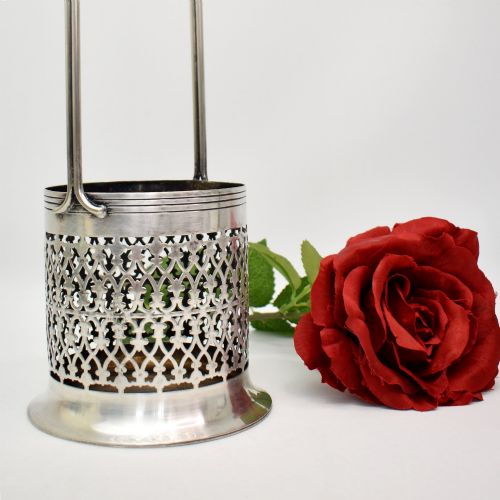
For items with glass liners or wooden components, such as ice buckets and bottle coasters, the sections should be separated before cleaning to protect the non-metal materials from moisture and polish residue.
What is the difference between EPNS and solid silver?
EPNS stands for electroplated nickel silver, which consists of a base metal alloy coated with a thin layer of pure silver. Solid silver items are made entirely of silver alloy throughout the entire object, usually marked with official hallmarks.
Most barware from the Edwardian period was made using silver plating on nickel silver or copper because it offered durability and a bright finish at a lower cost than solid silver.
How can I date Edwardian barware?
Dating Edwardian barware involves examining maker marks, patent stamps, style influences, and manufacturing techniques recorded on the pieces. Items from this era often bear specific maker stamps or registration numbers that correspond to production years around the early twentieth century.
Stylistic cues such as Art Deco geometric lines or Queen Anne revival motifs also help narrow down the decade of manufacture, ranging from the late Victorian period through the interwar years.