



Edwardian Silver Plate Serveware
Edwardian silver plate serveware brings genuine dining theatre to the table, combining heavy metal surfaces with practical forms designed for formal hosting.
Edwardian Silver Plate Serveware
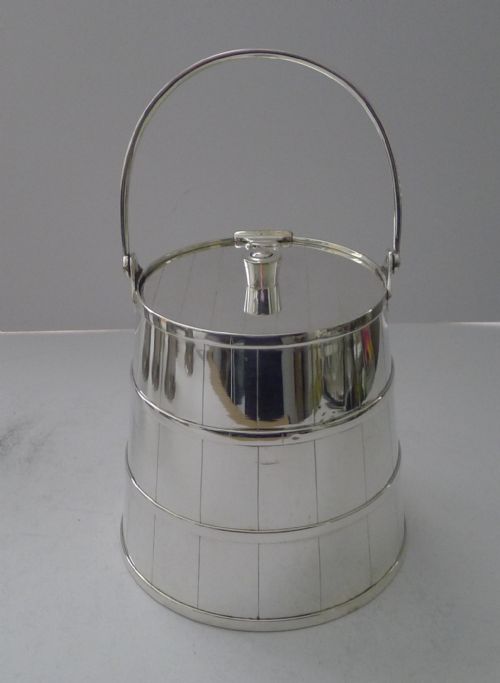
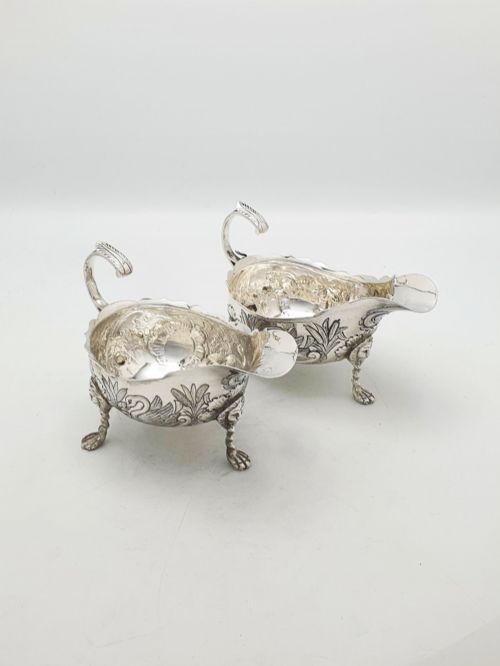
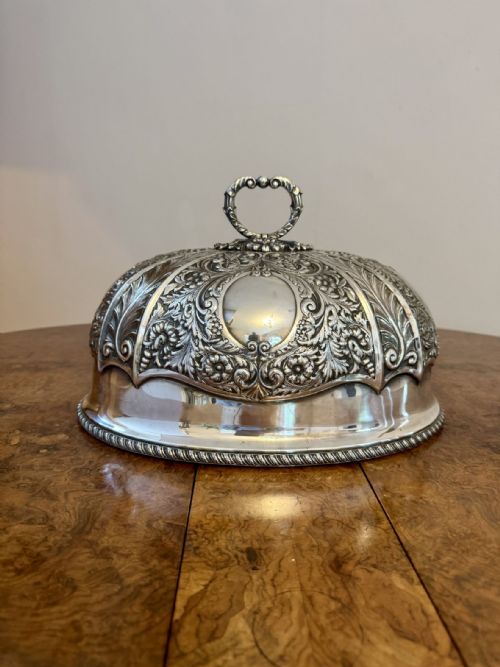
Edwardian silver plate serveware comprises table items built for formal dining, spanning specific forms like entree dishes, toast racks, biscuit barrels, and sauce boats. The pieces appearing most frequently belong to the Edwardian period itself, alongside late Victorian and early twentieth-century examples.
The selection ranges from large meat covers and soup tureens to specialist items such as strawberry dessert sets, asparagus dishes, and cheese scoops. Makers combined silver plate with materials like glass, porcelain, bone, and polished oak to create functional table accessories.
Materials and construction
Manufacturers utilised silver plate and electroplated nickel silver as the primary base metals, applying a durable metallic coating over a strong core. Nickel silver provided a robust foundation that accepted plating evenly across complex moulded and chased surfaces.
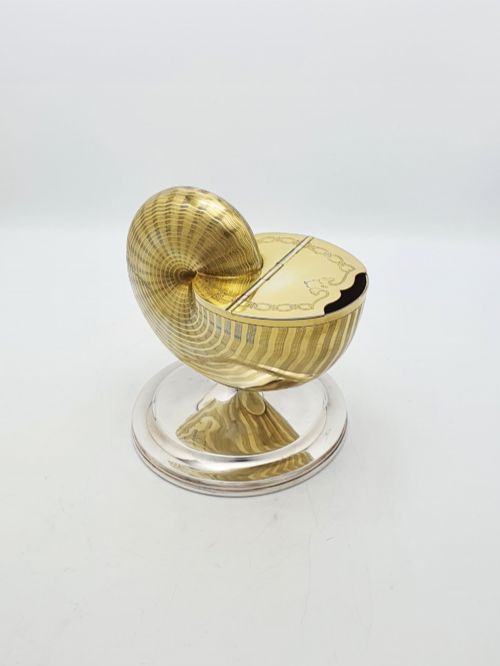
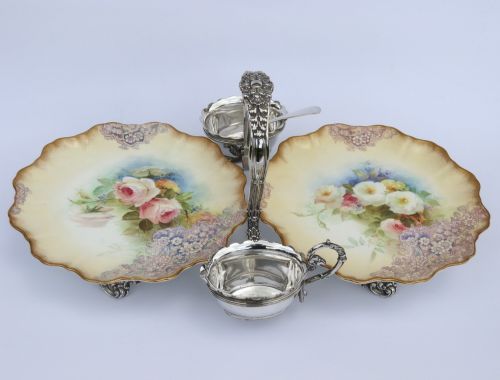
Makers integrated secondary elements such as ceramic porcelain plates, cut glass liners, and bone handles to finish functional items like dessert sets and cheese dishes. Metalwork techniques involved detailed engraving, gilding interior bowls, and constructing articulated mechanisms for items like egg warmers.
Listings feature items spanning the Victorian, Edwardian, and Art Nouveau styles, incorporating materials such as bone, glass, porcelain, and gilt metal.
Judging quality and craftsmanship
Quality rests on the crispness of chased and engraved ornamentation, the thickness and retention of the silver plating over the base metal, and the integrity of any fitted glass or ceramic components. Superior pieces exhibit balanced proportions, sturdy hinges, and substantial weight in the hand.
Makers known for exceptional retail standards applied refined finishing touches, such as hand-painted ceramic inserts or fully integrated original serving implements, which elevate the piece above standard mass production.
Walker and Hall·Mappin and Webb·Doulton Burslem·Roberts and Belk
The Edwardian Silver Plate Serveware Glossary
- Silver plate
- A base metal coated with a layer of pure silver through electrochemical processes. This technique provided the visual appeal of solid silver at a lower cost.
- Electroplated nickel silver
- Often abbreviated as EPNS, this alloy of copper, nickel, and zinc served as the standard foundation for high-quality plated tableware. It offered strong resistance to corrosion beneath the silver layer.
- Entree dish
- A covered vessel designed for serving main courses or side dishes at the dining table. These pieces often feature removable handles for versatile serving options.
- Spoon warmer
- A specialised Victorian and Edwardian container filled with hot water to keep serving spoons warm before use. They often took whimsical novelty shapes.
- Tureen
- A deep, covered bowl used for serving soups, gravies, or large portions of food. They typically feature matching domed lids and sturdy side handles.
Edwardian Silver Plate Serveware: Frequently Asked Questions
How do I clean silver plate serveware safely?
Wash pieces gently in warm soapy water using a soft cloth, avoiding harsh abrasive dips that strip the thin silver layer over time. Dry thoroughly with a lint-free cloth to prevent water spots.
For tarnish, apply a specialist silver polish formulated for plated items, rubbing lightly in straight lines rather than circles. Rinse and dry immediately after polishing.
Can I use these antique dishes for daily dining?
Many Edwardian serveware pieces remain entirely functional for modern meals, particularly entree dishes, toast racks, and sauce boats. Ensure that pieces with glass or ceramic inserts are handled with care during washing.
Acidic foods left in contact with silver plate for extended periods can damage the finish, so wash items promptly after use. Modern dishwashers should be avoided entirely.
What is the difference between Edwardian and Victorian serveware?
Victorian serveware tends to feature heavier, highly ornate decoration with dense embossing, deep chasing, and dramatic novelty forms. Pieces often reflect a penchant for elaborate table staging.
Edwardian designs generally lean toward lighter, more restrained neoclassical motifs, cleaner lines, and brighter silver surfaces. The forms remain formal but show a shift toward simpler elegance.
How can I tell if an item is electroplated?
Examine the edges and high-wear points for signs of the base metal showing through, which reveals a yellowish or greyish hue underneath the bright silver layer. Maker stamps frequently include specific marks denoting electroplate or EPNS.
Solid silver pieces bear official hallmarks indicating assay office, purity, and date letter, whereas plated wares carry manufacturer trade marks and electroplate designations.