


Edwardian Silver Place Stands
Edwardian silver place stands bring sculptural charm to formal dining tables, holding menu cards and place names with miniature artistry.
Edwardian Silver Place Stands
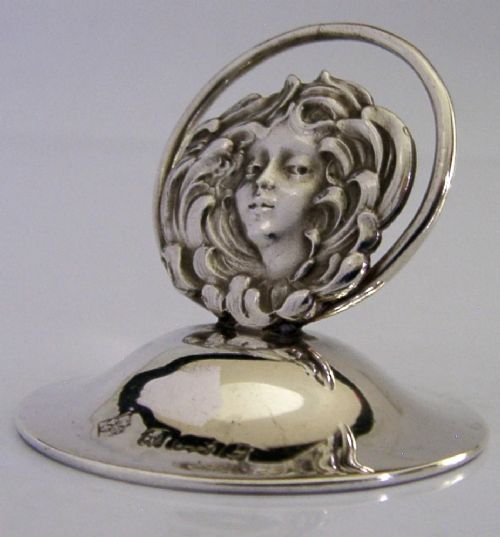
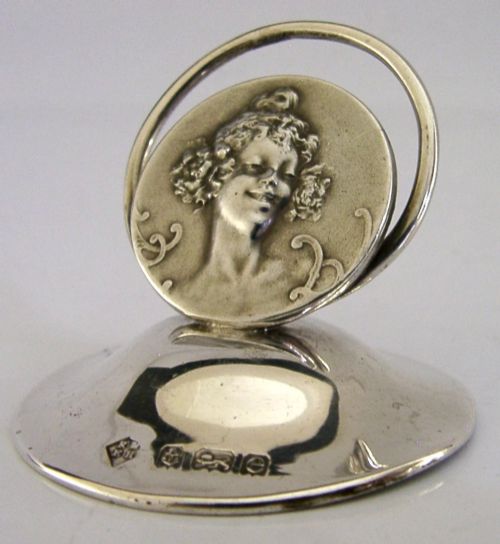
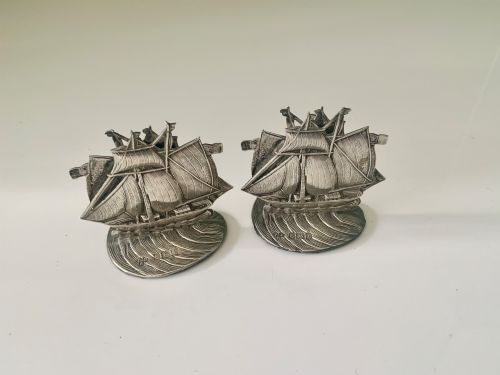
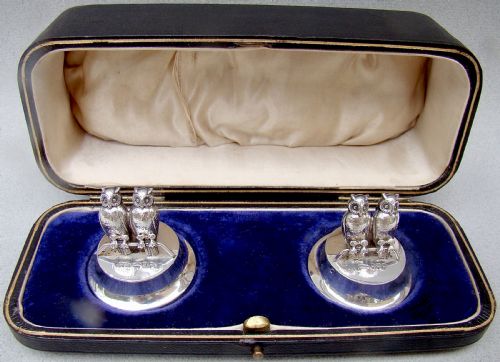
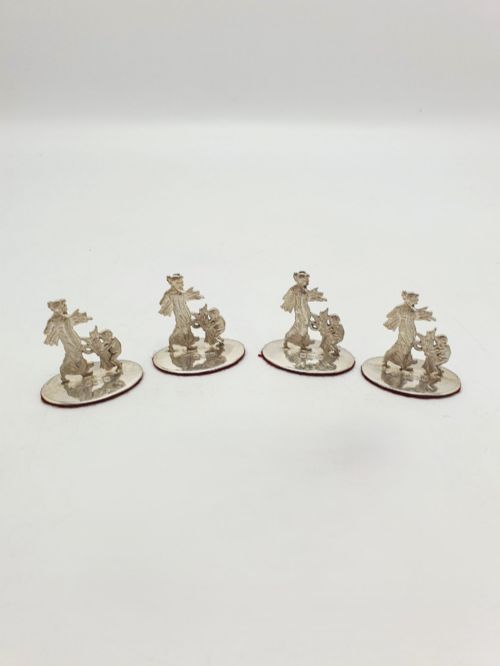
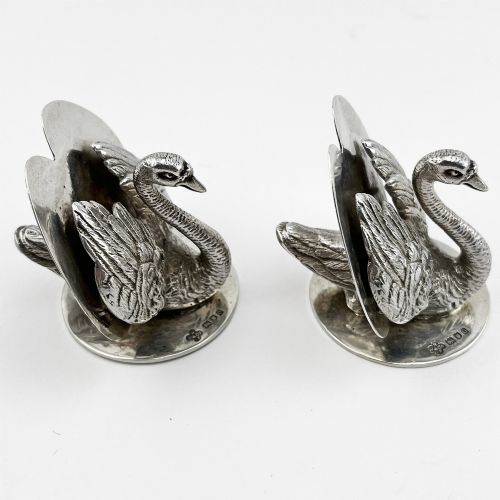
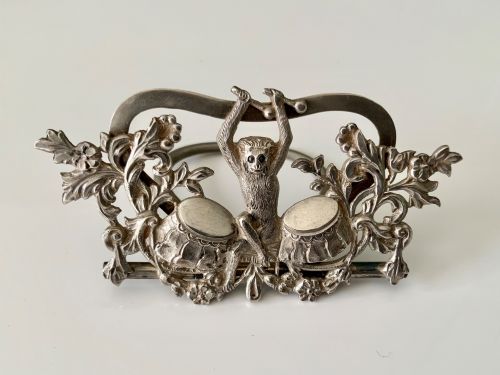
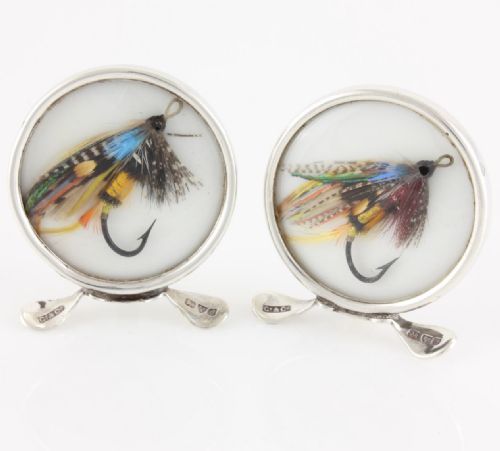
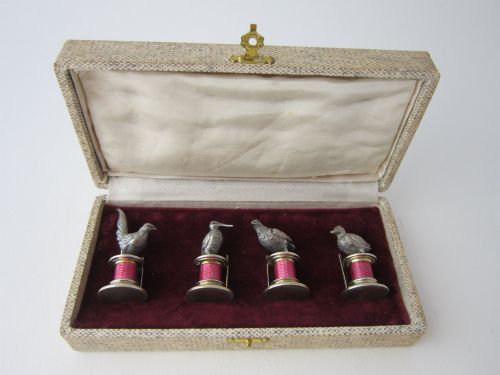
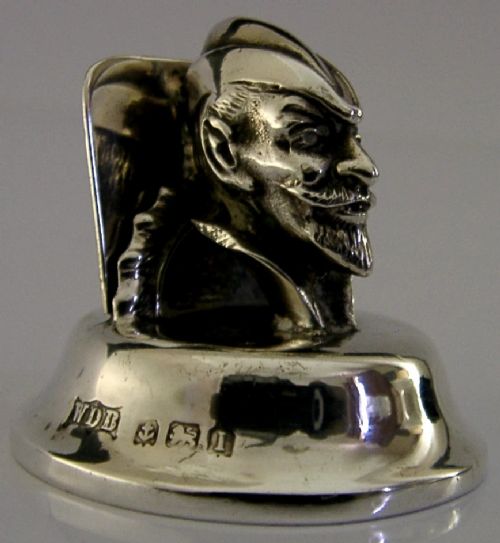
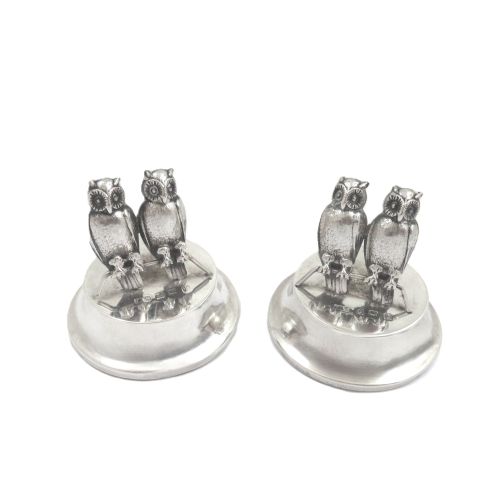
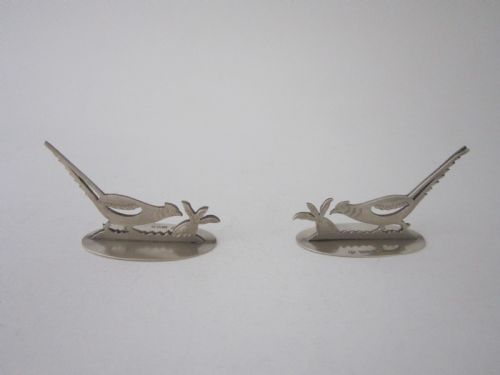
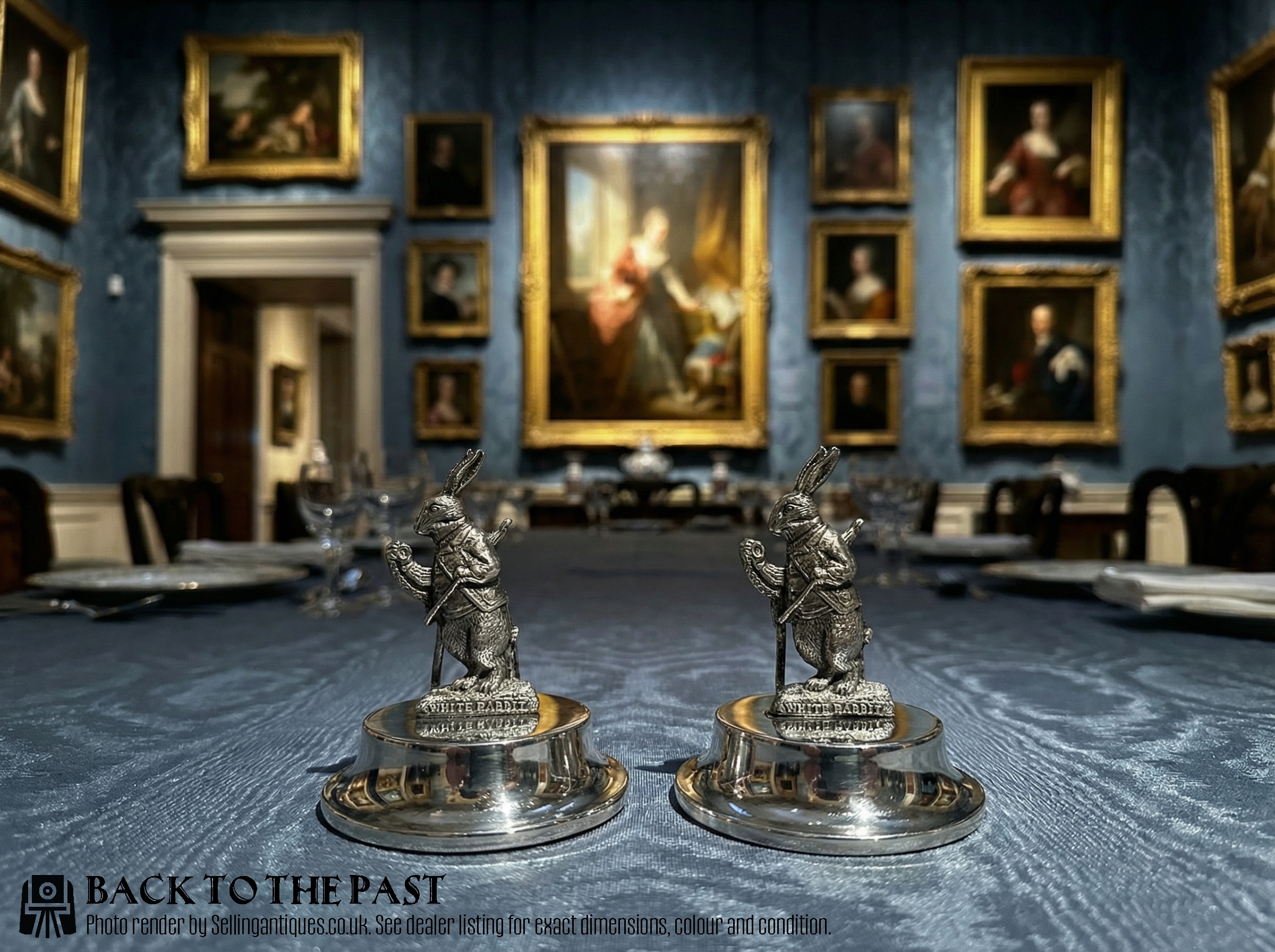
Edwardian silver place stands combine utility with miniature sculpture, serving as menu card holders and place markers for formal dining. Collectors encounter pieces shaped as owls, swans, game birds, maidens, and whimsical figural subjects like monkeys and characters from Alice in Wonderland.
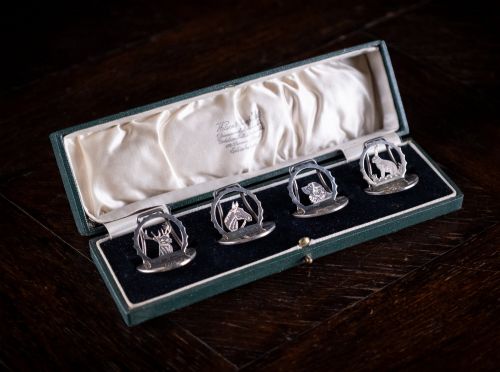
The selection ranges from single items to matched sets of four or twelve, often housed in fitted boxes. While the Edwardian period dominates, the listings also encompass George V, Art Nouveau, Art Deco, and Arts and Crafts examples.
These tableware accessories function primarily to display table details while doubling as decorative table ornaments. Makers utilised sterling silver alongside enamel, velvet, leather, silk, and glass to create these small-scale works.
Making and materials
Silversmiths employed casting, stamping, and chasing techniques to produce detailed miniature forms such as feathers on owls and grouse, or the flowing lines of Art Nouveau maidens. Sterling silver provides the structural body for the majority of these place stands.
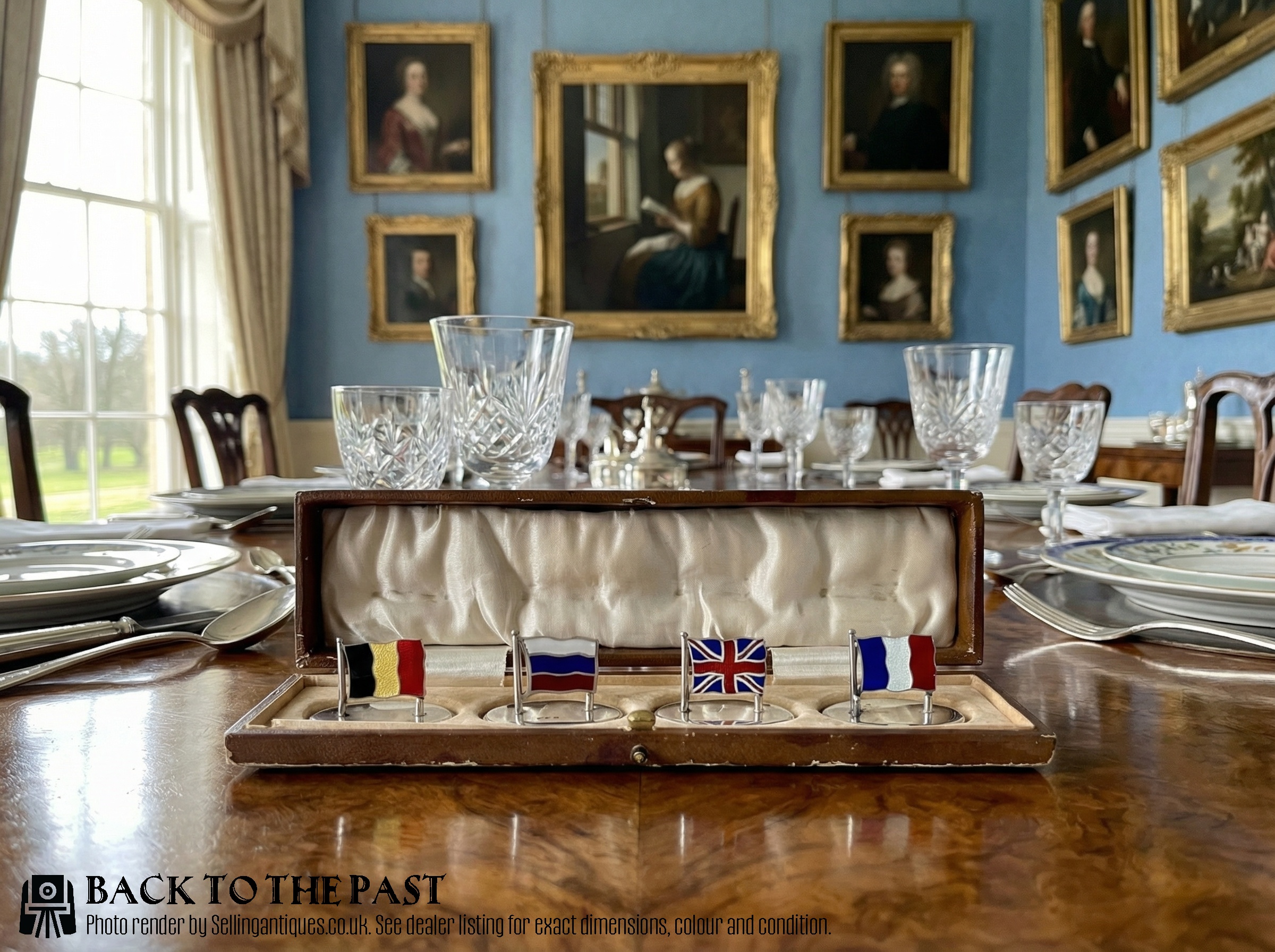
Makers integrated coloured enamel to highlight specific details on flags and decorative motifs, adding chromatic contrast to the polished silver surface. Fitted velvet, silk, and leather interiors within presentation boxes secure the stands when not in use on the dining table.
Dinners feature silver monkeys playing drums alongside Alice in Wonderland characters holding up the evening menu.
Quality and execution
The standard of modelling defines the upper tier of these pieces, where feathers, facial expressions, and figural drapery retain crisp definition without soft casting. Maker attribution to notable workshops or specific silversmiths elevates the standing of individual examples.
Complete sets in original fitted boxes demonstrate superior preservation compared to loose individual pieces assembled over time. The inclusion of polychrome enamel or unusual figural subjects distinguishes more ambitious commissions from standard tableware.
Levi & Salaman·A. Wilcox·Grey & Co·Sampson Mordan·Liberty
The Edwardian Silver Place Stands Glossary
- Menu holder
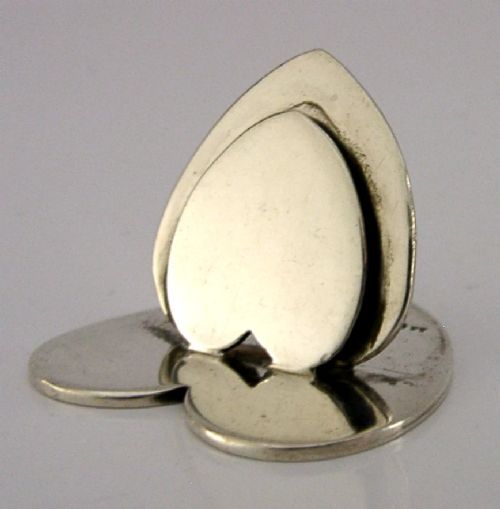
- A small upright display stand designed to support paper menus on a dining table. These items typically feature a weighted base and a slotted or clipped upper section.
- Place card holder
- A miniature desk accessory adapted for dining tables to indicate guest seating arrangements. They share similar construction to menu holders but often feature lower profiles.
- Sterling silver
- A silver alloy containing 92.5 percent pure silver and 7.5 percent other metals, usually copper, to increase durability. Most quality British dining accessories carry hallmarks certifying this standard.
- Art Nouveau
- A decorative style characterised by undulating, asymmetrical lines inspired by natural forms. This aesthetic appears on maiden and floral menu stands from the early twentieth century.
- Assay office
- An official body that tests the purity of precious metals and stamps items with town marks. Cities such as Birmingham, Chester, and London operated active offices during the Edwardian period.
Edwardian Silver Place Stands: Frequently Asked Questions
What are silver place stands used for?
These small stands hold printed menu cards and guest name cards upright on dining tables during formal meals. They keep table information visible to diners while serving as decorative ornaments.
Beyond dining use, collectors frequently display them in cabinet collections due to their detailed miniature sculpture and varied subject matter.
How do I clean antique silver stands?
Dust the item gently with a soft microfibre cloth to remove surface particles without damaging delicate raised details or enamel work. Avoid abrasive dips or harsh commercial polishes that strip away age patination.
Store pieces in dry conditions away from direct sunlight, particularly if the design incorporates velvet, leather, or silk elements.
Are these items sold as sets?
Many examples survive as pairs, matched sets of three or four, or occasionally larger groups of twelve. Original fitted presentation boxes frequently accompany these grouped pieces.
Single stands also appear regularly, allowing collectors to acquire individual figural subjects like birds or literary characters.
What materials are used besides silver?
Sterling silver forms the primary body of these accessories, but makers frequently incorporated vitreous enamel for coloured details on flags and decorative motifs. Fitted presentation boxes often feature linings of velvet, silk, or leather. Netted glass and feather elements occasionally appear in specific figural designs.