
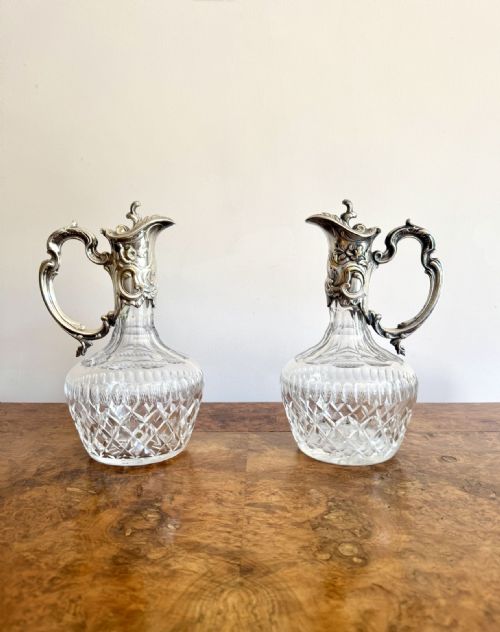
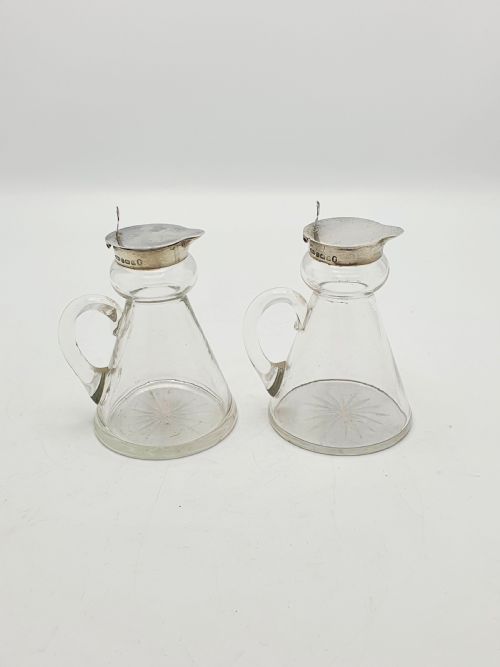


Edwardian Silver Pitcher
When you handle an edwardian silver pitcher, you hold a piece designed for formal dining tables, combining fine glassware with sturdy metal mounts.
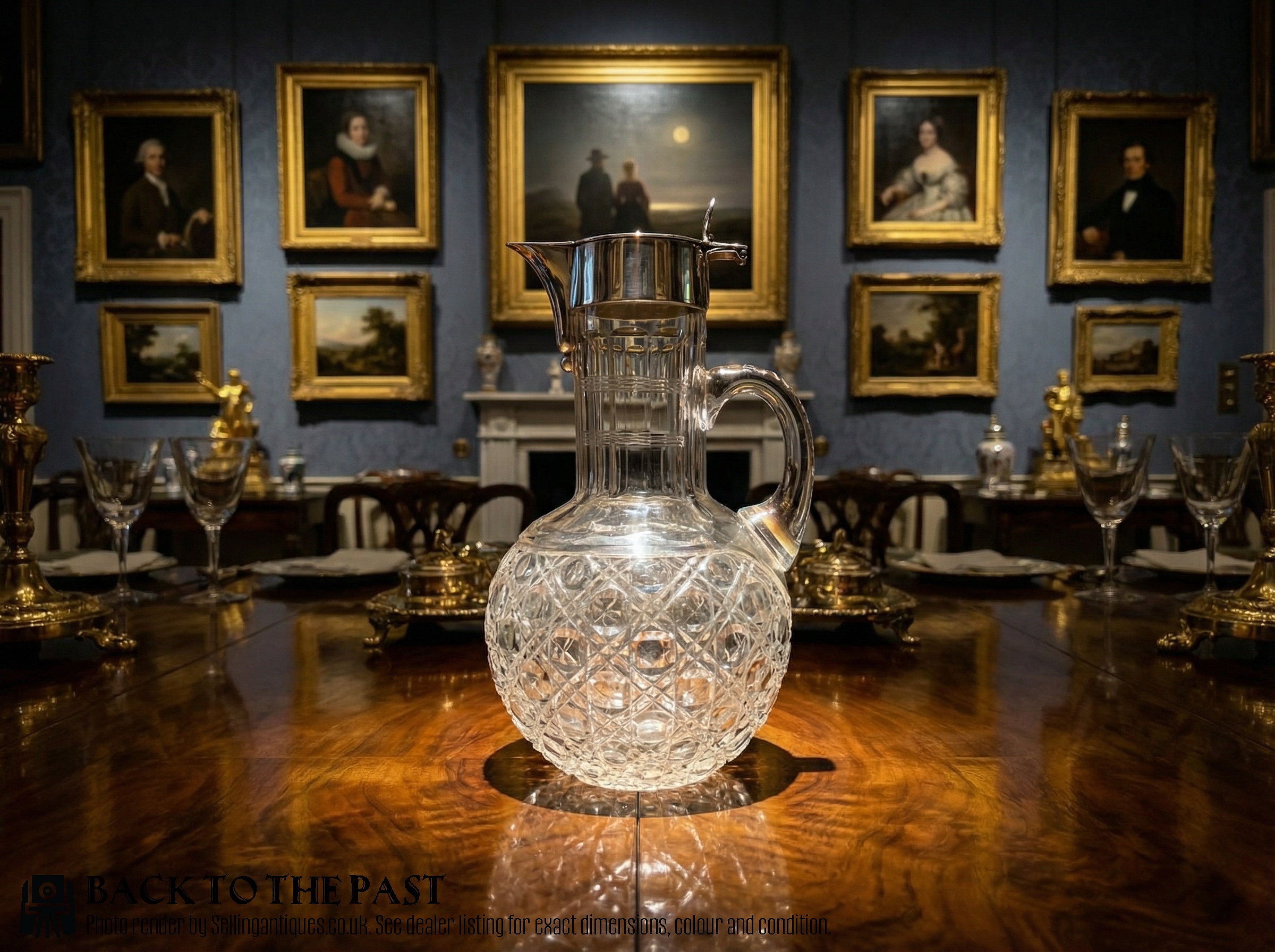
Edwardian Silver Pitcher
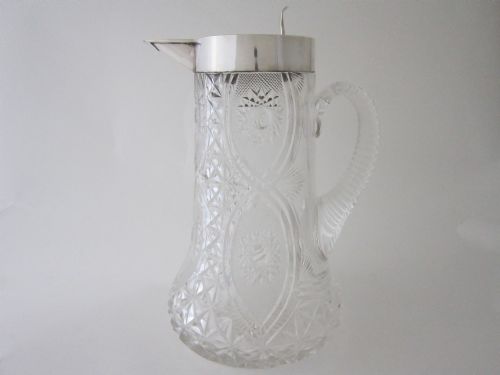
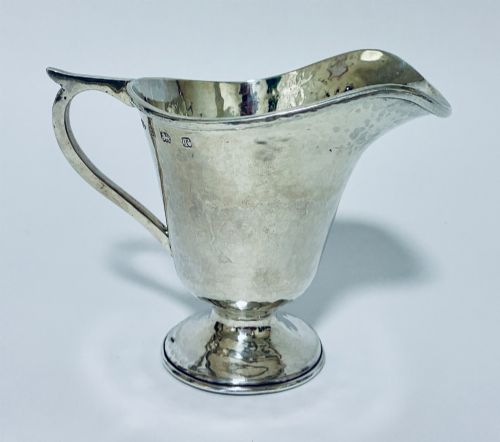
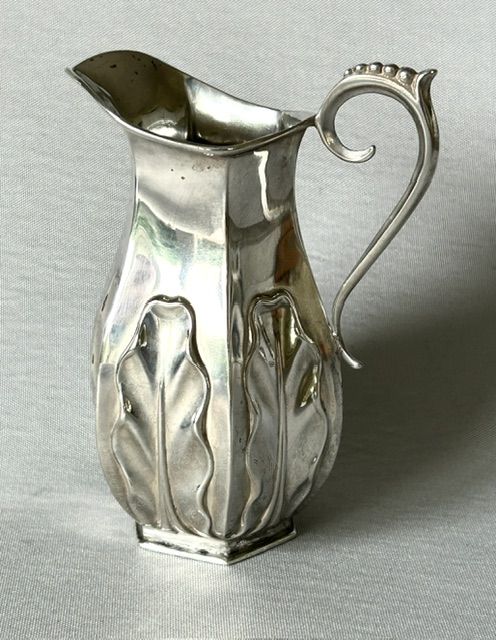
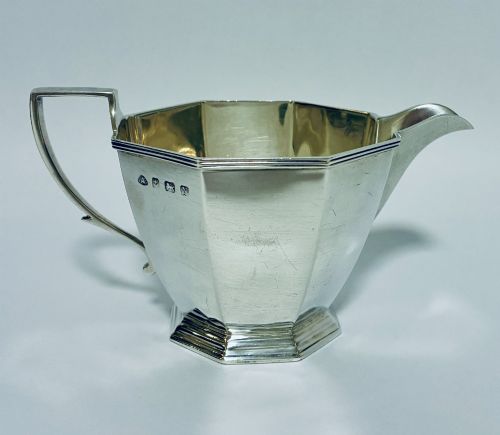
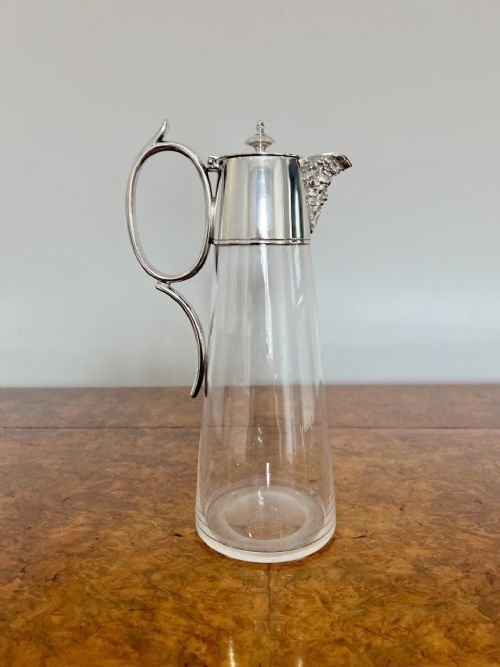
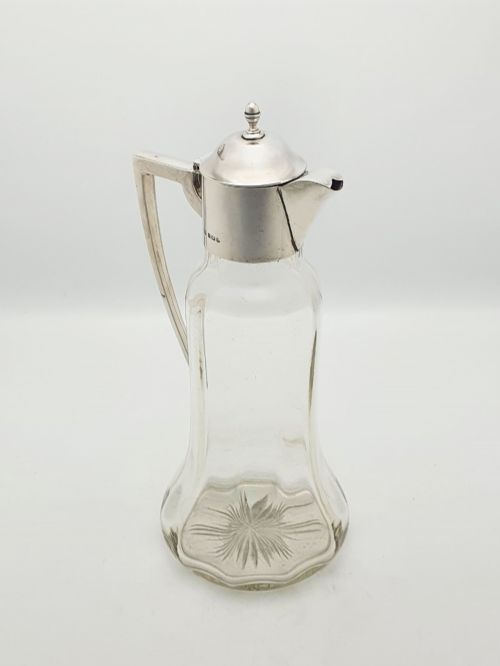
An edwardian silver pitcher encompasses a diverse group of table vessels, most frequently appearing here as claret jugs, water pitchers, and cream jugs from the late nineteenth and early twentieth centuries. These forms bridge the gap between utility and display, designed to hold wine, water, or cream during formal meals and gatherings. The selection reflects periods stretching from late Victorian times through the Edwardian era and into the George V period.
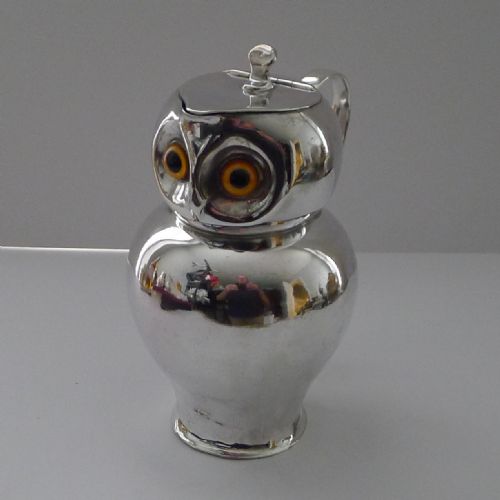
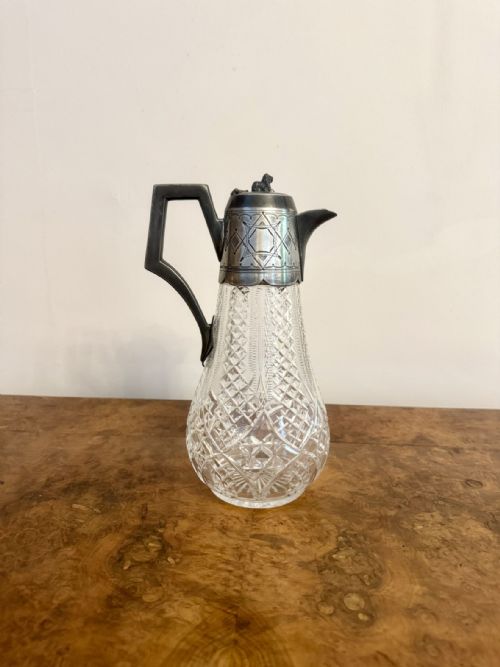
The dominant material combination pairs cut or clear glass bodies with sterling silver or silver plated mounts, though solid metal iterations also surface. Glass varieties include plain clear glass, heavy cut crystal, etched designs, and striking cranberry glass. Alongside standard jugs, the offerings extend to specialised forms such as whiskey noggins, novelty owl jugs, and water cans.
How they were made
Makers combined blown or moulded glass bodies with fitted metal mounts, securing handles and hinged lids directly onto the glass necks. Glass surfaces often received deep wheel-cutting, etching, or engraving to create geometric and floral patterns that caught the candlelight.
Metal components involved sterling silver or silver plate, shaped through casting, hammering, and hand-engraving. Certain pieces incorporated organic elements like cane handles or enamel panels, reflecting Arts and Crafts and Art Nouveau aesthetic influences of the period.
What varies in quality
The weight and clarity of the glass body set a baseline for a piece, with heavy cut crystal standing apart from thin moulded glass. The crispness of the hand-engraving on both the glass and the silver mounts indicates the level of craftsmanship invested by the silversmith.
The integration between the metal collar and the glass vessel dictates structural success, alongside the mechanical precision of the hinged lid and thumbpiece. Maker attribution, through clear hallmarks or documented firms, elevates the standing of a pitcher significantly.
Archibald Knox for Liberty and Co·George Unite·Elkington and Co·Hukin and Heath·William Davenport·Gorham
The Edwardian Silver Pitcher Glossary
- Claret jug
- A table pitcher specifically designed for serving red wine, usually featuring a glass body with a silver mount, handle, and hinged lid.
- Silver plate
- A base metal, such as copper or Britannia metal, coated with a thin layer of pure silver through electroplating or old Sheffield plating methods.
- Sterling silver
- An alloy consisting of ninety-two point five percent silver and seven point five percent other metals, typically copper, meeting official purity standards.
- Whiskey noggin
- A small drinking vessel or personal pitcher, often supplied with a matching silver label, used for serving spirits.
Edwardian Silver Pitcher: Frequently Asked Questions
What is a claret jug?
A claret jug is a pouring vessel specifically created to serve red wine at the dining table. It typically combines a glass body with a decorative metal lid and handle.
These pieces were central to formal dining rituals during the Victorian and Edwardian periods, allowing hosts to decant and present wine with elegance.
How do I clean an antique silver pitcher?
Cleaning requires warm soapy water and a soft cloth for the glass, avoiding harsh scrubbing on etched surfaces. Silver components should be treated gently with a non-abrasive silver polish.
Immersion in liquid dips must be avoided, as harsh chemicals can damage sealed glass mounts and organic handle materials.
What is the difference between sterling and plated?
Sterling silver is solid metal marked with hallmarks indicating its precise alloy purity throughout the piece. Silver plate consists of a base metal core covered by a thin outer layer of silver.
Examination of the hallmarks usually confirms whether a piece is solid silver or plated metal.
How were these pitchers used historically?
These vessels served liquids at dining tables, sideboards, and drawing rooms, ranging from water and lemonade to claret and cream. They functioned as both pouring tools and decorative display items.
Wealthy households utilised matching sets during formal meals to maintain a uniform aesthetic across the table.