


Edwardian Silver Pepper Pot
An Edwardian silver pepper pot brings character to a dining table through domestic designs and polished metal.
Edwardian Silver Pepper Pot
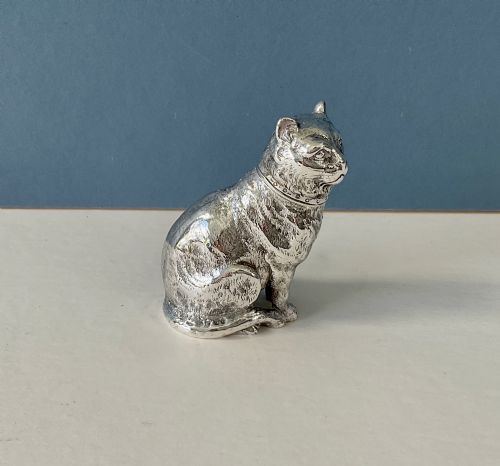
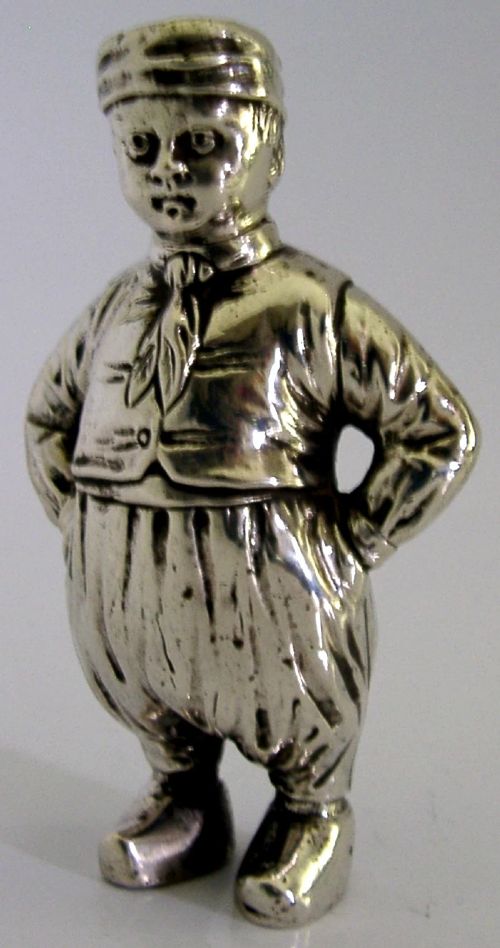
The edwardian silver pepper pot represents a period of meticulous dining accessories, often found as individual casters or paired within larger condiment sets. Buyers looking at this phrase encounter standard baluster shapes alongside imaginative novelty forms that reflect the playful aesthetic of the era.
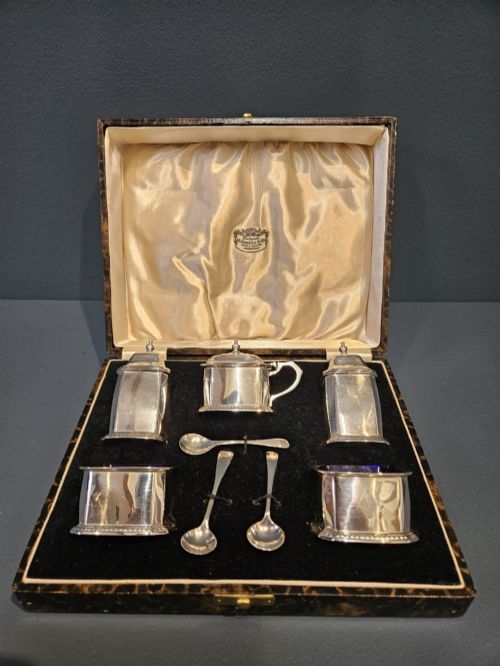
The evidence shows these pieces appearing alongside victorian and georgian revival styles, demonstrating how makers drew upon earlier traditions while refining domestic silver. While cruet sets and multi-piece condiment collections appear frequently, standalone shakers remain central to the category.
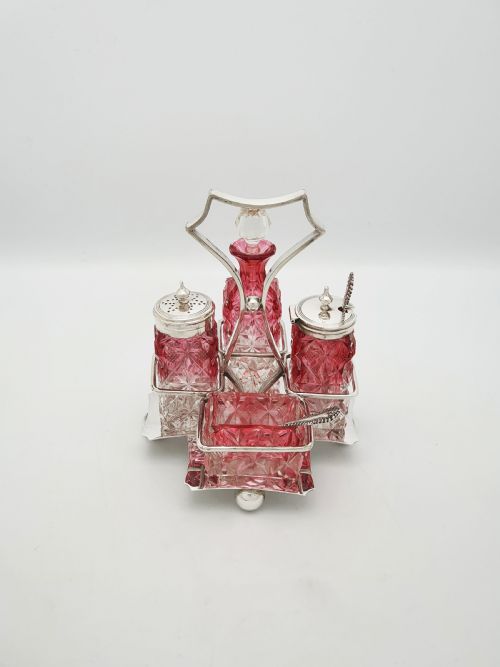
Origins span major English assay offices and continental workshops, incorporating materials like cut glass and blue glass liners within silver mounts. The diversity in these listings proves that table silver served both utilitarian and decorative purposes in early twentieth century homes.
How They Were Made
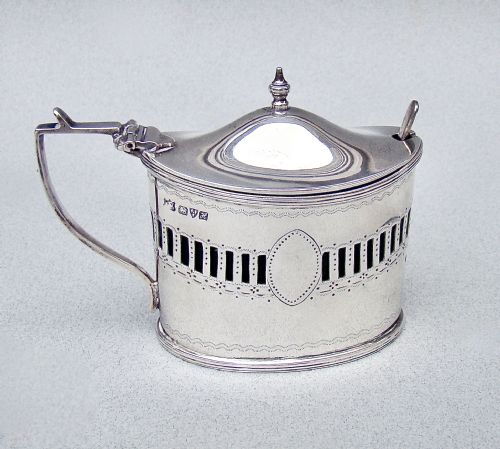
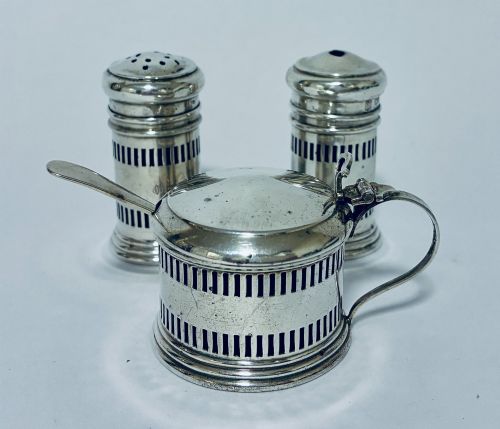
Pierced work formed the functional shaker tops, allowing seasoning to be dispensed evenly through finely drilled holes. Interiors frequently housed removable blue glass liners held securely within pierced silver frames or mounted collars.
Listings feature sterling silver, silver plate, and cut glass across periods spanning Victorian to Art Deco.
What Varies in Quality
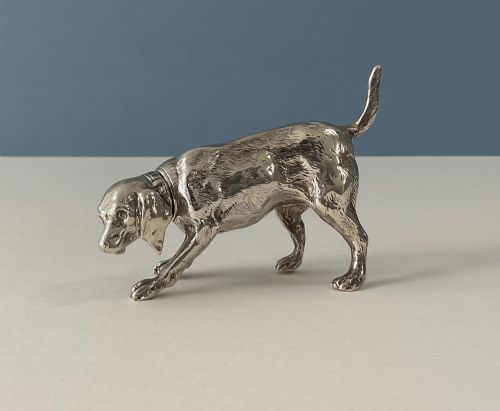
The distinction between standard utility items and superior examples lies in the crispness of the casting and the depth of the chased detail, particularly on novelty animal forms. Finely modelled pieces display precise texturing on feathers or fur rather than generalised smoothing from wear.
Weight and gauge of the metal also dictate quality, separating solid silver constructions from lighter plated alternatives. Intact original glass liners and legible hallmarks further elevate the standing of a piece within the range.
Goldsmith & Silversmith's·Alfred Marston·Bricks & Sons·Sampson Mordan
The Edwardian Silver Pepper Pot Glossary
- Cruet set
- A matched collection of glass or silver condiment bottles and shakers held within a dedicated frame or stand. These ensembles often included mustard pots and table salts alongside the primary shaker.
- Pepperette
- A small standing container specifically designed for dispensing ground pepper at the dining table. The term frequently applies to miniature or novelty versions from the period.
- Pounce pot
- A small container with a perforated lid historically used to sprinkle resin powder over paper to prepare it for writing. Though predating standard dining cruets, similar pierced shaker mechanisms link them structurally.
- Sterling silver
- An alloy containing a high proportion of pure silver combined with other metals to ensure structural durability. Items produced in this material bear official assay office hallmarks.
- Silver plate
- A base metal foundation coated with a thin layer of silver through electroplating or related techniques. This method offered the visual appeal of precious metal at a more accessible cost.
Edwardian Silver Pepper Pot: Frequently Asked Questions
What is an edwardian silver pepper pot?
An edwardian silver pepper pot is a small tabletop container designed to hold and dispense ground pepper, produced during the reign of Edward VII. These items range from conventional shaker forms to intricate animal novelties.
Craftsmen produced them in sterling silver and silver plate, frequently pairing the metal with cut glass bodies. They served both functional dining roles and decorative display purposes.
How were these pepper pots used?
They were placed on dining tables as part of individual place settings or integrated within larger condiment and cruet sets. Diners used them to season food during meals.
Their presence reflected formal dining etiquette of the period, where matching tableware demonstrated household standing. Many designs prioritized visual amusement alongside practical utility.
How do I identify an edwardian piece?
Authentic pieces carry hallmarks stamped directly into the silver, denoting the assay office, standard of metal, and date letter corresponding to the early twentieth century. Stylistic cues also help determine the period.
The evidence shows design influences ranging from classic revival motifs to whimsical figural subjects characteristic of the era. Comparing the construction techniques with documented makers provides further confirmation.
How do I care for silver and glass?
Cleaning requires a soft cloth and specialised silver polish applied gently to avoid wearing away thin plating or delicate chased details. Glass components should be washed separately in warm soapy water.
Storing pieces in dry environments prevents tarnishing and protects fragile glass liners or internal components from damage. Regular, gentle maintenance preserves the surface finish.