

Edwardian Silver Pedestal
When you search for an edwardian silver pedestal, you find raised vessels and stands designed to elevate fruit, flowers, and decorative bowls.
Edwardian Silver Pedestal
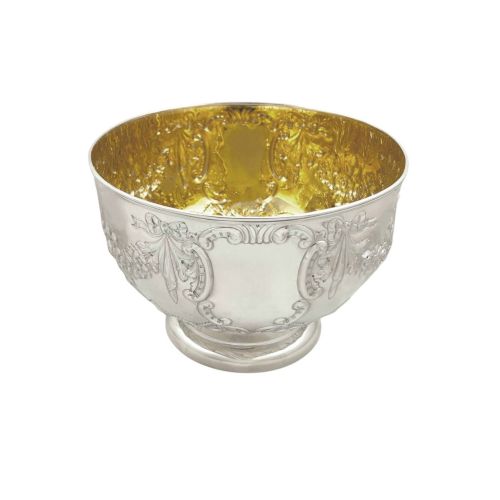
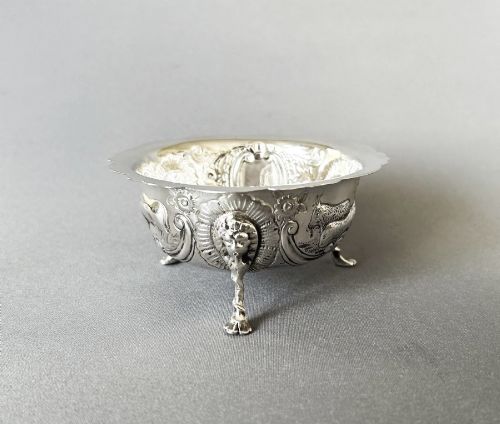
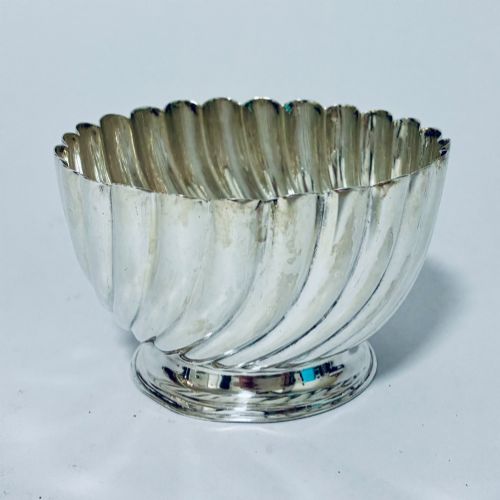
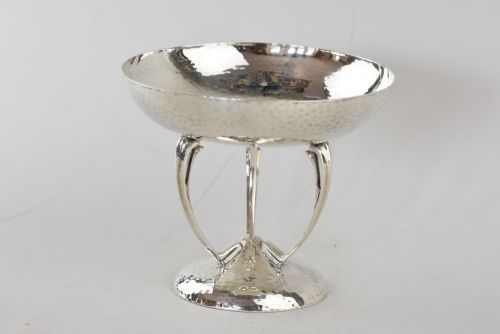
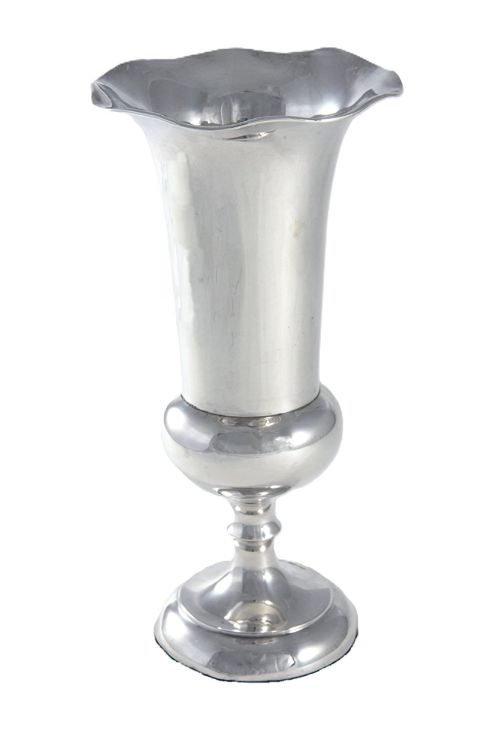
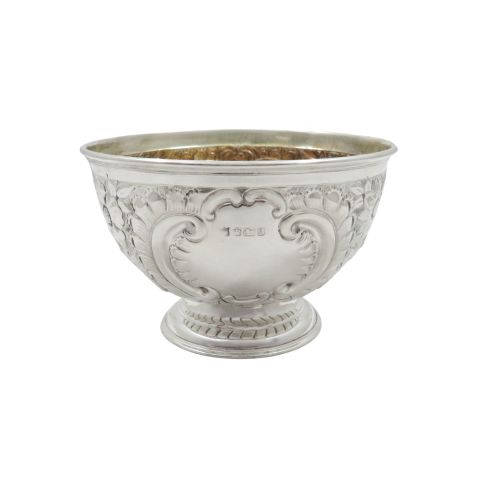
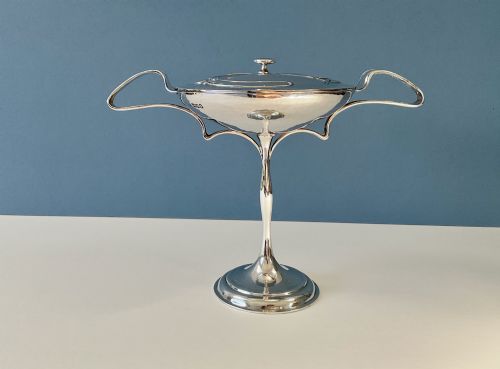
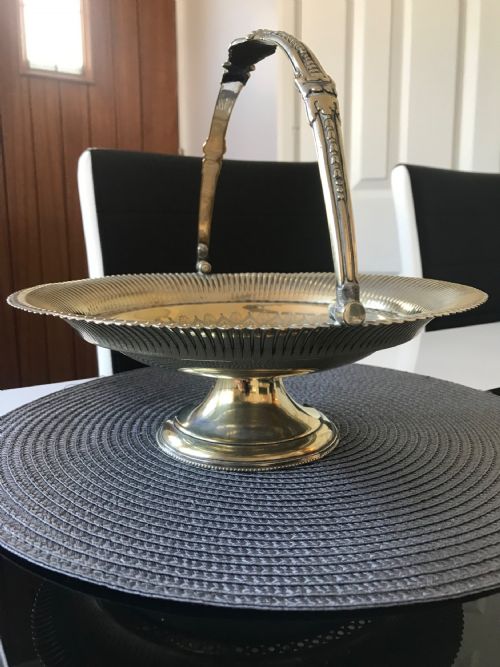
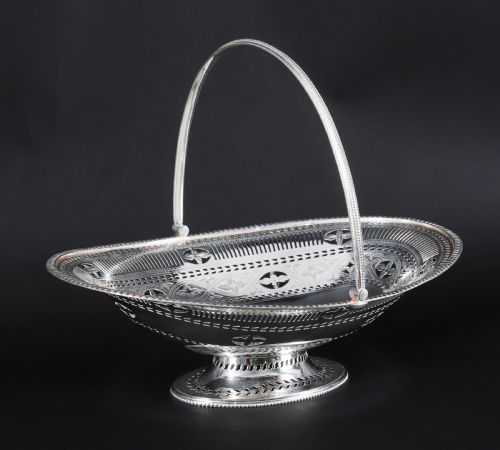
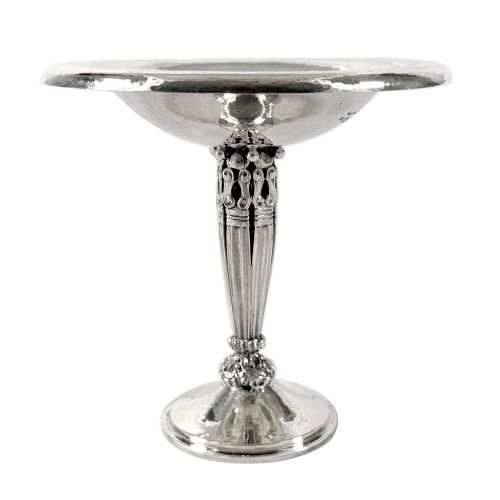
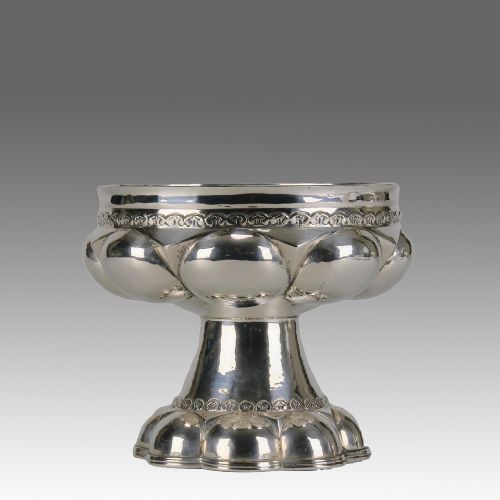
An edwardian silver pedestal is a raised vessel standing on a foot or base, taking forms such as tazzas, fruit baskets, comports, and decorative bowls. These pieces emerge primarily from the Edwardian and Victorian eras through the early twentieth century, spanning styles from straightforward classical revival to Art Nouveau and Arts and Crafts movements.
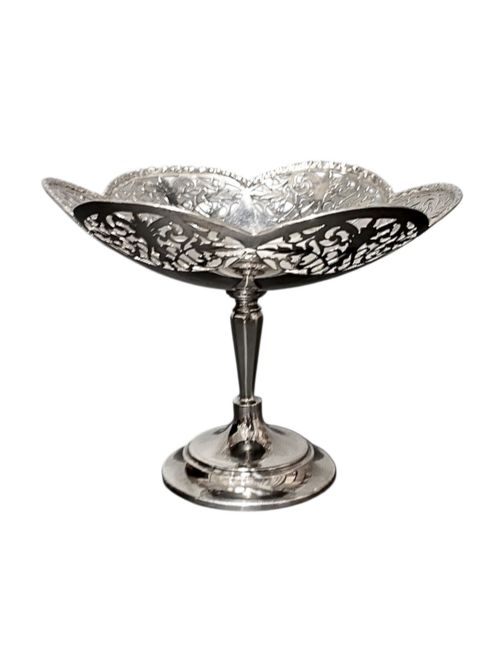
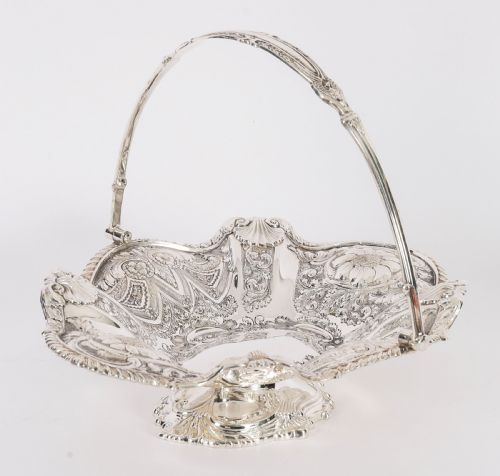
The version you are most likely to meet on this page is a sterling silver or silver plated pedestal dish or tazza, often punched with openwork fretwork or hammered by hand. They serve as table centerpieces or display stands for fruit, sweets, and posies, lifting the object of utility above the surface of the dining or drawing-room table.
Makers ranged from large silversmithing firms to individual workshops producing domestic silver and plated wares. The construction typically joins a weighted or hollow foot to a shallow bowl, basket, or dish, combining structural support with decorative proportion.
How They Were Made
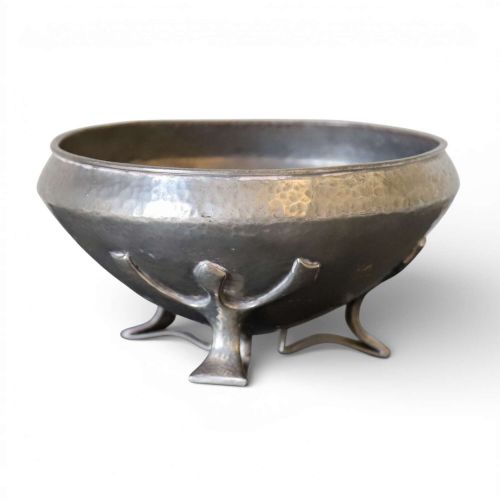
Silversmiths utilised sterling silver or electroplated nickel silver as the primary body, shaping sheet metal through spinning, hammering, or pressing. Arts and Crafts examples often show visible hand-hammering marks across the surface, whilst massed production relied on dies and machine stamping to achieve uniform contours.
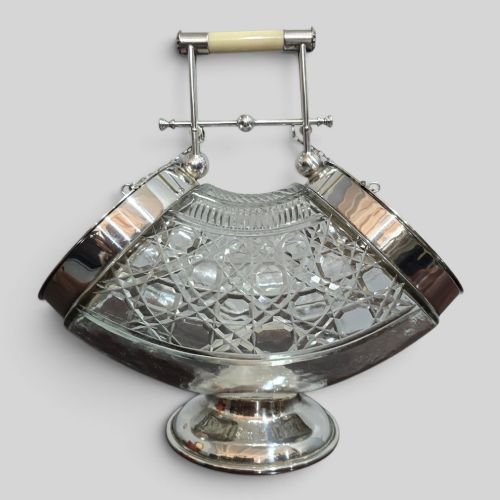
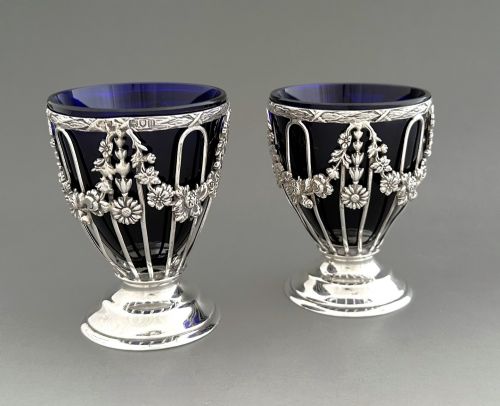
Cut glass and silver Gilt appear in combination with silver and plate, adding texture and colour contrast to biscuit barrels, vases, and bowls. Piercing and fretwork techniques created delicate openwork baskets, supported by soldered joints uniting the bowl to its pedestal foot.
Edwardian Silver Pedestal Retail Price Guide 2026
Typical asking prices for edwardian silver pedestal among the pieces listed under this phrase on Sellingantiques today, from the lower quarter to the upper quarter. They describe what is for sale here now, not the wider market.
Some Edwardian baskets come equipped with goat motifs, adding an unexpected pastoral touch to the silver.
What Varies in Quality
Quality rests in the weight of the metal and the integrity of the construction where the bowl meets the pedestal foot. Thicker gauge silver resists bending and retains crisp detail in chased or pierced decoration, whereas lighter plate wears down to the base metal over decades of cleaning.
The distinction between standard commercial production and superior workshop output lies in hand finishing. Pieces bearing hallmarks from notable makers or showing deliberate artisanal hammering display a tactile depth absent in machine-stamped goods.
Henry Matthews·Goldsmiths and Silversmiths Company·Liberty and Co·Mappin and Webb·Elkington and Co
The Edwardian Silver Pedestal Glossary
- Tazza
- A shallow bowl or plate mounted on a stem and foot, used for serving fruit or sweets.
- Comport
- A large pedestal dish placed in the centre of a table for serving fruit or dessert.
- Fretwork
- Metal pierced with decorative patterns using a fine saw or punch, creating openwork lattices.
- Silver Gilt
- Silver that has been coated with a thin layer of gold on its surface.
- Electroplated Nickel Silver
- A base metal alloy of copper, nickel, and zinc coated with a layer of pure silver through electrolysis.
Edwardian Silver Pedestal: Frequently Asked Questions
What is an edwardian silver pedestal used for?
These vessels were originally designed to hold fruit, sweetmeats, flowers, or biscuits on the dining or drawing-room table. Their elevated form added height and visual interest to table settings during formal meals.
Today, they function as decorative centerpieces or display pieces in domestic interiors, holding seasonal items or standing alone as examples of early twentieth-century metalwork.
How do I clean my silver pedestal?
Cleaning requires a soft cloth and a reputable silver polish formulated to remove tarnish without abrasive scrubbing. Care must be taken around pierced fretwork and soldered joints to avoid damage.
Silver-plated items need particularly gentle treatment to preserve the thin outer layer of silver. Regular dusting with a microfiber cloth minimises the need for frequent chemical cleaning.
Is it solid silver or silver plate?
Hallmarks stamped into the metal indicate solid sterling silver, showing symbols such as a walking lion for British manufacture alongside assay office marks and date letters. Silver-plated pieces typically bear manufacturer marks denoting electroplate.
Heavier items with hollow bases often contain weighted interior material to provide stability. Examining the underside and hallmarks reveals the exact construction method.
How do I identify the period?
Stylistic clues such as Art Nouveau flowing lines or Arts and Crafts hand-hammered surfaces point towards the late nineteenth and early twentieth centuries. Date letters within British silver hallmarks provide an exact year of assay.
Geometric lines and stark forms suggest later Art Deco production from the nineteen-twenties and thirties. Comparing the decorative motifs with documented design periods confirms the date of manufacture.