



Edwardian Silver Horn
Edwardian silver horn pieces combine natural materials with precious metal mounts, offering practical utility and period character for daily use.
Edwardian Silver Horn
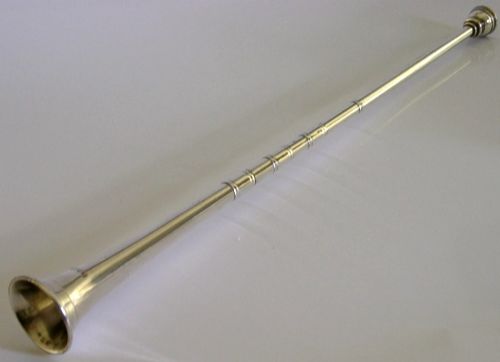
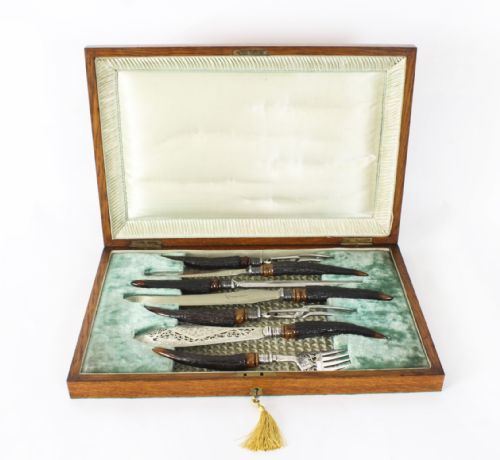
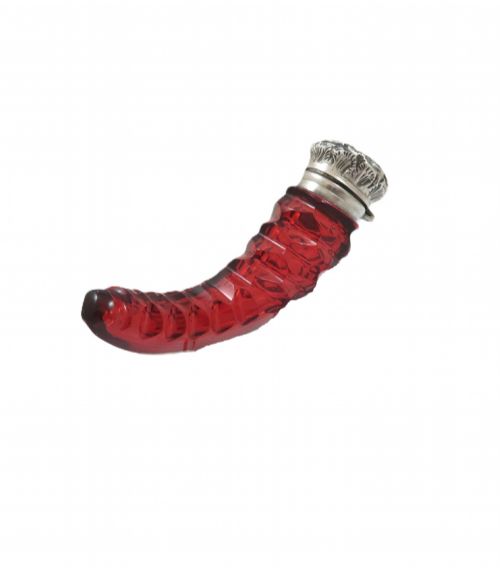
When you search for edwardian silver horn, you encounter a varied selection of items including hunting horns, shoe horns, drinking vessels, and walking canes. The period examples on this page span walking sticks, carving sets, scent bottles, and table gongs, reflecting the domestic and sporting interests of the era.
The most common formats combine natural horn or antler with sterling silver or silver plate collars, mounts, and tips. These pieces range from functional dressing table accessories to country house appointments and equestrian gear.
Materials and construction
Maker's workshops joined natural horn, cow horn, antler, wood, and glass with sterling silver and silver plate. Metal mounts were frequently stamped, chased, or engraved to secure the organic components.
Blades, steel springs, and glass inserts were integrated into walking sticks, scent bottles, and carving sets using traditional adhesives and pinned collars.
Listings feature items incorporating silver, horn, steel, wood, and glass across walking sticks, hunting horns, and scent bottles.
Assessing quality
Quality rests on the weight of the silver mounts and the soundness of the natural horn or wood. Thicker silver gauges and crisper hallmarks indicate superior workshop standards.
The finish on the organic material, whether polished cow horn or textured antler, determines the visual appeal and durability of the piece over time.
Sampson Mordan·Charles Horner·William Hornby
The Edwardian Silver Horn Glossary
- Hallmark
- An official stamp struck into precious metals to indicate the standard of purity, the assay office, and the date letter. These marks help verify the period of manufacture.
- Sterling silver
- A silver alloy containing 92.5 percent pure silver and 7.5 percent other metals, usually copper. This standard was widely used for decorative and functional mounts.
- Silver plate
- A layer of silver applied to a base metal core such as copper, nickel, or brass. This technique offered the appearance of solid silver at a lower cost.
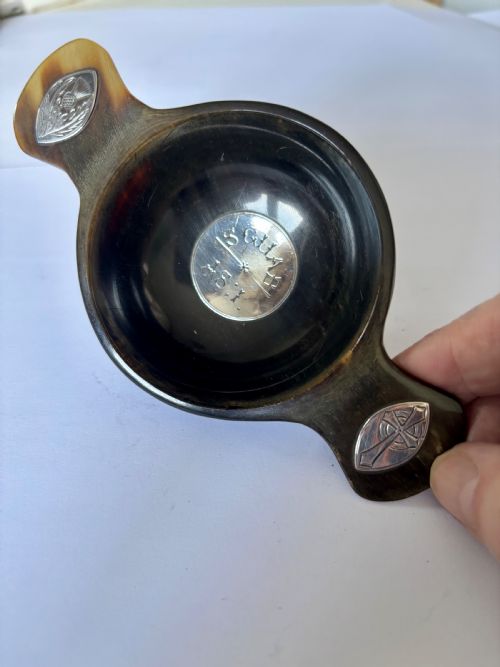
- Quaich
- A traditional Scottish two-handled drinking vessel, often constructed with staves of wood or horn bound with silver rims. They were used for ceremonial and social toasts.
Edwardian Silver Horn: Frequently Asked Questions
How do I care for silver and horn pieces?
Clean silver mounts gently with a specialised cloth while avoiding abrasive contact with the natural horn surfaces. Keep organic materials away from extreme heat and moisture to prevent warping.
Store these objects in stable indoor environments to preserve the integrity of the joins between metal and horn.
Were these items used daily?
Many items served practical daily functions in Edwardian households, from dressing table shoe horns to walking sticks used outdoors.
Others performed specific roles during hunts, meals, or leisure activities.
How do I identify Edwardian pieces?
Look for British hallmarks that include date letters corresponding to the reign of Edward VII, alongside typical stylistic motifs of the period.
Construction methods and material combinations also align with turn-of-the-century manufacturing practices.
What is the difference between horn and antler?
Horn grows as a permanent sheath over a bony core on animals like cattle, featuring a smooth or polished surface.
Antler is solid bone shed annually by deer, displaying a rough exterior texture often utilised for grips and handles.