

Edwardian Silver and Gold
Edwardian silver and gold pieces combine dual-metal settings with period gemstones, offering buyers intricate craftsmanship spanning multiple design movements.
Edwardian Silver and Gold
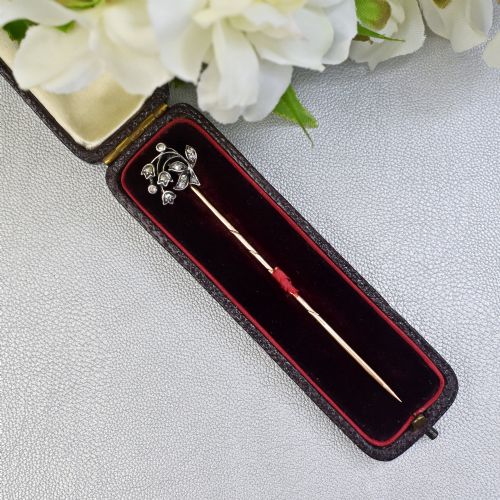
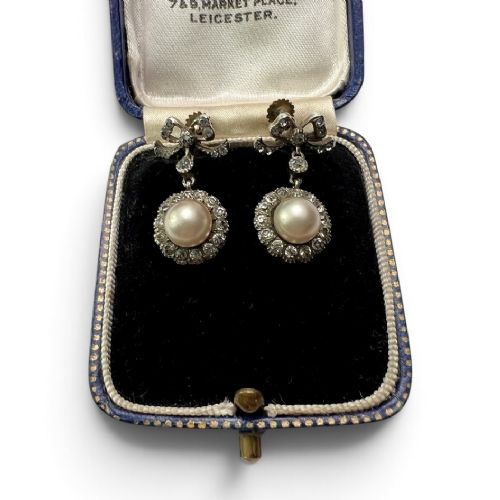
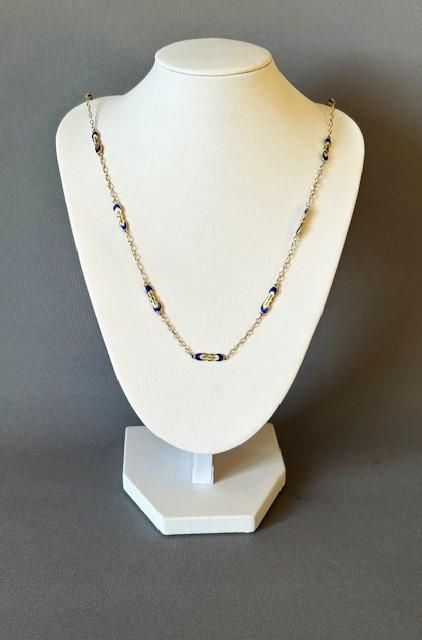
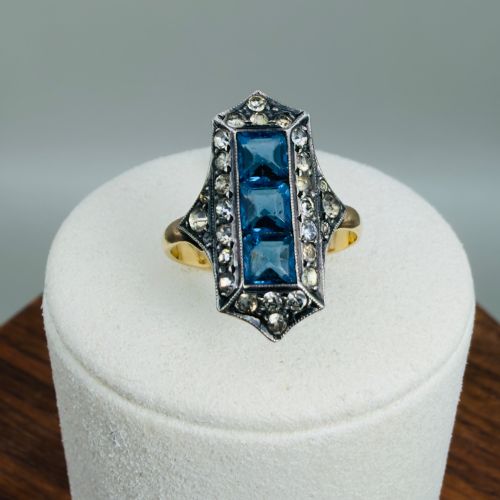
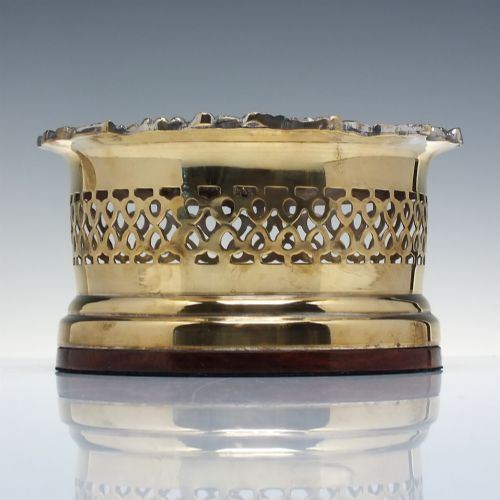
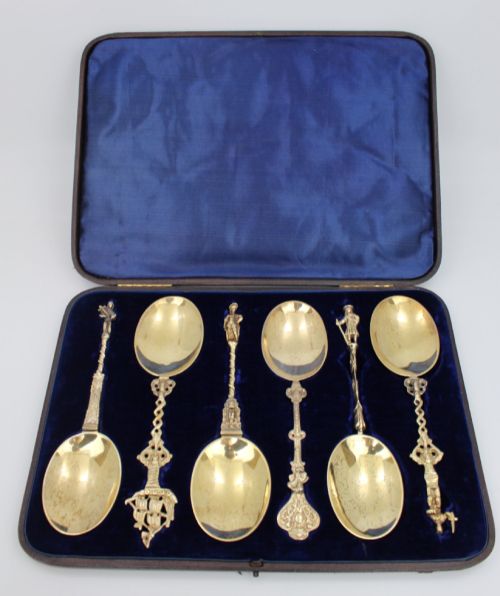
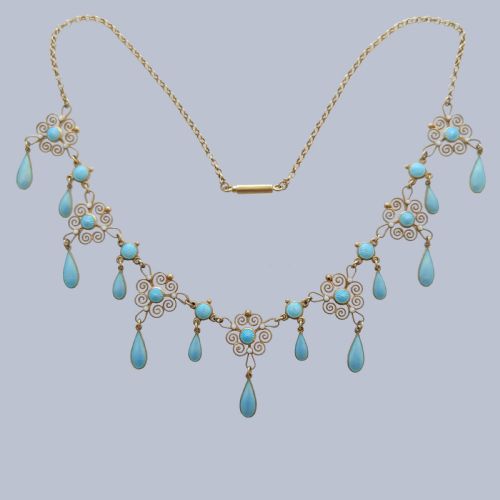
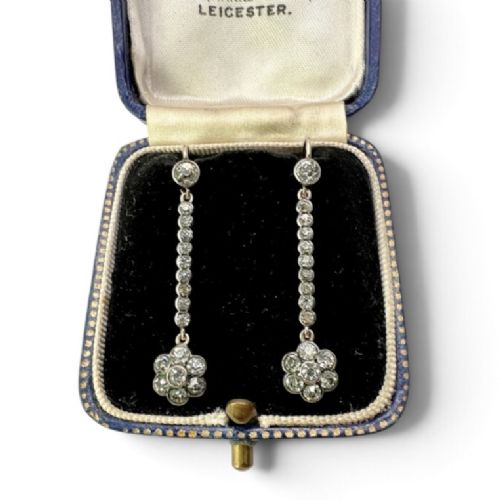
Edwardian silver and gold items encompass a diverse range of personal adornments and functional objects originating primarily from the late Victorian and Edwardian eras. Buyers searching this phrase encounter jewellery such as diamond drop earrings, gemstone rings, and festoon necklaces, alongside pocket watches, vesta cases, and table silver.
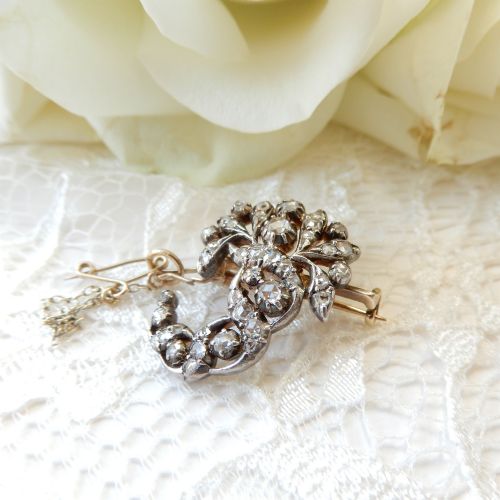
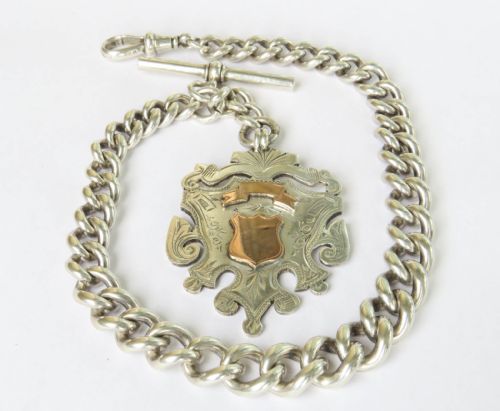
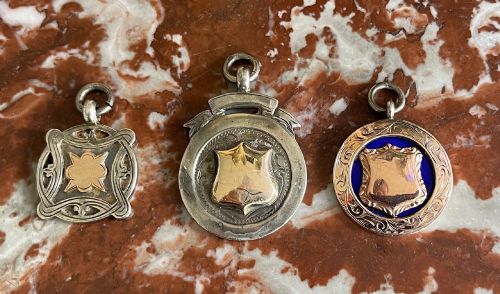
The objects frequently blend sterling silver with nine-carat or eighteen-carat gold, often utilising the silver for its bright surface to set off diamonds while employing gold for structural security. Pieces range from delicate enamel brooches and charm pendants to substantial watch chains and decorative spoons.
While many items carry specific Edwardian and late Victorian dates, the inventory also spans adjacent periods from eighteen-eighty to nineteen-thirty. Forms vary from simple utilitarian watch fobs to elaborate decorative pieces incorporating paste stones, turquoise, and opal.
How They Were Made
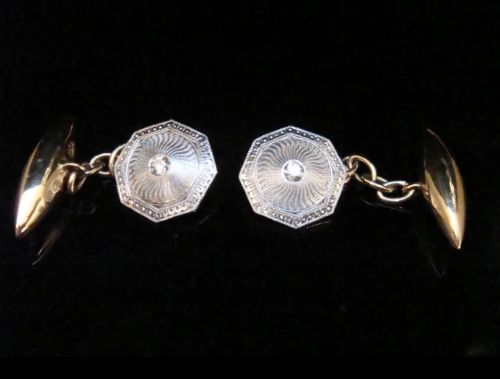
The fabrication of these dual-metal items relies on combining silver and gold within a single piece, often mounting gold elements onto a silver base or utilising gold-topped silver settings. This technique allows jewellers to present a silvery face to the front while maintaining the durability of gold underneath.
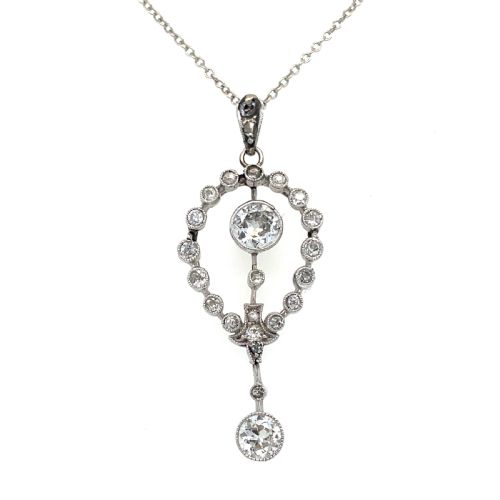
Gemstone mounting in these items frequently employs old-cut and rose-cut diamonds, alongside paste, sapphire, and turquoise, secured in detailed claw or bezel settings. Enamel work, including guilloché and niello, adds coloured surface pattern to brooches, vesta cases, and pendants.
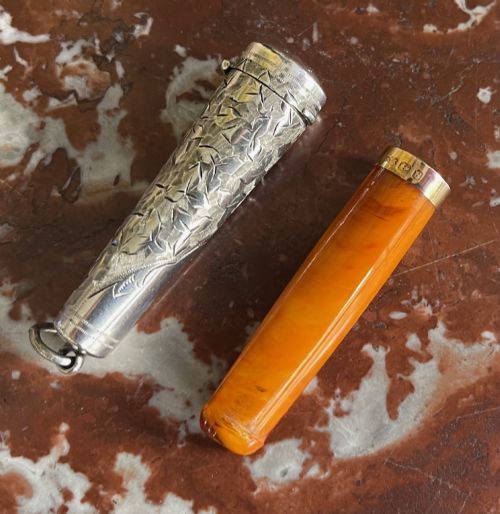
Silversmiths and goldsmiths utilised hand engraving, gilding, and casting techniques to produce detailed mounts for amber cheroot holders, carriage clocks, and pocket watch cases. Hallmarking on sterling silver elements provides official records of assay offices in cities like Birmingham and London.
Edwardian Silver and Gold Retail Price Guide 2026
Typical asking prices for edwardian silver and gold among the pieces listed under this phrase on Sellingantiques today, from the lower quarter to the upper quarter. They describe what is for sale here now, not the wider market.
Listings for Edwardian silver and gold include materials such as platinum, enamel, and glass top pendants alongside traditional gemstones.
What Varies in Quality
Quality in these dual-metal items depends on the precision of the metal combination and the finesse of the hand engraving. Superior examples display seamless integration between the silver upper layers and the gold backing or mounts, without awkward transitions or exposed solder.
The refinement of stone setting distinguishes finer pieces, particularly where old-cut diamonds or paste stones are secured within intricate floral or geometric drop earrings and rings. Superior enamel work shows even vitrification and complex patterns, whereas lower-tier examples exhibit surface irregularities.
The complexity of the object's form also dictates quality, ranging from simple solid sterling silver watch chains to multi-component items like barometers, clocks, and articulated charm bracelets. Maker attribution, seen in pieces originating from workshops such as Marius Hammer or Deakin and Francis, adds distinction.
Marius Hammer·Deakin and Francis·Knoll and Pregizer·Waltham·Omega·Tavannes·Aitchison·Wilkinson
The Edwardian Silver and Gold Glossary
- Silver Gilt
- Silver that has been coated with a thin layer of gold on its surface. This finish provides the warm tone of gold while retaining the underlying structure of silver.
- Old Cut
- A diamond cutting style prevalent before modern brilliant cuts were standardised. These stones feature smaller tables and higher crowns that catch candlelight effectively.
- Vesta Case
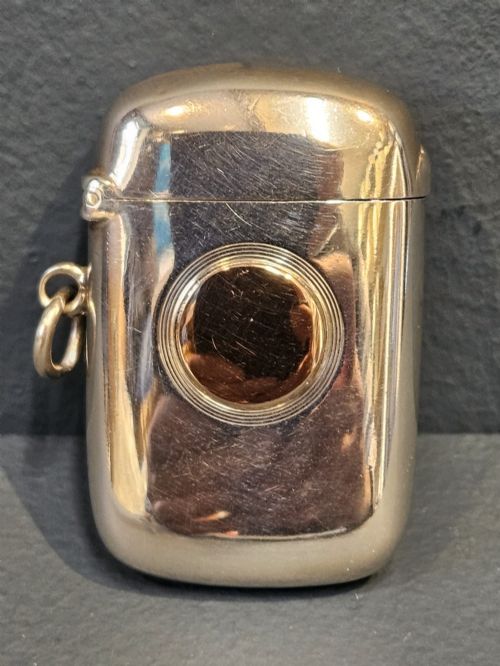
- A small pocket-sized container designed to hold matches. They are frequently decorated with engraving, niello, or enamelling.
- Guilloché
- A decorative technique where a precise repeating pattern is mechanically engraved into a metal substrate. Translucent enamel is often applied over the top to reveal the pattern beneath.
- Paste
- Hand-cut glass or lead crystal used as an imitation gemstone. Fine antique paste stones are individually set in metal mounts just like genuine gems.
Edwardian Silver and Gold: Frequently Asked Questions
Why use both silver and gold?
Combining silver and gold allowed makers to present a bright white surface for diamond settings while utilising gold for structural strength and backing. This practice was especially common in fine jewellery before platinum came into widespread use.
The dual-metal technique also created subtle tone variations that enhanced the visual depth of floral and geometric designs on rings, brooches, and pendants.
How do I date these pieces?
Dating relies on a combination of assay office hallmarks, maker marks, and stylistic indicators. Items often feature specific date letters stamped alongside sterling silver marks.
Design motifs such as flowing enamel work point towards Art Nouveau influences, while geometric lines suggest later periods like Art Deco.
What is a vesta case?
A vesta case is a portable container manufactured to carry matches safely in a pocket or on a watch chain. They usually feature a hinged lid and a striated striking surface on the base.
Examples often incorporate engraved silver, gold mounts, or enamel decoration, reflecting the personal style of the original owner.
How should I care for enamel?
Enamel surfaces require gentle handling to prevent scratching or chipping against harder materials. Cleaning should be done with a soft cloth and warm soapy water, avoiding harsh chemical dips.
Because enamel is essentially glass fused to metal, drops or heavy impacts can cause permanent damage to guilloché or niello details.