



Edwardian Signage
Edwardian signage encompasses trade boards and shop panels that brought business names and directions to the street, prized today for authentic lettering.
Edwardian Signage
Edwardian signage covers an assortment of trade boards, shop panels, and directional markers spanning the early twentieth century alongside the broader Edwardian period.
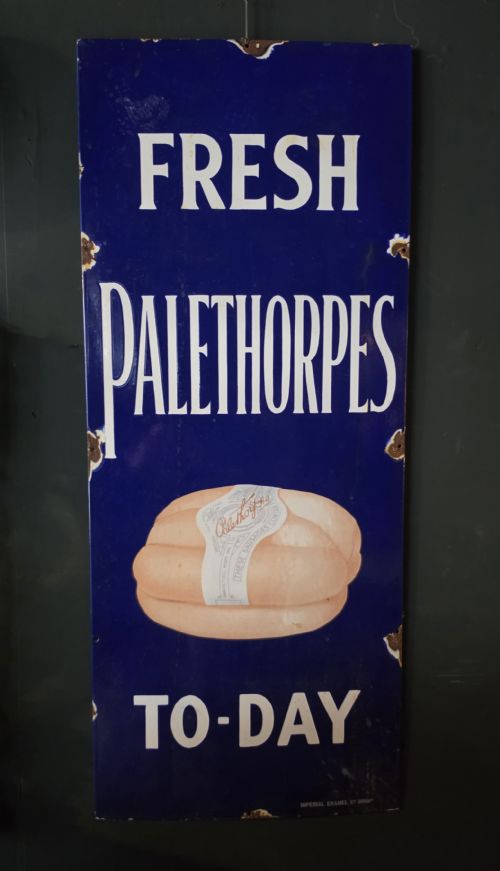
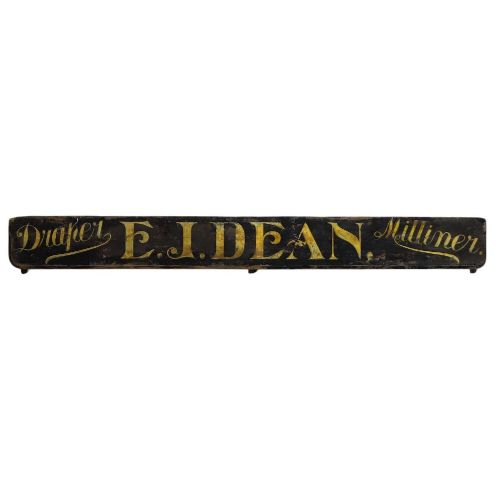
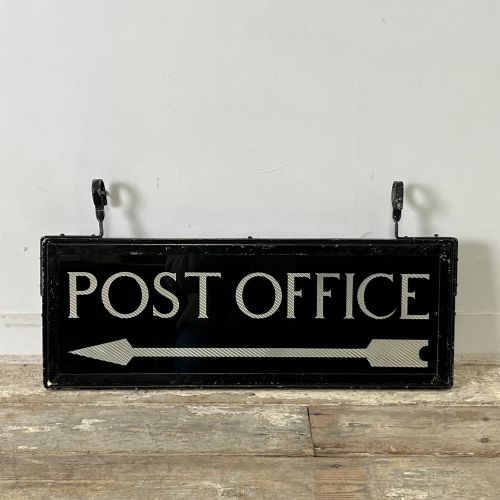
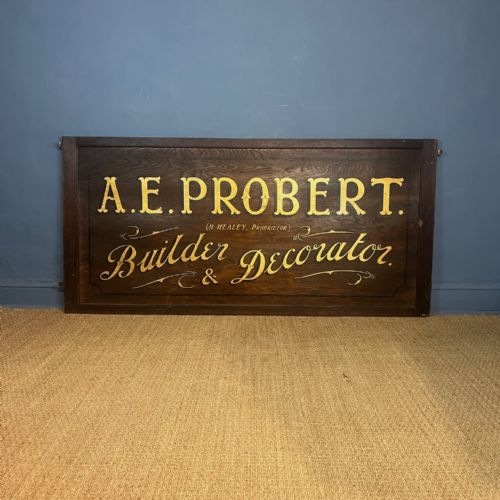
The objects take several distinct forms, from painted pine shop boards and window panels to double-sided glass post office signs and vitreous enamel street markers.
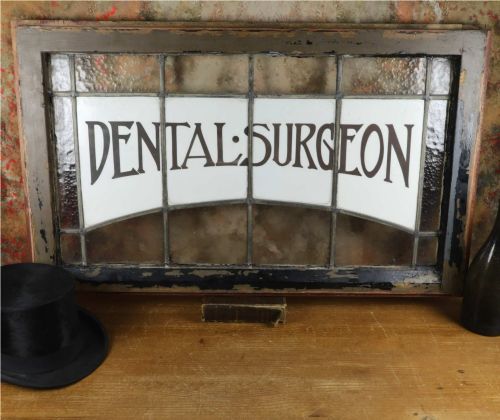
Buyers will most frequently encounter painted wooden business boards and glazed window signs, reflecting the commercial streetscapes of the era.
Materials and construction
Makers utilised timber such as pine and oak for foundational boards, applying hand-painted lettering directly to the wood or framing reverse-cut and reverse-painted glass panels.
Vitreous enamel provided a durable, glossy surface for outdoor double-sided street and trade markers, fused to metal plates to withstand weathering.
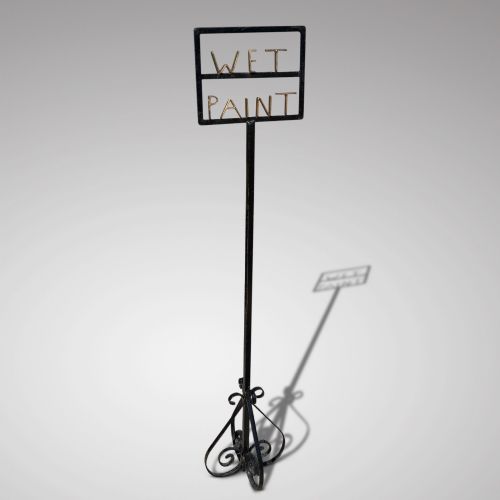
Metals including brass, lead, and wrought iron supported hanging structures, frames, and specialised notices such as wet paint warnings.
Edwardian Signage Retail Price Guide 2026
Typical asking prices for edwardian signage among the pieces listed under this phrase on Sellingantiques today, from the lower quarter to the upper quarter. They describe what is for sale here now, not the wider market.
A humorous reverse glass painted sign bearing the curious word 'SNOB' reminds us that early trade humour had a sharp edge.
Judging quality in early signs
Quality rests upon the crispness of the original hand-lettering and the preservation of the painted, gilt, or enamelled surfaces without excessive repainting.
The integrity of the structural substrate, whether an original wooden frame, intact glass panel, or heavy metal mounting, separates superior survivals from degraded examples.
The Edwardian Signage Glossary
- Vitreous enamel
- A material made by fusing powdered glass to a substrate by firing, producing a durable and glossy finished surface. This technique provided weather-resistant signs for streets and shops.
- Reverse glass painting
- An art form where the image is painted on the back of a piece of glass and viewed from the front. It yields a lustrous, protected finish often seen on trade window panels.
- Vitriolite
- A brand of opaque pigmented structural glass popular in the early twentieth century for fascia boards and street nameplates. It offered a clean, modern aesthetic.
- Architectural salvage
- Building elements and fixtures rescued from structures slated for demolition or remodelling. These pieces include street signs and trade panels removed from period premises.
- Gold leaf
- Gold beaten into extremely thin sheets used for gilding lettering on glass or wood signs. It catches the light and adds distinction to trade announcements.
Edwardian Signage: Frequently Asked Questions
Where were these signs displayed?
These pieces hung above shopfronts, inside merchant windows, or along street corners to guide customers and identify trades.
They served as functional markers for everyday commerce before modern standardised advertising took over.
How do I hang a heavy glass sign safely?
Glazed and framed items require secure wall anchors that distribute the weight evenly along the wooden or metal frame rather than the glass itself.
Consulting a professional framer ensures the mounting hardware supports the piece without placing stress on original joints.
Can enamel signs be cleaned?
Vitreous enamel surfaces tolerate gentle washing with mild soap and water to remove accumulated dust and grime.
Harsh abrasives and chemical solvents must be avoided to protect the original gloss and lettering.
How are authentic period signs dated?
Dating relies upon the typography, the specific manufacturing technique such as reverse glass painting, and the material composition.
Comparing the trade or business style to documented commercial records helps establish the likely decade of production.