


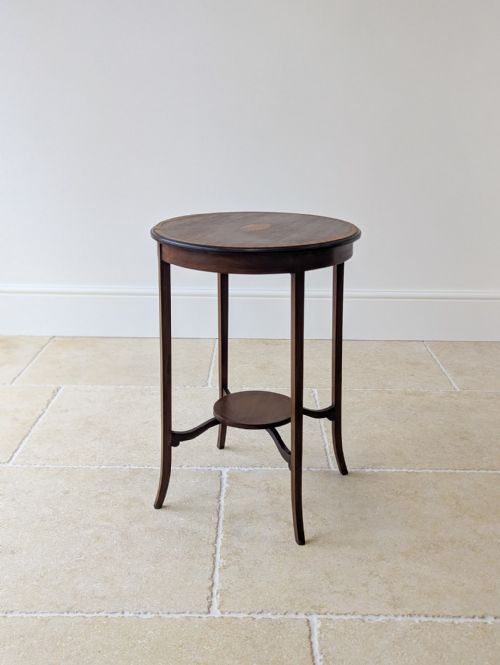
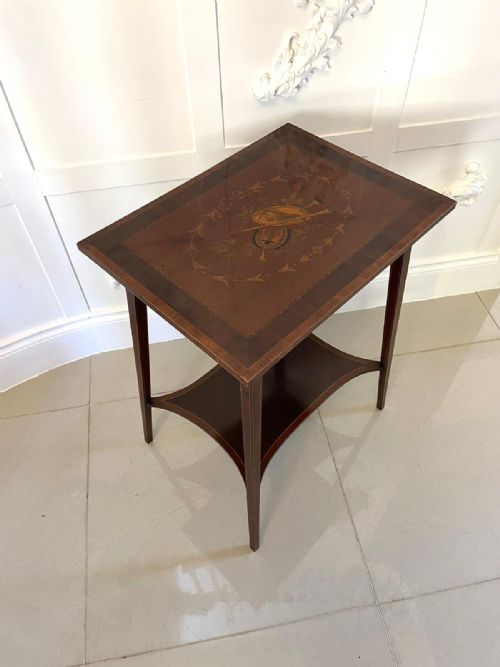
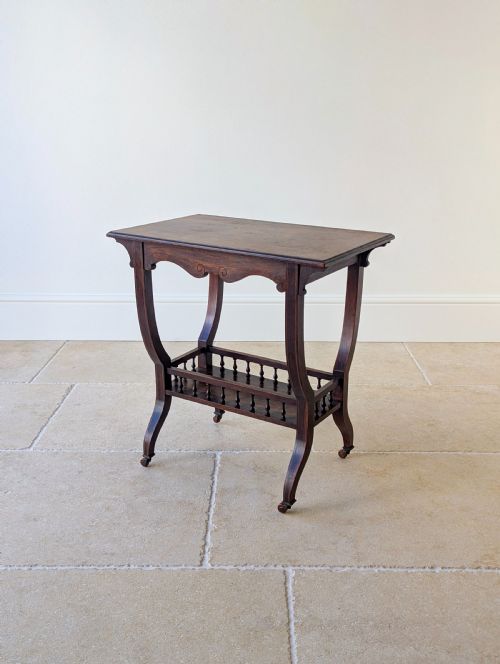
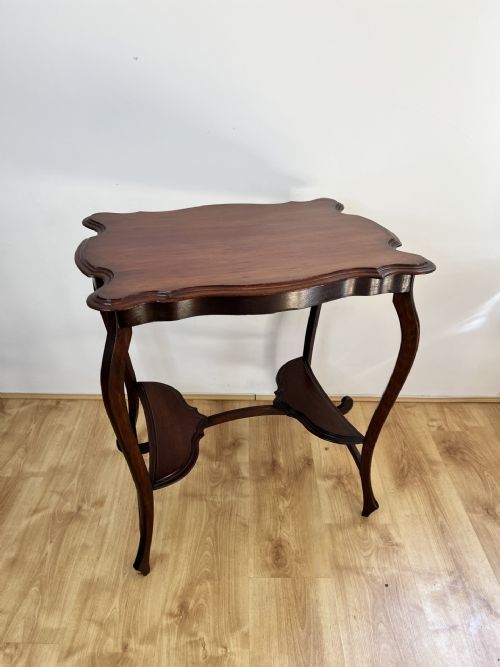


Edwardian Side Table Undertier
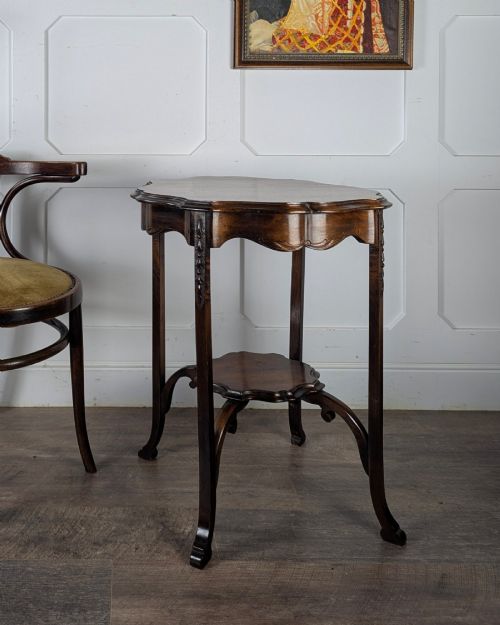
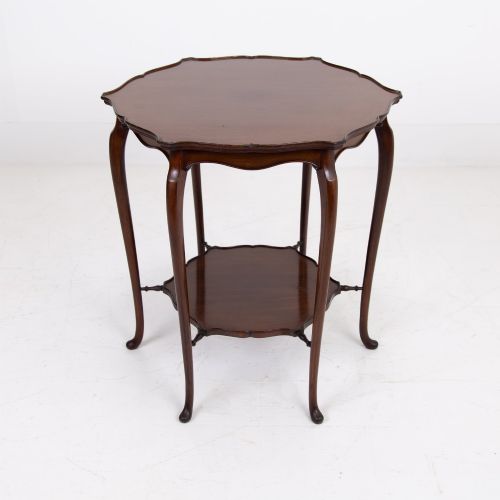
These edwardian side table undertier pieces bring practical lower-tier storage and period grace to a room.

Edwardian Side Table Undertier
The selections on this page span the Edwardian period alongside late Victorian and early twentieth-century examples. Mahogany and rosewood pieces dominate the listings, frequently enriched with satinwood inlay or brass details.
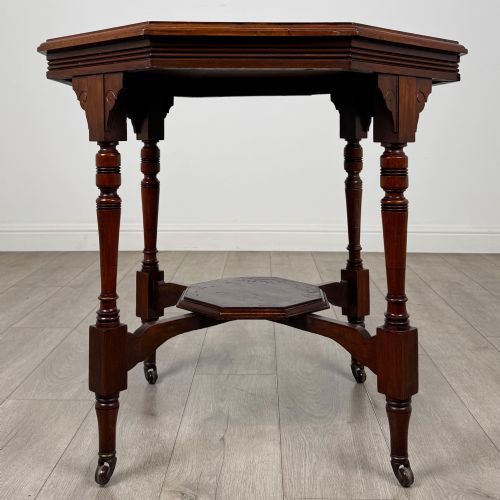
Alongside standard occasional tables, the inventory includes octagonal, oval and drop-leaf variations. Makers adopted styles ranging from Sheraton Revival to Arts and Crafts, creating versatile surfaces suited to various interior settings.
Materials and construction methods
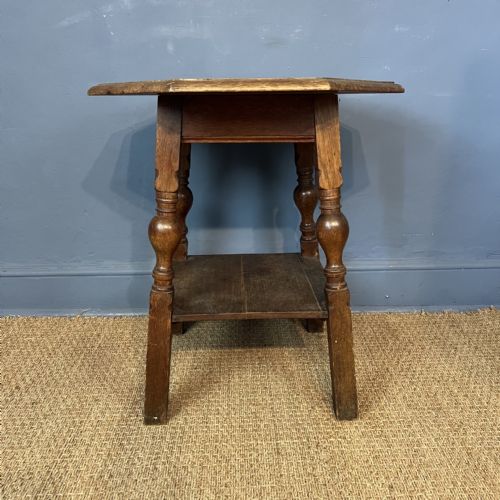
Cabinet makers relied primarily on mahogany, walnut and rosewood for the main structure of these tables. Timbers were chosen for grain pattern and strength, then shaped into turned or tapering legs to support both the top and the lower undertier shelf.
Decorative surfaces frequently incorporate satinwood inlay, boxwood stringing and painted motifs. Brass elements appear on select designs, providing durable hardware and subtle contrast against the dark hardwoods.
Tabletop shapes in this selection range from traditional rectangular and circular formats to octagonal and six-sided designs.
Distinguishing quality in period tables
The distinction between standard domestic furniture and superior examples lies in the crispness of the inlay and the selection of timber veneers. Finely figured mahogany or rosewood paired with intricate boxwood stringing elevates a piece significantly.
Structural integrity and refined joinery separate workshop items from mass-produced items. Well-executed turned legs and tightly fitted undertiers demonstrate disciplined craftsmanship that endures through daily use.
Liberty and Co·Liberty of London·Howard and Son's
The Edwardian Side Table Undertier Glossary
- Undertier
- A lower shelf placed between the legs of a table, offering additional surface space for display or storage. This shelf helps stabilise the frame while adding a secondary tier.
- Inlay
- A decorative technique where contrasting woods or materials are set flush into the primary surface. Craftsmen used satinwood and boxwood to create geometric or floral motifs.
- Sheraton Revival
- A late nineteenth and early twentieth-century style inspired by the designs of Thomas Sheraton. It is characterised by slender proportions, satinwood veneer and classical detailing.
- Occasional table
- A small, versatile table intended for specific, intermittent use around a room rather than a fixed dining or writing purpose. These pieces function easily as lamp stands or side surfaces.
- Arts and Crafts
- A design movement favouring honest construction, simple forms and visible oak grain. Pieces from this tradition often eschew heavy ornamentation in favour of architectural structure.
Edwardian Side Table Undertier: Frequently Asked Questions
What is an undertier used for?
The lower shelf provided a convenient space for placing books, magazines or small decorative items while keeping the main surface clear. It also added structural rigidity to the slender legs of the table.
In daily living spaces, this extra tier maximises the utility of compact furniture without demanding additional floor space.
How do I identify Edwardian furniture?
Edwardian pieces date from the reign of King Edward VII between 1901 and 1910, though the style extends slightly either side. They often feature lighter proportions than heavy Victorian designs and frequently utilise mahogany with delicate stringing.
Looking closely at the timber choice, inlay style and overall lightness of form helps distinguish these tables from earlier nineteenth-century variants.
Where should I place a side table?
These compact tables fit naturally beside armchairs, sofas or against hallway walls where a surface is needed for a lamp. Their finished proportions allow them to stand freely within a room as centre tables.
The lower undertier makes them particularly practical next to seating where reading materials benefit from being close at hand.
Are these tables made of solid wood?
Many Edwardian tables combine solid timber frames with high-quality veneers on the top and undertier surfaces. Veneering allowed cabinet makers to display striking grain patterns, such as figured mahogany or satinwood, without risking the warping associated with large solid boards.
Legs and structural supports were typically turned or shaped from solid hardwoods to ensure durability.